Concrete

Concrete is where I keep my step-by-step guides for planning, pouring, and finishing concrete projects.

Topics include base prep, forms, reinforcement, thickness, mixing and placing, finishing, curing, sealing, and long-term durability. I also cover troubleshooting—what to do when concrete cracks, scales, dusts, or cures unevenly.

If you’re new to concrete, start with the planning and prep articles. They prevent most of the expensive mistakes.

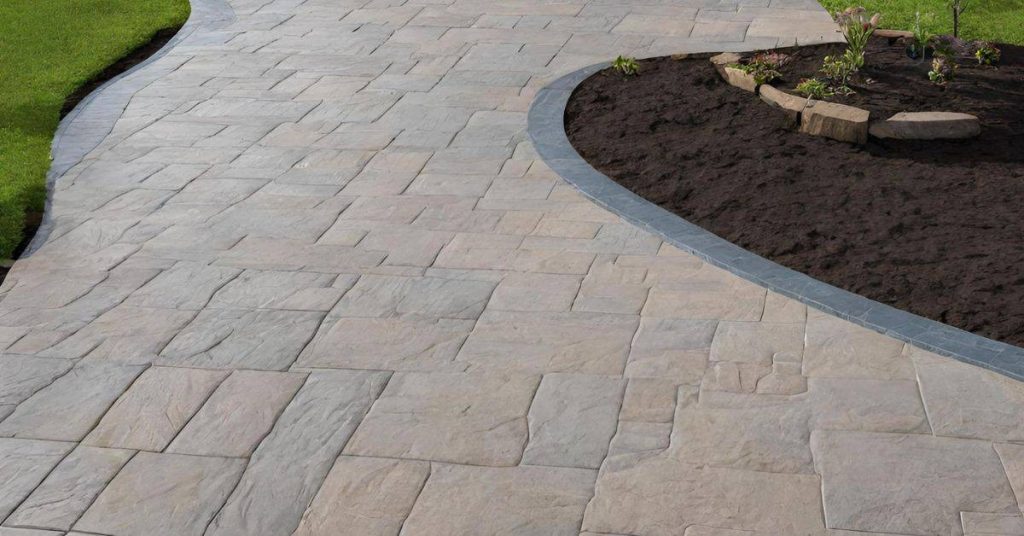
Curved stamped concrete walkway beside garden bed and grass

Stamped Concrete Walkway – Troubleshooting Steps

Introduction Troubleshooting stamped concrete walkways is figuring out and fixing issues that affect texture, color, and durability. Start with solid prep: clean forms, set forms correctly, and prepare the slab surface according to the product instructions. If you see staining, preexisting cracks, or stamping trouble, check labels and local guidelines before making changes. Stamping problems

Stamped Concrete Walkway – Troubleshooting Steps Read More »

Close-up of stamped concrete with circular textured pattern

Stamped Concrete Walkway Troubleshooting: Symptoms, Fixes & Common Mistakes

Introduction Stamped concrete walkways can enhance your home’s curb appeal while providing durable, low-maintenance surfaces. However, like any outdoor feature, they may encounter issues over time. This guide helps you identify common problems and provides practical troubleshooting steps to keep your stamped concrete walkway looking its best. The Stamped Concrete Walkway Timeline: From Preparation to

Stamped Concrete Walkway Troubleshooting: Symptoms, Fixes & Common Mistakes Read More »

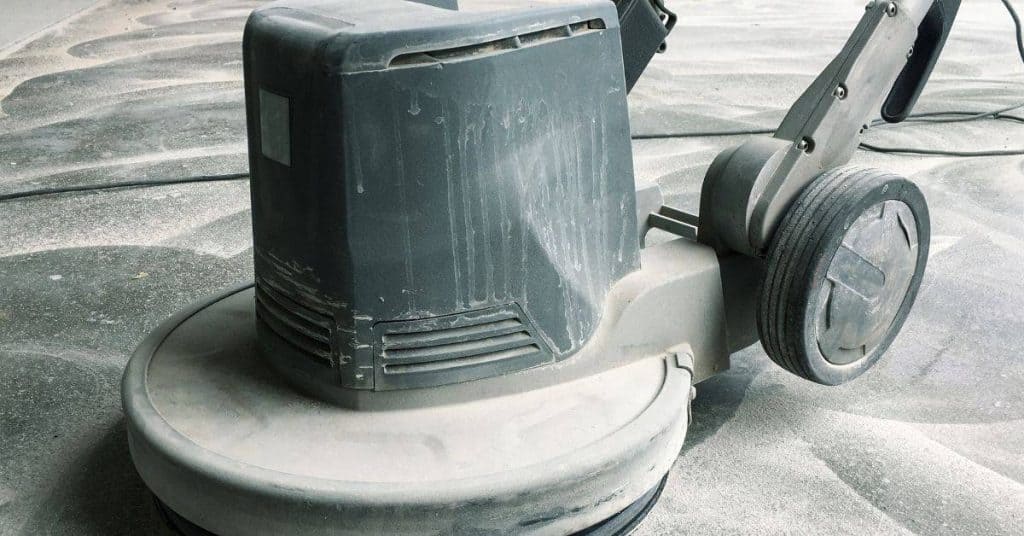
Close-up of a concrete floor grinding machine

How to Cure Concrete with Plastic Sheeting Without Leaving Blotches

Introduction Plastic sheeting can keep concrete moist and prevent blotchy curing. This method works by sealing out drafts and rain while letting the surface stay damp. It’s a simple DIY trick you can do right after pour, as long as you follow safety and manufacturer guidance. Protecting fresh concrete from rain and wind should start

How to Cure Concrete with Plastic Sheeting Without Leaving Blotches Read More »

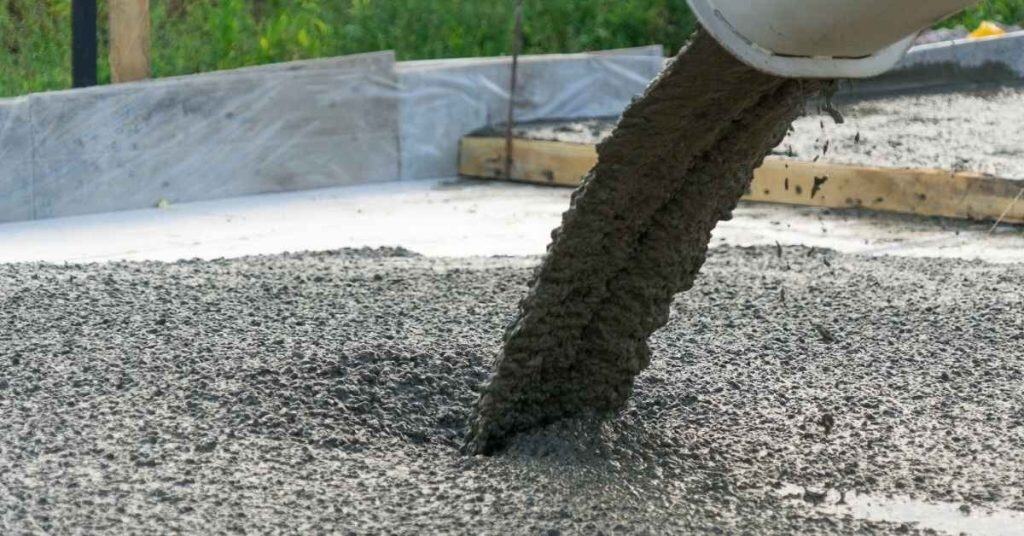
Fresh concrete pouring from mixer onto slab

How to Protect Fresh Concrete from Frost, Wind, and Sun (Curing Blankets and More)

Introduction Protecting fresh concrete means keeping it warm enough to cure evenly and shielding it from drying too fast. To do this, follow the product instructions, local specs, and use the curing methods that fit your site. Check labels for temperature guidance and any restrictions before you start. Prepare the work area by clearing wind

How to Protect Fresh Concrete from Frost, Wind, and Sun (Curing Blankets and More) Read More »

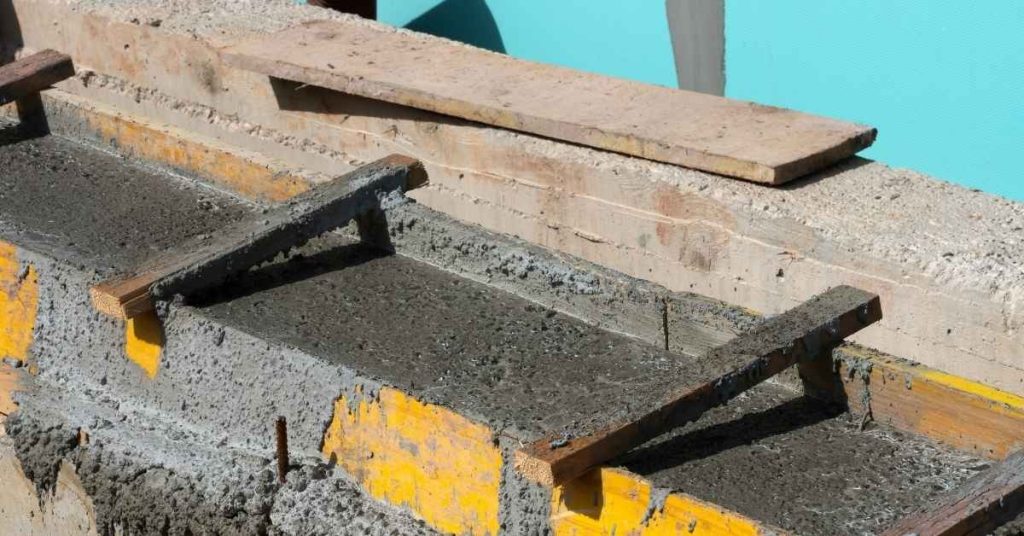
Fresh concrete poured into wooden formwork outdoors

Concrete Pour in the Rain: What to Do Before, During, and After

Introduction Pouring concrete in rain is risky and generally not advised. Weather can affect strength and finish, so plan for dry conditions if possible. If rain is unavoidable, check local guidelines and follow manufacturer and code instructions. Protect the mix, forms, and tools from direct rain and keep the work area as dry as possible.

Concrete Pour in the Rain: What to Do Before, During, and After Read More »

Concrete slab formwork with rebar and wooden boards

How to Build a Proper Gravel Base for a Concrete Slab (Compaction and Grading)

Introduction A proper gravel base is the compact, well-drained layer you place under a concrete slab to support and level the pour. Think of it as the foundation for stability and future durability, not just a fill layer. Check local guidelines and product instructions for any required thickness or compaction ranges. Getting the base right

How to Build a Proper Gravel Base for a Concrete Slab (Compaction and Grading) Read More »