Concrete

Concrete is where I keep my step-by-step guides for planning, pouring, and finishing concrete projects.

Topics include base prep, forms, reinforcement, thickness, mixing and placing, finishing, curing, sealing, and long-term durability. I also cover troubleshooting—what to do when concrete cracks, scales, dusts, or cures unevenly.

If you’re new to concrete, start with the planning and prep articles. They prevent most of the expensive mistakes.

Rows of concrete blocks arranged on racks for curing

How to Stop Concrete Patch Color Mismatch: Water Control, Curing, and Tint Options

Introduction Stopping concrete patch color mismatch means controlling water, curing, and surface tinting so the patched area dries and weathers like the surrounding slab. Focus first on water management at the mix and jobsite—too much or too little water changes color and texture, so check product labels and adjust by feel and small test patches. […]

How to Stop Concrete Patch Color Mismatch: Water Control, Curing, and Tint Options Read More »
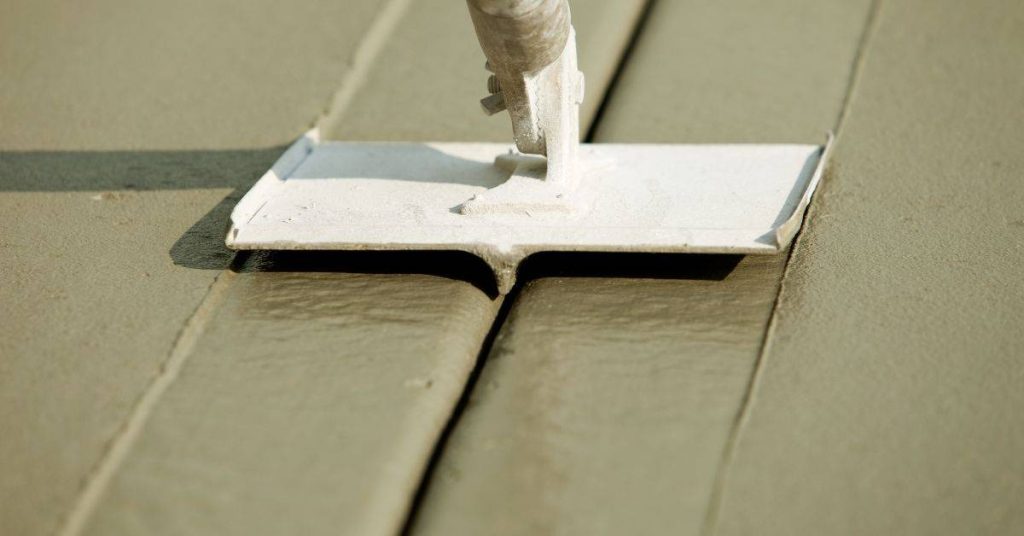
Trowel smoothing fresh concrete expansion joint sealant

Concrete Expansion Joint Sealants: Urethane vs Silicone vs Self-Leveling Formulas

Introduction Concrete expansion joint sealants are flexible materials used to fill and protect gaps in concrete so they can move without cracking; common DIY choices are urethane, silicone, and self-leveling formulas. Urethane is durable and bonds well to concrete but check the product label for cure time and surface prep; silicone stays flexible and resists

Concrete Expansion Joint Sealants: Urethane vs Silicone vs Self-Leveling Formulas Read More »

Stacks of rough concrete stepping stones on wooden pallets

How to Cast Concrete With Built-In Drip Edges: Simple Form Tricks That Look Pro

Introduction Casting concrete with built-in drip edges means shaping the form so the concrete cures with a small overhang that sheds water away from the face — it’s simply a form trick, not a special concrete mix. This uses small blocks, chamfer strips, or notched forms that you set into the mold before the pour;

How to Cast Concrete With Built-In Drip Edges: Simple Form Tricks That Look Pro Read More »

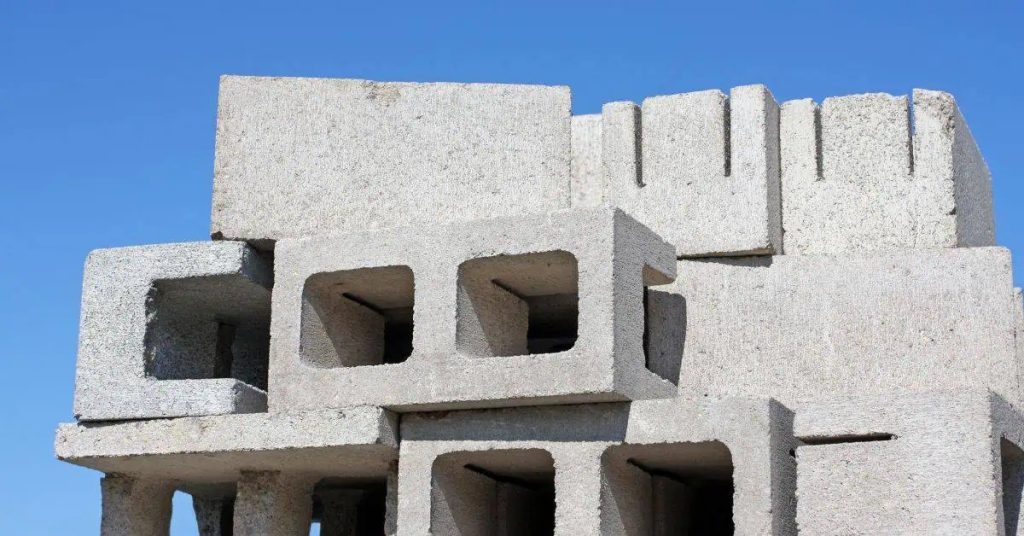
Stack of gray concrete cinder blocks against clear blue sky

Concrete Planter Waterproofing: Sealers, Liners, and Drain Details That Prevent Cracking

Introduction Concrete planter waterproofing means keeping moisture out of the concrete and away from the reinforcement so the planter holds up without cracking. Use breathable sealers or a physical liner and make sure water can drain—check product labels and local guidance for compatibility and cure times. This is a hands-on job: prep the surface, apply

Concrete Planter Waterproofing: Sealers, Liners, and Drain Details That Prevent Cracking Read More »

modern concrete countertop with integrated sink and black faucet

Repairing a Concrete Countertop Chip at the Sink: Edge Build-Up and Reseal Workflow

Introduction Repairing a concrete countertop chip at the sink means rebuilding the damaged edge with a compatible patch compound, shaping it to match the surrounding profile, and then resealing the repair so water can’t get in. This is a hands-on patch-and-finish job you can do with basic tools, but check the patch product label and

Repairing a Concrete Countertop Chip at the Sink: Edge Build-Up and Reseal Workflow Read More »

concrete countertop with built-in sink and black faucet

Concrete Countertop Sealer Selection: Food-Safe Reality, Heat, and Stain Resistance

Introduction Concrete countertop sealer selection is choosing the finish that protects the slab while matching needs for food safety, heat handling, and stain resistance. In plain jobsite terms: some sealers are formulated to be food-safe once fully cured, others are not, and heat or stain performance varies by chemistry and film thickness. Check product labels

Concrete Countertop Sealer Selection: Food-Safe Reality, Heat, and Stain Resistance Read More »

pile of crushed concrete aggregate with varied sizes

Concrete Countertop Mix Design for DIY: Aggregate Size, Fiber, and Reinforcement Layout

Introduction Concrete countertop mix design for DIY means choosing aggregate size, fibers, and reinforcement so the slab is workable, strong, and resists cracking. Think coarse aggregate that fits the finished thickness, fibers or mesh to control cracking, and a reinforcement layout that supports spans—check product labels and local rules for exact specs. Keep the mix

Concrete Countertop Mix Design for DIY: Aggregate Size, Fiber, and Reinforcement Layout Read More »

Stamped concrete patio with rectangular stone-pattern blocks beside a pool.

Repairing Faded Stamped Concrete: Recolor Options and Reseal Without Trapping Moisture

Introduction Repairing faded stamped concrete means bringing back color and protecting the surface without sealing in moisture that can cause further damage. It’s a hands-on job of cleaning, fixing small surface defects, choosing a recolor method that matches the existing look, and then applying a sealer chosen for breathability and surface conditions. Check product labels

Repairing Faded Stamped Concrete: Recolor Options and Reseal Without Trapping Moisture Read More »

Freestanding bathtub on patterned tile floor in bathroom

Stamping Concrete With DIY Mats: Release, Seam Hiding, and Edge Details

Introduction Stamping concrete with DIY mats means pressing patterned rubber or foam mats into fresh concrete to create texture and shape while using a release agent so the mats don’t stick; it’s a hands-on way to mimic stone or tile without pro-grade molds. Pick mats that match the pattern and thickness you want, check the

Stamping Concrete With DIY Mats: Release, Seam Hiding, and Edge Details Read More »

Open paint buckets with yellow pink and green paint and paintbrush

Adding Color Hardener to Small Slabs: Broadcast Technique and Dust Control

Introduction Adding color hardener to small slabs means broadcasting a powdered pigment over fresh concrete and working it in for color and surface wear resistance. It’s a hands-on process that uses basic tools—buckets, shovels, hand floats, brushes—and color hardener product; check the product label and manufacturer instructions for coverage and timing. Do the broadcast in

Adding Color Hardener to Small Slabs: Broadcast Technique and Dust Control Read More »