Concrete

Concrete is where I keep my step-by-step guides for planning, pouring, and finishing concrete projects.

Topics include base prep, forms, reinforcement, thickness, mixing and placing, finishing, curing, sealing, and long-term durability. I also cover troubleshooting—what to do when concrete cracks, scales, dusts, or cures unevenly.

If you’re new to concrete, start with the planning and prep articles. They prevent most of the expensive mistakes.

Worker in red overalls holding a toolbox in a garage

Shot Blasting Alternatives for DIY Prep: What Actually Works in a Garage

Introduction Shot blasting alternatives for DIY garage prep are practical mechanical or chemical methods you can do without industrial equipment; think grinders, diamond pads, acid etch, or degreasing depending on what the slab needs. In plain terms: grinding or diamond-sanding removes coatings and profile, chemicals etch and clean, and heavy degreasers strip oil—check product labels […]

Shot Blasting Alternatives for DIY Prep: What Actually Works in a Garage Read More »

Close-up of concrete floor grinding machine in use

Grinding vs Scarifying for Concrete Prep: Choosing the Right Texture for Coatings

Introduction Grinding means removing surface material with rotating diamond wheels to smooth or level concrete, while scarifying uses a drum of carbide cutters to aggressively cut grooves and remove heavy coatings; pick grinding for light profiling and scarifying for fast, deep removal. This is a practical, hands-on choice: think about how much material you must

Grinding vs Scarifying for Concrete Prep: Choosing the Right Texture for Coatings Read More »

Hand using float tool smoothing fresh concrete joint

Polyurethane Crack Sealants in Concrete: Joint Prep, Backer Rod, and Tooling Tips

Introduction Polyurethane crack sealant is a flexible caulk used to fill and seal concrete joints and cracks to keep water and debris out while allowing movement. For a good DIY result, clean the joint, set an appropriate backer rod if the crack is deep or wide, and follow the sealant manufacturer’s instructions for temperature, priming,

Polyurethane Crack Sealants in Concrete: Joint Prep, Backer Rod, and Tooling Tips Read More »

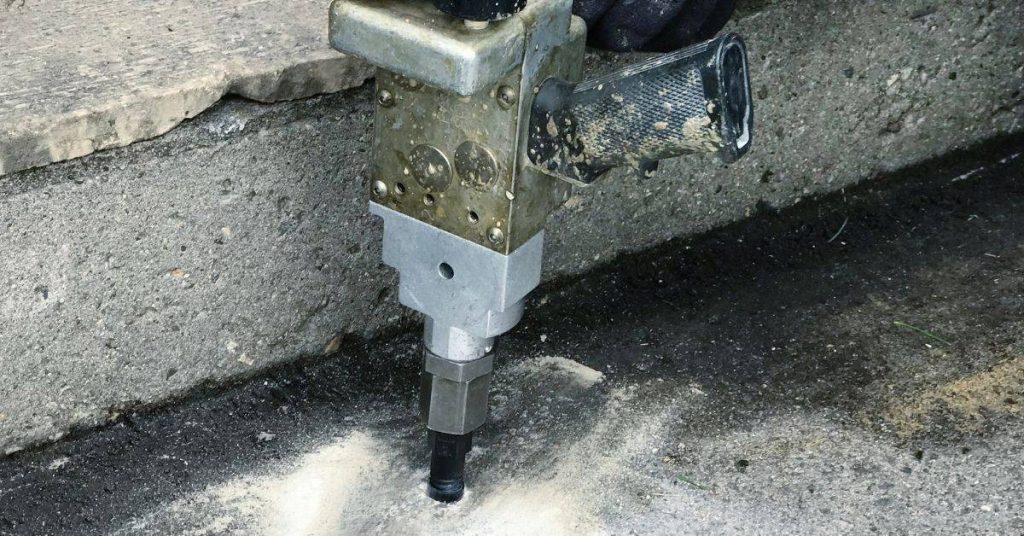
Close-up of concrete injection repair tool on cracked concrete

Epoxy Crack Injection Basics: When It’s Structural and When Flexible Sealants Are Better

Introduction Epoxy crack injection is a method that bonds and restores load-bearing concrete when a crack is clean, stable, and dry, while flexible sealants are better for cracks that move or need to keep out water without carrying structural loads. Think of epoxy like a hard glue for structural repair and polyurethane or silicone as

Epoxy Crack Injection Basics: When It’s Structural and When Flexible Sealants Are Better Read More »

Concrete formwork with metal rebar reinforcement inside

DIY Concrete Footings for Pergolas: Sizing Basics, Rebar Cages, and Inspection Prep

Introduction DIY concrete footings for pergolas are the concrete bases that carry the post loads down to the soil and keep your structure stable; size them based on post size, soil conditions, and local inspection requirements. Think practical: pick a footing diameter and depth that your local rules accept, choose concrete mix and cure time

DIY Concrete Footings for Pergolas: Sizing Basics, Rebar Cages, and Inspection Prep Read More »

Concrete support columns under a waterfront bridge

Concrete Pier Forms: Sonotube Tricks That Keep Posts Plumb and Tops Level

Introduction Concrete pier forms are the cardboard tubes and small setups you use to cast round footings that keep posts plumb and tops level. This article shows practical Sonotube selection and prep, mixing basics, and bracing tricks so your posts stand straight without fancy tools. Check product labels and local building codes for required diameters,

Concrete Pier Forms: Sonotube Tricks That Keep Posts Plumb and Tops Level Read More »

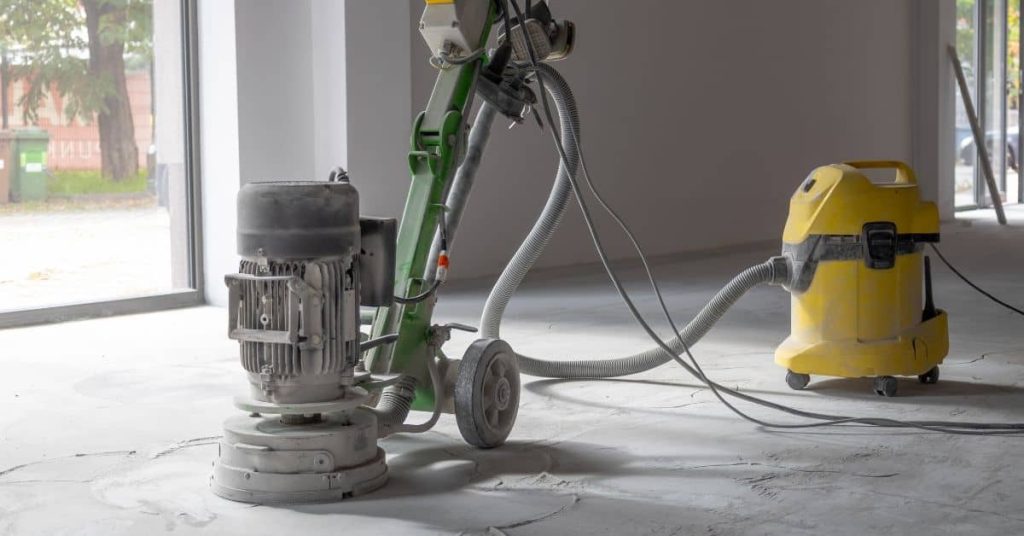
Concrete floor grinder with attached vacuum cleaner indoors

Mixing Bagged Concrete for Consistency: Water Control, Rest Time, and Re-Mix Rules

Introduction Mixing bagged concrete for consistency means controlling the water, timing the rest, and knowing when and how to re-mix so the mix stays workable and strong. Start with the bag instructions and add only as much water as needed to reach the workable slump you want, checking product label or manufacturer guidance for any

Mixing Bagged Concrete for Consistency: Water Control, Rest Time, and Re-Mix Rules Read More »

Unfinished two-story concrete building structure under blue sky

Concrete Air Content Testing for DIYers: Simple Field Checks and What to Do When It’s Off

Introduction Concrete air content testing for DIYers is a simple check of how much air is trapped in fresh concrete and whether that air level is within the range you expect for durability and workability. In plain jobsite terms, it means using a field air meter (or simple checks) and confirming the meter and procedure

Concrete Air Content Testing for DIYers: Simple Field Checks and What to Do When It’s Off Read More »