Concrete

Concrete is where I keep my step-by-step guides for planning, pouring, and finishing concrete projects.

Topics include base prep, forms, reinforcement, thickness, mixing and placing, finishing, curing, sealing, and long-term durability. I also cover troubleshooting—what to do when concrete cracks, scales, dusts, or cures unevenly.

If you’re new to concrete, start with the planning and prep articles. They prevent most of the expensive mistakes.

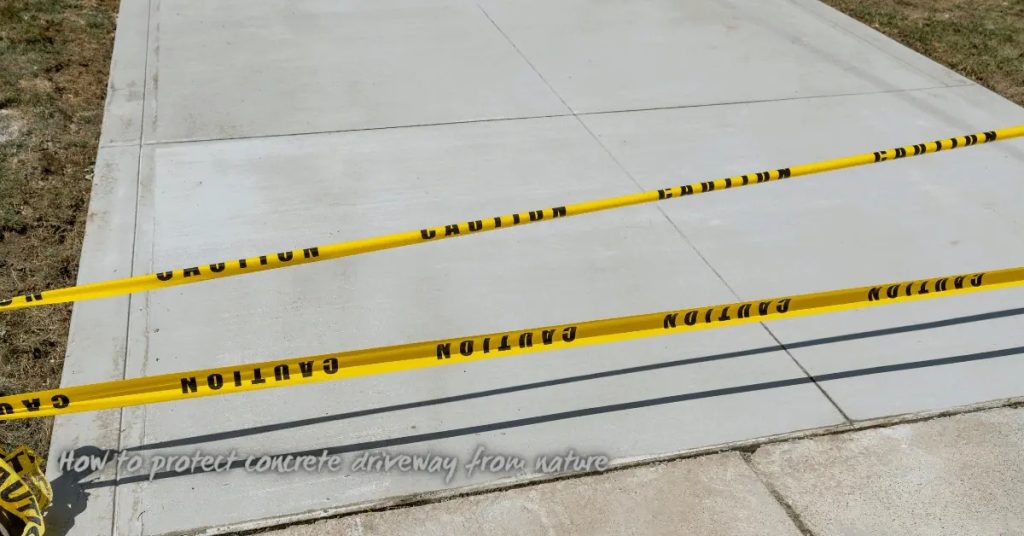
Fresh concrete driveway section with yellow caution tape

How to Create a Two-Tone Concrete Border: Tape Lines, Saw Cuts, and Sealing Strategy

Introduction Creating a two-tone concrete border means masking and finishing a clean edge so two different surface colors or textures sit next to each other without bleeding. Start by preparing the concrete—clean, repair cracks, and make sure the surface is dry and compatible with whatever coloring method you plan to use. Pick tape made for […]

How to Create a Two-Tone Concrete Border: Tape Lines, Saw Cuts, and Sealing Strategy Read More »

Rows of concrete blocks drying on racks in indoor environment

Concrete Patching in Thin Layers: Polymer Mods, Lift Limits, and Curing Between Coats

Introduction Concrete patching in thin layers means repairing shallow spalls or surface defects with a polymer‑modified patch material applied in successive thin lifts until the surface is rebuilt. This approach uses a blend of cement and polymer to improve bond and flexibility, but check the product label and manufacturer instructions for mix details, maximum lift

Concrete Patching in Thin Layers: Polymer Mods, Lift Limits, and Curing Between Coats Read More »

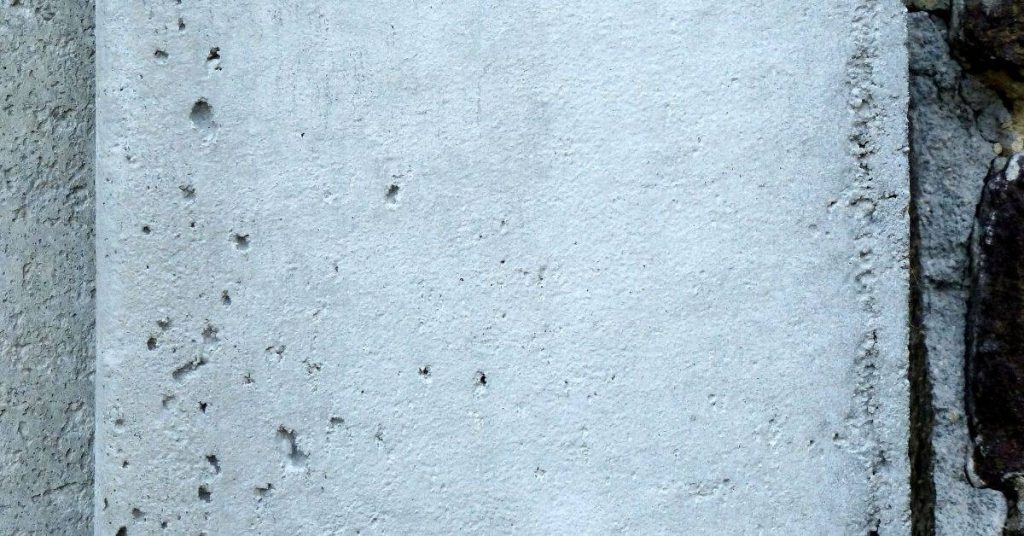
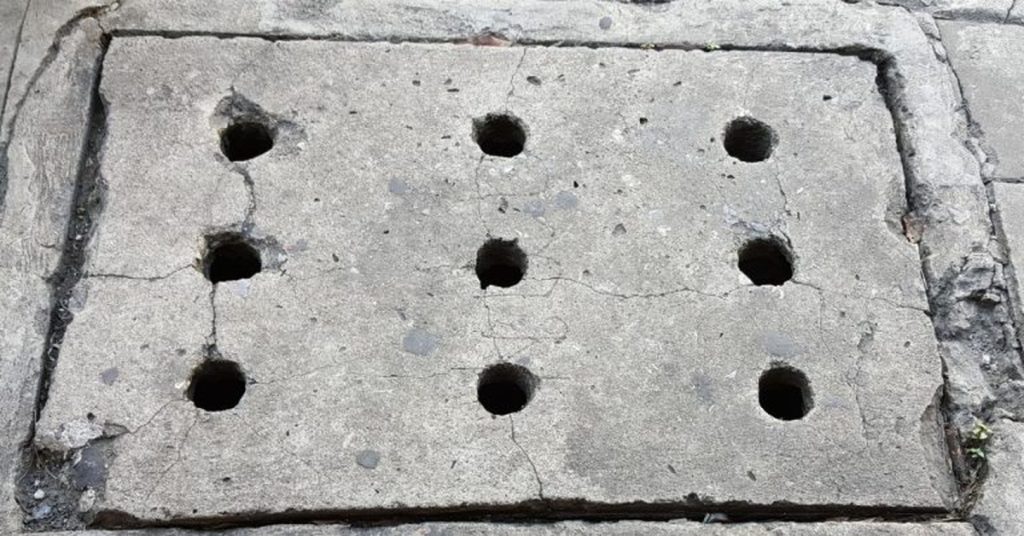
Concrete wall surface with multiple small holes and rough texture

Form Tie Holes on Concrete Walls: Clean Fill Techniques That Don’t Halo After Sealing

Introduction Form tie holes on concrete walls are the small openings left where form ties passed through the forms, and cleaning and filling them correctly prevents staining and “halos” after you seal the wall. For a DIYer that means choosing a compatible fill material, preparing the hole and surrounding concrete, and using application techniques that

Form Tie Holes on Concrete Walls: Clean Fill Techniques That Don’t Halo After Sealing Read More »

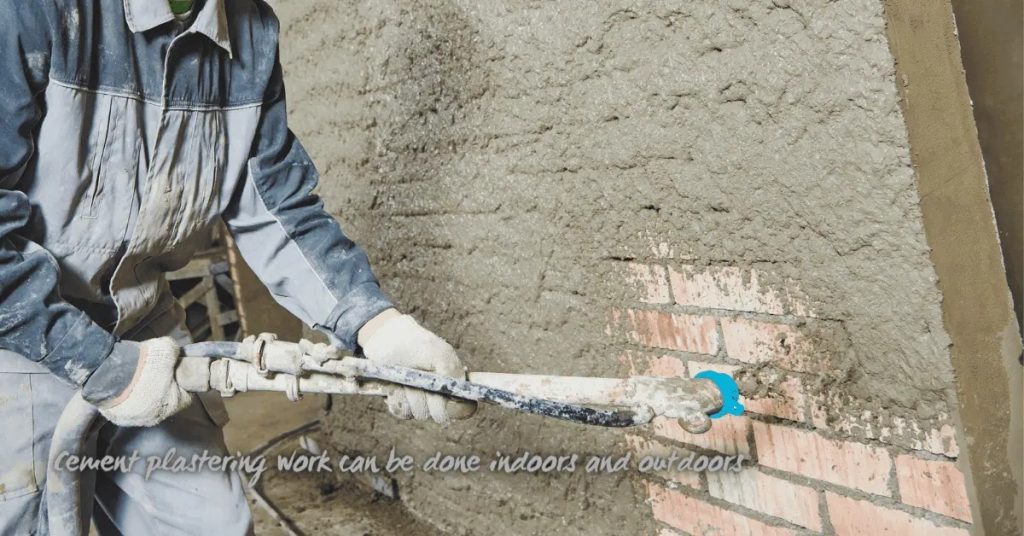
Worker spraying cement plaster on brick wall indoors

Bonding Old to New Concrete at Vertical Faces: Keys, Dowels, and Epoxy vs Cement Slurry

Introduction Bonding old to new concrete at a vertical face means creating a mechanical and/or adhesive connection so the new pour acts like part of the same structure. That usually comes down to creating keys or dowels for mechanical interlock and choosing an appropriate bonding agent—epoxy or cement slurry—based on strength needs and manufacturer instructions.

Bonding Old to New Concrete at Vertical Faces: Keys, Dowels, and Epoxy vs Cement Slurry Read More »

cutting concrete board with small knife and yellow level

Concrete Joint Layout Around Columns and Corners: Cutting Random Cracks Off at the Pass

Introduction Concrete joint layout around columns and corners is the planned pattern of control joints and cuts that guide where concrete cracks, keeping them neat and out of the way of structural elements. In plain jobsite terms, it means thinking through where joints go before you pour so columns and corners aren’t left with random,

Concrete Joint Layout Around Columns and Corners: Cutting Random Cracks Off at the Pass Read More »

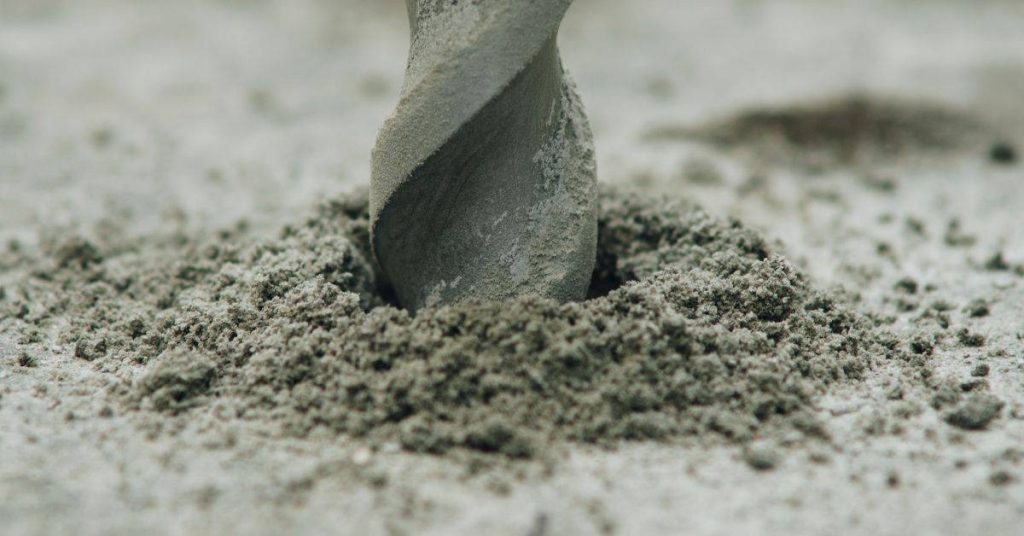
Close up of drill bit penetrating concrete surface with dust

How to Score and Snap Small Concrete Pavers Safely: Tools, Dust Control, and Break Lines

Introduction Scoring and snapping small concrete pavers means making a shallow cut along a planned break line and then applying controlled force to split the piece along that groove. This is a hands-on DIY method for straight, small cuts without a wet saw when pavers are brittle enough to break cleanly. Before you start, check

How to Score and Snap Small Concrete Pavers Safely: Tools, Dust Control, and Break Lines Read More »

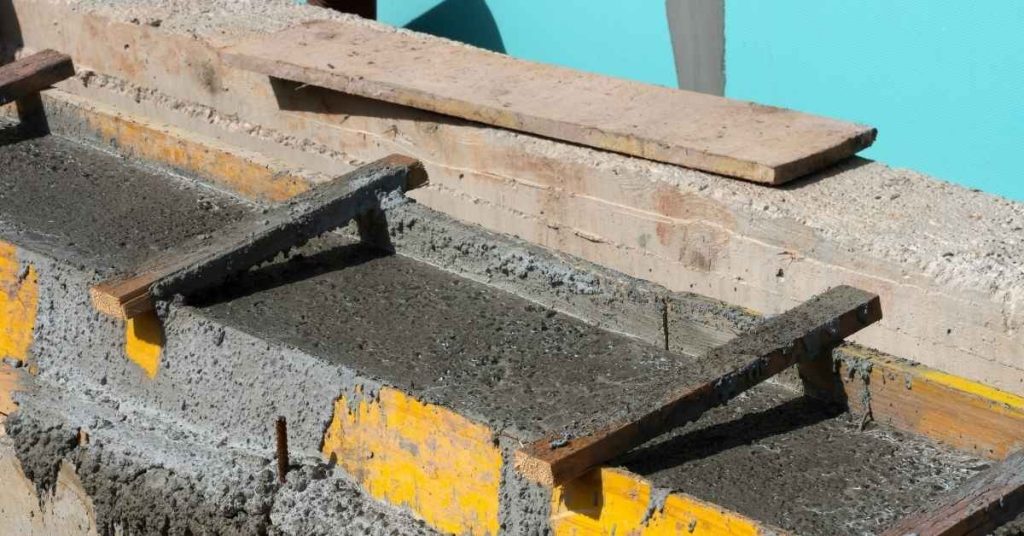
Fresh concrete pour in wooden formwork on vertical surface

Concrete Honeycomb Repair on Vertical Surfaces: Dry-Pack vs Form-and-Pour Decision Guide

Introduction Dry-pack and form-and-pour are two ways to repair honeycomb on vertical concrete surfaces. This guide helps you choose based on the damage, access, and field conditions you’ll face on site. Think of it as a practical decision, not a textbook rulebook. Dry-pack repairs are quick and grab the wall with minimal equipment, but they

Concrete Honeycomb Repair on Vertical Surfaces: Dry-Pack vs Form-and-Pour Decision Guide Read More »

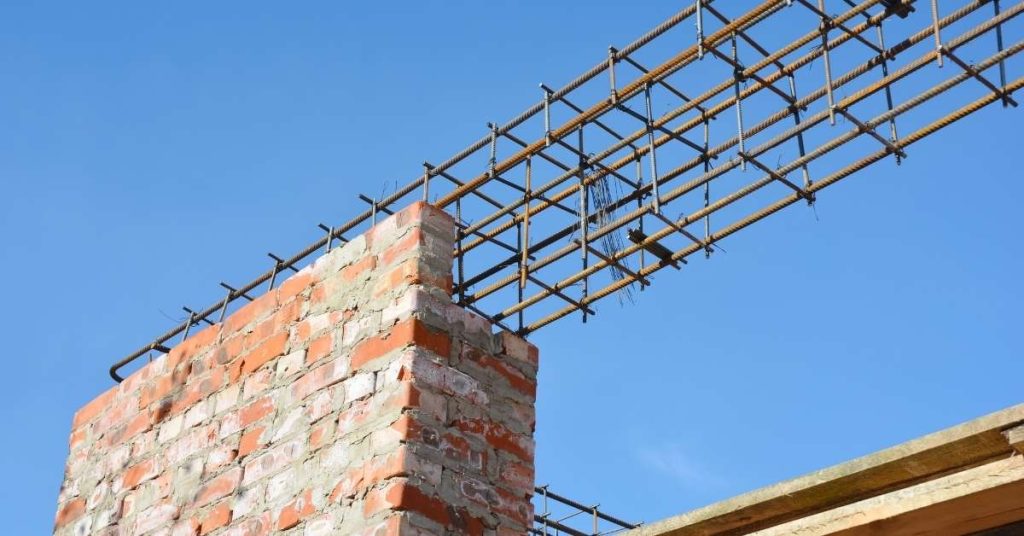
Brick wall with exposed rebar frame against blue sky

Repairing Settlement Cracks Along a Garage Stem Wall: Drainage Checks and Patch Strategy

Introduction Repairing settlement cracks along a garage stem wall means checking why water is pooling, fixing drainage, and then sealing and patching the cracks so the wall stops moving and water stops getting in. Start by looking for low spots, clogged drains, downspouts that dump by the foundation, and any gaps at the slab-wall joint,

Repairing Settlement Cracks Along a Garage Stem Wall: Drainage Checks and Patch Strategy Read More »

Red concrete formwork braces with yellow safety railing

Concrete Step Risers: Setting Consistent Heights and Avoiding Trip Hazards

Introduction Concrete step risers are the vertical faces of stairs and they need to be consistent from top to bottom to keep steps safe and comfortable. On a DIY job that means measuring, forming, and checking each riser before you cast, and if a specific height matters for code or accessibility, check local rules or

Concrete Step Risers: Setting Consistent Heights and Avoiding Trip Hazards Read More »