Concrete

Concrete is where I keep my step-by-step guides for planning, pouring, and finishing concrete projects.

Topics include base prep, forms, reinforcement, thickness, mixing and placing, finishing, curing, sealing, and long-term durability. I also cover troubleshooting—what to do when concrete cracks, scales, dusts, or cures unevenly.

If you’re new to concrete, start with the planning and prep articles. They prevent most of the expensive mistakes.

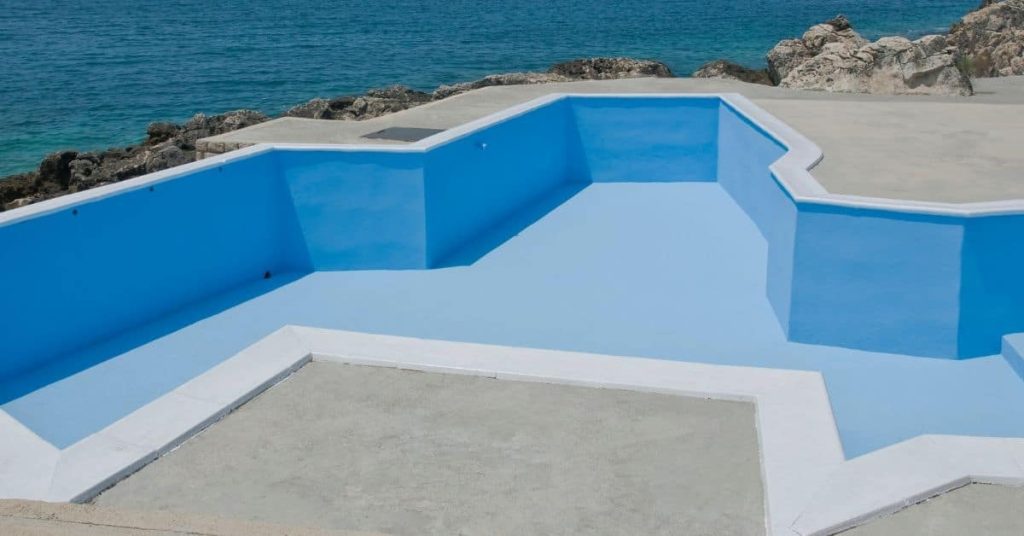
Empty painted concrete pool shell by the sea

How to Reduce Concrete Permeability: Mix Design vs Sealers (What Holds Up Longer)

Introduction Mix design and sealers are two ways to curb concrete permeability. For DIY projects, focus on practical changes that you can control in the mix and on the surface, rather than quick fixes. Check product labels and manufacturer guidelines for any admixtures and mixing instructions. Sealants can protect the surface after it cures, but […]

How to Reduce Concrete Permeability: Mix Design vs Sealers (What Holds Up Longer) Read More »

Black freestanding bathtub on dark floor with stool and plant

Concrete Permeability: What It Means and a Simple Water Test You Can Do

Introduction Concrete permeability is how easily water and other liquids move through the concrete. In plain terms, a more permeable mix can soak up moisture and salts, which affects durability and winter performance. This article explains a simple water test you can do at home to get a feel for permeability. The test is a

Concrete Permeability: What It Means and a Simple Water Test You Can Do Read More »

Close-up of thin crack on white stucco wall surface

Modulus of Rupture vs Compressive Strength: What Matters for Thin Overlays

Introduction MOR, or modulus of rupture, is a measure of how much bending a material can withstand before cracking. Compressive strength is how much load a material can bear when squeezed. For thin overlays, MOR often matters for crack resistance under bending, while compressive strength relates to overall crush resistance. Testing MOR usually involves bending

Modulus of Rupture vs Compressive Strength: What Matters for Thin Overlays Read More »

Empty concrete parking garage with support columns and painted lines

Concrete Creep: Why Countertops and Shelves Sag Over Time (and How to Prevent It)

Introduction Concrete creep is the slow, ongoing deformation that happens in hardened concrete under sustained load. It means the material slowly changes shape over time as it bears weight from countertops and shelves. In plain terms, the longer something sits on concrete, the more it can sag or shift a little bit. Common causes include

Concrete Creep: Why Countertops and Shelves Sag Over Time (and How to Prevent It) Read More »

Four concrete test slabs with handwritten measurements on top

Sorptivity Explained: A Simple DIY Absorption Test and What the Results Mean

Introduction Sorptivity is a measure of how quickly a porous material absorbs water through capillary action. In this DIY intro, we’ll keep the test simple and describe what you can observe on a small patch of concrete or plaster. The goal is to get a practical sense of absorption behavior without high-tech gear. Results help

Sorptivity Explained: A Simple DIY Absorption Test and What the Results Mean Read More »

Magnified view of radon symbol over cracked concrete wall.

Radon Fan Placement Basics: Best Locations, Vent Routing, and Common DIY Mistakes

Introduction Radon fan placement is choosing where to install the fan so it can move soil gas from beneath the slab to the outdoors. Pick a location that is accessible for maintenance and close enough to the intake so air can be drawn through the system. Always follow the manufacturer’s instructions and local rules when

Radon Fan Placement Basics: Best Locations, Vent Routing, and Common DIY Mistakes Read More »

drill bit making hole in concrete slab outdoors

Radon Rough-In Under a Slab: Pipe Routing, Sealing, and Must-Have Details

Introduction Radon rough-in under a slab is routing and sealing a pipe under a concrete floor to vent soil gas safely. Do this with plain instructions: plan the path, verify access, and seal joints to limit leaks, while following local rules and manufacturer notes. Before you start, check local rules and follow any recommended testing

Radon Rough-In Under a Slab: Pipe Routing, Sealing, and Must-Have Details Read More »

Blue swimming pool water next to exposed aggregate concrete edge

Capillary Break Under Slabs: Materials, Foam-Glass Options, and Edge Details That Work

Introduction A capillary break under slabs is a layer or treatment that stops water from wicking from the soil into the concrete. In plain terms, it keeps moisture away from the slab to prevent dampness and cracking. Choose a method and materials that fit your climate and slab design. Foam-glass options can be used as

Capillary Break Under Slabs: Materials, Foam-Glass Options, and Edge Details That Work Read More »

polished concrete floor in industrial style living room

Cellular Concrete vs Gravel Fill for Basement Floors: Cost, Performance, and Moisture Behavior

Introduction Cellular concrete is a lightweight foamed concrete option, while gravel fill is compacted crushed stone. This article compares them in terms of cost, moisture behavior, and performance for a DIY basement floor. Keep in mind that installation methods vary widely depending on local rules and material specifications. Costs depend on material and labor, and

Cellular Concrete vs Gravel Fill for Basement Floors: Cost, Performance, and Moisture Behavior Read More »

Workers pouring wet concrete into a wooden frame outdoors

Cellular Concrete Uses: Trench Backfill and Under-Slab Fill (Pros, Cons, DIY Limits)

Introduction Cellular concrete is a lightweight concrete mix used for trench backfill and under-slab fill. It is also known as foamed or aerated concrete, and it’s discussed as a DIY-friendly option with attention to local rules and product instructions. It’s not a substitute for every job, so check what your project requires first and follow

Cellular Concrete Uses: Trench Backfill and Under-Slab Fill (Pros, Cons, DIY Limits) Read More »