Concrete

Concrete is where I keep my step-by-step guides for planning, pouring, and finishing concrete projects.

Topics include base prep, forms, reinforcement, thickness, mixing and placing, finishing, curing, sealing, and long-term durability. I also cover troubleshooting—what to do when concrete cracks, scales, dusts, or cures unevenly.

If you’re new to concrete, start with the planning and prep articles. They prevent most of the expensive mistakes.

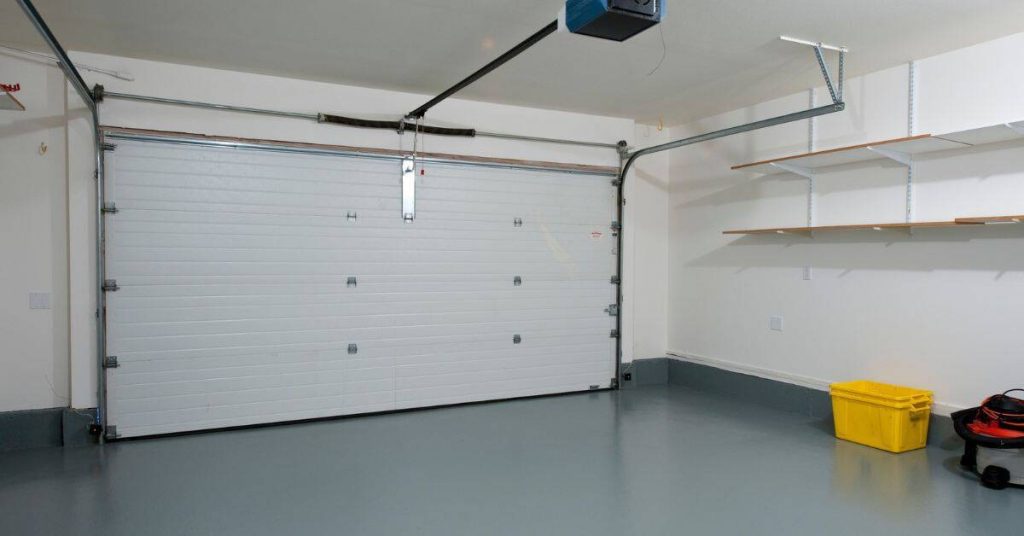
Clean painted concrete garage floor with shelves and yellow bin

Lithium Densifier on Garage Floors: Coverage, Burnishing, and Common Mistakes

Introduction A lithium densifier is a chemical treatment that reacts with concrete to harden the surface. It helps garage floors become more wear resistant and dustproof when applied correctly. Clean, dry surfaces and following the product instructions are essential for best results. Coverage depends on floor porosity and the product label, so check the manufacturer’s […]

Lithium Densifier on Garage Floors: Coverage, Burnishing, and Common Mistakes Read More »
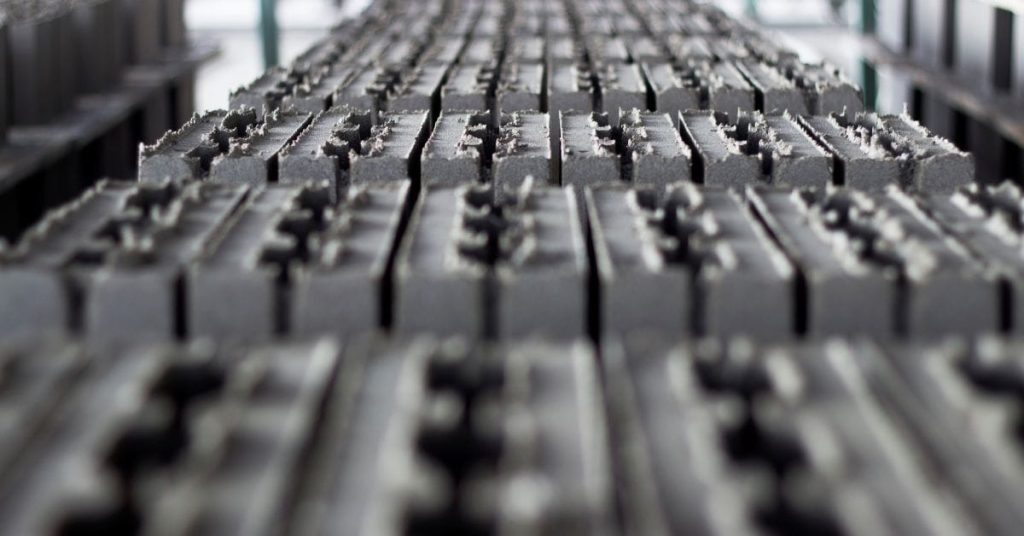
Rows of gray concrete blocks arranged in curing racks

Curing Concrete with Plastic: How to Avoid Discoloration, Wrinkles, and Soft Spots

Introduction Using plastic to cure concrete means covering fresh concrete with plastic to trap moisture and heat and guide a smooth finish. This helps limit discoloration, wrinkling, and soft spots by slowing evaporation. Check local rules and product labels for what type of plastic and how to secure it. Choose a clean plastic sheeting that

Curing Concrete with Plastic: How to Avoid Discoloration, Wrinkles, and Soft Spots Read More »

Freshly poured smooth concrete floor indoors

DIY Concrete Vibration: Internal vs External, How Long to Vibrate, and What Not to Do

Introduction Concrete vibration is the process of removing air pockets and consolidating fresh concrete to improve strength and finish. It helps achieve a dense, smooth slab when working with concrete. This piece compares internal and external methods and what you should know for a DIY job. Internal vibration uses a probe that goes into the

DIY Concrete Vibration: Internal vs External, How Long to Vibrate, and What Not to Do Read More »

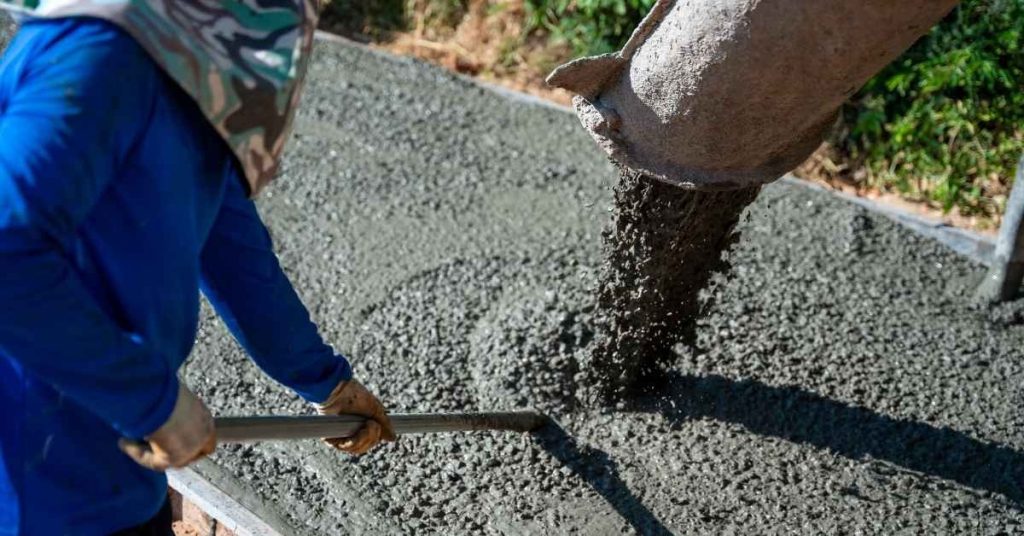
Worker spreading wet concrete from chute with shovel

Adding Gravel to Bagged Concrete: Correct Ratios and Compaction Tips

Introduction Adding gravel to bagged concrete is blending an appropriate amount of aggregate with a pre-mixed concrete product to improve stability and workability. Check the bag or manufacturer instructions for the recommended ratio and how the aggregate should be added. The aim is a consistent mix with fewer voids and a solid, workable set without

Adding Gravel to Bagged Concrete: Correct Ratios and Compaction Tips Read More »

Empty concrete parking garage with white support beams

Adding Sand to Bagged Concrete: When It Helps and When It Weakens the Mix

Introduction Adding sand to bagged concrete can change how it flows and how strong it ends up. The right amount improves workability, but too much can weaken the mix. Always test a small batch and follow the product directions. Sand addition often increases the volume of the mix, which can affect formwork and curing time.

Adding Sand to Bagged Concrete: When It Helps and When It Weakens the Mix Read More »

Open metal gate with stone pillars and green landscape

How to Store Bagged Concrete: Moisture Damage, Shelf Life, and Best Practices

Introduction Storing bagged concrete means keeping the bags dry, off the ground, and protected so the mix remains usable when you need it. Moisture damage is the big risk, since humidity or leaks can turn dry premixed concrete clumps or weaken the mix. Check the bag labels and manufacturer instructions for any shelf life guidance,

How to Store Bagged Concrete: Moisture Damage, Shelf Life, and Best Practices Read More »

Close-up of galvanized steel rebar bundles tied with metal wires

Galvanized Rebar: Pros, Cons, and Compatibility with Repair Mortars

Introduction Galvanized rebar is steel reinforcing bar coated with zinc to resist rust. In DIY projects, that coating matters for longevity in moist concrete, but you still need to follow local rules and manufacturer guidance. When you’re tying it into repair work, consider how the galvanized surface will interact with repair mortars and what to

Galvanized Rebar: Pros, Cons, and Compatibility with Repair Mortars Read More »

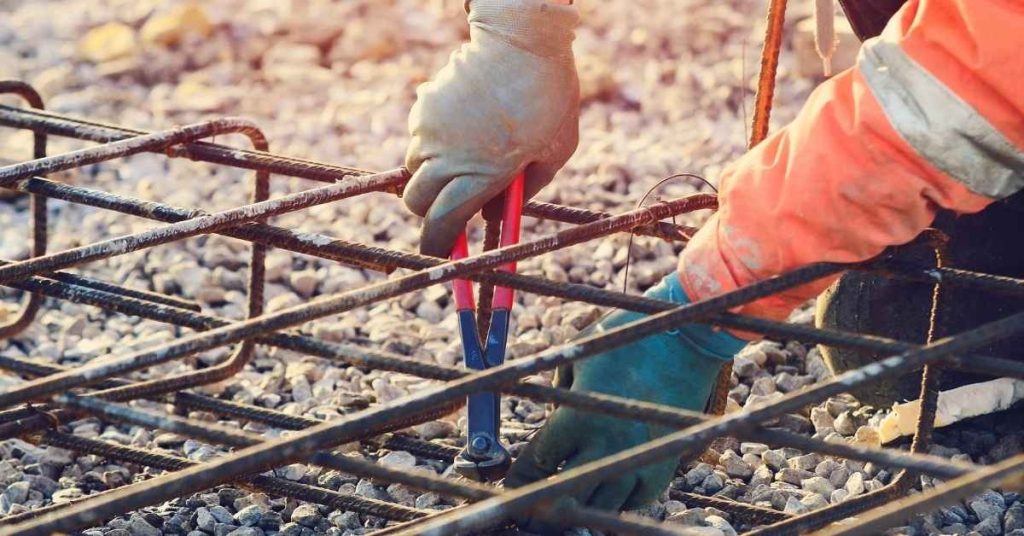
Worker tying rebar with pliers on gravel base

Epoxy-Coated Rebar: When It Helps—and When It Hurts Bond

Introduction Epoxy-coated rebar is steel reinforcing bar coated with epoxy to resist moisture and corrosion. It’s used in concrete projects where moisture or soil contact is expected. Think of it as a protective shell for rebar in harsher environments. Transport and handling can be different from galvanized bars, so plan how you load, carry, and

Epoxy-Coated Rebar: When It Helps—and When It Hurts Bond Read More »