Concrete

Concrete is where I keep my step-by-step guides for planning, pouring, and finishing concrete projects.

Topics include base prep, forms, reinforcement, thickness, mixing and placing, finishing, curing, sealing, and long-term durability. I also cover troubleshooting—what to do when concrete cracks, scales, dusts, or cures unevenly.

If you’re new to concrete, start with the planning and prep articles. They prevent most of the expensive mistakes.

Stamped concrete patio surface with textured pattern

Concrete Curing Indoors: Moisture control without mold or mess

Introduction Concrete curing indoors means managing excess moisture so the mix dries evenly and won’t trap water that causes problems. Moisture comes from rain, groundwater, and interior activities, and your curing plan should keep the surface and near-surface air balanced. Keep the space accessible for air, avoid sealing off all drying paths, and use safe […]

Concrete Curing Indoors: Moisture control without mold or mess Read More »
Concrete being poured from chute onto prepared slab area

Concrete Against Existing Slabs: How to pour next to old concrete without cracks

Introduction Pouring new concrete next to an existing slab requires careful planning to prevent cracks. You’ll need a clean joint, proper isolation, and a compatible mix to control movement. Inspect the existing slab for movement, moisture, or coating and plan the joint and bonding approach accordingly. Always verify with the product label, manufacturer instructions, or

Concrete Against Existing Slabs: How to pour next to old concrete without cracks Read More »

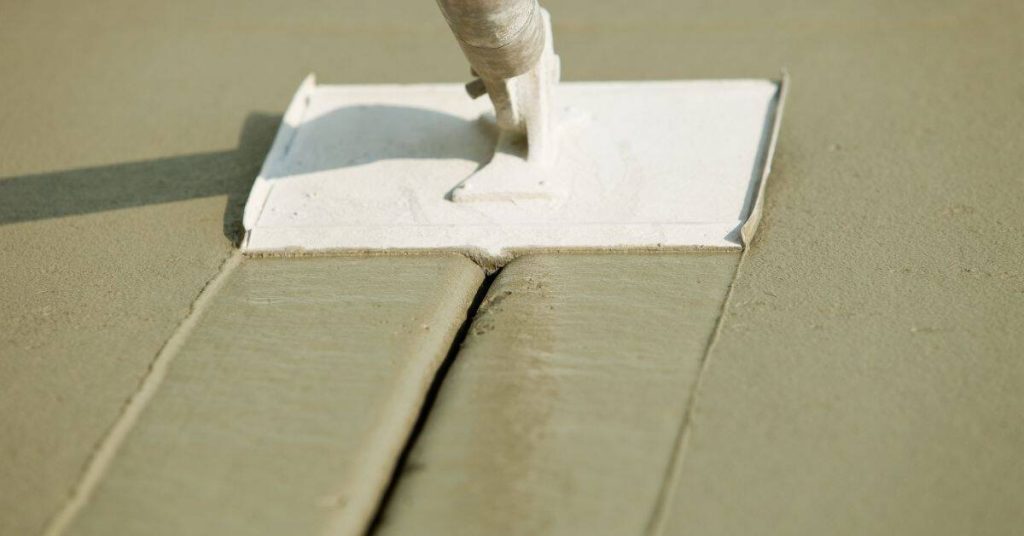
Tool smoothing fresh concrete expansion joint surface

Concrete Joint Sealant Depth: Backer rod sizing and tooling that stops peel-back

Introduction Backer rod sizing and proper tooling determine how deep the sealant sits and how well it resists peel-back. For DIY projects, match the rod to the joint width and choose tools that help you shape and cut the sealant cleanly. Check the joint surfaces and the manufacturer’s instructions for any minimums or recommendations. Weather

Concrete Joint Sealant Depth: Backer rod sizing and tooling that stops peel-back Read More »

Person spraying liquid on sealed concrete patio outdoors

Slip Resistance on Sealed Concrete: Safer traction without ruining the look

Introduction Slip resistance on sealed concrete means how much traction you get from a sealed surface to help prevent slips. Sealers are especially important around pool areas where water, soap, and wet feet are common. They also help prevent water damage and wear by sealing the pores, but you still need the right sealer for

Slip Resistance on Sealed Concrete: Safer traction without ruining the look Read More »

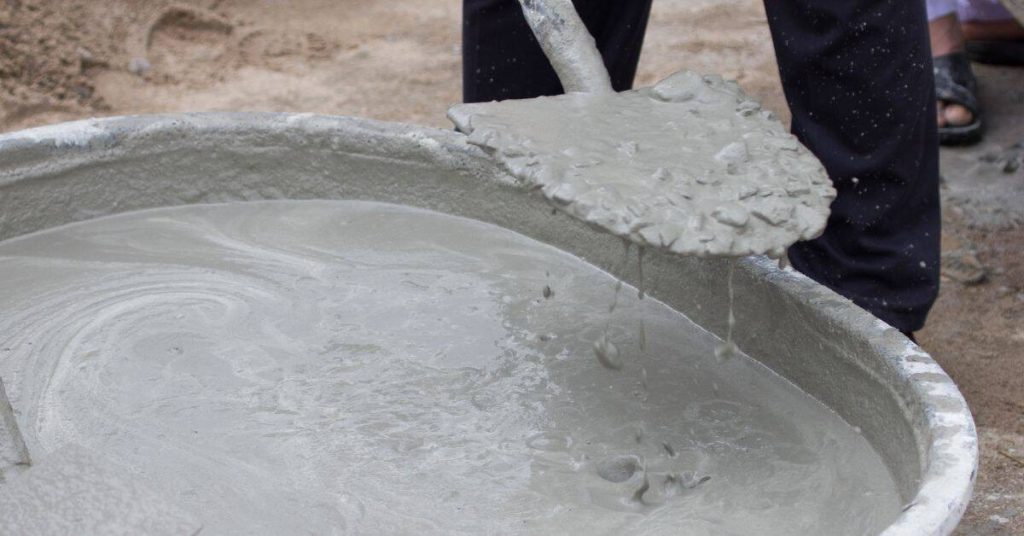
Wet concrete being mixed in a large basin with a shovel

Concrete Pigment Streaks: Mixing order and water control to prevent banding

Introduction Pigment streaks in concrete happen when mixing order and water balance create color bands. This article explains how to mix pigments with cement and manage water so the color stays even. Keep in mind proper timing and consistency as you work. Start by blending pigment powder with a small portion of dry mix before

Concrete Pigment Streaks: Mixing order and water control to prevent banding Read More »

Polished concrete floor with ocean view through large glass door

Concrete That Looks Patchy When Wet: Diagnosing porosity and finishing issues

Introduction Patching that looks patchy when wet means the surface is showing uneven water absorption due to porosity and finishing issues. It often happens when the concrete has inconsistent density or when the finish was applied without addressing bleed water and surface moisture. For DIYers, it’s a hands‑on check of how the surface feels, looks,

Concrete That Looks Patchy When Wet: Diagnosing porosity and finishing issues Read More »

Concrete slab being smoothed with a long-handled float

Concrete Tool Cleanup: Keeping floats flat, trowels smooth, and handles solid

Introduction Concrete tool cleanup means removing concrete residue and debris from floats, trowels, and handles so they stay flat and true. Do it soon after use while the slab is still workable, and focus on each tool as you walk off the job. This keeps your finishes consistent and your gear ready for the next

Concrete Tool Cleanup: Keeping floats flat, trowels smooth, and handles solid Read More »

Concrete test cube being compressed by testing machine

Concrete Moisture Problems Indoors: Why coatings fail and what to test first

Introduction Concrete moisture problems indoors occur when water moves through or sits in the slab, which can undermine coatings and sealers. This movement changes how the surface behaves and can cause failure even after installation. Start by understanding where the moisture is coming from and how the slab dries over time. First, visually inspect for

Concrete Moisture Problems Indoors: Why coatings fail and what to test first Read More »