Concrete

Concrete is where I keep my step-by-step guides for planning, pouring, and finishing concrete projects.

Topics include base prep, forms, reinforcement, thickness, mixing and placing, finishing, curing, sealing, and long-term durability. I also cover troubleshooting—what to do when concrete cracks, scales, dusts, or cures unevenly.

If you’re new to concrete, start with the planning and prep articles. They prevent most of the expensive mistakes.

Empty room with polished concrete floor and large windows

Superplasticizer for Small Batches: Getting flow without adding water or causing separation

Introduction A superplasticizer for small batches is a concrete additive that helps it flow without adding extra water. Use it to reduce water content while maintaining workability, but check the label for batch size and separation warnings. Always follow the manufacturer’s instructions and local rules for mixing, curing, and safety. There are different types of […]

Superplasticizer for Small Batches: Getting flow without adding water or causing separation Read More »

Empty room with polished concrete floor and large windows

Concrete Patch Lines: Blending repairs so they don’t scream ‘patch’

Introduction Concrete patch lines are blended repairs that look like part of the surrounding slab rather than obvious patches. The goal is a seamless join that doesn’t stand out when people walk on or near it. You’ll use careful technique and matching materials to hide the repair. Focus on patch techniques that blend edges with

Concrete Patch Lines: Blending repairs so they don’t scream ‘patch’ Read More »

porch with painted concrete floor and white railing

Concrete Countertop Sealing: Durable, low-maintenance options that won’t haze

Introduction Sealing concrete countertops means applying a coating or treatment to protect the surface from stains and wear. A good seal helps wipe up spills, keeps the look cleaner, and reduces daily maintenance. There are different approaches, and you’ll want to choose based on how you use the counter and what you can tolerate in

Concrete Countertop Sealing: Durable, low-maintenance options that won’t haze Read More »

Black metal fence with gold decorative spikes close-up

Concrete Fibers Explained: Microfiber vs macrofiber and what each actually does

Introduction Concrete fibers are tiny reinforcing additives added to concrete to improve crack resistance and durability. Microfibers are very fine fibers that help control tiny cracks and plastic shrinkage, while macrofibers are larger and designed to increase toughness and impact resistance. In DIY terms, you’ll notice better handling and fewer tiny cracks, but you still

Concrete Fibers Explained: Microfiber vs macrofiber and what each actually does Read More »

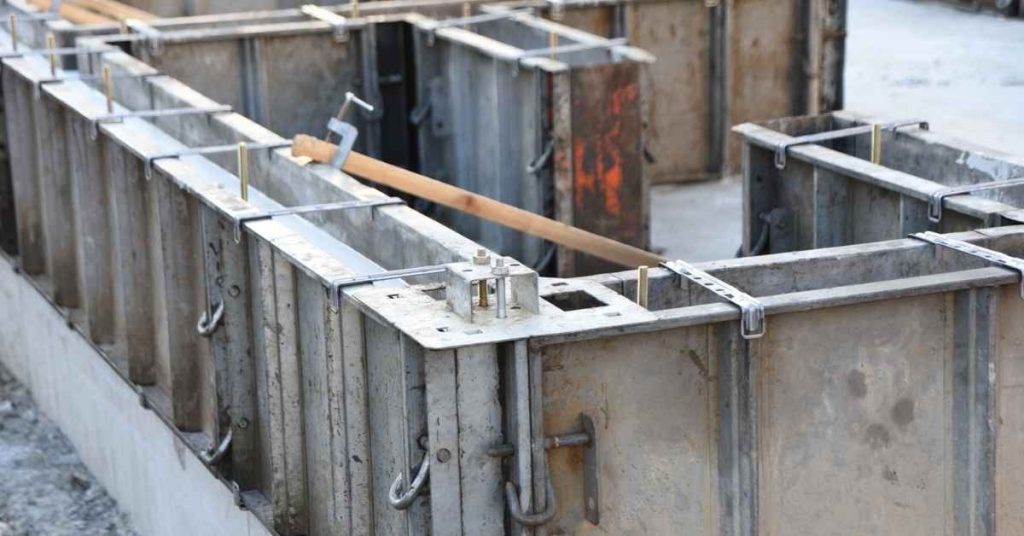
Metal concrete formwork arranged to shape a corner

Concrete That Cracks at Re-Entrant Corners: Layout tricks to reduce stress cracks

Introduction Re-entrant corners are sharp, inward-facing corners in a concrete layout where cracks tend to start. This article covers simple layout tricks to reduce those stress cracks during pouring and finishing. You’ll learn practical ideas you can apply on a DIY project without fancy tools. Using radiused corners and properly placed joint lines helps lower

Concrete That Cracks at Re-Entrant Corners: Layout tricks to reduce stress cracks Read More »

Concrete slab being smoothed with a long-handled float

Concrete Pinholes After Grinding: Filling pores without losing texture

Introduction Pinholes after grinding are tiny surface pores left in the concrete after smoothing. They can show up after grinding and may affect texture if not filled. This article explains a practical way to fill them while keeping the surface feel intact. You’ll need simple fillers and a bit of patience, and always check product

Concrete Pinholes After Grinding: Filling pores without losing texture Read More »

Concrete stairs with a smooth ramp in the middle

Fixing a Concrete Patch That Won’t Take Stain: Porosity matching and blending

Introduction Porosity matching and blending means adjusting a concrete patch so it accepts stain like the surrounding concrete and hides the edges. Start with a clean, dry surface and test a small area to see how the stain looks. If the patch seems off, adjust the patch mix with a compatible additive or bonding agent

Fixing a Concrete Patch That Won’t Take Stain: Porosity matching and blending Read More »

weathered wooden fence post with barbed wire and surrounding grass

Concrete Against Wood Posts: Building a drainage gap that prevents rot

Introduction A drainage gap between concrete and wooden posts keeps water away and slows rot. This article shows a practical, hands-on approach to creating that gap so lumber stays dry. You’ll learn simple steps, material considerations, and what to check on site. Choose a method that creates a visible, unobstructed gap under the post. Check

Concrete Against Wood Posts: Building a drainage gap that prevents rot Read More »

White concrete mixer truck at a construction site

Water Reducer vs Extra Water: How to improve workability without weakening concrete

Introduction Water reducers are additives that improve workability without adding extra water. They help concrete flow and finish smoother, so you can spread and trowel more easily while keeping the mix consistent. Check the product label and manufacturer guidance to use them safely on your project. Adding extra water can make work easier in the

Water Reducer vs Extra Water: How to improve workability without weakening concrete Read More »