Concrete

Concrete is where I keep my step-by-step guides for planning, pouring, and finishing concrete projects.

Topics include base prep, forms, reinforcement, thickness, mixing and placing, finishing, curing, sealing, and long-term durability. I also cover troubleshooting—what to do when concrete cracks, scales, dusts, or cures unevenly.

If you’re new to concrete, start with the planning and prep articles. They prevent most of the expensive mistakes.

Cut cement board pieces with green cutting tool and yellow level

CSA Cement Repairs: Fast-Set Patches That Don’t Turn to Dust

Introduction CSA cement repairs are fast-setting patches that stay solid rather than crumbling. This guide shows you how to apply them on small cracks, chips, and damaged edges without turning the project into a mess. You’ll get a workable patch quickly and keep the surface ready for use. Check product labels and follow manufacturer instructions […]

CSA Cement Repairs: Fast-Set Patches That Don’t Turn to Dust Read More »
Spiral drill bit penetrating concrete surface with dust

Magnesium Phosphate Concrete Repair: Best Uses, Limits, and Failure Modes

Introduction Magnesium phosphate concrete repair is the use of magnesium phosphate cement to fix or patch concrete joints and damaged areas. It is presented here as a practical option for small repairs and fast-setting projects. In this guide you’ll also see notes about who contributed to the writing and a publisher’s note to set the

Magnesium Phosphate Concrete Repair: Best Uses, Limits, and Failure Modes Read More »

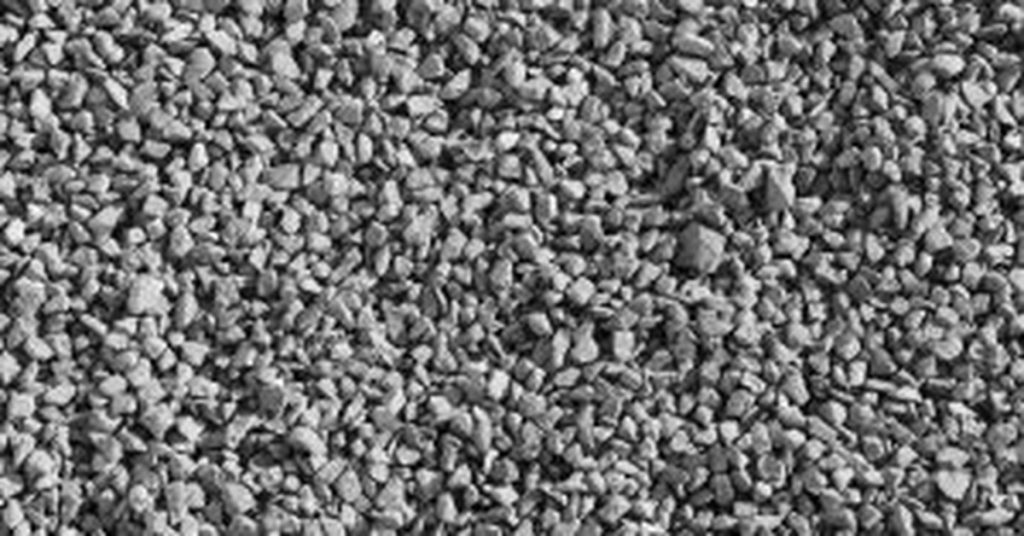
Close-up of small gravel aggregate stones

UHPC for Small Projects: When It’s Worth It and How to Mix It Safely

Introduction UHPC for small projects is a high-performance concrete mix designed for limited-volume jobs where strength and durability matter. This introduction explains, in plain terms, when it makes sense to choose UHPC and how to start mixing it safely for a DIY setup. It’s about weighing benefits against preparation, tooling, and costs. When mixing UHPC

UHPC for Small Projects: When It’s Worth It and How to Mix It Safely Read More »

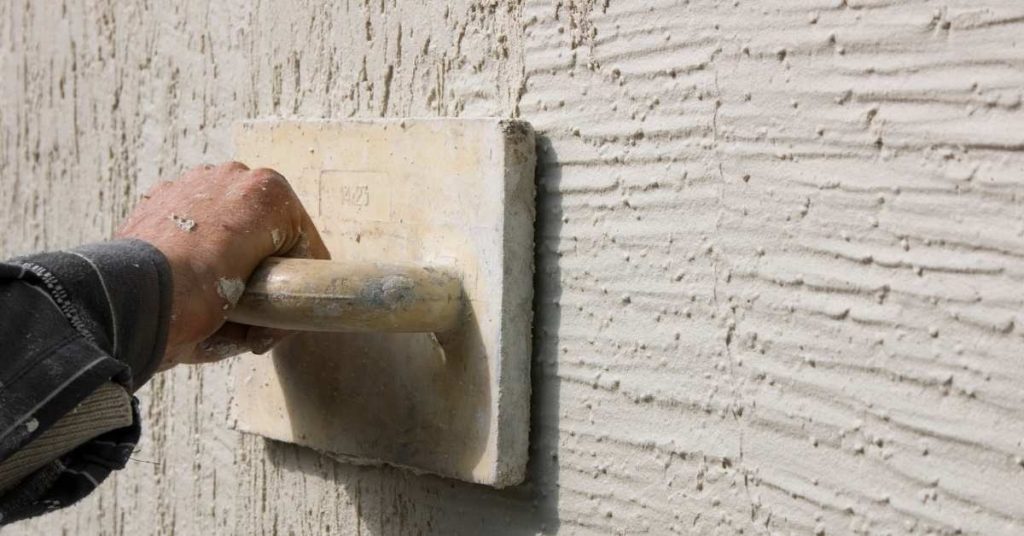
Hand smoothing textured stucco wall with float

GFRC Countertops: Face Coat vs Backer Coat (and How to Avoid Pinholes)

Introduction GFRC countertops use a thin face coat over a cement-rich backer to give the look of stone while keeping strength and cost in check. The face coat forms the visible surface and texture, while the backer provides depth and rigidity. In DIY practice, you’ll mix, pour, and cure them in layers, paying attention to

GFRC Countertops: Face Coat vs Backer Coat (and How to Avoid Pinholes) Read More »

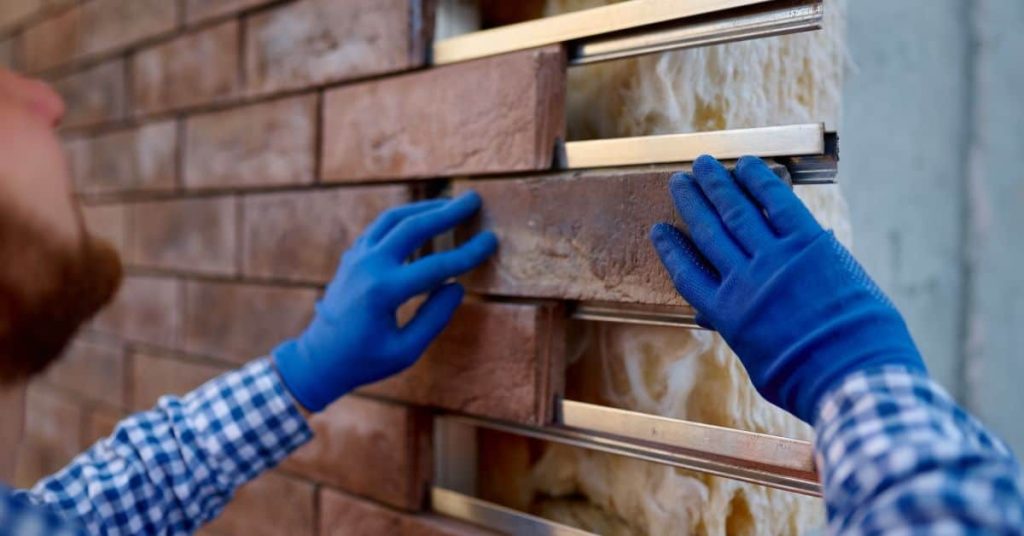
Person installing faux brick GFRC panels with blue gloves

GFRC Panels for DIY Projects: Mix Basics, Fiber Dosage, and Common Failures

Introduction GFRC panels are lightweight, fiber-reinforced cement panels that you can cast for DIY projects. They mix cement, fine aggregates, water, plus short glass fibers to add strength. Proper mixing and curing matter to avoid cracks. Getting the mix right means watching the ratio of cement to aggregate and ensuring the fiber dosage is even.

GFRC Panels for DIY Projects: Mix Basics, Fiber Dosage, and Common Failures Read More »

Concrete stairs with a smooth central ramp

Concrete Maturity Method for DIY Pours: Estimate Strength by Tracking Temperature

Introduction The concrete maturity method is a practical way to estimate concrete strength by tracking temperature over time. In DIY pours, you monitor concrete temperature as it cures and use that data to infer when it reaches sufficient strength. Always follow product labels and local rules, and understand that this method is a guide, not

Concrete Maturity Method for DIY Pours: Estimate Strength by Tracking Temperature Read More »

Red concrete formwork braces supporting structure

Concrete That Turns Dark When Wet: Diagnosing porosity and finishing issues

Introduction Concrete that turns dark when wet indicates moisture affecting the surface, usually tied to porosity and finishing issues. In plain DIY terms, that color change is your cue that water is soaking in or being held near the finish. It’s a practical clue to start diagnosing what went wrong during pour, finishing, or sealing.

Concrete That Turns Dark When Wet: Diagnosing porosity and finishing issues Read More »

Rough concrete wall with horizontal wood grain texture

Lime Leaching on Concrete Features: Why it happens and how to reduce it

Introduction Lime leaching on concrete features is the migration of lime compounds to the surface, leaving white deposits. This happens when water moves through the concrete and dissolves soluble lime, then brings it up as it evaporates. For DIY work, you can slow it by careful curing, avoiding long wet periods, and following manufacturer guidance

Lime Leaching on Concrete Features: Why it happens and how to reduce it Read More »

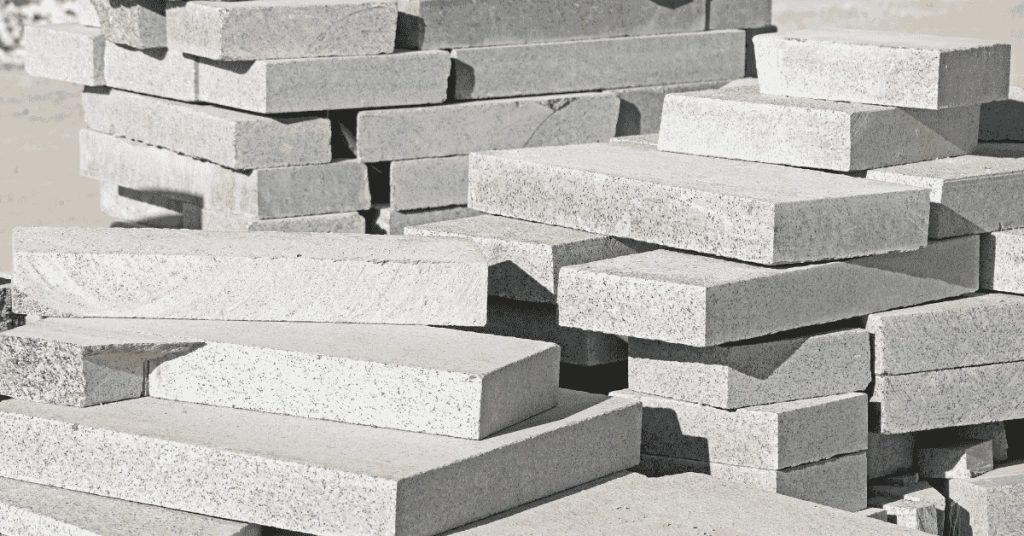
Stacked concrete bricks and blocks outdoors

Concrete Planters: Waterproofing details that don’t peel or trap moisture

Introduction Waterproofing concrete planters means using sealants or coatings that block moisture from entering the concrete and from leaching out. Choose products labeled for concrete and exterior use, and follow the label for surface prep and drying times. Check the manufacturer instructions and local rules for any specific requirements. Apply the sealant with even coverage

Concrete Planters: Waterproofing details that don’t peel or trap moisture Read More »

Concrete surface with small holes and surface pitting

Hairline Cracks in Countertops: Repair methods that don’t leave lines

Introduction Hairline cracks in countertops are tiny, surface-level fractures that often appear in concrete or stone slabs. They can be caused by shrinkage, temperature changes, or minor impacts during curing and use. Polishing can sometimes reveal hidden flaws, so assess the whole slab before deciding how to fix it. For repair, choose materials designed for

Hairline Cracks in Countertops: Repair methods that don’t leave lines Read More »