Concrete

Concrete is where I keep my step-by-step guides for planning, pouring, and finishing concrete projects.

Topics include base prep, forms, reinforcement, thickness, mixing and placing, finishing, curing, sealing, and long-term durability. I also cover troubleshooting—what to do when concrete cracks, scales, dusts, or cures unevenly.

If you’re new to concrete, start with the planning and prep articles. They prevent most of the expensive mistakes.

Close-up of concrete beams and columns on building exterior

Petrographic Analysis for Concrete Problems: When It’s Worth Sending a Sample

Introduction Petrographic analysis is identifying what’s inside concrete by examining thin sections under a microscope to diagnose problems. Sending a sample is worth it when surface tests don’t tell you the cause, or when you need to confirm suspicion of reactions or cracking. It’s a straight‑forward way to separate chemical reactions from physical wear. A […]

Petrographic Analysis for Concrete Problems: When It’s Worth Sending a Sample Read More »

Stacked precast concrete hollow core slabs outdoors

Chloride Penetration in Concrete: Why Coastal Slabs Fail and How to Slow It Down

Introduction Chloride penetration in concrete is the inward movement of chloride ions from the environment into the concrete and reinforcement area. In coastal areas, salt spray, moisture, and wet-dry cycles push chlorides into the concrete matrix. This can lead to corrosion of reinforcing steel and reduce the structure’s long-term durability. To slow chlorides down, choose

Chloride Penetration in Concrete: Why Coastal Slabs Fail and How to Slow It Down Read More »

Peeling paint revealing concrete ceiling surface

Concrete Carbonation Test (Phenolphthalein): Step-by-Step and How to Interpret It

Introduction A concrete carbonation test using phenolphthalein is a simple way to see how deep carbonation has penetrated into the concrete. It involves applying a pH indicator to a freshly exposed surface to reveal carbonate-affected areas. The test is done on a clean, exposed face and interpreted by the color that appears on the surface.

Concrete Carbonation Test (Phenolphthalein): Step-by-Step and How to Interpret It Read More »

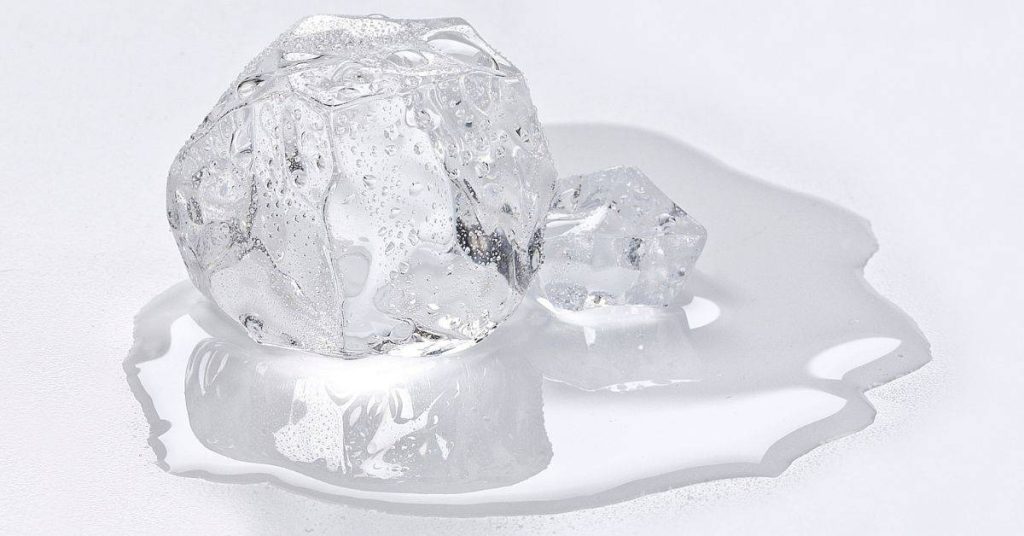
Melting ice cubes with water pool on white surface

Concrete Laitance: How to Identify It and Remove It Before Coatings Fail

Introduction Laitance is a thin, weak surface layer of cement and fines on concrete that can ruin coatings if it isn’t removed. It often feels powdery or dusty and looks lighter or different from the surrounding concrete. If you leave laitance, coatings can fail early and moisture or dirt may trap under the finish. Removal

Concrete Laitance: How to Identify It and Remove It Before Coatings Fail Read More »

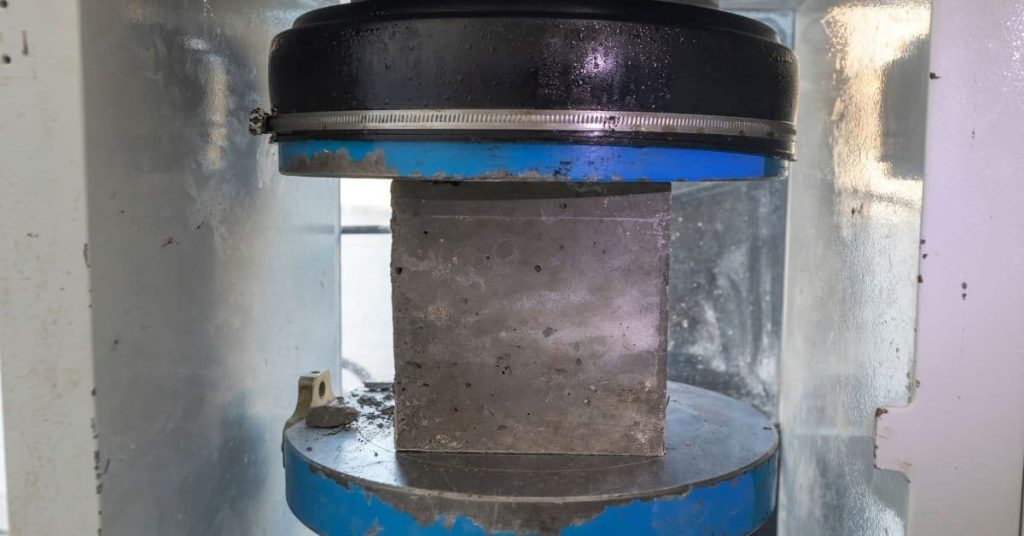
concrete compression test cube inside testing machine

DIY Slump Test: How to Make a Slump Cone and Read the Results

Introduction A slump test measures the workability of fresh concrete by using a cone and watching how much it settles. Key takeaways Understand the slump test measures concrete consistency by observing cone collapse height. Check tools: slump cone, trowel, sampling scoop, and clean curing surface. Follow a step-by-step procedure to ensure consistent results and repeatability.

DIY Slump Test: How to Make a Slump Cone and Read the Results Read More »

White concrete pump truck boom arm over metal fence

Air-Entrained Concrete: What It Is, Why It Matters, and Simple Checks

Introduction Air-entrained concrete is concrete that contains tiny air bubbles added on purpose to improve performance. These bubbles come from air-entraining agents mixed in with the concrete. This helps the concrete resist damage from freeze-thaw cycles and cracking, especially in exposed or moisture-prone spots. Testing for air content can be done with pressure, volumetric, or

Air-Entrained Concrete: What It Is, Why It Matters, and Simple Checks Read More »

Freshly poured wet concrete floor inside a room

Concrete Bleeding vs Segregation: How to Spot Each and What to Do

Introduction Concrete bleeding is water rising to the surface of fresh concrete as the mix sets. Segregation is when heavier components separate, causing uneven texture or coverage. Both can affect finish and long‑term durability if not spotted and managed early. Bleeding shows as a wet sheen on the surface and may leave a thin film

Concrete Bleeding vs Segregation: How to Spot Each and What to Do Read More »

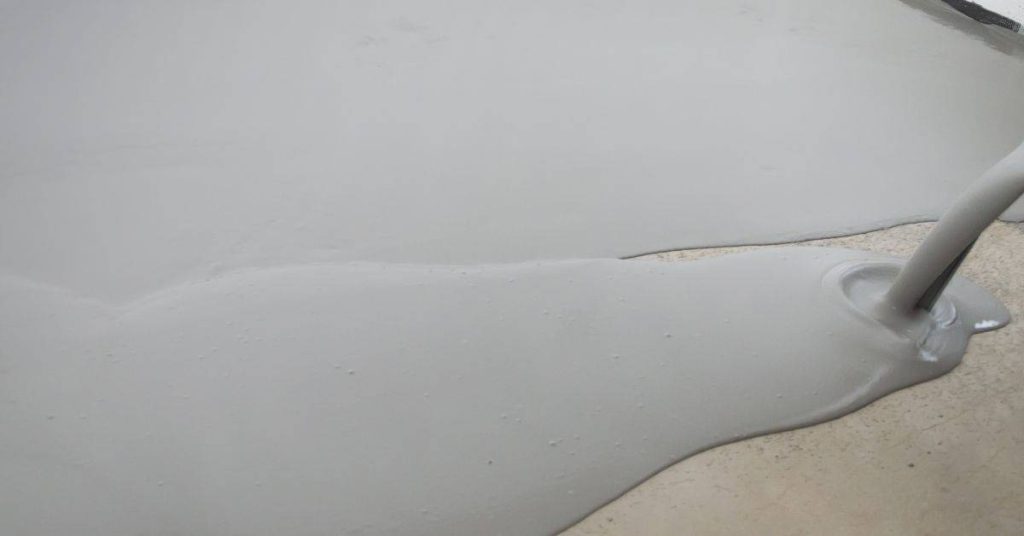
Fresh gray concrete being poured onto surface

Evaporation Reducer for Concrete: When to Spray, How Much to Use, and What It Fixes

Introduction An evaporation reducer for concrete is a chemical spray or treatment that slows water loss from fresh concrete. Use it when drying conditions are hot, windy, or dry to help finish quality and reduce surface crazing. Always read the product label and follow local rules to determine if it’s appropriate for your mix and

Evaporation Reducer for Concrete: When to Spray, How Much to Use, and What It Fixes Read More »