Concrete

Concrete is where I keep my step-by-step guides for planning, pouring, and finishing concrete projects.

Topics include base prep, forms, reinforcement, thickness, mixing and placing, finishing, curing, sealing, and long-term durability. I also cover troubleshooting—what to do when concrete cracks, scales, dusts, or cures unevenly.

If you’re new to concrete, start with the planning and prep articles. They prevent most of the expensive mistakes.

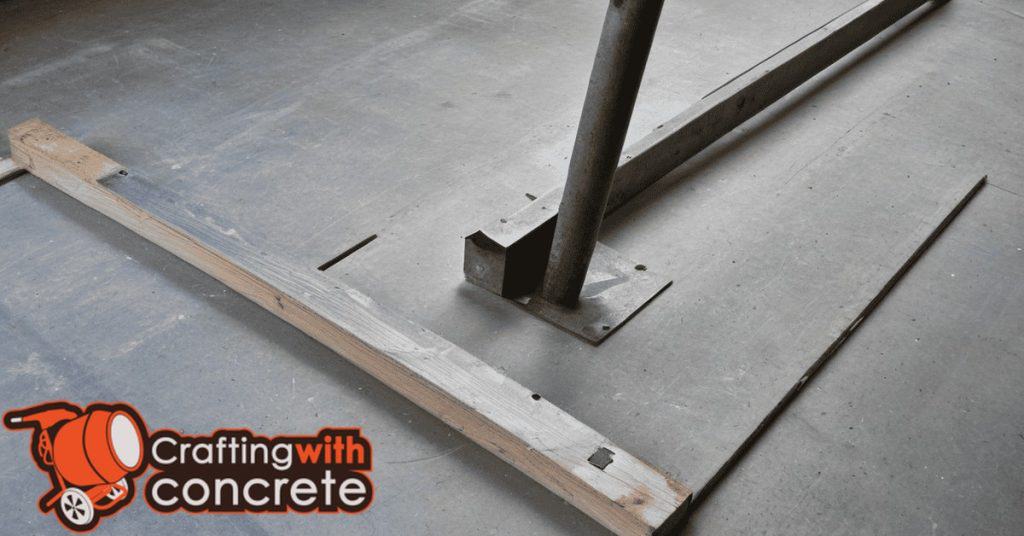
Making Your Own Control Joint Tool from Scrap Steel

Making Your Own Control Joint Tool from Scrap Steel

Table of Contents What is a Control Joint Tool and Why Make One from Scrap Steel Concrete Joint Standards and Design Requirements Materials — Choosing the Right Scrap Steel Tools, Consumables, and Safety Gear Needed Design Options and Templates (Fixed vs Adjustable) Step-by-Step Fabrication: Cutting and Shaping Parts Assembly and Welding Best Practices Heat Treatment, […]

Making Your Own Control Joint Tool from Scrap Steel Read More »
Rapid-Set Products: Where They Shine and Common Mistakes

Rapid-Set Products: Where They Shine and Common Mistakes

Table of Contents What “Rapid-Set” Means — Chemistry, Set vs. Cure Times Types of Rapid-Set Products and Typical Uses Use-Cases Where Rapid-Set Products Shine Preparation and Best-Practice Application Steps Tools, Mixing Tips, and Managing Pot Life Environmental Constraints — Temperature, Humidity, and Weather Strength, Durability, Compatibility, and Long-Term Performance Common Mistakes, Troubleshooting, and Repair Options

Rapid-Set Products: Where They Shine and Common Mistakes Read More »

Mixing Pea-Gravel Concrete That Spreads Easily for Pads

Mixing Pea-Gravel Concrete That Spreads Easily for Pads

Table of Contents Overview and Best Uses for Pea-Gravel Concrete Materials, Tools, and Pea-Gravel Prep Mix Designs and Ratios for Flowability Preparing the Base, Forms, and Reinforcement for Pads Step-by-Step Mixing and Placement Procedure Finishing, Curing, and Sealing for Durability Adjusting Mix On-Site: Troubleshooting Workability and Strength Planning, Costing, Safety, and Logistics Maintenance, Common Problems,

Mixing Pea-Gravel Concrete That Spreads Easily for Pads Read More »

Using Polymer Sand Vs. Mortar in Wide Paver Joints on Concrete

Using Polymer Sand Vs. Mortar in Wide Paver Joints on Concrete

Table of Contents Quick comparison: polymeric sand vs mortar (summary) Suitable joint widths and depths for each material Prep steps for existing pavers on concrete Application process for polymeric sand (detailed how‑to) Application process for mortar (detailed how‑to) Drainage, substrate and edge restraint considerations Durability, flexibility, and lifecycle performance Cost, time and labor comparison (initial

Using Polymer Sand Vs. Mortar in Wide Paver Joints on Concrete Read More »

What Limestone Calcined Clay Cement “LC3” means and if you can buy it in bags yet

What Limestone Calcined Clay Cement “lc3” Means and If You Can Buy It in Bags yet

Table of Contents Quick definition and overview of LC3 Chemistry and material science behind LC3 Performance and technical properties Environmental and sustainability benefits Standards, certifications, and regulatory acceptance Manufacturing and quality control considerations Availability: Can you buy LC3 in bags yet? Practical guidance for users and specifiers Cost, market outlook, and FAQs Introduction LC3 is

What Limestone Calcined Clay Cement “lc3” Means and If You Can Buy It in Bags yet Read More »

Understanding Type Il (portland-Limestone Cement) for Homeowners

Understanding Type Il (portland-Limestone Cement) for Homeowners

Introduction When it comes to construction and home improvement projects, understanding the materials you’re working with is crucial. One such material is Type IL Portland-Limestone Cement, a popular choice for concrete mixtures due to its strength and durability. This guide will help you understand what Type IL cement is, its benefits, and how it’s used

Understanding Type Il (portland-Limestone Cement) for Homeowners Read More »

Low-Carbon Options Slag, Fly Ash, and Calcined Clay for Diyers

Low-Carbon Options: Slag, Fly Ash, and Calcined Clay for Diyers

Table of Contents Why conventional cement and concrete are carbon‑intensive What “low‑carbon concrete” means for DIYers Supplementary cementitious materials (SCMs) overview Ground Granulated Blast‑Furnace Slag (GGBFS) Coal Fly Ash (Class F and Class C) Calcined Clay and LC3 (metakaolin, limestone‑calcined clay cement) Practical DIY mix designs, step‑by‑step recipes and troubleshooting Admixtures, testing, quality control and

Low-Carbon Options: Slag, Fly Ash, and Calcined Clay for Diyers Read More »

Using Recycled Glass as Decorative Aggregate—Safety Notes

Table of Contents What is recycled glass aggregate (cullet) and common sizes Health concerns: sharpness, cuts, and handling Inhalation risks and silica considerations Safe preparation and processing of recycled glass DIY crushing and safety protocols Sourcing recycled glass: municipal programs and suppliers Applications suitable for decorative recycled glass Installation best practices to minimize safety risks

Using Recycled Glass as Decorative Aggregate—Safety Notes Read More »

Reclaiming Leftover Concrete into Stepping Stones

Reclaiming Leftover Concrete into Stepping Stones

Table of Contents Why Reclaim Concrete for Stepping Stones? Assessing and Sorting Leftover Concrete Tools, Materials and Safety Gear Checklist Preparing Molds and Forms for Stepping Stones Recipes and Mixing Strategies for Variable Leftover Concrete Reinforcement, Layering and Structural Techniques Casting and Finishing Techniques Curing, Demolding and Post-Cure Treatments Design Ideas and Decorative Treatments Troubleshooting

Reclaiming Leftover Concrete into Stepping Stones Read More »