Concrete

Concrete is where I keep my step-by-step guides for planning, pouring, and finishing concrete projects.

Topics include base prep, forms, reinforcement, thickness, mixing and placing, finishing, curing, sealing, and long-term durability. I also cover troubleshooting—what to do when concrete cracks, scales, dusts, or cures unevenly.

If you’re new to concrete, start with the planning and prep articles. They prevent most of the expensive mistakes.

How to Keep Concrete Forms from Bowing: Bracing Patterns That Work with 2x Lumber

How to Keep Concrete Forms from Bowing: Bracing Patterns That Work with 2x Lumber

Introduction Bracing concrete forms with well-planned 2x lumber patterns prevents bowing and keeps the pour straight. The guide walks through practical bracing patterns, proper lumber spacing, and quick checks to keep forms straight and secure during a pour. Key takeaways Use 2x lumber bracing on all forms every 2–4 feet. Align bracing to load paths […]

How to Keep Concrete Forms from Bowing: Bracing Patterns That Work with 2x Lumber Read More »

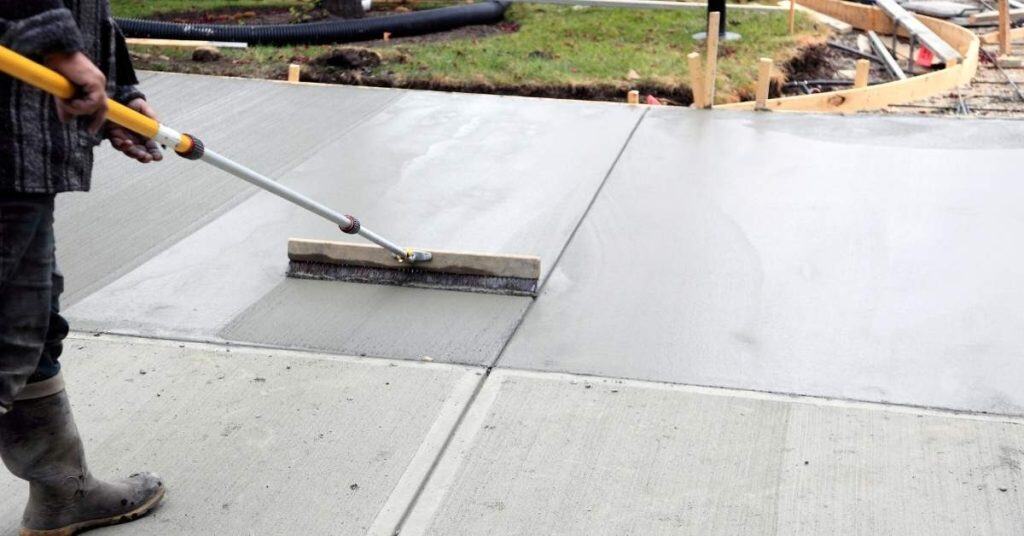
Worker leveling freshly poured concrete with screed tool

Setting Slab Elevation with Batter Boards and String: a DIY Method That Stays Accurate

Introduction You can set slab elevation accurately using batter boards and a string line. The guide explains why this method matters for an accurate pour and walks you through practical steps, tips, and checks you can apply on the job. Key takeaways Confirm project scope, local codes, and establish zero reference before layout. Drive batter

Setting Slab Elevation with Batter Boards and String: a DIY Method That Stays Accurate Read More »

How to Pour a Slab That Meets an Existing Doorway Height Without a Trip Lip

How to Pour a Slab That Meets an Existing Doorway Height Without a Trip Lip

Introduction You can pour a concrete slab that aligns with an existing doorway height without creating a trip lip. The guide walks you through measuring the opening, planning form setup, and making edge and level adjustments so the slab transitions smoothly into the door. You’ll learn practical steps, common pitfalls, and quick rules of thumb

How to Pour a Slab That Meets an Existing Doorway Height Without a Trip Lip Read More »

Close-up of rough concrete slab surface with imperfections

Concrete Cold Joint Repair: How to Prep and Bond a “next Day” Pour Line

Introduction Learn how to prep and bond a next-day concrete pour to repair a cold joint. This guide walks through practical surface prep, bonding methods, and timing so you can create a strong, durable joint. You’ll gain actionable, plain-language steps and tips you can apply on real job sites. Key takeaways Identify cold joints by

Concrete Cold Joint Repair: How to Prep and Bond a “next Day” Pour Line Read More »

Keyways Vs Dowels: Which Joint Detail Helps More for Small Residential Pours

Keyways Vs Dowels: Which Joint Detail Helps More for Small Residential Pours

Introduction Keyways generally provide more shear resistance and better alignment control than dowels for small residential pours. This guide walks through how to choose between them, what factors to consider in your project, and practical steps for planning, placement, and inspection to help you achieve a solid, durable joint. Key takeaways Keyways resist lateral shear

Keyways Vs Dowels: Which Joint Detail Helps More for Small Residential Pours Read More »

Compaction Basics: How to Tell If Your Base Is Tight Enough Without a Lab Test

Compaction Basics: How to Tell If Your Base Is Tight Enough Without a Lab Test

Introduction You can tell if your base is tight enough without a lab test by using simple on-site checks and observable indicators. This article explains practical signs, how to perform quick field checks, and the kinds of results that indicate adequate compaction so you can proceed with confidence. Key takeaways Field checks gauge compaction level

Compaction Basics: How to Tell If Your Base Is Tight Enough Without a Lab Test Read More »

Gravel Base Thickness for Patios: Choosing 4″ or 8″ with Real Examples

Gravel Base Thickness for Patios: Choosing 4″ or 8″ with Real Examples

Introduction Gravel base thickness for patios should be 4 inches for standard light-use patios and 8 inches where soils are soft or loads are higher. You’ll learn practical guidelines, real-world examples, and simple steps to choose the right thickness for your site. Key takeaways 4-inch bases suit small patios with light loads and compacted soil.

Gravel Base Thickness for Patios: Choosing 4″ or 8″ with Real Examples Read More »

Slab-on-Grade Edge Insulation: Where It Helps and Where It Causes Trouble

Slab-on-Grade Edge Insulation: Where It Helps and Where It Causes Trouble

Introduction The slab-on-grade construction method is popular for its simplicity and cost-effectiveness. However, it’s crucial to understand where edge insulation helps and where it might cause issues. This guide will walk you through the benefits and potential drawbacks of using edge insulation in your slab-on-grade project. Let’s dive right in! Key takeaways Evaluate edge insulation

Slab-on-Grade Edge Insulation: Where It Helps and Where It Causes Trouble Read More »

Capillary Break Under Footings: Simple Gravel + Poly Details That Reduce Damp Basements

Capillary Break Under Footings: Simple Gravel + Poly Details That Reduce Damp Basements

Introduction A gravel capillary break beneath footings, combined with a poly barrier, prevents capillary rise and reduces basement dampness. The article shows how this simple system works in practice and walks you through practical steps for selecting gravel, installing the barrier, and laying out the under-footing layer to improve moisture control. Key takeaways Use continuous

Capillary Break Under Footings: Simple Gravel + Poly Details That Reduce Damp Basements Read More »

Expansion/Movement Joints: Where to Leave Gaps and How to Finish Them Cleanly

Expansion/Movement Joints: Where to Leave Gaps and How to Finish Them Cleanly

Introduction Leave proper gaps at expansion and movement joints to accommodate building movement and prevent cracking. This introduction explains how to choose appropriate gap sizes, where joints belong, and how to finish them cleanly with durable sealants and proper detailing. You’ll learn practical tips, common mistakes to avoid, and a straightforward approach to creating joints

Expansion/Movement Joints: Where to Leave Gaps and How to Finish Them Cleanly Read More »