

Introduction
Brake caliper paint is a coating applied to the caliper to improve corrosion resistance and appearance.
This article covers how to prep the surface, choose the right paint, and apply it safely in a DIY setting.
Common problems include peeling, chipping, or uneven finish, which usually point to surface prep or curing issues.
Always check the product label and follow manufacturer instructions for prep, heat resistance, and curing times, and verify local rules before starting.
Key takeaways
- Inspect calipers for rust, leaks, and wear; repair or replace as needed.
- Clean thoroughly with degreaser; remove all oils and brake dust before painting.
- Mask components and joints to protect rubber seals and adjacent finishes.
- Apply even coats after cooling; wear PPE and ventilate the workspace.
- Test adhesion on a hidden spot; check heat resistance after gradual braking tests.
- Maintain calipers by regular cleaning and re-coating when paint dulls or chips.
Table of Contents
- Introduction
- Key takeaways
- When and Why to Paint Brake Calipers
- Tools and Materials Checklist
- Prep: Cleaning, Degreasing, and Surface Repair
- Masking, Disassembly, and Paint Application Methods
- Tests to Evaluate Adhesion, Durability, and Heat Resistance
- Common Problems and Step-by-Step Fixes
- Visual Checkpoints and Quality Standards
- Maintenance, Longevity, and Preventive Tips
- Conclusion
- FAQ
When and Why to Paint Brake Calipers
Paint is often used to protect calipers from corrosion and to refresh their look. It can also restore a worn or faded finish to something near original. Start by inspecting the caliper condition to decide if painting is appropriate.
Consider aesthetics, corrosion status, and whether the hardware needs attention before painting. If the calipers show deep rust, leaks, or loose components, address those issues first. Always verify manufacturer guidance or local rules before proceeding.
Assessing caliper condition before painting
Before you grab that paintbrush, it’s crucial to check your brake calipers’ condition. Paint won’t fix underlying issues, and you don’t want to waste time or money on a quick fix.
Start by checking for leaks. If there are any, they’ll usually be around the pistons or at the bleeder valve. A leak could indicate a worn-out seal that needs replacing before painting.
Look out for pitting, too. This is when small holes form in the caliper due to corrosion. Pitted calipers can’t be painted over, as the paint won’t stick properly and will flake off over time. If you find any pitting, it’s best to replace the caliper.
Seized pistons are another issue to watch for. If a piston doesn’t move smoothly when you press the brake pedal, it’s seized. This needs fixing before painting. Lastly, check for any structural damage. Bent or cracked calipers need replacing, not painting.
Performance and heat considerations
Brake calipers get hot – really hot. That’s why it’s important to choose a paint that can handle high temperatures without breaking down or peeling.
The main job of your brake calipers is to dissipate heat from the brake pads and rotors. If you use the wrong paint, it could insulate the caliper instead of letting heat escape. This can lead to reduced performance and even warping of the rotor.
Always check the manufacturer’s temperature rating for any paint you’re considering. It should be able to withstand at least 500°F (260°C). If it can’t, keep looking.
Also, consider the paint’s color. Dark colors absorb more heat than lighter ones. So, if your car spends a lot of time in direct sunlight, you might want to stick with lighter shades.
Tools and Materials Checklist
Gather a basic set of hand tools, PPE, and selected paints designed for automotive use. Include brushes or a spray device, along with masking supplies to protect adjacent parts. Have rust remover or prep products on hand if needed.
Keep optional shop tools handy for a cleaner job, such as a drill with a small stainless wire brush and a shop vacuum. Check product labels for compatible primers, topcoats, and cure times. If unsure, consult the manufacturer instructions or local guidance before purchasing.
Essential PPE and Safety Gear
Before you start painting, ensure you’re protected from brake dust and paint fumes.
- Respirator: Use a half-face respirator with P100 filters to protect against brake dust and paint fumes.
- Gloves: Wear nitrile gloves to protect your hands from chemicals. Change them if they become contaminated.
- Eye Protection: Use safety glasses or goggles to shield your eyes from debris and splashes.
- Ventilation: Work in a well-ventilated area, preferably with a fan blowing away from you. If working indoors, use a respirator.
- Coveralls: Wear disposable coveralls to protect your clothing and make cleanup easier.
- Safety Glasses: For added eye protection, consider using safety glasses with side shields.
- Hearing Protection: If using power tools like sanders or grinders, wear earplugs or earmuffs.
Quick rule: Always prioritize your safety. Don’t skip any PPE items to minimize health risks.
Paint Types and Compatible Primers
Choose the right paint and primer for optimal adhesion and performance.
- Heat-Rated Caliper Paint: For most applications, use heat-rated caliper paint designed to withstand high temperatures. Check the label for temperature ratings.
- High-Temp Enamel: If you can’t find heat-rated caliper paint, use high-temp enamel paint rated for 500°F (260°C) or higher.
- Ceramic Coatings: For added protection and easier cleaning, consider ceramic coatings designed for brake calipers. Check compatibility with your chosen primer.
- Primer Selection: Match the primer to your paint type. Use a self-etching primer for better adhesion on bare metal or use a universal primer if unsure.
Quick rule: Always match the primer to the paint type and check temperature ratings to ensure durability.
Prep: Cleaning, Degreasing, and Surface Repair
Begin with a thorough cleaning to remove brake dust, grease, and old wax. Use an appropriate degreaser and a clean cloth, then rinse if the product allows. Let the surface dry completely before moving on.
Inspect for rust, pitting, or damaged hardware and plan repairs or replacements as needed. If you see loose pins or seals, address them prior to painting. Always follow the product label for removal and compatibility notes.
Safe brake-dust removal and cleaning methods
Brake dust is abrasive and can cause lung irritation if inhaled. Avoid using compressed air to remove it, as this can create a dust cloud.
Instead, use approved brake cleaners designed for this purpose. Spray them on, let them soak, then wipe off with a clean cloth or brush.
Never use household cleaning products like bleach or ammonia, as they can damage the caliper’s finish and cause corrosion.
For tougher grime, try a wet-cleaning method. Soak a cloth in brake cleaner, wrap it around the caliper, secure with tape, and let it soak for 15-30 minutes before scrubbing and wiping off.
Rust and old-paint removal techniques
To remove rust and old paint, start with mechanical methods. A wire brush or sandpaper can scrub away loose material.
For heavier rust, consider media blasting. This uses compressed air to propel a fine abrasive (like glass beads or aluminum oxide) onto the surface, removing rust and old paint quickly.
Chemical strippers can also help, but they may not be necessary if you’ve already removed loose material mechanically. Always follow manufacturer instructions when using chemicals.
If you’re down to bare metal, make sure it’s clean and free of any remaining rust or contaminants before painting.
Masking, Disassembly, and Paint Application Methods
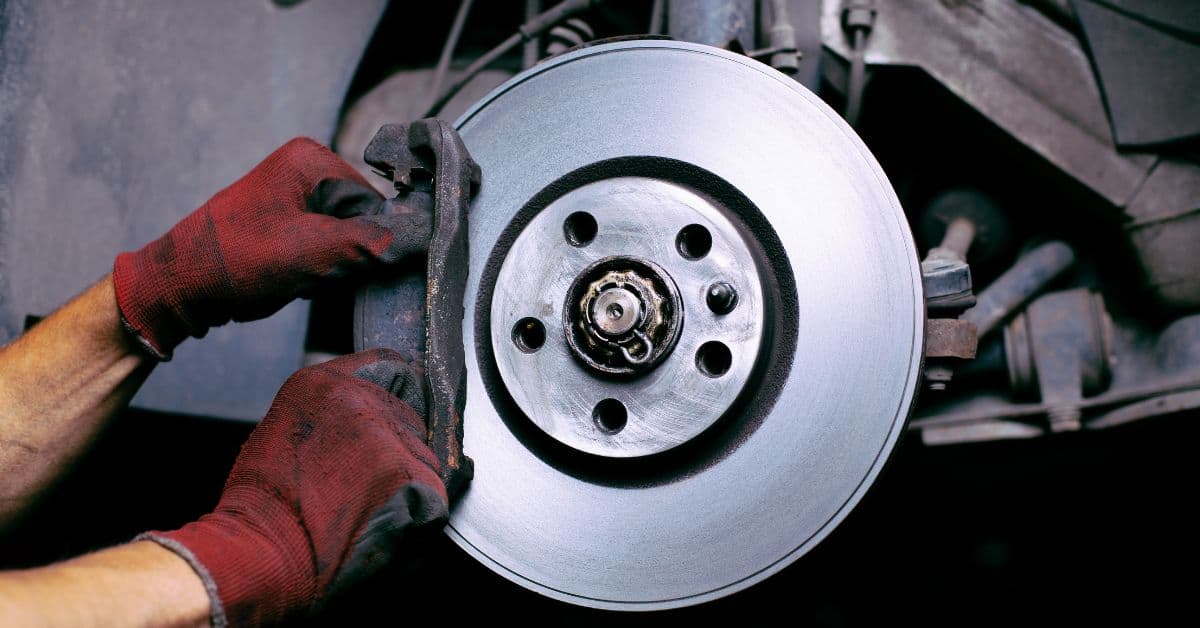
Mask carefully to protect rotors, pads, and lines, using painter’s tape and high-temp masking materials. Consider whether removing the caliper will simplify masking and improve coverage. Decide between spray, brush, or ceramic coatings based on your setup and expertise.
Understand the pros and cons: spray can give even coats but requires good ventilation; brush work offers control in tight areas; ceramic options may provide durability but can need careful curing. Always verify masking guidelines and application instructions on the product label or manufacturer sheet.
Effective masking and protecting brake components
Before you start painting, protect the areas around your calipers. Here’s what to mask:
- Rotor faces: Use high-temp tape or plugs to cover them. Overspray here can cause braking issues.
- Pads: Protect them with cardboard or plastic sheets held in place by tape.
- Hoses and lines: Cover these with plastic bags secured by rubber bands to keep paint off.
Remember, high-temp tape is crucial. Regular masking tape won’t withstand the heat of your brakes.
Painting workflow and layering technique
Applying paint in thin, even coats is key to a smooth finish. Here’s how:
- Start with a thin base coat. This primes the surface for better adhesion.
- Let it flash – wait about 10-15 minutes before applying the next coat. This gives the paint time to set but not dry completely.
- Apply subsequent coats, maintaining an even distance and motion. This helps prevent runs or orange peel.
- After each coat, let it flash again before moving on. Most paints require 3-4 thin coats for full coverage.
Be patient. Thin coats may seem slow, but they’ll give you a professional-looking finish with no runs or drips.
Tests to Evaluate Adhesion, Durability, and Heat Resistance
After curing, perform simple adhesion checks by gently testing a small area to ensure the paint sticks without peeling. Look for a uniform film with no chipping along edges. Refer to the product’s curing guidelines for heat resistance expectations.
Ensure the painted surface won’t contaminate braking components by inspecting for bleed-through or tackiness. If in doubt, consult the paint data sheet or manufacturer instructions for proper post-cure handling. Verify any local rules or guidance that may apply to automotive finishes.
Adhesion test and visual inspection checklist
Use this checklist after painting to ensure your caliper paint has adhered properly.
- Check for pinholes: Look closely at the painted surface. Pinholes can lead to rusting and paint failure.
- Inspect for lifting: Gently press on the paint. Any lifting indicates poor adhesion.
- Perform tape test: Apply painter’s tape, let it sit, then pull it off. If paint comes off, it hasn’t cured properly.
- Examine edges: Check where the paint meets masked areas. Any lifting here can indicate a problem.
- Feel for texture: Run your fingers over the paint. It should feel smooth and even.
- Check for bubbles: Bubbles under the paint mean it didn’t adhere properly.
- Inspect masked areas: Ensure no paint has bled through the mask, which could indicate a problem with the masking or painting process.
- Examine any repairs: Check that any repaired areas have adhered well.
Quick rule: If you find any issues during this checklist, address them immediately to prevent bigger problems down the line.
Heat and track/road testing guidance
After painting, it’s crucial to test your calipers under heat and real-world conditions. Start with short drives and gradually increase the duration.
Why start slow: This gives the paint time to cure fully and allows you to monitor for any issues without risking a major problem on a long drive.
During your test drives, keep an eye out for:
– Discoloration: This could indicate the paint is breaking down.
– Bubbling or flaking: These are signs of poor heat resistance.
Always: Follow the product’s cure instructions. Some paints need specific conditions to cure properly.
Common Problems and Step-by-Step Fixes
Peeling or bubbling usually means poor surface prep or moisture exposure. Start with a careful spot repair or full strip-and-repaint as needed. Follow the product directions for heat and cure times.
Overspray onto rotors or pads should be addressed by re-masking and reapplying the coating in thin layers. If the finish fades or looks uneven, sand lightly and recoat after confirming compatibility with the underlying primer. Check labels and instructions for specific remediation steps.
Step-by-Step Repair Process
Follow these practical steps to tackle common brake caliper paint problems safely and effectively.
- Inspect the problem area. If it’s severe, consider calling a pro.
- Wear appropriate PPE: gloves, safety glasses, and a respirator for dust protection.
- Clean the affected area using your preferred degreaser or brake cleaner.
- Lightly sand the area with 220-grit sandpaper to improve paint adhesion. Wipe off any dust.
- Apply a thin layer of compatible primer, allowing it to dry according to the manufacturer’s instructions.
- Using your chosen caliper paint, apply a light first coat, ensuring even coverage.
- Let it dry for the recommended time, then apply a second coat. Follow this with a third, if necessary.
- Allow the final coat to cure completely before reassembly and testing.
Fixing peeling or flaking paint
Peeling or flaking paint can be fixed with a careful, step-by-step process to ensure a durable repair.
First, remove all loose paint using a scraper or wire brush. Be thorough but don’t damage the underlying metal.
Next, feather the edges of the repaired area with 220-grit sandpaper to create a smooth transition between the old and new paint. Wipe off any dust.
Re-prepare the surface by applying a light coat of compatible primer, allowing it to dry as instructed. Then, apply your chosen caliper paint in thin layers, following the workflow outlined earlier.
Dealing with bubbling or blistering after heating
Bubbling or blistering paint post-heating is often caused by contamination, trapped moisture, or incorrect paint use. Here’s how to address this issue:
First, strip the affected area using a suitable brake caliper paint stripper. Follow the manufacturer’s instructions for safe and effective removal.
Next, identify and resolve the cause of the problem. This might involve improving surface preparation, ensuring proper ventilation during painting, or switching to a high-temperature paint system.
Once the underlying issue is addressed, re-prepare the surface and apply a compatible primer. Then, apply your chosen caliper paint in thin layers, following the recommended workflow for optimal results.
Visual Checkpoints and Quality Standards
Look for a smooth, even finish with uniform color and no runs or orange-peel texture. Check edges where the caliper meets the mounting hardware for crisp coverage. A professional look comes from consistent coats and proper curing.
Tactilely feel for a steady, non-tacky surface and test for easy removal of any masking residue. If anything looks questionable, review the product instructions or consult the manufacturer guidance before proceeding.
Surface smoothness, coverage, and edge transitions
Use this checklist after painting to ensure a professional finish.
- Texture: Run your fingers over the painted surface. It should feel smooth with minimal texture.
- Coverage consistency: Check hard-to-reach areas like behind pistons and around bolts. Inconsistent coverage may lead to rust or poor adhesion.
- Mask lines: Inspect where tape was applied. Lines should be clean, with no paint buildup or gaps.
- Runs and drips: Look for any imperfections that could affect performance or appearance.
- Edge transitions: Ensure edges blend smoothly into surrounding components without sharp lines or abrupt changes in color.
- Paint thickness: Check for even coverage. Too thin may lead to rust, too thick can cause issues with heat dissipation and movement.
- Orange peel effect: Gently touch the surface. It should feel smooth, not like an orange’s skin.
- Cissing or pinholing: Check for any areas where paint didn’t adhere properly, leaving small holes or missed spots.
Quick rule: If anything feels or looks off, redo the work. A little extra time now saves big problems later.
Functional checkpoints (no contamination of brake surfaces)
Before reassembly, ensure all components are clean and functional to prevent issues.
- Rotor surface: Inspect for any paint residue. Wipe clean if necessary.
- Pads’ friction material: Check for paint or debris. Clean if needed.
- Caliper movement: Manually move the caliper to ensure it slides smoothly.
- Seals and boots: Inspect for any damage, cracks, or signs of wear.
- Pistons: Check they retract fully when bleeding brakes. If not, you may have air in the lines.
- Bleeding process: Ensure all air is removed from the brake system to maintain proper function.
- Pad-to-rotor clearance: Measure to ensure pads contact rotors evenly and correctly.
- Caliper alignment: Check calipers are centered over rotors for even wear and optimal performance.
Quick rule: If anything doesn’t feel or look right, address it before reassembly to prevent bigger problems down the road.
Maintenance, Longevity, and Preventive Tips
Regular cleaning with mild products helps preserve the finish without harming it. Avoid abrasive cleaners that can dull or scratch the coating. Rinse and dry thoroughly after cleaning to prevent moisture buildup.
Stay alert for signs of wear, such as chipping, fading, or corrosion near edges. If you notice changes, reassess the coating choice or preparation steps and consult product specifications or local regulations to decide on repainting or maintenance actions.
Cleaning products and safe maintenance practices
Use non-abrasive, pH-neutral cleaners to maintain your painted calipers. These are gentle on the finish while effectively removing dirt and grime.
Avoid harsh solvents, like acetone or brake cleaner, as they can damage the paint over time.
Wipe down the calipers with a damp cloth using the cleaner. Rinse with clean water and dry thoroughly to prevent water spots.
Regular cleaning keeps the paint looking good and helps spot any potential issues early.
When to repaint or service calipers again
Repainting or servicing your calipers isn’t a one-and-done job. Here’s when to consider it:
Visual indicators: If you notice chipping, peeling, or corrosion returning, it’s time for a touch-up or full repaint.
Performance changes: If your brakes feel different – spongy, hard, or pulsating – there might be an issue with the calipers. Get them checked and serviced if needed.
Regular inspections and prompt action can prevent small issues from becoming big problems.
Conclusion
The key takeaway is that painting brake calipers is about improving safety, durability, and appearance, but only when you do solid prep, testing, and careful curing. Get the process right and you protect the braking system, avoid costly mistakes, and still keep the look you want.
First, gather and inspect the tools and materials, clean and degrease the surfaces, repair minor imperfections if needed, mask everything you don’t want painted, disassemble only if required and you know how to restore the hardware, apply the paint with the chosen method and let it cure properly, then test adhesion and heat resistance before putting the system back together and performing a final inspection and maintenance check. Do the work in a well-ventilated space, wear gloves and eye protection, and follow the manufacturer’s cure times to ensure Safety, adhesion, and proper curing.
Common mistakes to avoid are skipping the cleaning or using the wrong prep products, skipping masking, rushing the cure, and applying paint in dusty or hot conditions. Keep rules of thumb close: never compromise surface prep, use compatible coating systems, mask thoroughly, and respect the cure times and heat exposure limits. If you’re unsure about the disassembly, or if you notice any brake fluid leaks, damaged calipers, or signs of excessive wear, stop and reassess. When in doubt, don’t push on—safety and the ability to brake reliably come first.
If the caliper is damaged, you don’t have the right alternatives, or the braking system acts abnormal, call a professional. Otherwise, finish with a careful reassembly, a final visual check, and a short test ride in a safe area to confirm there are no rubbing or overheating issues. Stay methodical, stay safe, and you’ll land a durable, good-looking result that lasts.
FAQ
How long should I let the painted calipers cure before driving the vehicle?
Read the paint label and follow the manufacturer’s cure instructions. If in doubt, give the coating extra time in a dry, well-ventilated area away from heat sources.
What are common signs that the paint didn’t adhere well, and what should I do if I see them?
Look for peeling, cracking, or bubbling after a test. If you see any, stop using the setup and strip and recoat the calipers following proper prep steps and masking again.
Can I repaint calipers that were previously painted, and what should I check first?
Yes, but inspect for rust or corrosion under the old finish. Remove flaking paint, clean thoroughly, and use fresh primer compatible with the new top coat.
How should I protect the painted surface during installation and reassembly?
Mask off areas that shouldn’t get paint or solvent exposure, avoid contact with abrasive surfaces, and reinstall parts carefully to prevent scuffing the finish. If you must touch up, do it promptly and cleanly.