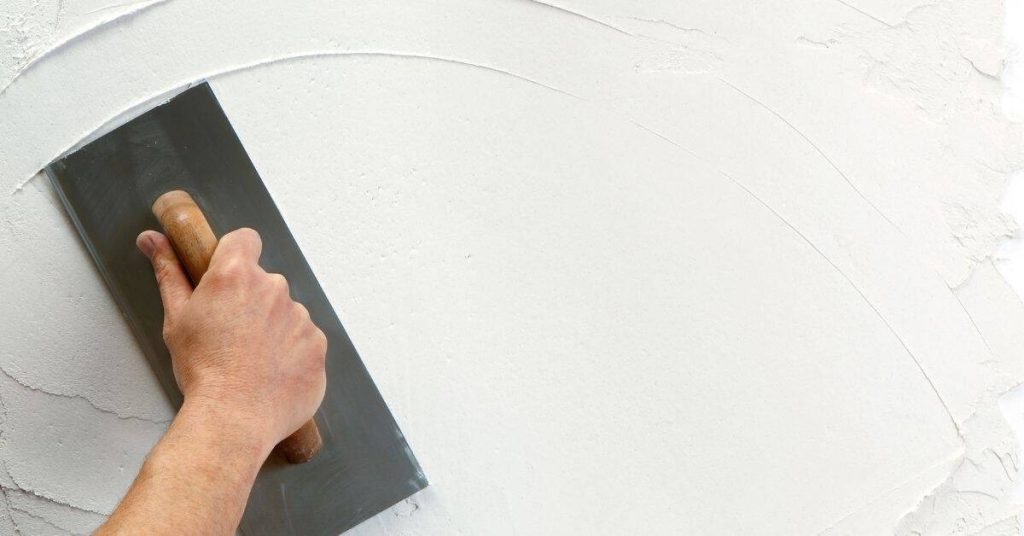
Hand holding trowel smoothing white plaster on wall

Clay Plaster Dusting After Cure: Diagnosing Under-Compaction vs Too Much Water

Introduction Dusting after cure on clay plaster happens when a chalky top layer appears due to how you mixed and compacted the plaster. It can stem from under-compact or too much water in the mix, which pulls fines to the surface as the plaster dries. Check moisture content, aggregate fineness, and how the mixture was […]

Clay Plaster Dusting After Cure: Diagnosing Under-Compaction vs Too Much Water Read More »

Person applying plaster over blue mesh on wall

Clay Plaster Over Plywood: Movement Joints and Mesh Choices That Reduce Cracking

Introduction Clay plaster over plywood is a breathable, clay-based wall finish bonded to a plywood base. If you’re DIYing, expect a more flexible layer that can absorb minor movement without cracking. Plan for movement joints and appropriate reinforcement to guide cracks where you want them. Placement of joints and the right mesh help the plaster

Clay Plaster Over Plywood: Movement Joints and Mesh Choices That Reduce Cracking Read More »

White electrical outlet on a painted white wall

Limewash Over Previously Painted Walls: What Prep Makes It Stick (and What Doesn’t)

Introduction Limewash can be applied over previously painted walls with proper prep to let it stick. Start by cleaning and inspecting the surface, scraping off loose paint, and washing until it’s clean and dry. Then follow the product label directions and any local rules for bonding or priming as needed. In practice, the beginners’ approach

Limewash Over Previously Painted Walls: What Prep Makes It Stick (and What Doesn’t) Read More »

Workers applying fresh stucco to exterior house wall

Limewash on Exterior Stucco: When It Lasts and When It Chalks Off Fast

Introduction Limewash is a breathable coating made from lime putty and water that you apply to exterior stucco. It can darken or chalk as it ages, and how long it lasts depends on weather and how it’s applied. You should check the manufacturer’s guidance and local rules for reapplication and maintenance. On stucco, limewash lets

Limewash on Exterior Stucco: When It Lasts and When It Chalks Off Fast Read More »

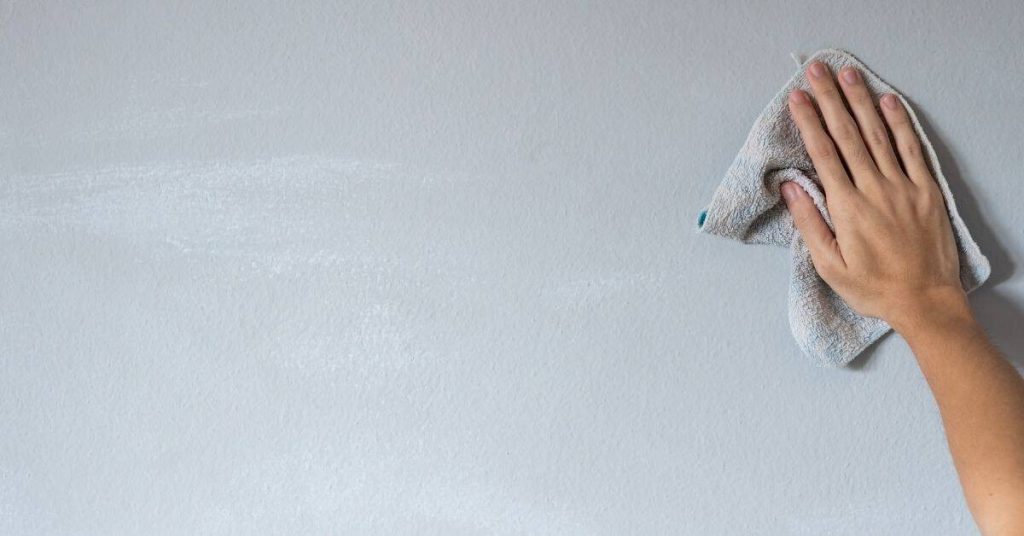
Hand wiping a smooth light gray wall with a cloth

Venetian Plaster in Bathrooms: Soap Scum, Cleaning, and Where It’s a Bad Idea

Introduction Venetian plaster in bathrooms is a polished, lime-based finish that can show soap scum and water marks if not cleaned with care. This article gives practical, hands-on tips for keeping the surface clean without risking damage. It also covers when it’s not a good idea to use harsh cleaners on this finish. White vinegar

Venetian Plaster in Bathrooms: Soap Scum, Cleaning, and Where It’s a Bad Idea Read More »

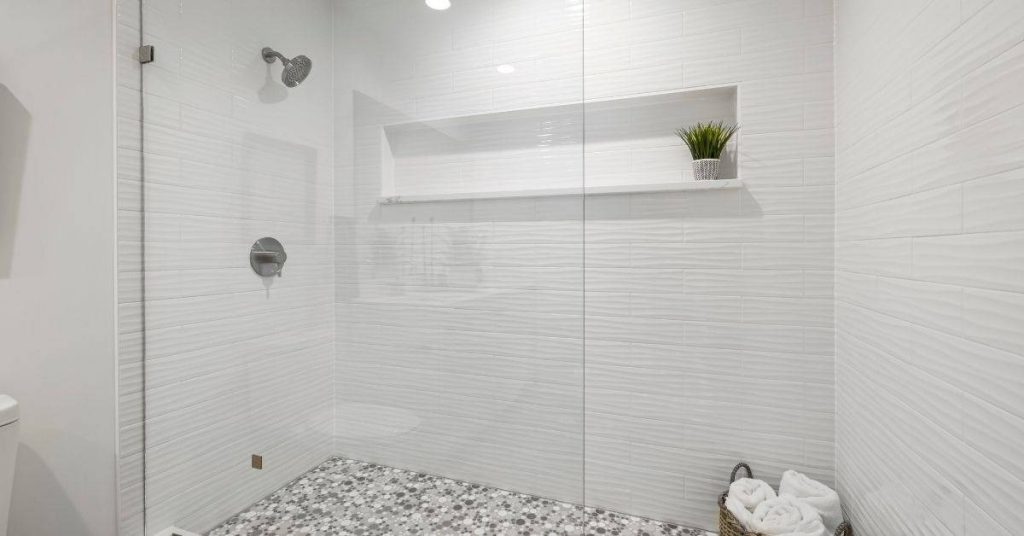
white textured tile shower with niche and glass door

Tadelakt on Shower Niches: Edge Details That Keep Water Out of Transitions

Introduction Tadelakt on shower niches is applying a polished lime-plaster finish to the niche with well-planned edge details to keep water from leaking into transitions. This is a hands-on DIY job, so you’ll be shaping and sealing the edges as you plaster and tile. Focus on edge trim profiles and how they meet the wall

Tadelakt on Shower Niches: Edge Details That Keep Water Out of Transitions Read More »

rusty masonry trowel with wooden handle on white background

Choosing Caulk for Masonry Joints: Polyurethane vs Hybrid vs Silicone Where Each Wins

Introduction Polyurethane, hybrid, and silicone caulks each have different strengths for masonry joints, and the right choice depends on movement, exposure, and adhesion. In practice, ‘caulk’ and ‘sealant’ are terms you’ll hear used for similar products, but the key is how much they can stretch and how well they grip masonry. This article walks through

Choosing Caulk for Masonry Joints: Polyurethane vs Hybrid vs Silicone Where Each Wins Read More »

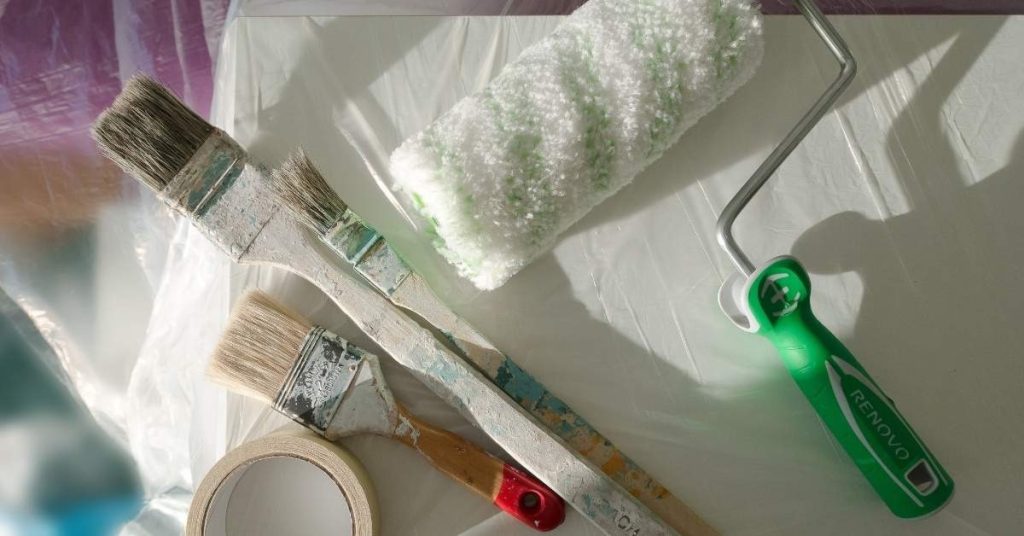
Three paintbrushes paint roller and roll of masking tape

How to Keep Sealant Joints Clean: Masking, Tooling, and Cleanup Without Smearing

Introduction Keep sealant joints clean by masking, tooling, and cleanup without smearing. This intro covers how to prep surfaces, mask off areas, and finish joints so you don’t drag old sealant or create ridges. It’s a practical, hands-on guide you can follow on a DIY project from masking to cleanup. We’ll walk through masking off

How to Keep Sealant Joints Clean: Masking, Tooling, and Cleanup Without Smearing Read More »

Paintbrush dipping into open can of blue paint

Paint Storage in Winter: Freezing Damage, Re-Mixing, and When to Toss a Can

Introduction Paint storage in winter means keeping paint properly so it doesn’t separate, freeze, or go bad and knowing when to toss leftovers. Cold conditions can cause damage to the mix or seal, so plan ahead to protect cans and contents. Keep lids tight, store upright, and avoid exposing cans to drafts or extremes. If

Paint Storage in Winter: Freezing Damage, Re-Mixing, and When to Toss a Can Read More »