Compaction Basics: How to Tell If Your Base Is Tight Enough Without a Lab Test

Compaction Basics: How to Tell If Your Base Is Tight Enough Without a Lab Test

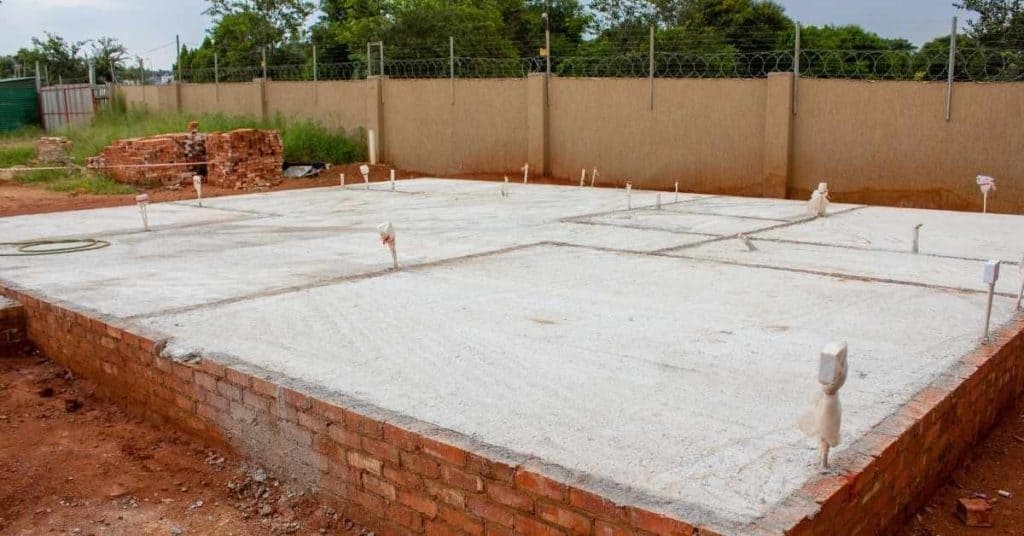
Introduction You can tell if your base is tight enough without a lab test by using simple on-site checks and observable indicators. This article explains practical signs, how to perform quick field checks, and the kinds of results that indicate adequate compaction so you can proceed with confidence. Key takeaways Field checks gauge compaction level […]

Compaction Basics: How to Tell If Your Base Is Tight Enough Without a Lab Test Read More »
Gravel Base Thickness for Patios: Choosing 4″ or 8″ with Real Examples

Gravel Base Thickness for Patios: Choosing 4″ or 8″ with Real Examples

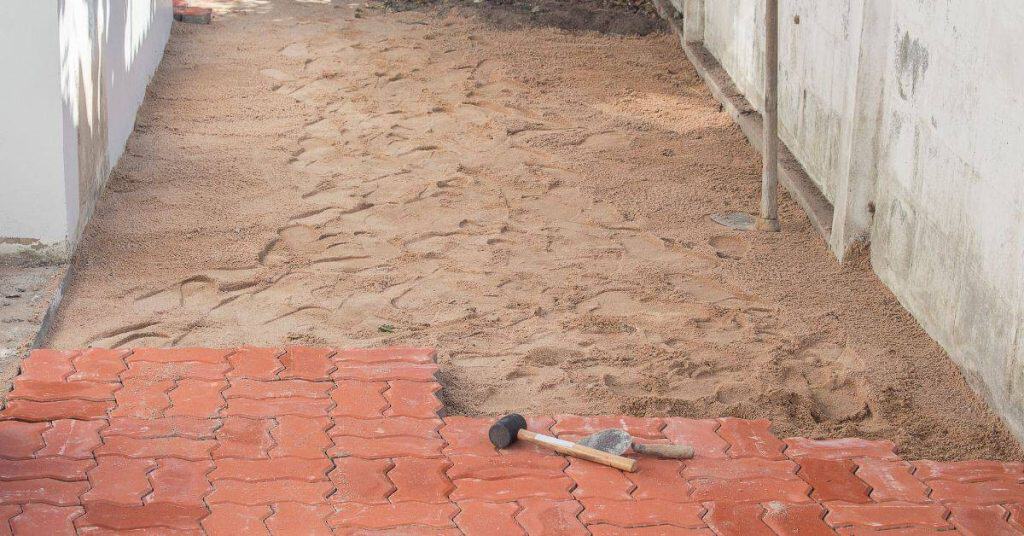
Introduction Gravel base thickness for patios should be 4 inches for standard light-use patios and 8 inches where soils are soft or loads are higher. You’ll learn practical guidelines, real-world examples, and simple steps to choose the right thickness for your site. Key takeaways 4-inch bases suit small patios with light loads and compacted soil.

Gravel Base Thickness for Patios: Choosing 4″ or 8″ with Real Examples Read More »

Slab-on-Grade Edge Insulation: Where It Helps and Where It Causes Trouble

Slab-on-Grade Edge Insulation: Where It Helps and Where It Causes Trouble

Introduction The slab-on-grade construction method is popular for its simplicity and cost-effectiveness. However, it’s crucial to understand where edge insulation helps and where it might cause issues. This guide will walk you through the benefits and potential drawbacks of using edge insulation in your slab-on-grade project. Let’s dive right in! Key takeaways Evaluate edge insulation

Slab-on-Grade Edge Insulation: Where It Helps and Where It Causes Trouble Read More »

Capillary Break Under Footings: Simple Gravel + Poly Details That Reduce Damp Basements

Capillary Break Under Footings: Simple Gravel + Poly Details That Reduce Damp Basements

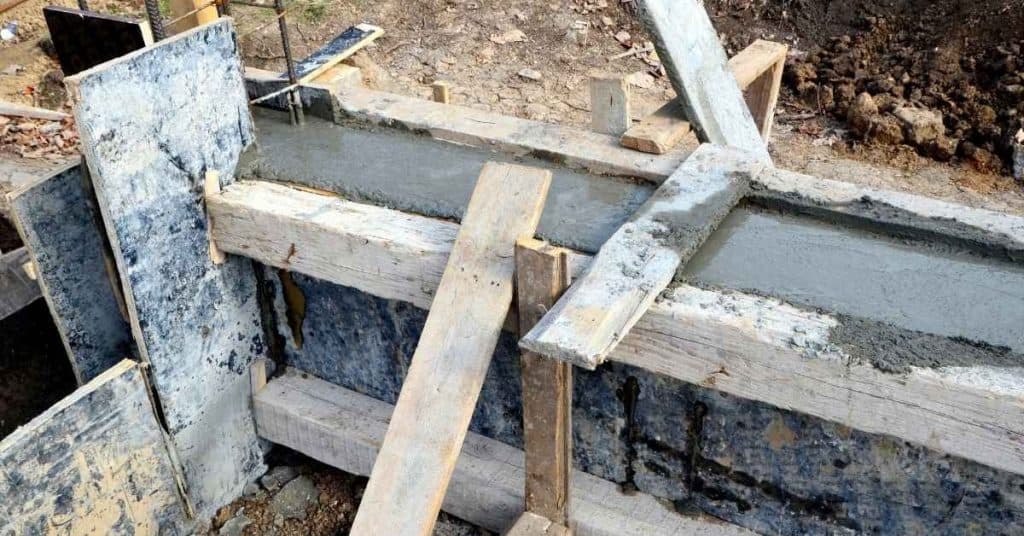
Introduction A gravel capillary break beneath footings, combined with a poly barrier, prevents capillary rise and reduces basement dampness. The article shows how this simple system works in practice and walks you through practical steps for selecting gravel, installing the barrier, and laying out the under-footing layer to improve moisture control. Key takeaways Use continuous

Capillary Break Under Footings: Simple Gravel + Poly Details That Reduce Damp Basements Read More »

Expansion/Movement Joints: Where to Leave Gaps and How to Finish Them Cleanly

Expansion/Movement Joints: Where to Leave Gaps and How to Finish Them Cleanly

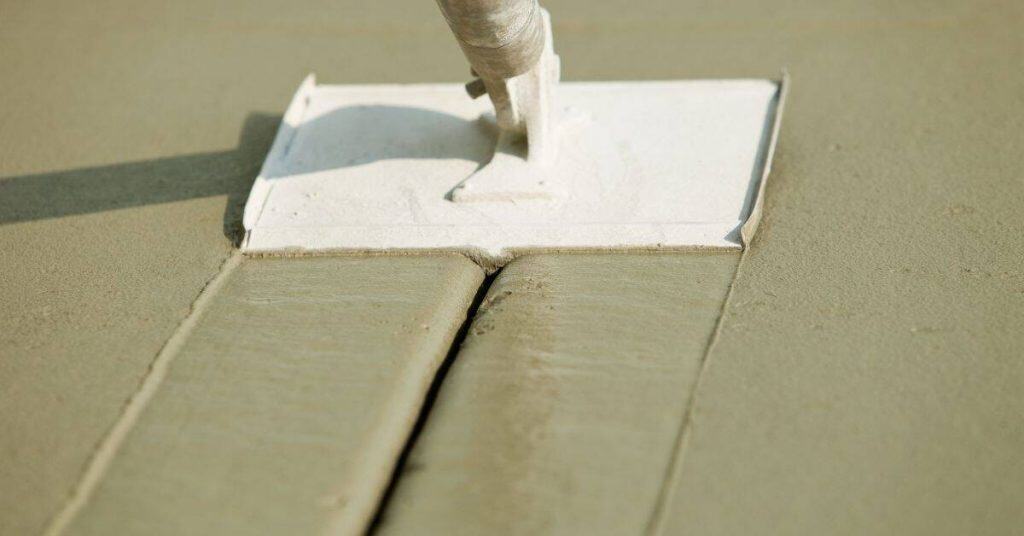
Introduction Leave proper gaps at expansion and movement joints to accommodate building movement and prevent cracking. This introduction explains how to choose appropriate gap sizes, where joints belong, and how to finish them cleanly with durable sealants and proper detailing. You’ll learn practical tips, common mistakes to avoid, and a straightforward approach to creating joints

Expansion/Movement Joints: Where to Leave Gaps and How to Finish Them Cleanly Read More »

The Most Overlooked Step in Flashing Installation That Prevents Annoying Water Leaks

The Most Overlooked Step in Flashing Installation That Prevents Annoying Water Leaks

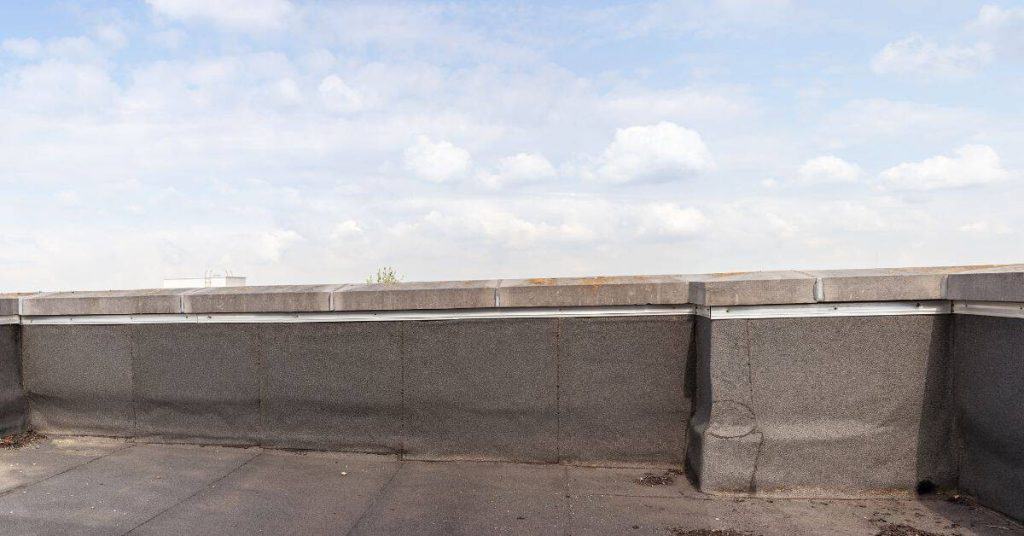
Introduction Properly sealing joints during flashing installation is the most overlooked step that prevents annoying water leaks. This article explains why that step matters and walks you through practical techniques, tips, and common mistakes to avoid so you can install flashing with confidence. You’ll learn how to identify vulnerable spots, choose the right sealant, and

The Most Overlooked Step in Flashing Installation That Prevents Annoying Water Leaks Read More »

How Humid Summers Reveal Weaknesses in Diy Concrete Coatings

How Humid Summers Reveal Weaknesses in Diy Concrete Coatings

Introduction Humidity exposes the weaknesses of DIY concrete coatings. You’ll learn how moisture affects adhesion and curing, and walk through practical steps for assessing conditions, prepping surfaces, choosing suitable coatings, and applying them for lasting protection. Key takeaways Humidity slows cure; keep substrate above 60°F and ensure good ventilation during application. Epoxy and polyurea performance

How Humid Summers Reveal Weaknesses in Diy Concrete Coatings Read More »

The Hidden Danger of Using Styrofoam Insulation Behind Stucco: Fire Risks and Moisture Traps

The Hidden Danger of Using Styrofoam Insulation Behind Stucco: Fire Risks and Moisture Traps

Introduction Styrofoam insulation, while affordable and easy to install, hides significant risks when used behind stucco. This guide explores these dangers, focusing on fire hazards and moisture traps. Key takeaways Identify foam types (EPS, XPS, EIFS) and their compatibility with stucco. Inspect installation flaws: gaps, flashing failures, or improper fastening that trap moisture. Fire risks

The Hidden Danger of Using Styrofoam Insulation Behind Stucco: Fire Risks and Moisture Traps Read More »

When Paint Sealers Backfire: the Moisture Problem Most Diyers Don’t Anticipate

When Paint Sealers Backfire: the Moisture Problem Most Diyers Don’t Anticipate

Introduction Paint sealers can backfire by trapping moisture, leading to issues most DIYers don’t anticipate. In this guide, you’ll learn how moisture interacts with sealers, how to spot warning signs, and practical steps, tips, and rules of thumb to prevent moisture-related failures. Key takeaways Assess moisture sources first: leaks, condensation, hydrostatic pressure before painting Basement

When Paint Sealers Backfire: the Moisture Problem Most Diyers Don’t Anticipate Read More »