Recharging Groundwater at Home: Rain Gardens, Permeable Paths, and What Works

Recharging Groundwater at Home: Rain Gardens, Permeable Paths, and What Works

Introduction You can recharge groundwater at home by using rain gardens and permeable paths that help water soak in rather than run off. This guide walks through practical setup ideas, simple design rules of thumb, and real-world examples to show what works and how to implement it safely. Key takeaways Assess site topography and soil […]

Recharging Groundwater at Home: Rain Gardens, Permeable Paths, and What Works Read More »

Concrete Block Pavement: DIY Basics + Pro Tips for Better Results

Concrete Block Pavement: DIY Troubleshooting Guide – Symptoms & Fixes

Introduction The duration of your concrete block pavement project can vary greatly depending on several factors. Understanding the timeline and breaking down the process into manageable stages will help you plan effectively and achieve better results. In this guide, we’ll walk you through the step-by-step process, focusing on how long each stage takes, so you

Concrete Block Pavement: DIY Troubleshooting Guide – Symptoms & Fixes Read More »

Concrete Finish Types: DIY Guide, Tools, and Common Mistakes

Concrete Finish Types: DIY Guide, Tools, and Common Mistakes

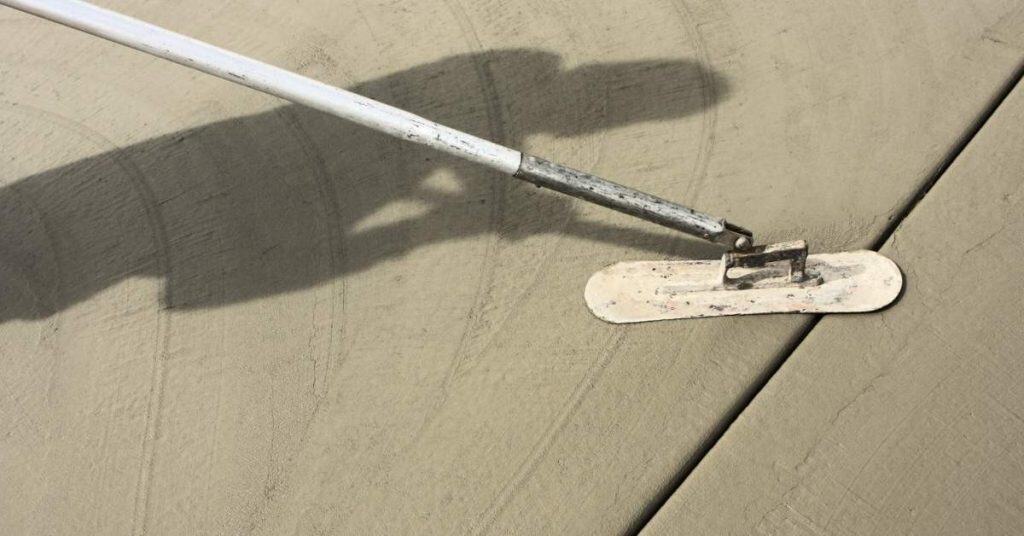
Introduction This guide explains the main concrete finish types and how to choose the right approach for DIY projects. You’ll learn practical steps, tips, and rules of thumb for applying finishes, avoiding common mistakes, and achieving durable results. Key takeaways Proper surface prep ensures consistent finish and prevents cracking during curing. Use maintenance-friendly sealers suited

Concrete Finish Types: DIY Guide, Tools, and Common Mistakes Read More »

Concrete Frame Structure: DIY Basics + Pro Tips for Better Results

Concrete Frame Timeline: Plan a 6–12 Week Build

Introduction A reinforced-concrete frame is the load-bearing skeleton of a structure: foundations, columns, beams, slabs, structural walls, reinforcement, and their connections. Completing the frame is not the same as completing a building; enclosure, roofing, utilities, finishes, site work, and final occupancy approval are separate scopes. This is a planning guide, not a structural design guide.

Concrete Frame Timeline: Plan a 6–12 Week Build Read More »

Tensile Strength of Concrete: DIY Best Practices + Quick Checks

Tensile Strength of Concrete: DIY Troubleshooting Guide — Symptoms & Fixes

Introduction Concrete rarely fails because a homeowner can identify a low “tensile-strength number” at home. More often, the warning signs are cracks, a dusty or soft surface, scaling, hollow-sounding areas, loose anchors, or concrete that dried too quickly after placement. Start by making the area safe, documenting what you see, and separating a cosmetic surface

Tensile Strength of Concrete: DIY Troubleshooting Guide — Symptoms & Fixes Read More »

Translucent Concrete: Materials, Steps, and Mistakes to Avoid

DIY Translucent Concrete: Make a Nonstructural Test Panel

Introduction DIY translucent concrete is best treated as a small, decorative, nonstructural interior test panel—not as a substitute for an engineered wall, floor, façade, stair, guard, or building panel. Commercial products are typically proprietary prefabricated systems: for example, Litracon describes light-transmitting concrete made with fine concrete and optical fibers, alongside a separate proprietary plastic-unit panel

DIY Translucent Concrete: Make a Nonstructural Test Panel Read More »

Slab to Slab Construction: DIY Guide, Tools, and Common Mistakes

Slab to Slab Construction: DIY Guide, Tools, and Common Mistakes

Introduction Slab to Slab Construction provides a practical approach for building continuous, durable concrete slabs. This guide walks you through planning, site preparation, formwork, and pour sequencing, so you know what to expect at each step. You’ll learn practical tips for achieving a level surface, proper curing, and avoiding common pitfalls in DIY slab projects.

Slab to Slab Construction: DIY Guide, Tools, and Common Mistakes Read More »

Where Does Ice and Water Shield Go on a Roof? Placement Rules, Overlaps, and DIY Install Tips

Where Does Ice and Water Shield Go on a Roof? Placement Rules, Overlaps, and DIY Install Tips

Introduction Place ice and water shield on the roof at the eaves, valleys, and other vulnerable areas beneath the shingles to prevent leaks. You’ll learn where to position it, how to overlap seams, and practical DIY installation tips for typical roof pitches and layouts. Key takeaways Install underside roof edges first, then run shield up

Where Does Ice and Water Shield Go on a Roof? Placement Rules, Overlaps, and DIY Install Tips Read More »

What Is Lightweight Concrete: DIY Basics + Pro Tips for Better Results

Lightweight Concrete: DIY Cost Breakdown & Budgeting Guide for Better Results

Introduction Embarking on a lightweight concrete project? Understanding the timeline and duration is crucial to ensure your project stays on track. This guide walks you through each step, from planning to curing, so you can complete your project efficiently and achieve excellent results. The duration of a lightweight concrete project depends on various factors such

Lightweight Concrete: DIY Cost Breakdown & Budgeting Guide for Better Results Read More »

Installing Cove Lighting in Crown Molding (prep, Tools, and Pro Tips)

Installing Cove Lighting in Crown Molding (prep, Tools, and Pro Tips)

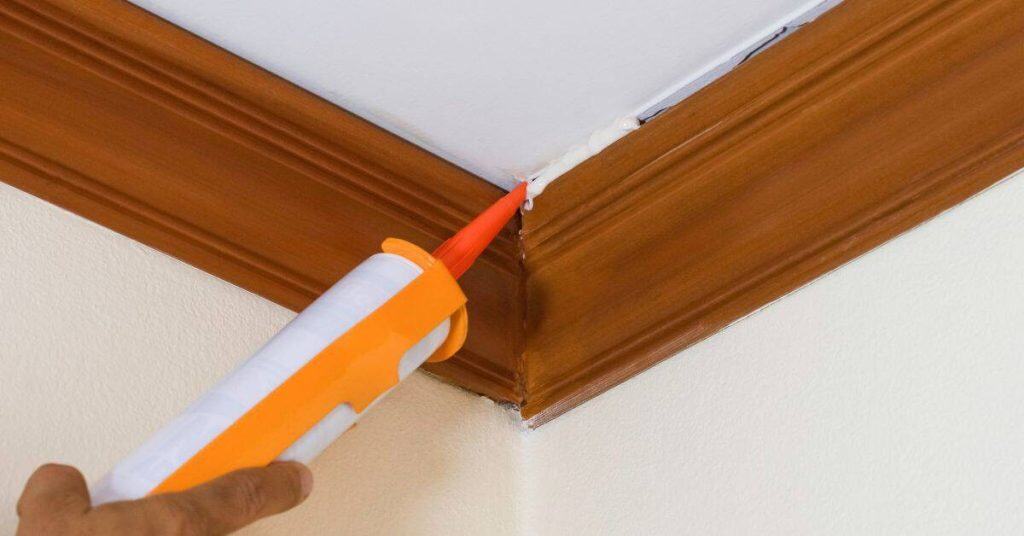
Introduction Install Cove Lighting in Crown Molding to create seamless ambient illumination with no visible fixtures. You’ll learn how to prep the space, choose the right LED strip or linear light, and run wiring safely for a clean, professional look. The guide walks through practical steps, tips, and rules of thumb to help you plan,

Installing Cove Lighting in Crown Molding (prep, Tools, and Pro Tips) Read More »