close-up of red brick wall with mortar joints

Choosing Caulk for Brick Joints: Polyurethane vs Hybrid vs Silicone (and why it matters)

Introduction Caulk for brick joints is the sealant you install between bricks to keep water out and allow for some movement. Common options are polyurethane, hybrid, and silicone, each with trade-offs for adhesion, flexibility, and durability. Always check the product label for brick or masonry compatibility and whether it can be painted if you need […]

Choosing Caulk for Brick Joints: Polyurethane vs Hybrid vs Silicone (and why it matters) Read More »

Construction worker laying a red brick on a wall

Expansion Anchors in Brick: Why Some Bricks Split—and Safer Alternatives

Introduction Expansion anchors in brick are fasteners that expand behind the masonry to grip, and improper use can crack bricks or mortar. Choose anchors that match the brick and load, and always check manufacturer directions and local rules. If you’re unsure, err on the side of safer, lighter loads and non‑expansion options when possible. Safer

Expansion Anchors in Brick: Why Some Bricks Split—and Safer Alternatives Read More »

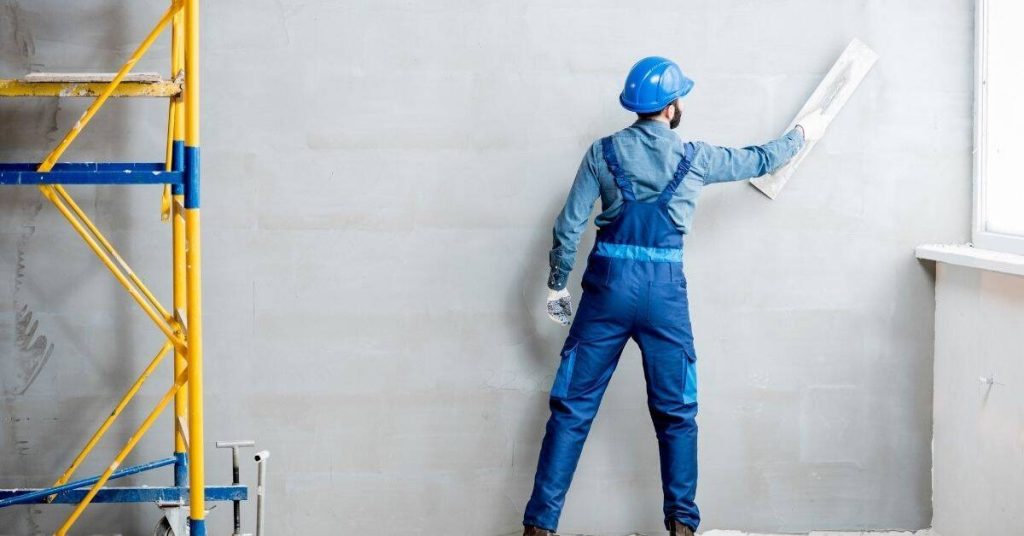
Worker smoothing plaster wall with trowel near scaffold

Hanging Heavy Objects on Plaster: Toggles, Backing, and Safer Load Paths

Introduction Hanging heavy objects on plaster requires proper backing and safe load paths. Drilling through plaster without a backing can crack the wall, so you need an anchor plan that holds. Always follow the hardware manufacturer’s instructions for plaster surfaces. Begin by locating solid backing or using toggles and backing material designed for plaster. Plan

Hanging Heavy Objects on Plaster: Toggles, Backing, and Safer Load Paths Read More »

Close-up of textured white plaster surface

Flexible Caulks for Plaster Transitions: What Moves Without Staining

Introduction Flexible caulks for plaster transitions are sealants that move with the wall without staining. They help bridge gaps where plaster, drywall, and moldings meet. Choose a product labeled for interior use and compatible with plaster. In a DIY setup, prep clean edges, shape the bead, and smooth the joint with a damp finger. Always

Flexible Caulks for Plaster Transitions: What Moves Without Staining Read More »

close up of white textured hardwall plaster surface

Hairline Crazing in Hardwall Plaster: Surface Keying and Breathable Topcoats

Introduction Hairline crazing in hardwall plaster is fine cracks that form on the surface when the plaster dries and the finish isn’t keyed well enough for the next coat. It happens when the surface isn’t gripping the base layer, or small movements stress the top layers. The fix starts with proper surface keying and choosing

Hairline Crazing in Hardwall Plaster: Surface Keying and Breathable Topcoats Read More »

Man smoothing plaster on wall with float tool

Pozzolans in Lime Plaster: Metakaolin Tradeoffs for Strength and Workability

Introduction Pozzolans in lime plaster are reactive materials that improve set and workability when mixed with lime. Metakaolin is a common pozzolan used with lime plaster to balance strength and plasticity, but it can also affect curing and finish. In this intro, you’ll get a plain-language overview of what to expect when you mix metakaolin

Pozzolans in Lime Plaster: Metakaolin Tradeoffs for Strength and Workability Read More »

Closeup of textured burlap fabric with natural fibers

Building a Lime Plaster Sample Board Library: Color, Texture, and Sealer Tracking

Introduction A lime plaster sample board library is a hands-on set of small plaster tests you build to compare color, texture, and sealer outcomes. You’ll lay out different mixes on separate boards and note how each one looks when it dries. Keep the boards labeled and stored where they won’t get ruined by weather. Start

Building a Lime Plaster Sample Board Library: Color, Texture, and Sealer Tracking Read More »

Putty knife with dried plaster on wooden surface

Leveling Wavy Lath Before Plastering: Shimming, Tension, and Straightedge Control

Introduction Leveling wavy lath before plastering means making the wall lath flat and true so the plaster can set evenly. Start by mapping high and low spots and use thin shims or temporary battens to bring the lath into line. Always refer to the lath type’s instructions and local rules to choose the right method.

Leveling Wavy Lath Before Plastering: Shimming, Tension, and Straightedge Control Read More »

Hand applying plaster to wall with trowel wearing glove

Fixing Plaster After Water Stains: Salts, Stain Blocking, and When to Cut Out

Introduction Water stains on plaster indicate moisture and mineral salts that have bled into the surface. Address the source and let the area dry before patching, and remove any loose or damaged plaster you can see. Choose a stain-blocking product and patch material based on the area, and always check the label for compatibility and

Fixing Plaster After Water Stains: Salts, Stain Blocking, and When to Cut Out Read More »