Worker smoothing plaster on wall with trowel

Plaster Near Masonry Chimneys: Expansion Gaps That Prevent Heat-Cycle Cracks

Introduction Expansion gaps between plaster and masonry chimneys help prevent cracks from heating and cooling. When the chimney heats up, the brick or metal behind the plaster expands and the plaster needs room to move. Without a gap, cracks can form as parts push against each other. To set this up during a DIY job, […]

Plaster Near Masonry Chimneys: Expansion Gaps That Prevent Heat-Cycle Cracks Read More »

Hand smoothing lime plaster on wall with trowel

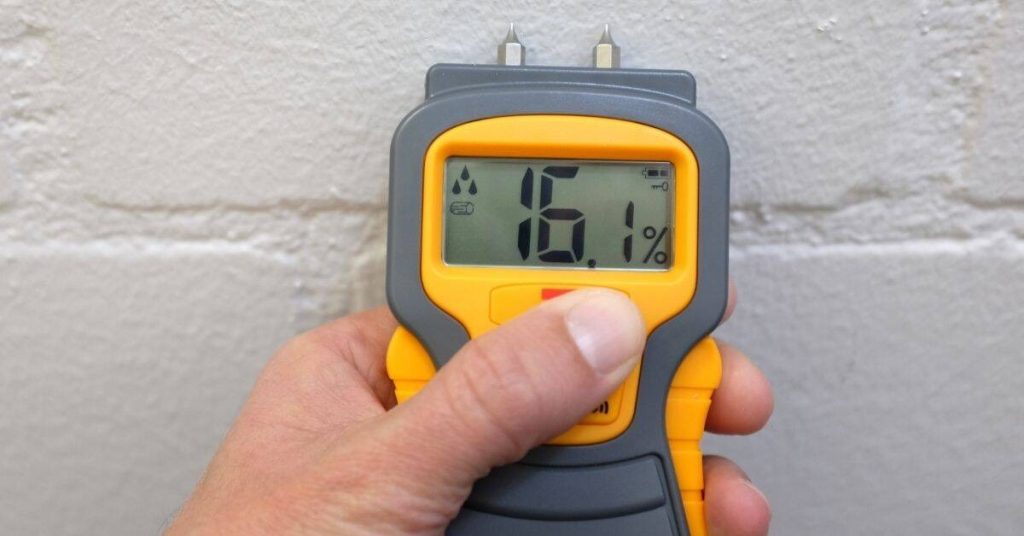
Lime Plaster in Basements: Moisture Testing, Vapor Drive, and Paint Choices

Introduction Lime plaster in basements is a breathable plaster finish that helps manage moisture. It relies on lime’s chemistry to let vapor pass while providing a durable coat. This DIY approach requires careful moisture testing and proper surface prep. Moisture testing, understanding vapor drive, and choosing compatible paints matter for long-term performance. Check product labels,

Lime Plaster in Basements: Moisture Testing, Vapor Drive, and Paint Choices Read More »

Hand in blue glove cleaning white wall with green sponge

Cleaning and Resealing Polished Plaster: Soap Scum, Dull Spots, and Refresh Coats

Introduction Cleaning and resealing polished plaster means removing soap scum and dull spots and applying a fresh protective coat. This is a hands-on DIY job that restores the surface without tearing it out. Expect a light scrubbing, careful rinse, and a new sealant layer following the manufacturer’s instructions. Before you start, check the product labels

Cleaning and Resealing Polished Plaster: Soap Scum, Dull Spots, and Refresh Coats Read More »

Hand applying plaster on wall with metal trowel

Clay Plaster Dent Repairs: Spot Blends, Burnish Timing, and Invisible Touch-Ups

Introduction Clay plaster dent repairs are about filling dents with clay plaster, blending the patch to the surrounding wall, and keeping the finish invisible. This is a hands-on, small-mesh job you can tackle with basic tools and careful timing. You’ll spot blend by feathering edges and adjusting texture until the repaired area matches the wall.

Clay Plaster Dent Repairs: Spot Blends, Burnish Timing, and Invisible Touch-Ups Read More »

Close-up of textured polished plaster wall surface

Sanding vs Burnishing Polished Plaster: Fixing Trowel Tracks Without Haze

Introduction Sanding and burnishing polished plaster is the process of smoothing and finishing the surface to remove trowel tracks and haze. This is done after the plaster has cured enough to work but while it’s still workable, using gentle abrasion and polish. The goal is a uniform, matte or soft sheen without gouges. Before you

Sanding vs Burnishing Polished Plaster: Fixing Trowel Tracks Without Haze Read More »

Brick wall with window and brick lintel above

Replacing a Rusted Brick Lintel: Supporting the Wall and Preventing Future Stains

Introduction Replacing a rusted brick lintel means removing the corroded support above an opening and installing a proper replacement to keep the wall carrying loads. Before you touch it, set up temporary shoring to hold the wall while you work, and inspect the surrounding brick and mortar for damage. Check local rules and the manufacturer’s

Replacing a Rusted Brick Lintel: Supporting the Wall and Preventing Future Stains Read More »

Construction worker laying mortar on brick wall outdoors

Stair-Step Cracks in Brick Walls: What They Mean and When It’s Serious

Introduction Stair-step cracks in brick walls are diagonal cracks that zigzag up the wall along the mortar joints. They often signal movement in the wall, not just settling. If you see them, inspect for movement, moisture, and any doors or windows that stick. What you do next depends on how serious the crack looks and

Stair-Step Cracks in Brick Walls: What They Mean and When It’s Serious Read More »

Stone column bases and brick wall with light reflections

Brick Chimney Crown Repairs: Why Crowns Crack and How to Form Better Ones

Introduction A brick chimney crown is the concrete cap that sits on top of a brick chimney and keeps water out. Cracks show that the crown is failing and needs attention to prevent water damage. In this DIY guide, you’ll learn a practical, hands-on approach to inspecting, preparing, and forming a better crown. Always check

Brick Chimney Crown Repairs: Why Crowns Crack and How to Form Better Ones Read More »

Partially laid red brick pavers with sand base and tools

Rebuilding Loose Brick Steps: When to Reset vs Rebuild (and how to prep the base)

Introduction Resetting loose brick steps means stabilizing the stairs by cleaning the base, re-seating the bricks, and securing them so the steps are solid again. This article walks you through deciding when to reset versus rebuild and how to prep the base. You’ll find practical, hands-on tips for a DIY job without fancy gear. Start

Rebuilding Loose Brick Steps: When to Reset vs Rebuild (and how to prep the base) Read More »