Black metal table and chairs on brown wooden deck floor

UV Yellowing in Clear Coats: How to Reduce It on Painted Projects

Introduction UV yellowing in clear coats is the whitening or ambering of a protective finish caused by sunlight exposure. It happens when the clear layer breaks down under UV rays, especially on bright, sunny days. To reduce it, minimize direct sun on freshly coated surfaces and choose products with built-in UV blockers as indicated by

UV Yellowing in Clear Coats: How to Reduce It on Painted Projects Read More »

Open paint cans with various colors on wooden surface

Uneven Coverage With Dark Colors: Undercoats and Recoat Strategy

Introduction Uneven coverage with dark colors happens when undercoats and topcoats don’t lay down evenly, leaving visible patches and color shifts. That’s usually tied to how you prep, prime, and apply the coats. A careful, consistent plan helps you avoid mottling and streaks on the final finish. Start by choosing a primer and undercoat strategy

Uneven Coverage With Dark Colors: Undercoats and Recoat Strategy Read More »

Person applying white caulking around window frame

Touch-Up Paint That Won’t Blend: Feathering, Sheen Matching, and Reset Options

Introduction Touch-up paint that won’t blend is when a fresh patch stands out from the surrounding finish. This article covers practical ways to feather edges, match sheen, and reset the surrounding area so repairs look seamless. We’ll keep it simple and hands-on, using tools and steps you can try at home. Start with small tests

Touch-Up Paint That Won’t Blend: Feathering, Sheen Matching, and Reset Options Read More »

Spiked roller on wet gray epoxy floor coating

Surfactant Leaching on Fresh Paint: Why Brown Drips Appear and How to Clean Them

Introduction Surfactant leaching is when soap-like compounds in the paint migrate to the surface and leave brown drips. You’ll see streaks or darker specks after a fresh coat as these materials rise to the top. If you notice this, check the paint label and follow the manufacturer guidance for compatible primers and topcoats. To fix

Surfactant Leaching on Fresh Paint: Why Brown Drips Appear and How to Clean Them Read More »

Worker painting wall with roller near ladder in room

Seam Ghosting After Painting: Why Joints Show and How to Fix the Lighting Effect

Introduction Seam ghosting after painting is when joint lines, tape, and seams remain visible through the paint due to differences in texture, sheen, or how light hits the surface. This happens when the joint material and surrounding wall reflect light differently, or when the paint film doesn’t level over the seam. It’s common after patching

Seam Ghosting After Painting: Why Joints Show and How to Fix the Lighting Effect Read More »

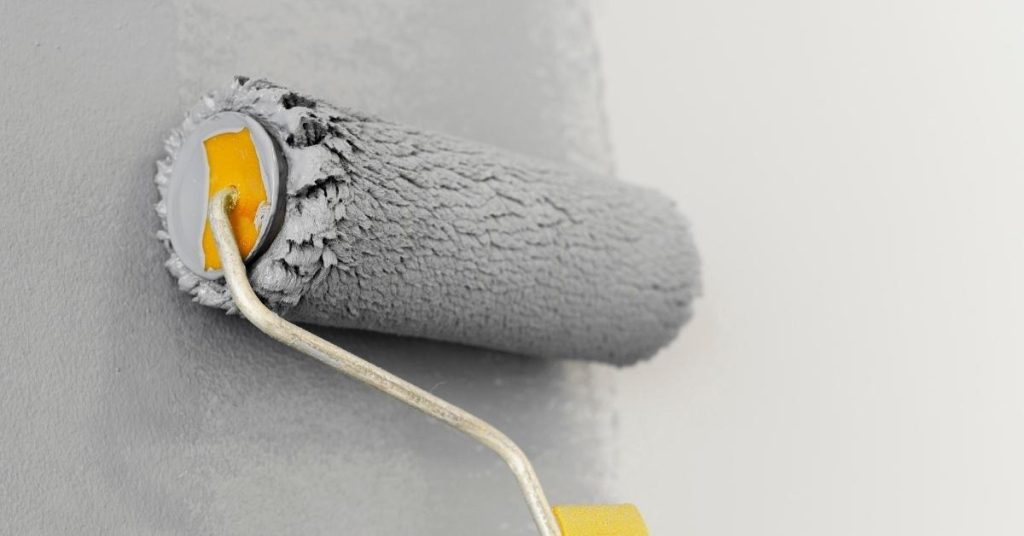
Paint roller applying gray paint on white wall

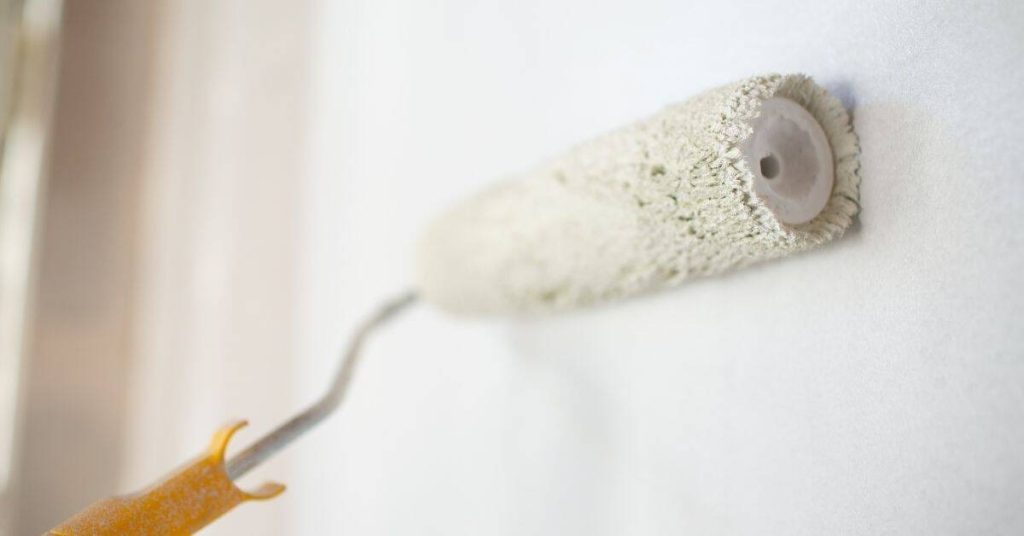
Roller Stipple Problems: How to Get Smoother Walls Without Spraying

Introduction Roller stippling is a technique that creates a textured, stippled wall by rolling on paint with a stippling roller. This intro helps you spot common issues and set up for a smoother finish without spraying. Keep in mind technique and paint consistency matter, not big machinery. Choose a roller with a suitable nap and

Roller Stipple Problems: How to Get Smoother Walls Without Spraying Read More »