Empty wheelbarrow laying on wet concrete surface

Concrete Sealer Whitening: Moisture Trapping vs Application Errors

Introduction Concrete sealer whitening is when the finish looks cloudy or white after sealing. This can happen from moisture trapped beneath the film or from mistakes during application. Common symptoms are cloudy patches and a milky look that won’t cure clear. Fixes involve addressing moisture sources and correcting application errors. Make sure the surface is […]

Concrete Sealer Whitening: Moisture Trapping vs Application Errors Read More »
Workers pouring wet concrete over steel rebar grid

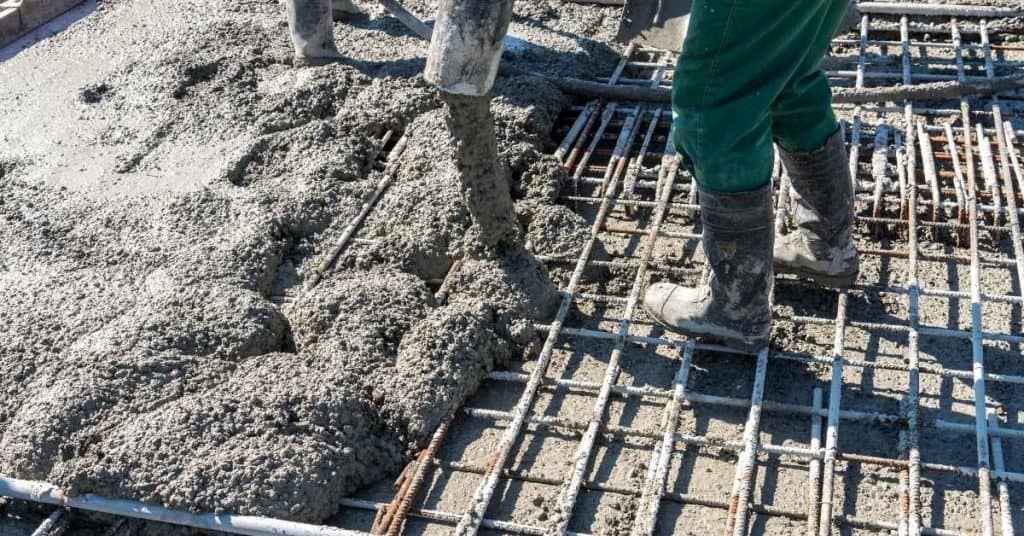
Concrete Rebar Shadowing: Why Lines Appear and What You Can Do

Introduction Concrete rebar shadowing is when the lines of embedded steel rebar show up as darker or lighter lines on the surface after curing. This happens as moisture, temperature, and the metal interact during the cure, with the surface sometimes mirroring the rebar pattern. Differences in finishing between forms or around the rebar can further

Concrete Rebar Shadowing: Why Lines Appear and What You Can Do Read More »

Smooth concrete window sill under open window with shadows

Concrete Microcracks After Curing: Causes, Visibility, and When to Seal

Introduction Concrete microcracks after curing are tiny cracks that form as the slab gains strength and settles. They are usually hairline and may be visible on the surface or near joints. Causes include shrinkage, temperature changes, and normal settling, not necessarily a defect. Sealing timing and product choice depend on your climate and the sealer

Concrete Microcracks After Curing: Causes, Visibility, and When to Seal Read More »

Close up of concrete surface with small voids and holes

Concrete Honeycombing: Why Voids Form and How to Patch Properly

Introduction Concrete honeycombing is voids or gaps in the concrete left by poor compaction, creating a honeycomb-like texture. It’s often visible on the surface as rough pockets and can affect how the finish looks and wears. For DIYers, inspect exposed areas after form removal and under surfaces to spot these voids early. Common causes include

Concrete Honeycombing: Why Voids Form and How to Patch Properly Read More »

Person spraying black paint on concrete pillar outdoors

Concrete Grinding Dust Control: Shrouds, Vacuums, and Cleanup Workflow

Introduction Concrete grinding dust control is the setup of shrouds and vacuums to keep dust from spreading. Use a shroud around the grinder and connect a vacuum with proper seals and hoses to capture dust at the source. Always follow the grinder and vacuum maker’s instructions for connections and filters. A clean cleanup workflow matters

Concrete Grinding Dust Control: Shrouds, Vacuums, and Cleanup Workflow Read More »