Damaged stucco wall with reinforcing mesh exposed

Repairing Stucco Around Dryer Vents: Flashing and Sealant Details That Drain

Introduction Flashing and sealant around dryer vents keep water from leaking into the wall. This intro covers how to inspect, clean, and prep the area before you patch. You’ll want to match what you use to your vent size and wall material, and follow local rules. Start by removing loose stucco and cleaning the vent

Repairing Stucco Around Dryer Vents: Flashing and Sealant Details That Drain Read More »

Hand wearing blue glove scrubbing stucco wall with green sponge

Repainting Old Stucco: Cleaning, Priming, and Coatings That Don’t Peel

Introduction Repainting old stucco means preparing the surface, then applying primer and coatings that resist peeling. It’s a hands-on process you can do in stages, not a one-shot job. Focus on cleanliness, a good seal, and choosing products labeled for stucco and exterior use. Start with a thorough cleaning, fix obvious cracks, and verify the

Repainting Old Stucco: Cleaning, Priming, and Coatings That Don’t Peel Read More »

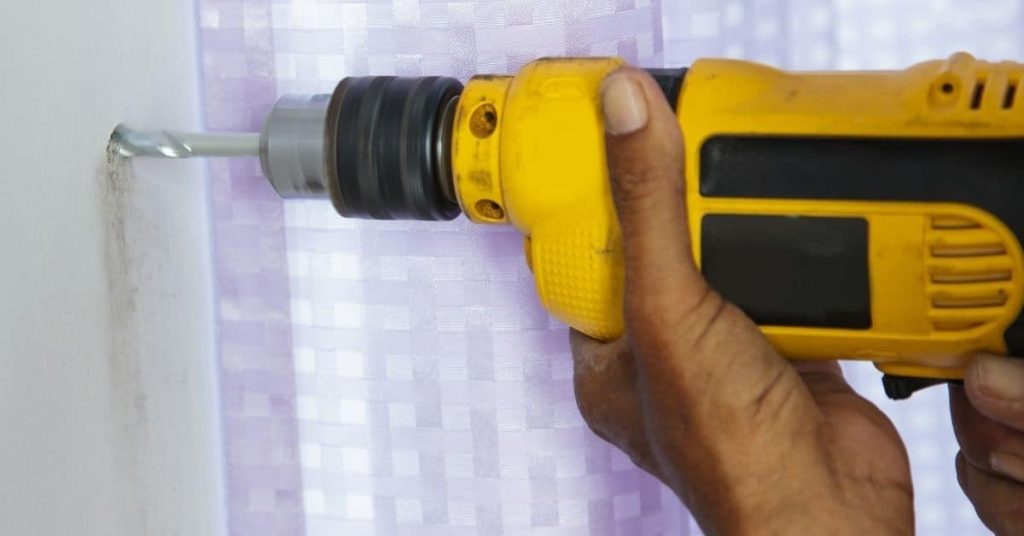
Hand holding yellow electric drill drilling masonry wall

Parapet Caps and Stucco: Top-Edge Details That Stop Water Entry

Introduction Parapet caps and top-edge detailing are practical, water-shedding features that keep rain from entering at the roof edge. They create a barrier and direct moisture away, so you don’t get leaks behind the stucco.Think of them as the crown that seals and protects the top of your parapet. Key takeaways Ensure parapet cap edges

Parapet Caps and Stucco: Top-Edge Details That Stop Water Entry Read More »

Hand spraying paint with air gun spray nozzle

Painting EIFS vs Traditional Stucco: Coating Differences DIYers Miss

Introduction EIFS is an exterior insulation and finish system, while traditional stucco is a cement-based finish applied directly to the substrate. In practice, that means different backing, different moisture paths, and different paint compatibility. The key is to check what your wall is built with and choose coatings that match that system’s expectations. As a

Painting EIFS vs Traditional Stucco: Coating Differences DIYers Miss Read More »

Stucco wall with a long patch near basement window

Fixing Hollow-Sounding Stucco: When to Patch vs When to Rebuild

Introduction Hollow-sounding stucco means the outer layer isn’t firmly attached to the wall and loose areas rattle. For small, localized hollows, you can patch; for wide or underlying damage, you’ll likely need to rebuild the affected area. This is a hands-on decision that depends on what’s beneath the surface and how stable the substrate feels.

Fixing Hollow-Sounding Stucco: When to Patch vs When to Rebuild Read More »

Close-up of blue stucco wall texture with raised sections

Fasteners Through Stucco: Sealing Strategies That Don’t Create Water Traps

Introduction Fasteners through stucco are methods for attaching items to a stucco surface while keeping water from getting trapped behind it. In practice, you need a seal that sheds water and a proper flashing path so moisture can’t linger. This article speaks in plain terms about choosing fasteners and sealants without creating hidden leaks. To

Fasteners Through Stucco: Sealing Strategies That Don’t Create Water Traps Read More »