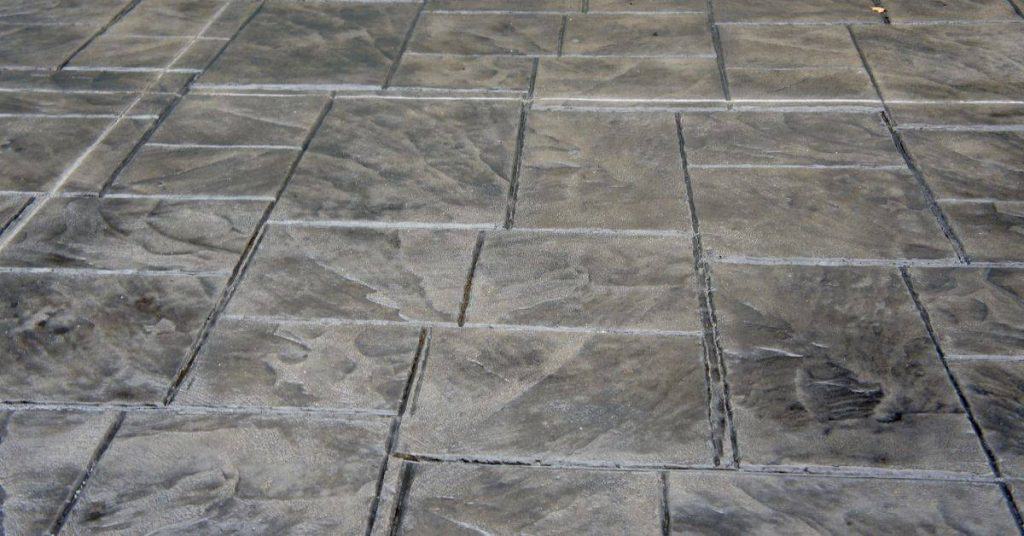
Close-up of textured stamped concrete surface with square pattern

Best Paint Systems for Concrete Block Walls Indoors (Breathability vs. Washability)

Introduction Breathable paint systems allow moisture in the wall to escape while still providing a decorative finish. Washable coatings resist scuffs and stains, but may seal too tight and trap moisture if used improperly. For block walls indoors, balance the needs of humidity, moisture migration, and cleaning ease. Check the product label for breathability ratings […]

Best Paint Systems for Concrete Block Walls Indoors (Breathability vs. Washability) Read More »

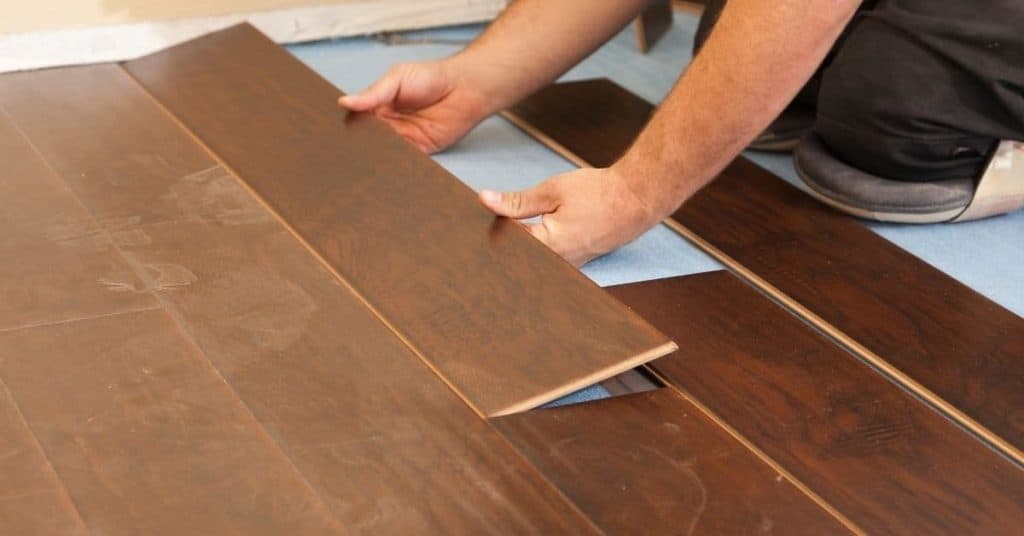
Person using tool to install wooden click-lock flooring plank

Replacing a Single Damaged Plank in Click-Lock Flooring: Two Methods Without Replacing the Whole Row

Introduction Replacing a single damaged plank in click-lock flooring means swapping one bad board without pulling out the entire row. It’s a practical, hands-on fix you can do without tearing out a whole run. You’ll want to check that the replacement plank matches the profile and thickness before you start. One method is to loosen

Replacing a Single Damaged Plank in Click-Lock Flooring: Two Methods Without Replacing the Whole Row Read More »

fresh self-leveling concrete poured on floor

Self-Leveling Underlayment Over Wood Subfloors: Prep, Lath, and Pour Thickness

Introduction Self-leveling underlayment over wood subfloors is a cementitious mix poured over prepared wood to create a flat, stable surface for new floors. It requires cleaning, securing loose boards, removing finishes, and flattening high spots so the surface is sound and ready to accept the leveling compound. Take it slow and work in small sections,

Self-Leveling Underlayment Over Wood Subfloors: Prep, Lath, and Pour Thickness Read More »

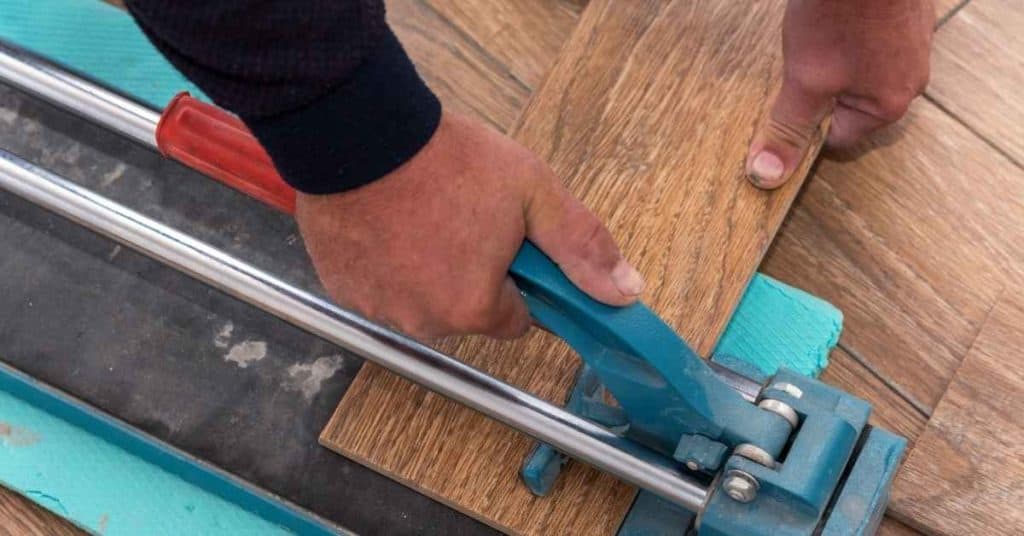
Hands cutting wood-look tile with manual tile cutter

Transition Strips That Don’t Look Cheap: Flush Transitions, Scribes, and Custom Saddles

Introduction Flush transitions are finish pieces that create a seamless edge between floor surfaces without a visible drop or lip. In this article, we’ll cover how to get flush transitions, have clean scribes, and build custom saddles that look like part of the install. Focus on matching height, marking where trim meets the floor, and

Transition Strips That Don’t Look Cheap: Flush Transitions, Scribes, and Custom Saddles Read More »

Herringbone patterned wooden floor in empty room with blue walls

Bamboo Flooring Scratch Repair: Touch-Up Kits vs. Screen-and-Recoat Options

Introduction Touch-up kits and screen-and-recoat are two common ways to repair scratches on bamboo flooring. Bamboo floors are durable, but everyday wear can show scratches, especially in high-traffic areas. This guide will help you decide which method fits your situation and budget. Scratch causes include grit, furniture movement, and moisture exposure, so address the underlying

Bamboo Flooring Scratch Repair: Touch-Up Kits vs. Screen-and-Recoat Options Read More »

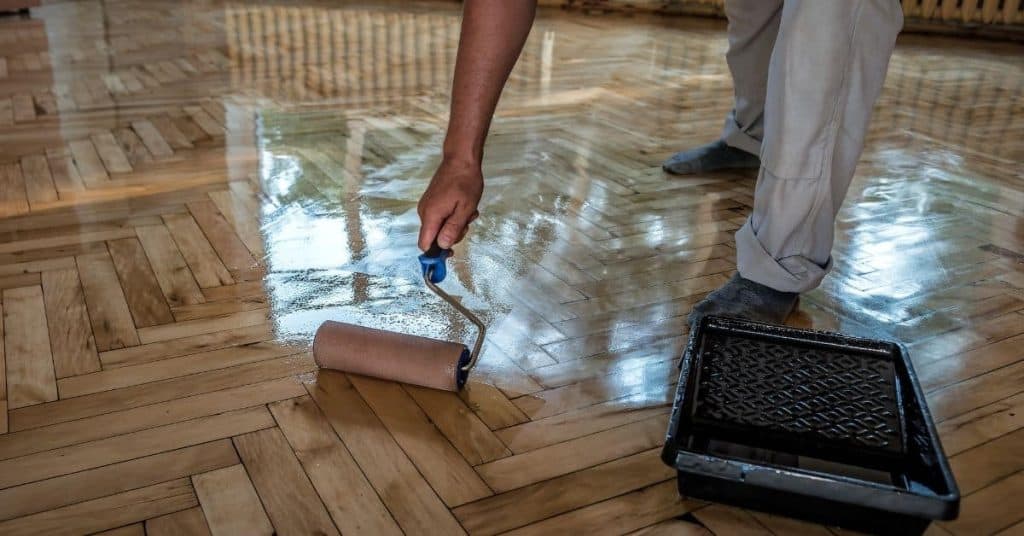
Person applying finish with roller on wood floor

Cork Flooring in Kitchens: Pros, Cons, and the Finish That Prevents Water Spots

Introduction Cork flooring in kitchens is a natural, resilient surface that can be kept water-friendly with the right finish. It brings warmth underfoot and can feel softer than tile, but it needs careful sealing and proper subfloor prep. This intro covers how cork is made, how to install it, and what finish helps prevent water

Cork Flooring in Kitchens: Pros, Cons, and the Finish That Prevents Water Spots Read More »

Person kneeling installing laminate flooring planks

Fixing Squeaky Subfloors Before New Flooring: Screw Patterns and When to Add Blocking

Introduction Squeaky subfloors happen when the subfloor boards move or lack solid support, and fixing them requires securing boards and sometimes adding blocking. Using the right screw patterns helps pull the boards tight and stop movement. Before laying new flooring, you may need to identify problem areas and decide if blocking should be added. You’ll

Fixing Squeaky Subfloors Before New Flooring: Screw Patterns and When to Add Blocking Read More »

Person installing dark laminate flooring indoors

Acclimating Flooring the Right Way: Temperature, Humidity, and the ‘False Acclimation’ Trap

Introduction Acclimating flooring means letting the material adjust to the room conditions before installation. This isn’t a one-size-fits-all rule; temperature and humidity matter, but accuracy comes from checking the product labels and your actual home conditions. Rushed or misreading the room can lead to gaps, warping, or squeaks after install. To avoid the “False Acclimation”

Acclimating Flooring the Right Way: Temperature, Humidity, and the ‘False Acclimation’ Trap Read More »

Living room with hardwood floor and furniture

Hardwood Floor Cupping vs. Crowning: Diagnosing Moisture Direction and Fixing It

Introduction Cupping happens when boards bow with edges higher than the center due to moisture imbalance, and crowning is when the center swells above the edges. In practice, cupping shows as edges higher than the center, with a concave profile across boards, while crowning shows the opposite where the center sits higher than the edges.

Hardwood Floor Cupping vs. Crowning: Diagnosing Moisture Direction and Fixing It Read More »

Packed cardboard boxes and household items in sunlit room

Engineered Hardwood Over Concrete: Glue-Down vs. Floating and Vapor Barrier Strategy

Introduction Engineered hardwood over concrete can be installed either glued down or floated, with a moisture plan in place. This is a practical, hands-on topic that matters for a stable floor and a smooth finish. You’ll see how pre-install steps set the stage and what to check before you start cutting or laying material. Choosing

Engineered Hardwood Over Concrete: Glue-Down vs. Floating and Vapor Barrier Strategy Read More »