Stamped concrete patio with rectangular stone-pattern blocks beside a pool.

Repairing Faded Stamped Concrete: Recolor Options and Reseal Without Trapping Moisture

Introduction Repairing faded stamped concrete means bringing back color and protecting the surface without sealing in moisture that can cause further damage. It’s a hands-on job of cleaning, fixing small surface defects, choosing a recolor method that matches the existing look, and then applying a sealer chosen for breathability and surface conditions. Check product labels […]

Repairing Faded Stamped Concrete: Recolor Options and Reseal Without Trapping Moisture Read More »

Freestanding bathtub on patterned tile floor in bathroom

Stamping Concrete With DIY Mats: Release, Seam Hiding, and Edge Details

Introduction Stamping concrete with DIY mats means pressing patterned rubber or foam mats into fresh concrete to create texture and shape while using a release agent so the mats don’t stick; it’s a hands-on way to mimic stone or tile without pro-grade molds. Pick mats that match the pattern and thickness you want, check the

Stamping Concrete With DIY Mats: Release, Seam Hiding, and Edge Details Read More »

Open paint buckets with yellow pink and green paint and paintbrush

Adding Color Hardener to Small Slabs: Broadcast Technique and Dust Control

Introduction Adding color hardener to small slabs means broadcasting a powdered pigment over fresh concrete and working it in for color and surface wear resistance. It’s a hands-on process that uses basic tools—buckets, shovels, hand floats, brushes—and color hardener product; check the product label and manufacturer instructions for coverage and timing. Do the broadcast in

Adding Color Hardener to Small Slabs: Broadcast Technique and Dust Control Read More »

Worker smoothing wet concrete with steel trowel

How to Avoid Concrete Burn Marks From Steel Trowels: Timing and Pressure

Introduction Concrete burn marks from steel trowels are surface defects caused by working the slab too long or with too much pressure while the surface is still finishing; to avoid them, match your troweling timing and hand pressure to the concrete’s set and follow good finishing technique. This means watching the slab, feeling the surface,

How to Avoid Concrete Burn Marks From Steel Trowels: Timing and Pressure Read More »

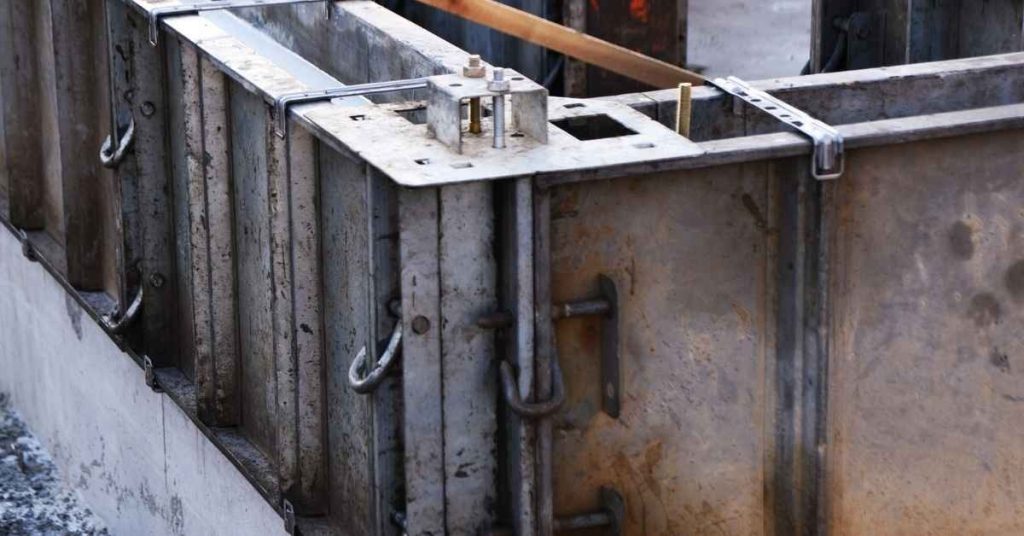
Metal formwork panels assembled for concrete pouring

Steel Troweling on Exterior Concrete: Why It Can Cause Scaling and What to Do Instead

Introduction Steel troweling on exterior concrete is a finishing method that can contribute to scaling when the surface is overworked or cured improperly. Scaling is the flaking or peeling of the top surface of concrete caused by freeze–thaw cycles, poor air entrainment, or surface weakness, and a hard, dense steel-troweled skin can trap moisture and

Steel Troweling on Exterior Concrete: Why It Can Cause Scaling and What to Do Instead Read More »

Hand smoothing plaster on wall with a trowel

Bull Floating vs Magnesium Floating: When Each Surface Is Better for Finishes

Introduction Bull floating uses a wide, rigid tool to flatten and level fresh concrete quickly while magnesium floating uses a lighter, textured board to work the surface finer; choose the tool that matches where you are in the finishing sequence and the look you want. In practice that means use a bull float early to

Bull Floating vs Magnesium Floating: When Each Surface Is Better for Finishes Read More »

Long metal screed smoothing freshly poured concrete slab

Concrete Screeding on Small Slabs: Straightedge Choices and How to Check Flatness

Introduction Concrete screeding on small slabs means using a straightedge to level and strike off excess concrete so the surface is flat and consistent. It’s a hands-on process where the straightedge choice and your technique matter more than fancy tools, and if a spec matters you should check the product label or local rules. Good

Concrete Screeding on Small Slabs: Straightedge Choices and How to Check Flatness Read More »

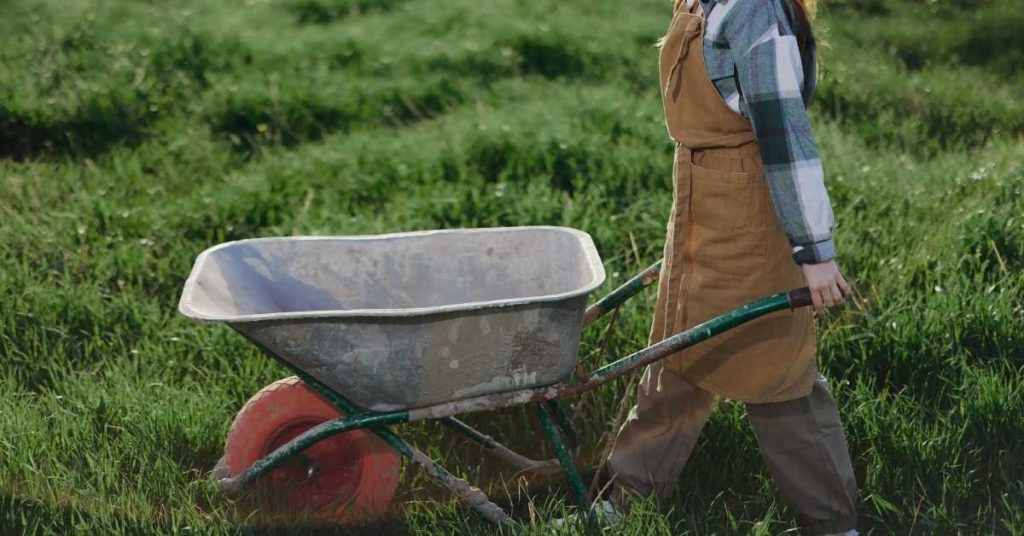
Person pushing empty wheelbarrow across grass

Transporting Concrete Around a Yard: Wheelbarrow Setup, Slump Management, and Cleanup

Introduction Transporting concrete around a yard means using the right wheelbarrow setup, managing the mix slump so it moves without segregating, and planning cleanup and safety before you pour. I’ll walk through practical choices for wheelbarrows, how to judge and adjust slump in the field, and the common cleanup steps you’ll hit after the wheelbarrow

Transporting Concrete Around a Yard: Wheelbarrow Setup, Slump Management, and Cleanup Read More »

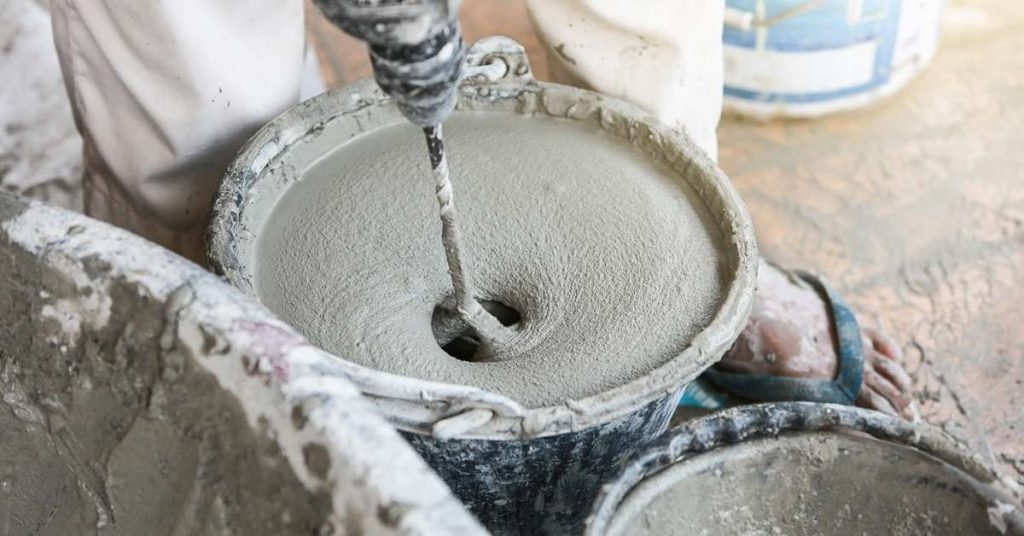
Mixing cement slurry in bucket with power drill paddle

How to Mix Small Batches Without Weak Spots: Bucket Mixing vs Mixer vs Paddle

Introduction Mixing small batches without weak spots means getting a uniform, well-worked mix every time; choose the method that matches your batch size, material, and access to tools. A bucket with a paddle is simple and cheap for very small pours, a portable mixer gives more consistent agitation for larger small batches, and a drill-mounted

How to Mix Small Batches Without Weak Spots: Bucket Mixing vs Mixer vs Paddle Read More »

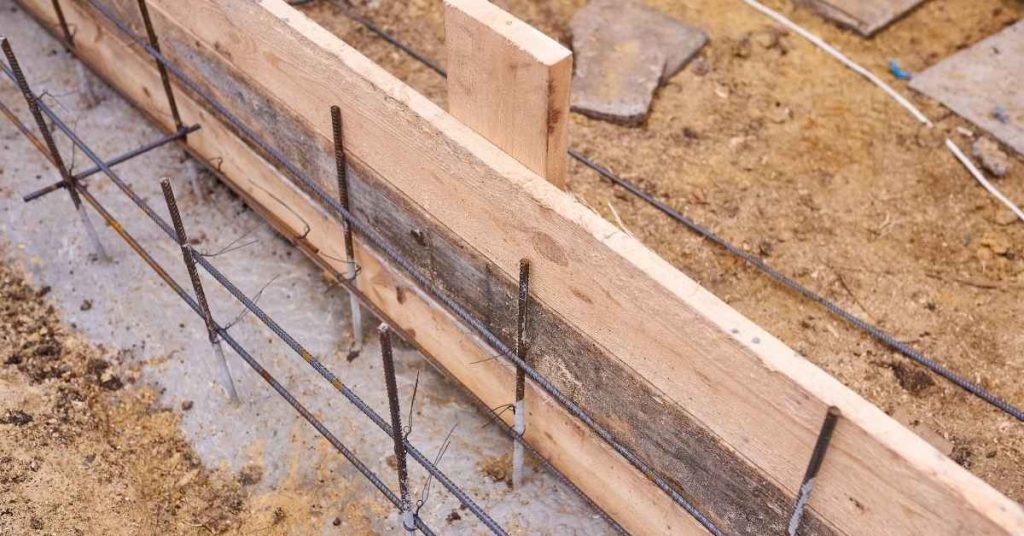
Wooden concrete form with steel rebar cage on dirt ground

DIY Concrete Footings for Pergolas: Step-by-Step Timeline and Duration Guide

Introduction The timeline of building DIY concrete footings for pergolas is crucial to ensure a sturdy, long-lasting structure. Understanding the duration of each step helps you plan your project efficiently. From digging to pouring and curing, let’s break down the process into a clear timeline so you can complete your footings in the right amount

DIY Concrete Footings for Pergolas: Step-by-Step Timeline and Duration Guide Read More »