Smooth concrete driveway leading to garage doors

Shrinkage-Reducing Admixtures: When They Help on Driveways, Pads, and Countertops

Introduction Shrinkage-reducing admixtures are chemicals added to fresh concrete to lessen the amount of drying shrinkage and help reduce the risk of hairline cracks on driveways, slabs, and countertops. They work with good mix design and finishing practices, not instead of them, so check product labels and manufacturer instructions for dosage and compatibility with other […]

Shrinkage-Reducing Admixtures: When They Help on Driveways, Pads, and Countertops Read More »

Stacked precast concrete beams covered with snow outdoors

Air-Entrained vs Non-Air-Entrained Concrete: What to Order for Freeze-Thaw Areas

Introduction Air-entrained concrete contains tiny, intentionally created air bubbles to help it survive freeze-thaw cycles, while non-air-entrained concrete does not have those bubbles and is denser. In plain jobsite terms: air-entrained mixes are commonly recommended where water can freeze inside the slab, and non-air-entrained mixes are used where freeze-thaw exposure is minimal or controlled. Check

Air-Entrained vs Non-Air-Entrained Concrete: What to Order for Freeze-Thaw Areas Read More »

Modern concrete apartment building under clear blue sky

Chloride Contamination in Concrete Near Salt: Symptoms, Tests, and Mitigation Options

Introduction Chloride contamination in concrete near salt means chloride ions from road salt, seawater, or deicing materials have migrated into the concrete and can trigger corrosion of embedded steel; check product labels, manufacturer guidance, and local rules to know acceptable chloride limits. On a DIY job that usually shows up as rust stains, spalled or

Chloride Contamination in Concrete Near Salt: Symptoms, Tests, and Mitigation Options Read More »

Concrete formwork and rebar reinforcement at construction site

DIY Concrete Rebar Cover Fixes: When Grinding Helps and When You Must Patch

Introduction DIY concrete rebar cover fixes means deciding whether grinding to expose and clean the surface is enough or whether you must chip out and patch back to proper cover; start by confirming how deep the corrosion or delamination goes and whether the rebar is structurally compromised. If the trouble is only surface rust and

DIY Concrete Rebar Cover Fixes: When Grinding Helps and When You Must Patch Read More »

Worker pouring concrete over exposed rebar grid

Concrete Spall Repair with Rebar Exposure: Cleaning, Passivation, and Patch Build-Up

Introduction Concrete spall repair with rebar exposure means removing loose concrete, cleaning and protecting any exposed steel, and rebuilding the patch so the surface is sound and bonded. In DIY terms that means chipping out unsound material, getting the rebar clean and passivated, and building the repair in layers so it cures properly. Check product

Concrete Spall Repair with Rebar Exposure: Cleaning, Passivation, and Patch Build-Up Read More »

Concrete being poured into wooden forms

How to Repair a Broken Concrete Curb Corner: Forms, Dowels, and Texture Matching

Introduction Repairing a broken concrete curb corner means removing loose material, rebuilding a solid edge with a form and dowels for reinforcement, and matching the original texture so the patch blends in. This is a hands-on job that requires cleaning the area, choosing a compatible concrete or patch mix, and setting simple forms to get

How to Repair a Broken Concrete Curb Corner: Forms, Dowels, and Texture Matching Read More »

Close-up of concrete edge with green moss growth

Concrete Edge Chipping Near Garages: Why It Starts and How to Armor the Edge

Introduction Concrete edge chipping near garages happens when traffic, moisture, freeze-thaw cycles, and weak edge support combine to break the thin, exposed rim of the slab. I’ll explain the common causes and practical fixes so you can stop new damage and protect the slab edge. This is written as a hands-on DIY approach you can

Concrete Edge Chipping Near Garages: Why It Starts and How to Armor the Edge Read More »

wooden stakes and bracing supporting concrete formwork

Concrete Formwork Bracing Basics: Stakes, Kickers, and Pour-Pressure Reality

Introduction Concrete formwork bracing means the stakes, kickers, and ties you put in so forms hold shape and resist the pressure of wet concrete. Think practical: place braces so they take shear and lateral loads, check form faces for plumb, and expect adjustments when you pour. If you’re unsure about allowable spacing or anchor size,

Concrete Formwork Bracing Basics: Stakes, Kickers, and Pour-Pressure Reality Read More »

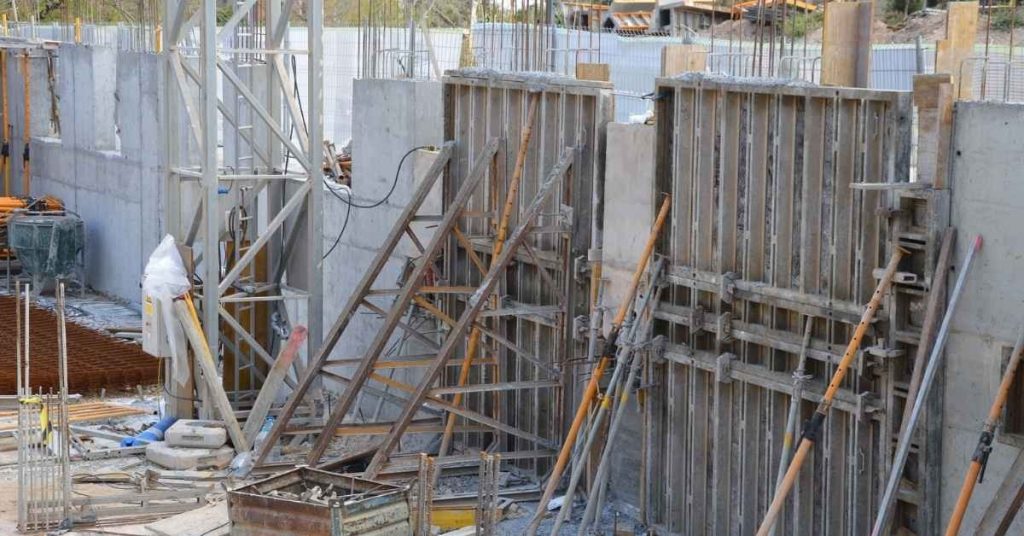
Concrete wall formwork braced with angled wooden supports

How to Prevent Concrete Form Blowouts: Bracing Patterns and Common DIY Weak Points

Introduction Preventing concrete form blowouts means building strong, well-braced forms that can hold fresh concrete pressure until it cures. Think of it like framing a wall that must resist fluid pressure—proper bracing patterns and tight joints keep the forms from bulging or splitting. Check product labels and manufacturer instructions for recommended pressures and allowable pour

How to Prevent Concrete Form Blowouts: Bracing Patterns and Common DIY Weak Points Read More »

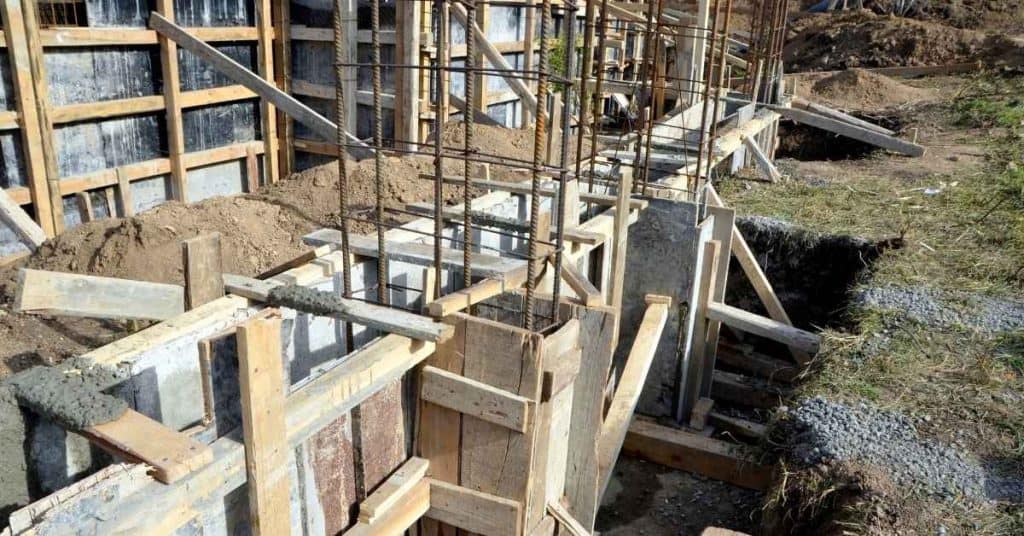
Wooden concrete forms with rebar inside on a construction site

Concrete Consolidation for Small Forms: Vibrator Selection, Technique, and Over-Vibration Signs

Introduction Concrete consolidation for small forms means using vibration to remove trapped air and settle the mix so it fills corners and around rebar; the goal is a dense, well-bonded pour. Choose a vibrator type that fits the form size and access—handheld units, drill attachments, or a short poke vibrator—and check the tool and concrete

Concrete Consolidation for Small Forms: Vibrator Selection, Technique, and Over-Vibration Signs Read More »