Rusted rebar grid embedded in sandy ground with small green plant

Rust Stains on Concrete: Oxalic Acid, Chelators, and Safer Methods

Introduction Rust stains on concrete are typically treated with chemical cleaners such as oxalic acid or chelating agents. This article covers how oxalic acid works, how to apply it safely, and what safer alternatives you can use. Follow label directions and local rules, and test a small area first before tackling a large spot. To […]

Rust Stains on Concrete: Oxalic Acid, Chelators, and Safer Methods Read More »
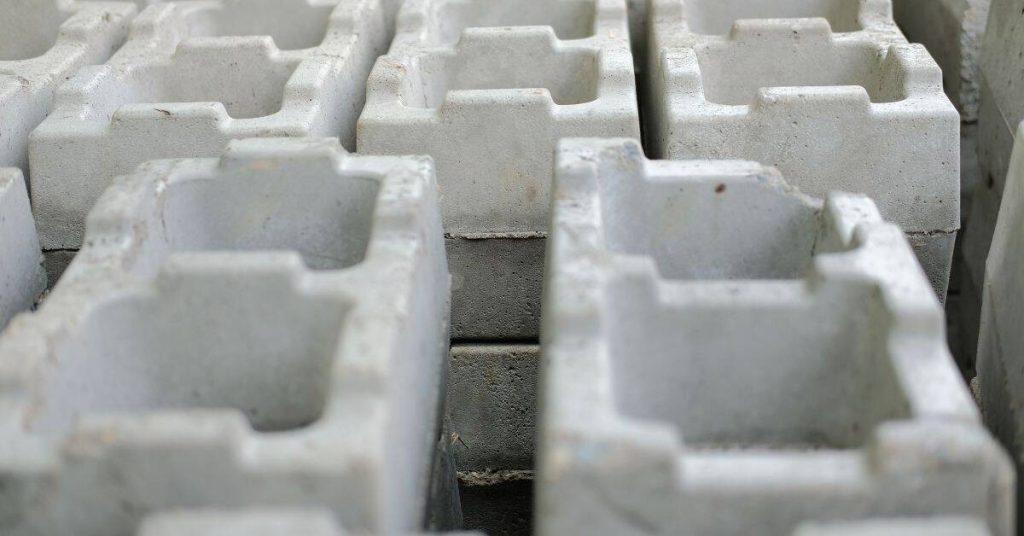
Stacked concrete blocks arranged closely together

Oil Stains on Concrete: Poultices, Degreasers, and Why Some Stains Return

Introduction Oil stains on concrete are marks from spilled oil that soak into the surface and can reappear after cleaning. This article walks you through poultice cleaners, degreasers, and why certain stains keep returning. It’s written for a hands-on DIY approach, with plain language and practical steps you can try. You’ll learn how to apply

Oil Stains on Concrete: Poultices, Degreasers, and Why Some Stains Return Read More »

Clean garage with painted concrete floor and shelving

Anti-Slip for Garage Coatings: Flake, Grit, and Cleaning Tradeoffs

Introduction Anti-slip coatings for garages use embedded flakes or grit to add traction. Choosing the right mix depends on your surface, traffic, and how much texture you want. Use this guide to compare options and make a practical, DIY-friendly choice. Consider where and how you’ll apply it—entryways, drive lanes, or workshop zones—along with your cleaning

Anti-Slip for Garage Coatings: Flake, Grit, and Cleaning Tradeoffs Read More »

close up of gray concrete surface with visible cracks

Routing and Sealing Cracks: When a “V-Groove” Helps and When It Doesn’t

Introduction Routing and sealing cracks means cutting a V-shaped groove along the crack and sealing it to prevent further movement. It’s a technique that can help when the crack is stable and the substrate is sound, but it isn’t right for every crack or situation. Consider crack size, movement, and the surrounding material before choosing

Routing and Sealing Cracks: When a “V-Groove” Helps and When It Doesn’t Read More »

Close-up of painted textured drywall surface

Polyaspartic Coatings: Cure Times, Surface Prep, and DIY Reality Check

Introduction Polyaspartic coatings are fast-curing concrete coatings used to seal and protect floors. This article cuts through hype and tells you what to expect in terms cure times, prep steps, and what DIY installers should plan for. We’ll cover the real-world steps, from surface prep to finishing touches, in plain language you can actually follow.

Polyaspartic Coatings: Cure Times, Surface Prep, and DIY Reality Check Read More »

Concrete garage floor with paint roller and wet coating

Garage Floor Paint vs Epoxy vs Polyaspartic: What Actually Holds Up

Introduction Garage floor coatings come in paint, epoxy, and polyaspartic, each with its own durability profile. Paint is simple and forgiving, epoxy offers a thicker hard coat, and polyaspartic dries fast and resists temperature swings. This guide helps you compare protection, appearance, and DIY viability before you pick. You’ll learn what to expect in terms

Garage Floor Paint vs Epoxy vs Polyaspartic: What Actually Holds Up Read More »

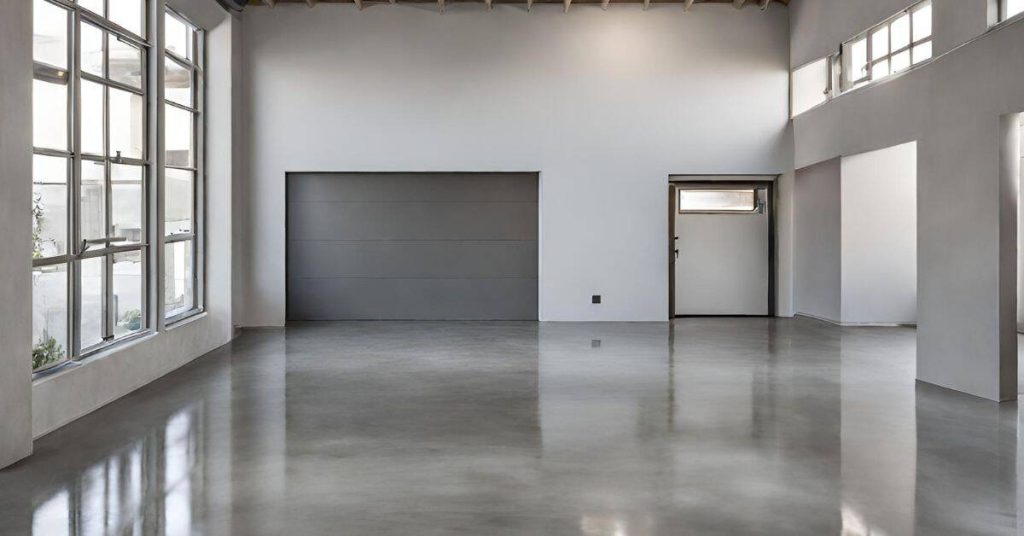
Empty room with polished concrete floor and large windows

Moisture Mitigation Systems for Concrete Floors: When You Need One

Introduction A moisture mitigation system blocks moisture from a concrete floor before you install finishes. It helps prevent staining, mold, and fast finish failures. The approach varies, but the goal is to keep dampness from wicking into your flooring. Watch for signs of moisture damage like peeling coatings, dark patches, or a musty smell. Give

Moisture Mitigation Systems for Concrete Floors: When You Need One Read More »

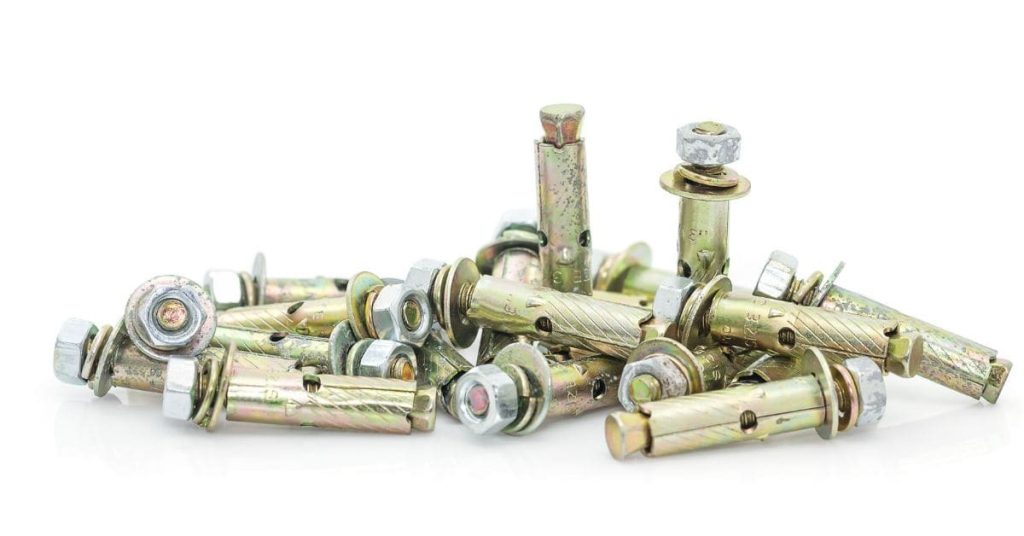
Pile of metal expansion anchor bolts on white surface

Protecting PEX in Concrete: Sleeving, Bend Radius, and Expansion

Introduction Protecting PEX in concrete means keeping the tubing safe from damage and movement while it sits in the slab. Sleeving, proper routing, and careful bending help prevent kinks and cracks as the concrete cures. Work carefully on site, verify that sleeves or guards are used where required and follow local guidelines. Use protective sleeves

Protecting PEX in Concrete: Sleeving, Bend Radius, and Expansion Read More »