

Introduction
Blistering plaster finish coats are finish layers that lift or bubble because moisture or poor adhesion gets trapped under the surface.
In DIY work, heat, humidity, or applying a coat too thick can start blisters. A cleaner re-skim approach means removing the loose skin and reflowing the coat while following the product’s instructions.
Begin by inspecting the damaged area and removing any loose material with a careful scrape.
Check the product label or manufacturer guidance for re-skim timing, surface prep, and any local rules you must follow. If you’re unsure, test a small patch first and proceed slowly with a light, even skim rather than a heavy, rushed pass.
Key takeaways
- Inspect blistered plaster areas for moisture intrusion before patching or skimming.
- A cleaner re-skim focuses on surface prep, light scuffing, and dust removal.
- Safety: wear eye protection and a respirator when sanding plaster surfaces.
- Use compatible skim coats and follow manufacturer instructions for curing times.
- Diagnose blistering root causes early to avoid repeating pattern across walls.
- Clean the substrate thoroughly, remove efflorescence, dust, and any loose material before applying new skim coat.
Table of Contents
- Introduction
- Key takeaways
- What Plaster Blistering Is and How It Presents
- Common Causes of Blistering in Finish Coats
- Diagnosing Blistering: Inspection and Tests
- Repair Strategy: When to Patch Vs When to Re-Skim
- Tools and Materials Checklist for a Cleaner Re-Skim
- Surface Preparation and Cleaning — the “Cleaner” Approach
- Step-by-Step Cleaner Re-Skim Method
- Preventing Recurrence and Ongoing Maintenance
- Conclusion
- FAQ
What Plaster Blistering Is and How It Presents
Blistering on plaster finish coats means small bubbles or raised areas where the finish skin has separated from itself or the underlying layer. It is not the same as a crack that opens through the surface, nor is it the same as efflorescence drawing salts to the surface. Most blisters form within the finish layer rather than indicating substrate failure.
Common signs include bubbled or puckered patches, a soft or spongy feel under the skim, and a tendency for edges to lift when pressed. You may also notice a halo around blisters where moisture has traveled. Visually, blisters tend to sit on smoother, more finished areas rather than in rough patches or joints.
Definition and key visual indicators
Blistering on plaster finish coats appears as raised areas, often with paint lifting or pinholes. It’s easy to mistake these for surface texture or paint bubbles. But unlike those, blisters are usually larger and feel firm when pressed.
Key signs:
- Raised, dome-shaped areas
- Paint lifting or peeling in patches
- Small pinholes that allow moisture to escape
Types of blisters and their significance
Blisters come in different sizes and forms. Each type tells a story about what went wrong:
Large delaminations:
- Indicate excessive moisture or improper mixing of plaster
Small pinholes:
- Suggest trapped air during application
Localized adhesive blisters:
- May point to contamination on the substrate before plastering
How blistering differs from other plaster defects
Blisters aren’t the only issue you might face with your plaster. Here’s how to tell them apart:
Cracks:
- Thin, linear; result from settlement or movement
Dusting:
- Fine powder on surface; indicates weak plaster
Flaking:
- Small pieces peeling off; due to poor adhesion
Salt efflorescence:
- White, crystalline deposits; result from salt leaching through the plaster
Common Causes of Blistering in Finish Coats
Moisture behind or within the finish layer is a frequent root cause, whether from leaks, high humidity, or repeated wetting. Contamination on the substrate or behind the finish can interfere with adhesion. Incompatible materials between coats or with the substrate is another common trigger.
Poor application practices, such as over-wetting or applying in unsuitable temperatures, can trap air and solvents. Combinations of these factors often produce blisters, especially in older buildings where moisture paths vary. In modern constructions, newer finishes and faster timelines can also contribute when not matched correctly.
Moisture intrusion and salts
Blisters often form when moisture finds its way into your walls. This can happen due to rising damp, leaks, or residual moisture from previous construction stages.
Hygroscopic salts, present in some building materials, attract and hold onto water. When these salts become wet, they expand, pushing the finish coat outwards and creating blisters.
Key culprits: Rising damp, leaks, residual moisture, hygroscopic salts like sodium chloride or sulfate.
To prevent this, ensure your walls are properly protected from moisture intrusion. Use damp-proof courses, seal cracks, and allow new construction to dry out before applying finish coats.
Surface contamination and poor adhesion
Contaminants on the surface can prevent your finish coat from bonding properly. Dirt, oil, previous coatings, or laitance (a cement-rich layer left after mixing) can all cause delamination and blistering.
Common culprits: Dirt, oil, previous coatings, laitance. Even dust or grease can hinder adhesion.
Before applying a new finish coat, ensure the surface is clean, dry, and free from contaminants. Use appropriate cleaning methods for your wall material.
Application errors and incompatible layers
Mistakes during application can lead to blistering. Applying skim coats over unsuitable primers, incorrect curing, or rapid drying can trap moisture or air.
- Incompatible primers: Using the wrong primer under your finish coat can prevent proper bonding and adhesion.
- Incorrect curing: Curing is crucial. Too much or too little water during curing can cause blisters.
- Rapid drying: Drying too quickly, often due to low humidity or high temperatures, can trap moisture and air in the coat.
- Thick coats: Applying finish coats that are too thick can also trap air and moisture, leading to blisters.
To avoid these issues, use compatible primers, follow proper curing procedures, apply coats at appropriate thicknesses, and allow sufficient drying time between coats. Always follow the manufacturer’s guidelines for your specific products.
Diagnosing Blistering: Inspection and Tests
Start with a thorough visual survey to map affected areas and patterns. A gentle tap test helps identify whether blistering is superficial or extends deeper. Moisture checks with appropriate meters or probes guide the next steps.
Use targeted probes to confirm depth and likely cause, such as persistent moisture or contamination. Monitor environmental conditions during diagnosis to see if the blistering changes with humidity or temperature. Keep notes to support the repair plan later.
Visual inspection and sounding
Before you start poking or probing, use this visual checklist to map out the blistering. It’s quick and won’t cause any damage.
- Room by room: Check every wall, ceiling, and floor in each room.
- Blister size: Note if they’re small (pea-sized) or large (quarter-sized).
- Blister pattern: Look for clusters, lines, or random distribution.
- Blister color: Check if they’re white, gray, or discolored. Gray could indicate salt contamination.
- Wet spots: Feel around blisters for any dampness.
- Cracking: See if there are cracks radiating from blisters.
- Delamination: Gently tap or use a knife to check if plaster is loose. A dull thud means it’s delaminated.
- Edges: Check where walls meet floors, ceilings, and each other for signs of blistering.
Quick rule: If you skip this step, you might miss small blisters or misdiagnose the cause.
Moisture measurement and locating sources
Now that you’ve mapped out the blistering, it’s time to find the moisture. Use a moisture meter or probe for best results.
- Meter type: Use a penetrating or pinless meter for best accuracy.
- Calibration: Always calibrate your meter before use.
- Blister center: Test moisture at the center of each blister.
- Blister edges: Check edges to see if moisture is moving in or out.
- Adjacent areas: Test non-bulging areas nearby for comparison.
- Floors and ceilings: Check above and below blistered areas for moisture migration.
- Readings: Look for readings over 15-20% (varies by meter) to indicate active moisture.
- Patterns: Watch for consistent high readings that suggest a source nearby.
Quick rule: If you don’t locate the moisture source, you’ll never fix the blistering.
Assessing adhesion and substrate condition
Before you start repairs, make sure the underlying surface is sound. Here’s how to check without causing damage.
- Bond strength: Gently pull on blistered areas with pliers or a claw hammer. If it comes off easily, adhesion is poor.
- Loose render/plaster: Tap around blisters. A hollow sound means it’s loose.
- Lath/masonry condition: Use a small screwdriver to probe underlying layers. Be careful not to push too hard and cause damage.
- Cracks: Check for cracks in the substrate that could be causing blistering.
- Mold or efflorescence: Look for signs of moisture damage on the substrate.
- Delamination: Use a knife to gently lift edges of blisters. If it lifts easily, adhesion is poor.
- Substrate type: Identify the underlying material (e.g., concrete, brick, wood).
- Existing repairs: Check if previous repairs have failed or are causing new blistering.
Quick rule: If you don’t assess substrate condition, your repairs might fail or cause further damage.
Repair Strategy: When to Patch Vs When to Re-Skim
For small, localized blisters with solid substrate, patching the high spots and feathering edges can be sufficient. If blisters cover a wide area or show signs of substrate failure, a full-area re-skim may be warranted. Substrate remediation should be considered if moisture or contamination is ongoing.
Document findings and the chosen scope of work to support the plan and avoid scope creep. Balance the desire for a long-lasting finish with disruption and cost. Verify that the proposed method aligns with product data and local rules before proceeding.
Criteria for localized patching
For small, well-bonded blisters and isolated damaged spots, targeted patching can be an effective repair method. It’s less disruptive and quicker than a full re-skim.
Check these:
– Blister size: If they’re no larger than a quarter, you might get away with patching.
– Bond strength: Tap the blisters gently. If they sound solid, they’re likely well-bonded and can be patched.
When a full re-skim is required
A complete re-skim might be necessary when there are signs of widespread delamination, recurring moisture issues, or mixed-layer failures.
Look out for:
– Widespread blisters: If more than 50% of the surface has blisters, a full re-skim is likely needed.
– Recurring problems: If you’ve patched before and the blisters keep coming back, there might be an underlying issue that requires a full re-skim.
Structural and safety checks before repair
Before starting any repairs, it’s crucial to confirm there are no ongoing structural issues, active leaks, or hazardous materials that could change your repair plan.
Do these:
– Check for structural issues: Ensure the walls and ceilings are sound and stable. Any cracks wider than a hairline might indicate structural problems.
– Test for moisture: Use a moisture meter to check for hidden dampness that could cause further blistering.
– Safety first: If your home was built before 1978, test for lead paint. Also, ensure there are no asbestos-containing materials before you start work.
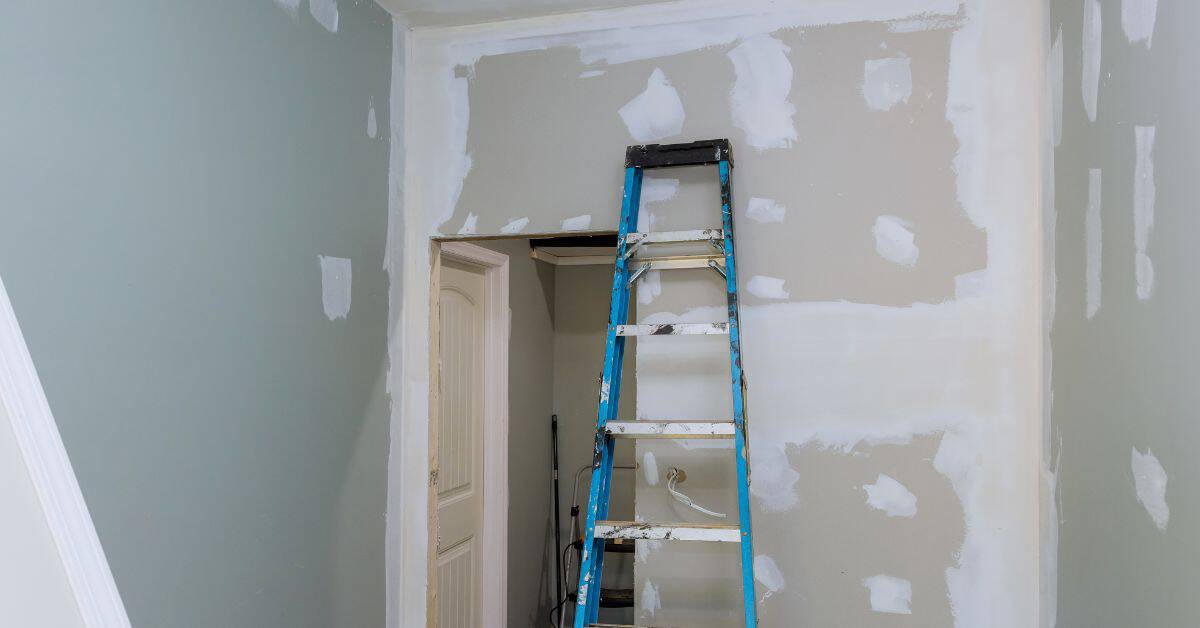
Tools and Materials Checklist for a Cleaner Re-Skim
Keep a practical set: sanding tools, knives, and brushes for cleanup; a wide trowel for skim coats; and appropriate primers or bonding agents. Include skim coats or repair compounds compatible with your substrate and finish system. PPE such as dust masks and eye protection is essential.
Check product datasheets for compatibility, coverage, and application conditions before buying. Have containers labeled and stored safely. Plan for clean water, rags, and waste containment during the job.
Essential tools and equipment
Before you start, ensure you have the right tools to get the job done cleanly and efficiently.
- Scrapers: To remove old plaster. Skip this and you’ll struggle with adhesion.
- Bonding brushes: For applying primer. Don’t miss spots, or your new skim coat won’t stick.
- Trowels (3-4 sizes): For mixing, applying, and finishing plaster. Pro-grade trowels last longer.
- Sanding tools: To smooth surfaces before priming. Skip sanding, leave a rough surface for blistering to start again.
- Hawk (plasterer’s board): For holding plaster while working. Don’t have one? Improvising can lead to mess and waste.
- Plastic sheeting: To protect floors and furniture from dust and debris.
- Ladders or platforms: For reaching high areas. Safety first, don’t risk falls.
- Measuring tape: To ensure even coverage and avoid waste.
Quick rule: Don’t skimp on tools. Good tools make the job easier and faster.
Recommended materials, primers and bonders
Using the right materials ensures a strong, long-lasting finish.
- Bonding primer: To improve adhesion. Skip this, risk blisters and delamination.
- Skim mix (gypsum-based): For filling and smoothing surfaces. Cheaper alternatives may not perform as well.
- Finishing plaster (skim coat): For the final layer. High-quality plasters give a better finish.
- Cleaning agents: To remove dirt, grease, and salts before priming. Skip cleaning, risk poor adhesion and blisters.
- Plasticizer (optional): For improved workability and easier application. Don’t add too much, or your plaster may crack.
- Fibre reinforcement additives: For increased strength and reduced cracking. Not necessary for small areas, but useful for larger repairs.
- Skim coat applicator (optional): For even application and better control. Don’t have one? Practice your trowel skills.
- Protective coverings: To keep surfaces clean and dust-free after application.
Quick rule: Always follow manufacturer guidelines for best results.
Safety and PPE
Plaster work can be messy and hazardous. Protect yourself with the right gear.
- Respirator: To protect against plaster dust. Don’t skip, inhaling dust is harmful.
- Safety glasses: To shield your eyes from debris. Wear them, don’t risk eye injuries.
- Gloves: For handling cleaning chemicals and wet plaster. Skip gloves, risk chemical burns or cuts.
- Overalls or old clothes: To protect your clothing from dust and stains.
- Ear protection (optional): If using power tools nearby. Don’t need it? Still, protect your hearing.
- Stepladders or platforms: For safe access to high areas. Don’t risk falls, use proper equipment.
- Wet wipes or cloths: To clean up spills and splashes quickly.
- First aid kit: Always have one nearby for minor injuries.
Quick rule: Safety first. Don’t risk your health or safety to save a few minutes.
Surface Preparation and Cleaning — the “Cleaner” Approach
Use non-invasive cleaning to remove surface contaminants without stripping sound substrate. Targeted chemical treatments can dissolve efflorescence or salt deposits without aggressive abrasion. Mechanical keying should be limited to areas needing better adhesion.
Containment and careful testing help prevent spreading salts or mold to clean areas. If dust is generated, use controlled techniques to minimize air disturbance. Validate compatibility with the existing finish before applying primers or skim coats.
Removing loose finish and treating blisters
Start by carefully cutting out or de-bonding any blisters using a utility knife. Be gentle to avoid damaging the substrate.
Consolidate the edges of the cut-out areas with a suitable filler, ensuring it’s compatible with your new finish. This helps create a solid base for bonding.
Use a scraper or de-bonder tool to remove any remaining loose finish, working from the perimeter towards the center to avoid further damage.
Once done, you’ll have a keyed perimeter ready for bonding, minimizing demolition and preserving sound substrate.
Cleaning contaminants, salt deposits and mold
Begin by mechanically cleaning the surface using a stiff brush or scraper to remove loose material. Be careful not to damage the substrate.
For salt deposits, use a poultice made from a mixture of powdered poultice material and water. Apply it to the affected areas, let it sit for 24-48 hours, then scrape off and vacuum away.
If you find mold, wear protective gear and use a solution of bleach (1 part) and water (3 parts). Apply, scrub, rinse, and dry thoroughly. If mold coverage is extensive, consult specialists for safe remediation options.
Always work in a well-ventilated area and follow safety guidelines when handling chemicals.
Creating a stable, dust-free substrate
After cleaning, use a vacuum with a HEPA filter to remove any remaining dust. This helps minimize airborne particles and keeps the work area clean.
Ensure the surface is dry. Check manufacturer guidelines for acceptable moisture levels before proceeding.
Also, confirm that the substrate temperature falls within the recommended range for your chosen primer and finish. This ensures optimal adhesion and performance.
A stable, dust-free substrate provides an ideal base for applying new plaster finishes, promoting better adhesion and longevity.
Step-by-Step Cleaner Re-Skim Method
Begin with a priming or bonding coat to improve adhesion, then apply one or more skim coats as needed. Follow with a finishing coat if required, keeping application consistent and clean. Use low-dust methods where possible to maintain a tidy work zone.
Follow product drying times and ambient condition guidance from the datasheet. Use thinned bonding coats only when recommended and within specified conditions. Monitor cure progress and avoid rapid drying or moisture exposure during curing.
Step-by-Step Cleaning Process
This sequence ensures a clean, stable surface for your re-skim.
- Wear safety gear – gloves, goggles, and a mask. Safety first!
- Remove loose finish using a scraper or multi-tool. Be thorough but careful not to damage the substrate.
- Clean the surface with a suitable cleaner for any remaining contaminants, salt deposits, or mold. Follow product instructions.
- Rinse thoroughly and allow to dry completely. A damp surface can cause issues later on.
- Inspect your work. The surface should be clean, dry, and free of dust. If not, repeat the process until it is.
Priming and applying a bonding coat
A good primer creates a solid bond for your skim coats. Choose one suitable for your substrate and the finish you want.
For better adhesion, consider using a diluted scrim or slurry-bond method. This involves mixing your primer with water to create a thin paste, applying it, then embedding a layer of scrim or mesh into it before it dries.
Pro tip: Always follow the manufacturer’s instructions for application and drying times.
Mixing and applying skim coats
Mix your plaster to a smooth, lump-free consistency. Too thick and it won’t spread evenly; too thin and it may not bond properly.
Apply using a hawk and trowel in thin, even layers. Work quickly but carefully to avoid entrapping air. Remember, less is more – you can always add another layer if needed.
Tip: Don’t overwork the plaster. This can introduce air bubbles and weaken your finish.
Drying, curing and final finishing
Allow each coat to dry according to the manufacturer’s instructions. Patience is key here – rushing can lead to cracks or a weak finish.
Once completely dry, lightly sand any high spots using fine-grit sandpaper. Wipe off dust with a damp cloth and allow to dry.
Before decorating, check for any signs of poor bonding such as flaking or peeling. If present, you may need to redo the affected areas. Otherwise, your re-skim is ready for painting or wallpapering!
Preventing Recurrence and Ongoing Maintenance
Address root causes with what you install and how you manage moisture, ventilation, and substrate breathability. Choose finishes that suit the environment and climate, and that are compatible with the existing plaster system. Plan for regular surface maintenance to catch issues early.
Schedule seasonal checks for signs of moisture, condensation, or salt movement. Tackle minor repairs promptly to prevent escalation and keep the finish in good condition. Document any changes and updates to the wall systems for future reference.
Moisture management and ventilation
Blistering plaster is often a sign of excess moisture. To prevent recurrence, you need to control both indoor humidity and external water intrusion.
Ventilation: Ensure your home has adequate airflow. Open windows when possible, use exhaust fans in kitchens and baths, and consider installing mechanical ventilation systems if needed.
Humidity control: Maintain indoor humidity levels between 30-50%. Use a hygrometer to monitor this. If it’s too high, use dehumidifiers or air conditioners to bring it down.
Fix leaks and dampness sources: Inspect your roof, plumbing, and foundation for any water entry points. Repair these promptly to prevent further moisture issues.
Compatible finishes and paint selection
Choosing the right topcoat is crucial to prevent future blistering. Breathable paints allow moisture to escape, reducing the risk of trapped water causing problems.
Avoid impermeable paints: These trap moisture within the wall, leading to blisters over time. Stick to breathable options like acrylic or latex paints with low VOCs.
Consider your substrate: If you’re working on a damp-prone surface, use a primer designed for such conditions. This creates a barrier and promotes better adhesion of the topcoat.
Test first: Before painting an entire wall, test your chosen paint on a small, hidden area to ensure it doesn’t react poorly with your substrate or existing finishes.
Routine inspection and early interventions
When to use this checklist: Inspect your plasterwork regularly, especially in areas prone to moisture or temperature changes. Early detection can save you from major reworks.
- Check for bubbles or blisters: These are signs of trapped moisture. If found, address them immediately (see ‘Removing loose finish and treating blisters’ section).
- Inspect corners and edges: Blistering often starts here due to uneven application or moisture buildup.
- Look for cracks or gaps: These can let in water or trap moisture, leading to blistering. Seal any you find.
- Check around windows and doors: Leaks here can cause dampness issues. Ensure seals are intact and repair if necessary.
- Monitor humidity levels: As mentioned earlier, keep indoor humidity between 30-50%.
- Inspect your roof and plumbing: Regularly check for leaks or signs of water damage to prevent moisture intrusion.
- Check your ventilation systems: Ensure they’re functioning properly and not blocked by dust or debris.
- Look for mold or mildew: These can indicate high humidity levels. If found, clean and address the underlying cause.
Quick rule: If you find any issues during your inspection, address them promptly to prevent minor problems from escalating into major ones.
Conclusion
Getting blistering under control is about solid prep, careful cleaning, and making the right call between patching and re-skim. Do it right and you gain a smoother finish, longer life, and peace of mind about safety and stability.
First, check the area for blistering signs, test a small patch to confirm adhesion, then clean and prep the surface before any re-skim. Inspect tools, mix or materials as directed, and work in a steady, logical sequence: assess, prepare, skim, cure, and protect. If you’re unsure, start with a low-risk test spot and document results, then scale up only when the test passes.
Common mistakes to avoid include rushing the prep stage, applying over damp or dirty surfaces, and skipping curing times or safety steps. Always wear eye protection and a dust mask, ventilate the area, and keep a clear path to clean water for rinsing. If a repair requires large patches, high-speed grinding, or you notice unusual moisture, stop and reassess.
If the damage is widespread, or you keep chasing blistering despite careful cleaner re-skimming, it makes sense to call in a pro. A trained contractor can verify moisture sources, reference substrate conditions, and execute a durable finish. Stay disciplined, follow the steps, and you’ll finish with a solid, lasting plaster surface you can be proud of.
FAQ
What should I check on the plaster surface before starting the cleaner re-skim?
Look for loose edges, raised blisters, and any powdery dust. Make sure the area is dry and free of obvious cracks. Read the plaster label or manufacturer instructions for any surface prep notes.
How can I tell if blistering is from moisture, contamination, or a bad skim?
Moisture usually shows ongoing damp spots or active sweating. Contamination links to oils, dirt, or efflorescence that wipes off. If something feels sticky or fatty, it’s likely contamination; if a damp spot persists, investigate moisture sources first.
What safety steps should I take before scraping and re-skimming?
Wear eye protection, a dust mask, and gloves. Ventilate the area and keep the work zone clean to prevent slips. If you see mold or suspect lead paint, pause and identify proper safety procedures.
How do I verify the cleaned surface will hold new plaster or finish coats?
Check for firm adhesion by lightly testing a small area after cleaning. If you still see blistering or lifting signs, reassess the prep and moisture issues before proceeding. Always follow the product label for curing and priming guidance.