
Introduction
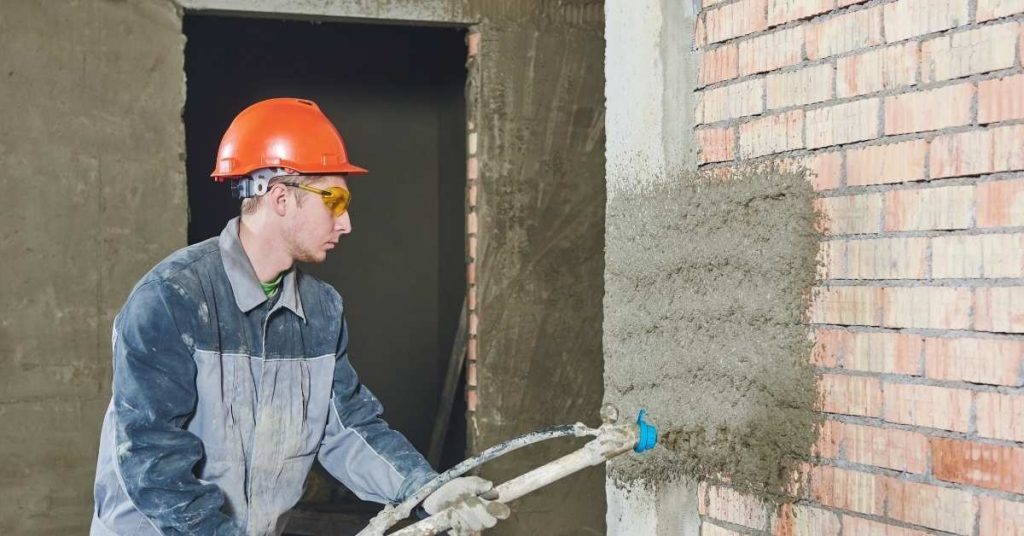
Plaster over brick is applying a plaster coat directly onto a brick wall to create a smooth, ready-to-finish surface. The key is good bonding and managing drying so the plaster doesn’t blister. Follow surface prep steps, use the right bonding coat, and monitor moisture as you go.
Clean and dampen the brick surface as needed, then apply a bonding layer per the product you choose. Keep the plaster consistent, don’t let it dry too fast or too slow, and work in workable batches. Always check the manufacturer’s instructions and local rules to confirm prep, materials, and drying times.
Key takeaways
- Inspect brick surfaces for loose mortar, efflorescence, or damp patches before plastering.
- Clean area with brush and water; wear PPE and ventilate to control dust.
- Create a mechanical key by scoring roughening brick face and prepared plaster base.
- Use compatible bonding agents and primers per label; avoid incompatible products.
- Control water during mixing and application; avoid sudden moisture changes that trigger blisters.
- Monitor drying environment; protect from drafts, rapid drying, and temperature swings.
Table of Contents
- Introduction
- Key takeaways
- How Blisters Form on Plastered Brick Surfaces
- Inspecting and Assessing the Brick Substrate
- Preparing Brick: Cleaning, Repair, and Creating a Mechanical Key
- Bonding Agents, Primers, and Compatibility
- Plaster Mix Design, Additives and Water Control
- Application Techniques to Prevent Blisters
- Drying and Curing Control: Environmental and Moisture Management
- Testing, Inspection, Troubleshooting and Repairs
- Conclusion
- FAQ
How Blisters Form on Plastered Brick Surfaces
Brick walls present unique challenges when plastered, so you need to understand why blisters appear. Delamination, trapped moisture, and vapor pressure can separate plaster from brick over time. Salts migrating with moisture also contribute to surface defects on masonry substrates.
The brick itself is a high-risk surface due to porosity and inconsistent moisture behavior. Different brick mixes and mortar joints can create uneven drying and stress. Recognizing these mechanisms helps you head off blister formation before it starts.
Vapor drive and trapped moisture
The main culprit behind blisters on plastered brick surfaces is the movement of moisture. Brick, being porous, absorbs water from the ground or the atmosphere.
As the wall dries, this moisture wants to escape. If the plaster layer isn’t permeable enough, it traps the vapor beneath it, creating internal pressure.
Imagine a balloon filled with steam. As the steam tries to expand, it pushes against the walls of the balloon – much like how trapped moisture pushes against the plaster layer.
This pressure builds up over time and eventually causes the plaster to delaminate or blister.
Poor bond versus cohesive failure
Blisters can form due to two main reasons: a weak bond between the brick and plaster, or a failure within the plaster itself.
Poor bond happens when the plaster doesn’t stick well to the brick. This could be due to contaminants on the brick surface, insufficient suction, or using the wrong plaster mix.
In cohesive failure, the problem lies within the plaster layer itself. It might not have been mixed properly, or it could be too thick, causing it to dry too quickly and crack under stress.
Understanding which type of failure you’re dealing with is crucial. A poor bond needs better surface preparation and possibly a different plaster mix. Cohesive failures require adjusting the application process or the plaster itself.
Role of salts and efflorescence
Soluble salts naturally present in brick can also contribute to blistering. When moisture moves through the brick, it carries these salts along.
As the water evaporates, the salts are left behind and crystallize. These salt crystals are what we see as efflorescence on the surface of walls.
However, if some salts remain trapped beneath the plaster layer, they can disrupt the bond between the brick and plaster as they crystalize, causing blisters.
To prevent this, it’s important to control moisture movement in the wall and ensure proper ventilation to allow any efflorescence to escape harmlessly.
Inspecting and Assessing the Brick Substrate
Start with a careful visual survey of the wall: look for obvious cracks, loose bricks, or deteriorated mortar. Listen for hollow sounds when you tap suspect areas. These signs point to possible structural issues that must be addressed before plastering.
Check for moisture indicators, staining, and any previous coatings. Confirm there is no active leak and assess surface cleanliness. Document any contamination that could hinder adhesion, and plan treatment accordingly.
Visual and Tactile Inspection
Before you start plastering, give your brick substrate a thorough once-over. This checklist helps you spot issues that could cause problems later.
- Loose mortar: Tap bricks with a handle. If it sounds hollow or crumbles, replace the mortar.
- Flaking bricks: Look for pieces breaking off. If found, remove and replace the brick.
- Previous coatings: Check for old paint, render, or other coatings. Remove any before plastering.
- Soft or powdery surfaces: These indicate damaged bricks. Replace them to prevent failure under plaster.
- Cracking: Note hairline and wider cracks. Some may need repair before plastering.
- Bulging bricks: These could be signs of moisture damage or movement. Investigate further if found.
- Inconsistent brick size: This can affect bonding. Consider shimming smaller bricks to ensure a flat surface.
- Uneven surfaces: High spots and hollows can show up under plaster. Level them out before starting.
Quick rule: If in doubt, get professional advice. Better safe than sorry.
Moisture and Salt Testing
Excess moisture and salts can cause blisters and other issues. Test your bricks to avoid surprises.
Moisture: Use a non-invasive moisture meter. Follow manufacturer’s guidelines for interpretation. If readings are high, consider improving ventilation or waterproofing before plastering.
Salt: Apply a small piece of plastic sheet or adhesive patch to the wall. Leave it for 24 hours, then check for salt crystals. If present, treat with a suitable salt inhibitor before plastering.
Note: Always follow manufacturer’s instructions or relevant standards when interpreting test results.
Structural and Thermal Considerations
Check for signs of movement and historic thermal bridging to ensure your plaster stays put.
Movement cracks: These can reopen under plaster, causing blisters. If found, consider using a flexible plaster or reinforcing the wall before plastering.
Thermal bridging: Historic bridges can cause localized heating and cooling, leading to moisture issues. Identify them and consider improving insulation before plastering.
Plaster choice: Based on your findings, choose a suitable plaster. For example, use flexible plasters for areas with movement or high salt content.
Preparing Brick: Cleaning, Repair, and Creating a Mechanical Key
Clean the brick surface to remove dust, efflorescence, oils, and loose particles. Use tools and cleaners appropriate for masonry and follow label directions. A clean base helps plaster bond properly.
Repoint as needed to restore sound mortar joints and fill cracks that could telegraph through the plaster. Create a mechanical key by roughening the face of the brick and mortar without damaging the substrate. Follow manufacturer or product instructions for any surface roughening limits.
Cleaning and contaminant removal
Start by removing any loose material, dirt, or debris from the brick surface using a stiff-bristle brush. For tougher contaminants, use a low-pressure washer with a wide-angle nozzle to avoid damaging the bricks.
Never power wash at high pressure as it can erode the sand and lime in the mortar joints.
For stubborn stains or efflorescence, use a chemical cleaner specifically designed for masonry. Always follow the manufacturer’s instructions and wear appropriate safety gear.
After cleaning, rinse thoroughly with clean water and allow the surface to dry completely before applying plaster.
Repairing mortar joints and damaged bricks
Inspect all mortar joints for cracks or missing material. Use a tuckpointing tool to rake out loose or damaged mortar, creating a V-shaped groove.
Mix fresh mortar according to the manufacturer’s instructions and fill the grooves, pressing it firmly into place with a trowel. Allow it to cure as directed.
For spalled bricks, remove any loose material using a chisel and hammer. If the damage is extensive, replace the brick entirely, ensuring a firm fit in the opening.
Always ensure that the substrate is solid and free from delamination to prevent plaster failure.
Creating and verifying mechanical keys
The key purpose of a mechanical key is to increase the surface area for better adhesion. For brick, this can be achieved by scratching or scoring the surface with a stiff-bristle brush or a masonry scratch tool.
Another method is to apply a thin layer of plaster as a scratch coat, allowing it to set but not harden completely before applying the final coat. This creates microscopic keys for better adhesion.
If you’re using wire lath, ensure it’s securely attached to the brick surface with masonry screws or nails. Raking mortar joints also creates mechanical keys; use a joint rake tool to create grooves in the mortar.
To verify adequate keying, perform a simple visual and physical check. The surface should have a slightly rough texture, and when you press gently on it, there should be no give or movement.
Bonding Agents, Primers, and Compatibility
Compare common bonding aids and primers that suit brick and plaster types. Some products are designed to enhance adhesion on masonry and can reduce blister risk if used correctly. Read label directions for substrate compatibility and cure conditions.
Consider how brick face conditions, existing coatings, and plaster choice interact with bonding products. Use the guidance from the product label, manufacturer instructions, and local code or rule requirements to make a safe selection.
Types of bonding agents and when to use them
Bonding agents help plaster stick to brick. Here’s what you need to know:
Cementitious primers are cheap, easy to apply, but can crack if not used right. Use on smooth surfaces with good suction.
Polymer-modified bonding agents are more flexible, resist cracking, and work well on rough or damaged brick. They’re pricier though.
Proprietary adhesion promoters are high-tech, expensive, but give the best bond for tricky jobs like plastering over old, smooth bricks with no key.
Compatibility and surface preparation for primers
Follow these rules to get the best out of your primer:
Check compatibility charts. Some primers don’t play nice with certain brick types or plasters. Always check first.
Pre-dampen or prime before applying plaster. This helps the primer stick and prevents it from drying too fast, which can cause blisters.
Avoid incompatible residues. No paint, oil, or grease on your bricks – they’ll stop the primer sticking.
Application rates and verification
Apply bonding agents right to get a strong bond:
Follow manufacturer’s guidance. They know best how much to use and how to apply it.
Check tackiness. The surface should feel slightly sticky – this means the primer’s working. Too dry? Apply more.
Ensure even coverage. No bare spots or puddles. A uniform layer gives a strong, even bond.

Plaster Mix Design, Additives and Water Control
Explain how plaster composition influences adhesion, shrinkage, and blister risk on brick. The choice of cement, lime content, and aggregate grading affects performance and workability. Balance these factors with site conditions and repair goals.
Admixtures and water control strategies can help manage setting and moisture movement. Check product data sheets or manufacturer instructions for recommended ranges and compatibility with masonry substrates.
Choosing the right plaster for brick
When it comes to plastering over brick, you’ve got options. But each has its own strengths and weaknesses.
Lime plasters are great for old bricks. They’re breathable, meaning they let moisture pass through. But they take longer to set and aren’t as strong as cement-based plasters.
Cement-lime plasters combine the best of both worlds. They’re stronger than lime plasters and quicker to set. But they’re not as breathable, so use them on internal walls where moisture isn’t an issue.
For new bricks or areas prone to damp, consider gypsum plaster. I