Introduction
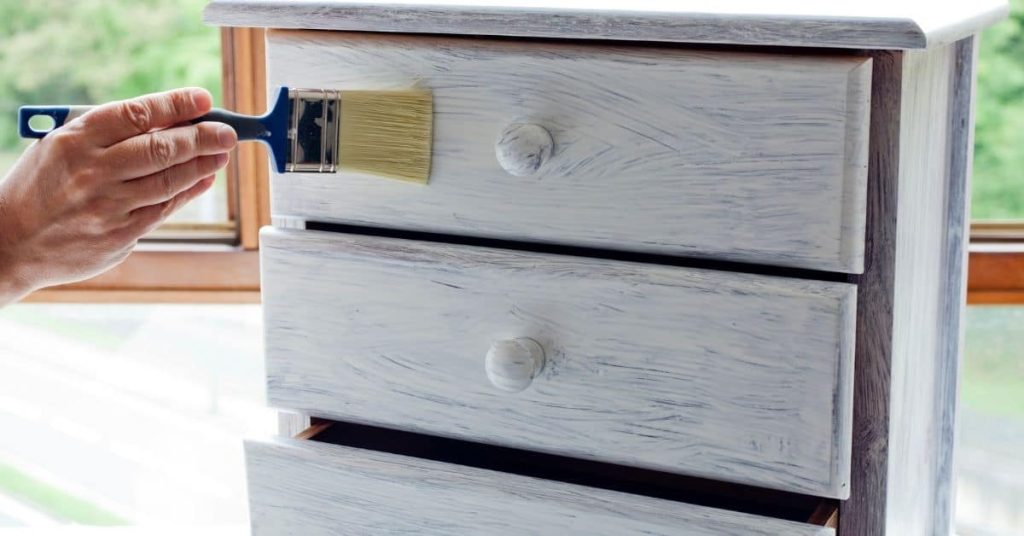
Timing is crucial when it comes to back-brushing and back-rolling after spraying. Do these techniques too early, and you risk ruining your freshly applied coating. Too late, and the material may not adhere properly.
In this guide, we’ll walk you through the ideal timing for back-brushing and back-rolling, ensuring you achieve a smooth, even finish every time.
For the full guide, see Back-Brushing and Back-Rolling After Spraying: When It Helps and When It Makes Things Worse.
Timing Your Back-Brushing and Back-Rolling for Maximum Effectiveness
Back-brushing and back-rolling should be done at the right stage of drying to ensure they enhance your sprayed coating rather than damaging it. Here’s a step-by-step timeline:
- Immediately after spraying (0-5 minutes): Allow the coating to reach a tacky state, where it’s no longer wet but hasn’t yet started to set.
- Tack time (5-15 minutes): This is when you should perform your back-brushing or back-rolling. The exact time will depend on the specific coating and environmental conditions.
- After back-brushing/back-rolling (10-30 minutes): Let the coating dry further to ensure it won’t be disturbed by subsequent coats or other work.
Remember, these are approximate timelines. Always check your specific product’s instructions for precise drying times and recommended techniques.
Key takeaways
The prep time before spraying also affects the overall schedule. Ensure you’ve properly cleaned and prepared your surface to minimize delays in your back-brushing or back-rolling process.
- Back-brushing or back-rolling can smooth spray edges for uniform coverage.
- Do not overwork freshly sprayed coatings; excessive brushing can cause streaking.
- Back-brushing is useful on porous substrates but may close pores in others.
- Match technique to coating type; some materials require minimal brushing.
- Inspect for lap marks, cratering, or texture changes after brushing.
- Safety: wear respirator and eye protection; control overspray and solvent fumes.
Table of Contents
- Introduction
- Key takeaways
- What Back-Brushing and Back-Rolling Are and Why They Are Used
- How These Techniques Change the Sprayed Coating
- Situations Where Back-Brushing/Back-Rolling Helps
- When These Techniques Make Things Worse
- Proper Technique and Timing — Step-by-Step Guidance
- Adjusting Technique for Different Spray Systems and Coatings
- Troubleshooting Defects and Corrective Options
- Alternatives and When to Use Them Instead
- Conclusion
- FAQ
What Back-Brushing and Back-Rolling Are and Why They Are Used
Back-brushing and back-rolling are simple finishing moves you do after spraying or rolling a coating. Back-brushing means moving a brush into the wet material to work it into the surface; back-rolling means going over the sprayed or brushed material with a roller to even it out. Both aim to get better adhesion and a consistent texture instead of leaving thick spots or dry patches.
For a DIYer, these steps make the job look and last better by fixing missed areas and blending overlaps. They also help the coating bite into rough spots and control surface texture so you don’t end up with runs, pinholes, or a blotchy finish. Check the product label or datasheet for any specific instructions or wet-edge guidance before you start.
Definitions and differences
Back-brushing and back-rolling are two techniques used after spraying concrete to improve its surface. They’re not the same, though.
Back-brushing involves using a stiff-bristled broom to brush the wet concrete surface in a specific pattern. It’s typically done when you want to create a textured finish or control the amount of aggregate showing on the surface.
Back-rolling, on the other hand, uses a special roller with soft, flexible covers. It’s rolled over the wet concrete to smooth out any imperfections and even out the spray application. This is usually done when you want a smooth, flat finish.
Primary purposes and expected outcomes
Contractors use back-brushing and back-rolling after spraying concrete for several reasons. The main goals are to improve adhesion, control texture, and even out the spray application.
Improving Adhesion: Both techniques help to work the cement paste to the surface, improving the bond between the new concrete and the existing substrate or previous layer of concrete.
Controlling Texture: Back-brushing is particularly useful for controlling the texture. It can help expose more aggregate (for a rougher finish) or hide it (for a smoother finish). Back-rolling, meanwhile, helps to smooth out any bumps or imperfections in the surface.
Evening Out Spray Application: Both techniques help to ensure that the concrete is evenly distributed and that there are no thin spots or areas with too much material. This helps to prevent issues like delamination and cracking down the line.
How These Techniques Change the Sprayed Coating
Changing how you spray and agitate the coating alters the film build, leveling, texture, and how edges blend. Faster passes or thicker wet coats increase film build and can hide texture, while light misting and overlapping passes thin the film and show more texture. Agitation affects solvents coming out of the mix, which changes how the surface skins and smooths.
That matters because the finish and how easy it is to feather into adjacent areas depends on those choices. For DIY work, watch how the mix and spray speed behave and check the product label or datasheet for handling notes so you don’t trap solvent or get poor leveling.
Effects on adhesion and intercoat bonding
Back-brushing and back-rolling can significantly impact the adhesion of your sprayed coating. Here’s how:
Wet edge: When done right after spraying, these techniques help work the material into the substrate or previous coat. This mechanical working improves adhesion by increasing the surface area for bonding.
Dry edge: On the other hand, if you back-brush or back-roll a dry edge, you can damage the coating. Agitation can cause the film to lift or delaminate, leading to poor intercoat bonding and reduced adhesion.
Effects on surface texture and film uniformity
Back-brushing and back-rolling can alter the surface texture of your sprayed coating, affecting its appearance and performance:
Orange peel reduction: When done correctly, these techniques can help reduce orange peel effect. By spreading the material evenly, you create a smoother, more uniform film.
Texturing: However, if not done carefully, back-brushing and back-rolling can cause texturing. This is especially true with inexperienced users or when using improper equipment. Too much agitation can leave visible brush or roller marks, defeating the purpose of spraying for a smooth finish.
Situations Where Back-Brushing/Back-Rolling Helps
Back-brushing or back-rolling after spraying means going over the freshly sprayed coating with a brush or roller to work material into the surface and even out coverage. It helps on rough, porous, or profiled substrates and when the spray leaves texture, runs, or thin spots; always check the product label or datasheet before you touch the wet film.
For a DIYer, that extra pass can improve adhesion, fill small voids, and give a more uniform finish on surfaces like concrete, masonry, stucco, or rough wood. Doing it properly reduces failures and touch-ups later, but follow the manufacturer’s guidance for wet-film handling and recoat windows to avoid ruining the job.
Coatings and substrates that commonly benefit
Back-brushing and back-rolling can significantly improve the outcome of spray-applied coatings on certain surfaces. Here are some common combinations:
Latex paints often respond well to post-spray working, especially when applied over porous or textured substrates like concrete or drywall.
Similarly, acrylic finishes and urethane coatings can benefit from back-working, helping to ensure even coverage and better adhesion.
Always check the manufacturer’s instructions to confirm compatibility with your specific coating and substrate.
Jobsite conditions that favor using these techniques
Back-brushing and back-rolling can be particularly useful in certain jobsite situations:
When you’re spraying a thin wet film, post-spray working helps ensure even coverage and prevents drips or runs from forming.
If your spray gun is atomizing poorly, back-working can help distribute the coating more evenly, reducing the impact of inconsistent atomization.
In low humidity conditions or when working with fast-drying coatings, back-brushing and back-rolling can help ensure proper wetting out and leveling before the coating sets too quickly.
When These Techniques Make Things Worse
Back-brushing or back-rolling can make a paint or sealer job fail when done wrong. Common failure modes are uneven coverage, trapped air or solvent, and poor adhesion where the brush or roller disturbs a wet film instead of smoothing it.
Why it matters: those failures show up as blistering, peeling, or streaks that look terrible and shorten the life of the coating. Pay attention to product directions, surface condition, and your technique so you don’t lock in problems you then have to grind out and redo.
Overworking, lift, and lost sheen or blending problems
Back-brushing and back-rolling can be beneficial, but too much of a good thing turns bad. Overworking the sprayed coating can cause more harm than good.
Aggressive or prolonged working can pull or thin the coating. This can lead to visible defects like lifting or delamination. The surface may also lose its intended sheen or blending effect.
Remember: Work the coating gently and briefly, just enough to ensure proper leveling and adhesion.
Timing mistakes: too soon or too late
Working at the wrong time can ruin your efforts. Here are some timing mistakes to avoid:
- Too Soon: Working while the coating is still wet can cause it to smear or lose its intended texture.
- Too Late: Working after the coating has skinned over or started curing can result in a rough, uneven surface. It may also damage the coating’s integrity.
- After Rain or Moisture: Back-brushing or back-rolling in these conditions can lead to poor adhesion and potential delamination.
- In Direct Sunlight or High Heat: Working under these conditions can cause the coating to cure too quickly, leading to a rough surface and poor intercoat bonding.
Timing is key: Work when the coating has just started to set but is still malleable. Follow the manufacturer’s recommendations for optimal working windows.
Proper Technique and Timing — Step-by-Step Guidance
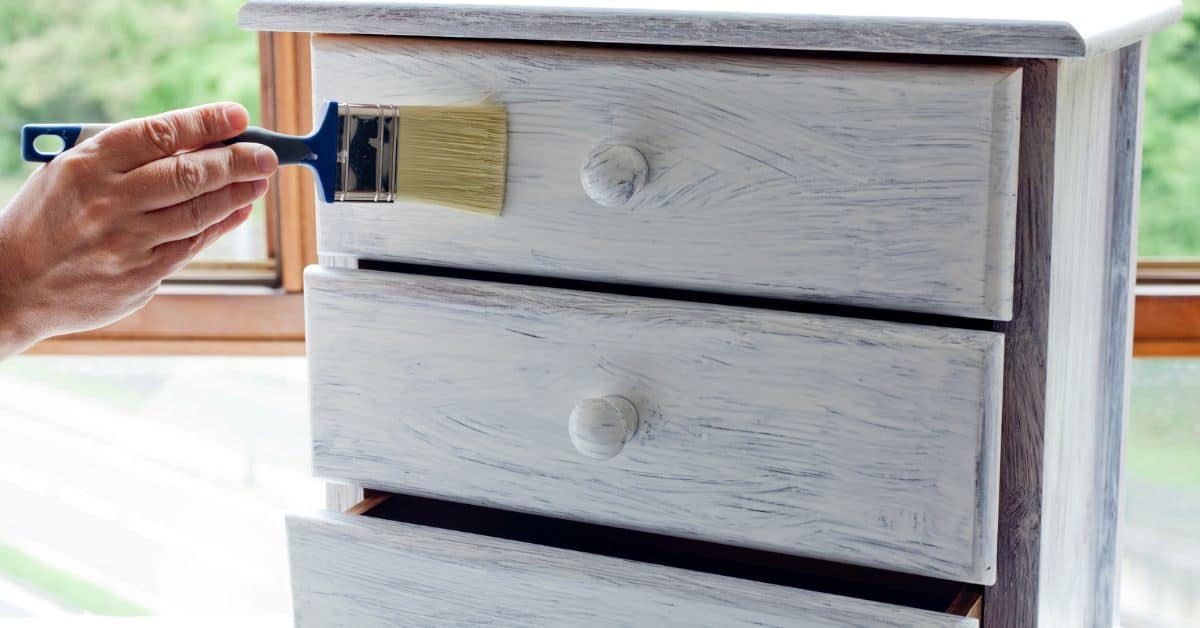
Decide whether to back-brush or roll by looking at the surface texture and how the product is behaving on the job. If the coating puddles, drips, or isn’t seating into the texture, back-brush to force coverage; if it lays out smoothly and hides texture without leaving laps, rolling is fine. Trust the product label and feel your progress—don’t keep tooling just because you think you should.
Doing the right technique saves you rework and gives a uniform finish that actually protects the slab. Knowing when to switch tools prevents trapped air, missed voids, or a patchy look, so you get a durable result without guessing at exact times—check the datasheet for any specific manufacturer guidance.
Tools and materials checklist
Before you start back-brushing or back-rolling, make sure you have the right tools. This checklist helps ensure you’re well-equipped for the job.
- Rollers: Use 9-inch or 12-inch rollers with a 3/8-inch or 1/2-inch nap cover. Verify they’re compatible with your coating system.
- Brushes: For edges and tight spots, use a 4-inch to 6-inch brush with stiff bristles that won’t splay. Check they’re suitable for your paint type.
- Extension pole: A 2-foot or 3-foot extension pole helps reach high places without ladders.
- Drop cloths: Protect surfaces below with canvas or plastic drop cloths to catch drips and overspray.
- Tape: Use painter’s tape to mask off areas you don’t want to coat.
- Gloves: Wear gloves to protect your hands from paint and chemicals.
- Safety glasses: Protect your eyes from debris and overspray.
- Protective clothing: Wear old clothes or a painting suit to keep your regular clothes clean.
Quick rule: Always check your tools and materials before starting. Using the wrong equipment can ruin your finish.
Step-by-step workflow and decision cues
Follow this step-by-step workflow to ensure you back-brush or back-roll at the right time for optimal results.
- Inspect the sprayed coating: Look for any missed spots, runs, or imperfections. Address these before proceeding.
- Perform a test pass: Lightly roll or brush a small, inconspicuous area to see how the coating responds. This helps you gauge the right amount of pressure and technique.
- Gently work the surface: Apply even, light pressure as you back-brush or back-roll. Be careful not to overwork the coating.
- Check for leveling: Observe how the coating levels out. If it’s uneven, you may need to adjust your technique or wait a bit longer before working it again.
- Feel for tackiness: Gently touch the surface with your gloved hand. If it feels slightly sticky but not wet, it’s ready for the next coat.
- Re-evaluate the finish: Step back and look at your work. Check for any missed spots or areas that need more attention.
- Wait before recoating: Allow the coating to dry according to the manufacturer’s instructions before applying the next coat.
Safety, cleanup, and solvent handling
Proper safety measures and cleanup practices ensure a successful job with no environmental impact. Here’s how to handle solvents and clean up responsibly.
Personal Protective Equipment (PPE): Wear gloves, safety glasses, and protective clothing to shield your skin and eyes from chemicals.
Ventilation: Ensure proper ventilation in the work area to prevent fume buildup. Open windows or use fans to circulate air.
Cleanup: Clean brushes, rollers, and other tools immediately after use with the recommended solvent or cleaner. Dispose of rags and waste materials according to local regulations to minimize environmental impact.
Adjusting Technique for Different Spray Systems and Coatings
Different spray machines and coatings change how much back-working you need and how you do it. Heavy, high-output guns lay material fast and often need immediate back-brushing or troweling; low-pressure sprayers and thin coatings may need gentler finishing or less touch-up. Check the equipment manual and the coating datasheet for manufacturer guidance before you start.
Why it matters: using the wrong back-working method can ruin texture, adhesion, or coverage and force you to redo the job. Follow the sprayer and material guidance, and when in doubt slow down and test a small patch so you don’t learn the hard way on the whole surface.
Differences for airless, HVLP, and conventional spray systems
Airless spray systems use high pressure to atomize paint. Back-brushing or back-rolling is often needed to smooth out the heavy, textured pattern left behind.
HVLP (High Volume, Low Pressure) systems create a finer mist. Less back-working may be required, but it’s still crucial for ensuring even coverage and adhesion.
Conventional spray systems have a medium atomization level. Back-rolling is usually necessary to blend edges and ensure an even finish.
Adapting to thin versus heavy-bodied coatings
Thin coatings dry quickly but can leave a textured surface. Back-rolling helps smooth it out and improve adhesion.
Heavy-bodied coatings take longer to dry, giving you more time for back-working. However, they’re also more susceptible to overworking, which can cause lift or lost sheen.
Use light, even strokes with thin coatings. With heavy-bodied coatings, apply firm, steady pressure and work quickly but carefully.
Material specs and manufacturer instructions explained
Checking material specs ensures you’re using the right product for your job and technique. It also helps avoid common pitfalls like cracking or weak bonding.
- Dry Time: Faster drying times mean less time for back-working. Check this spec to plan your workflow.
- Recoat Windows: This tells you when it’s safe to apply another coat without risking lift or weak adhesion.
- Recommended Application Methods: Manufacturers often suggest application methods (like back-rolling) for best results. Follow these guidelines.
- Solids Content: Higher solids content means the coating is thicker and more prone to texture. Back-working helps smooth it out.
- Cracking/Staining Potential: Some coatings are more prone to cracking or staining if not applied correctly. Check these specs to avoid issues.
Troubleshooting Defects and Corrective Options
When a sprayed concrete surface gets dinged, stained, or goes soft after work, think symptom → likely cause → corrective action. I’ll lay out common post-spray problems in a simple matrix so you can match what you see to what to do next.
Knowing the probable cause saves you time and prevents guessing that makes things worse—like over-sanding or applying the wrong sealer. Fixing the right issue keeps the repair durable and avoids repeating the job.
Identifying defects caused by back-working
After spraying, back-brushing and back-rolling can sometimes lead to issues if not done correctly. Here’s how to spot them:
Visual signs: Look for streaks, sags, or loss of gloss. These could indicate overworking or incorrect technique.
Tactile signs: Feel the surface gently with your hands. If it feels rough, bumpy, or raised (grain raise), there’s a problem. Also, check for any sticky or tacky areas, which might mean the coating hasn’t cured properly.
Practical fixes and when to recoat or strip
If you spot defects after back-working, here’s what to do:
For minor issues, like light streaks or slight sags, you might be able to sand them out gently and touch up with a bit more paint. But be careful not to over-sand and damage the substrate.
However, if you see major defects, such as severe grain raise, loss of gloss, or areas that feel sticky, it’s safer to strip off the affected coating and start again. This ensures a smooth, even finish and prevents further issues down the line.
Always remember, prevention is better than cure. So, make sure you’re using the right technique and timing for your specific job and conditions.
Alternatives and When to Use Them Instead
Sometimes back-brushing or back-rolling isn’t the best move. You can control coverage better by spraying more carefully, building up additional thin coats, or sanding between coats for a smoother finish.
Those alternatives matter because they reduce runs, uneven texture, and wasted material. For a DIYer, they can save time and rework—check the product label or datasheet for recommended recoat guidance and sanding steps.
When to use touch-up spray or additional light coats
Sometimes, back-brushing or back-rolling isn’t the best solution. If you’re dealing with a small area or want to avoid overworking your coating, consider these alternatives:
Applying another controlled spray pass can help even out coverage and fix minor imperfections without disturbing the existing layer too much.
Similarly, applying multiple thin coats instead of one thick one allows for better control and penetration. It’s like building up layers of a cake – each one adds to the final result but doesn’t overwhelm the underlying layer.
Remember: This method works best with experienced technique and proper thinning. Too many coats or improper application can lead to issues like orange peel or sagging.
When to consult a professional or follow warranty protocols
While DIY is great, there are times when it’s best to leave things to the pros. Here are some situations where you should consider seeking expert help:
Complex substrates: If you’re working on an unusual surface like metal, masonry, or existing paint, it might be wise to consult a professional. They have the experience and knowledge to handle these tricky surfaces.
Proprietary systems: Some coatings are part of proprietary systems that require specific application techniques. In these cases, it’s best to follow the manufacturer’s guidelines or contact their support for advice.
Warranty-sensitive work: If your project is under warranty, always check with the manufacturer first before making any changes or repairs. They can provide guidance tailored to their product and ensure you don’t void the warranty accidentally.
Conclusion
Back-brushing and back-rolling can save a sprayed finish when used at the right time, but wrong timing or technique can ruin texture, color, and adhesion, so safety and precision matter more than speed. Stay focused on creating a uniform, durable coat without overworking the surface or trapping moisture.
First, use a simple, plain-language checklist as you finish: verify you know exactly what coating you sprayed, confirm the spray system setup and any adjustments you made, test a small area first, watch for lifted edges or color unevenness, and proceed to back-brush or back-roll only if the test shows improvement and not damage, then recheck for uniform coverage and dry-to-touch feel before considering a final cure. If anything looks off, pause, reassess, and document what you change for the next pass.
Two common mistakes to avoid are overworking the coating and applying back-brushing or back-rolling too soon or too late in the cure window, plus neglecting safety gear or ventilation when you go back over the coat. Always use proper PPE, keep coats thin and even, ventilate the space, and test a small area first to prevent irreversible damage.
If the project involves a difficult coating, unusual spray system, or persistent defects, it makes sense to call a professional rather than forcing a workaround. When you do push ahead, stay disciplined, follow the tested steps, and finish with a careful inspection—you’ll know you did the job right when the surface looks uniform, feels solid, and mirrors the surrounding areas. You’ve got this—steady work now reduces touch-ups later.
FAQ
When should I skip back-brushing or back-rolling after spraying?
If the coat looks smooth, evenly applied, and you’re seeing pinholes or solvent evaporation issues, skip the extra pass. Back-brushing can ruin a thin spray if you’re not sure it needs it. Check the manufacturer’s guidance for your coating and spray system.
What are the most common mistakes that ruin a sprayed finish when back-brushing is used?
Overworking the surface, using the wrong brush or roller, or applying too much pressure can pull color or texture off. Worklightly and keep the motion short and consistent. If you see texture or streaks, stop and reassess with the product label in hand.
How do I clean tools and avoid cross-contamination after back-brushing?
Clean tools promptly according to the coating’s instructions. Use the recommended solvent or water-based cleaner, then rinse and dry before storing. Don’t mix cleaners and follow local disposal guidelines for leftovers.
How can I test adhesion and appearance after back-brushing or back-rolling?
Let the surface cure as directed and inspect for uniform adhesion and finish. If you suspect poor bonding or coating separation, check manufacturer instructions and consider a small test spot before wider application.

