
Matt L.

Concrete worker.

Close-up of a concrete driveway slab with control joints

Air-entrained concrete for driveways and steps: real freeze–thaw failures and how to avoid them

Introduction Air-entrained concrete uses air bubbles added during mixing to resist freeze–thaw damage. For driveways and steps, this helps the surface survive cycles of freezing and thawing without cracking. Check the product label and manufacturer instructions to understand the recommended air content for your project. Keep the mix cool to cure evenly, protect fresh concrete […]
Air-entrained concrete for driveways and steps: real freeze–thaw failures and how to avoid them Read More »

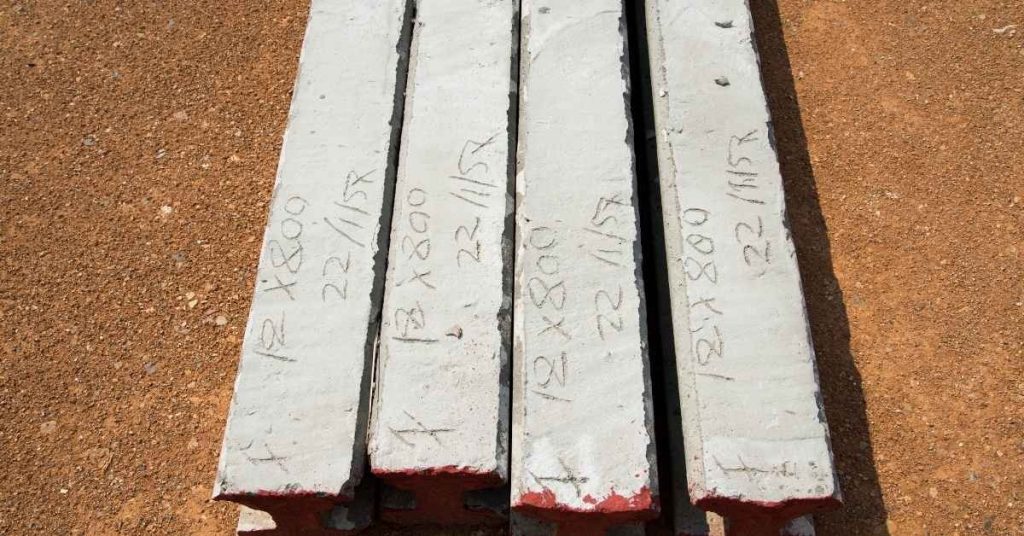
Four long concrete test slabs with handwritten markings

Troubleshooting DIY mixes with a slump test: what bad numbers look like in real concrete

Introduction A slump test checks how fluid your concrete mix is by measuring how much it slumps or settles. It’s a quick way to see if the mix is too dry or too watery before you lay it. If the numbers seem off, check the product label, manufacturer instructions, and any local guidelines for your

Troubleshooting DIY mixes with a slump test: what bad numbers look like in real concrete Read More »

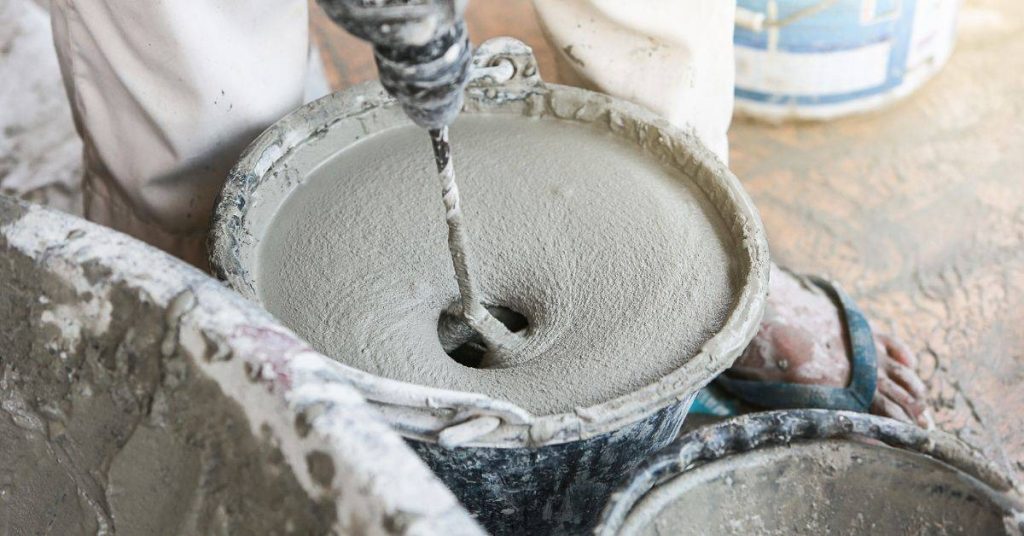
electric drill mixing cement in a bucket on dusty floor

Small-batch mixing: keeping ratios honest with buckets and a cheap scale

  Introduction Small-batch mixing means measuring everything in tiny, consistent portions so ratios stay true when you mix in buckets with a cheap scale. Keep it simple: use one bucket per component, tare the scale, and double-check labels before you start. Plan a batch size you can manage, and write down your target ratios in

Small-batch mixing: keeping ratios honest with buckets and a cheap scale Read More »