Matt L.

Concrete worker.

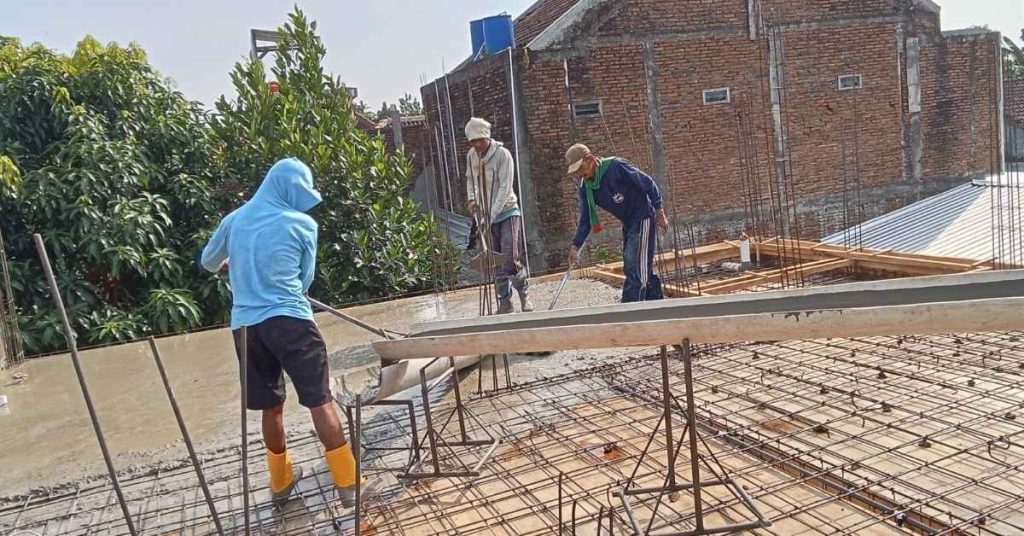
worker pouring concrete slab at construction site

Frost heave clues under concrete slabs: soil types, drainage fixes, and when you can’t fight nature

Introduction Frost heave clues under concrete slabs are signals that the soil beneath is lifting when moisture freezes. Look for misaligned joints, raised edges, and cracks that run across the slab as practical signs. Treat this as a hands-on inspection: note where water pools and how the slab sits. Soil type and moisture control frost […]
Frost heave clues under concrete slabs: soil types, drainage fixes, and when you can’t fight nature Read More »

Workers pouring concrete over rebar grid on construction site

Rebar lap splice failures in DIY concrete work: real-world examples and how to avoid them

Introduction Rebar lap splice failures occur when the overlap between reinforcing bars is insufficient to transfer load through the concrete. In DIY projects, that weakness can show up as cracks, settlement, or unexpected movement at joints. Always check the minimum overlap guidance and follow the manufacturer’s or local rules for placement and tying. To avoid

Rebar lap splice failures in DIY concrete work: real-world examples and how to avoid them Read More »

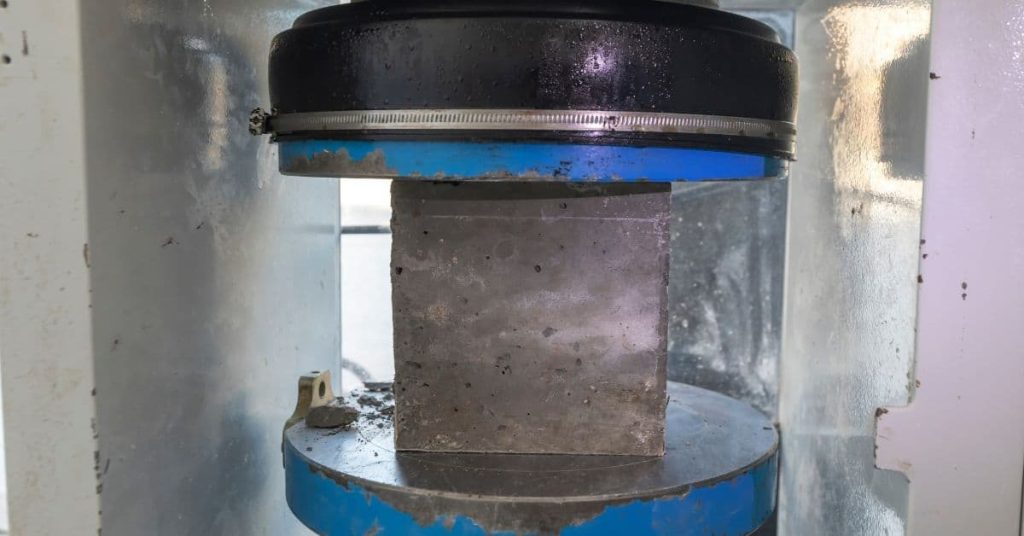
Concrete compression test cube inside a testing machine

Saw-Cut Timing for Concrete Slabs by Weather: the Scratch Test That Prevents Raveling

Introduction Saw-cut timing for concrete slabs is the window when joints should be cut to control cracking. Weather conditions like temperature, humidity, and drying rate influence this window, so observe the surface and watch for a firm, near-dry feel before cutting. Always check manufacturer instructions and local rules for guidance, and perform a simple surface

Saw-Cut Timing for Concrete Slabs by Weather: the Scratch Test That Prevents Raveling Read More »

Worker standing on concrete footing form with exposed rebar

Rebar Cover Mistakes in Small Concrete Footings: a DIY Inspection Checklist Before the Pour

Introduction Rebar cover mistakes in small concrete footings happen when the reinforcing steel isn’t adequately protected by concrete cover. This article walks you through a practical pre-pour inspection you can perform on site. It focuses on spacing, cover, and corrosion prevention in plain, hands-on terms. Before you pour, check that rebar is spaced and positioned

Rebar Cover Mistakes in Small Concrete Footings: a DIY Inspection Checklist Before the Pour Read More »

Person smoothing fresh concrete with tools wearing gloves

Cold-Weather Concrete Repairs: Keeping Thin Patches and Small Slabs from Freezing Out

Introduction Cold-weather concrete repairs are fixes done in cold conditions to prevent thin patches and small slabs from freezing. This article explains practical steps you can take with common materials to keep patches durable. Approach is hands-on and focused on safe, simple techniques you can apply without special equipment. Cold weather slows concrete hydration and

Cold-Weather Concrete Repairs: Keeping Thin Patches and Small Slabs from Freezing Out Read More »

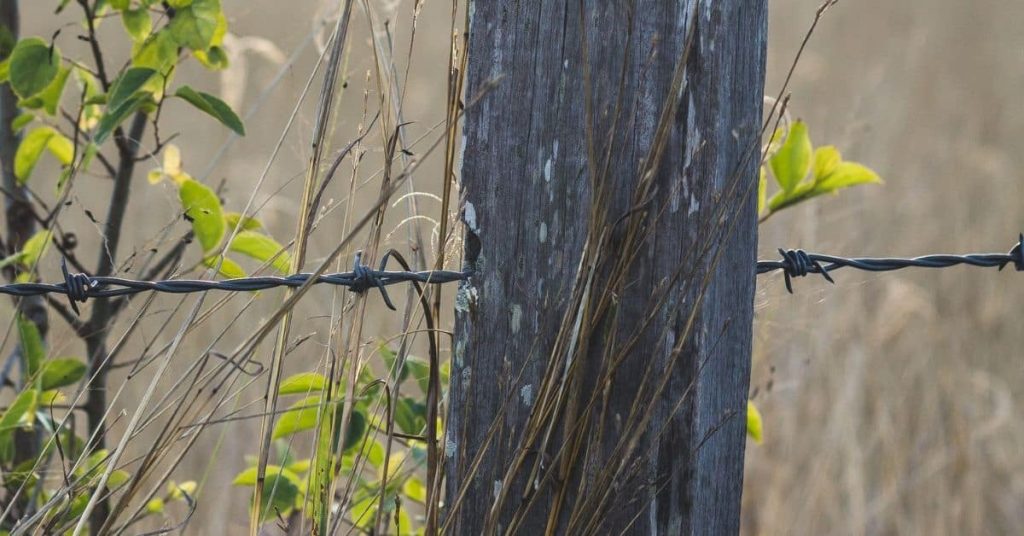
Close-up of weathered wooden fence post with barbed wire and dry grass

Concrete Post Base Pockets and Voids: Where They Come from and How to Patch Invisibly

Introduction Concrete post base pockets are hollow or voided areas that form under a post base in poured concrete. They develop when formwork fails to support the concrete properly, when settlement occurs, or when air and water leave gaps before the concrete cures. These voids can compromise the base and the surrounding footing if not

Concrete Post Base Pockets and Voids: Where They Come from and How to Patch Invisibly Read More »

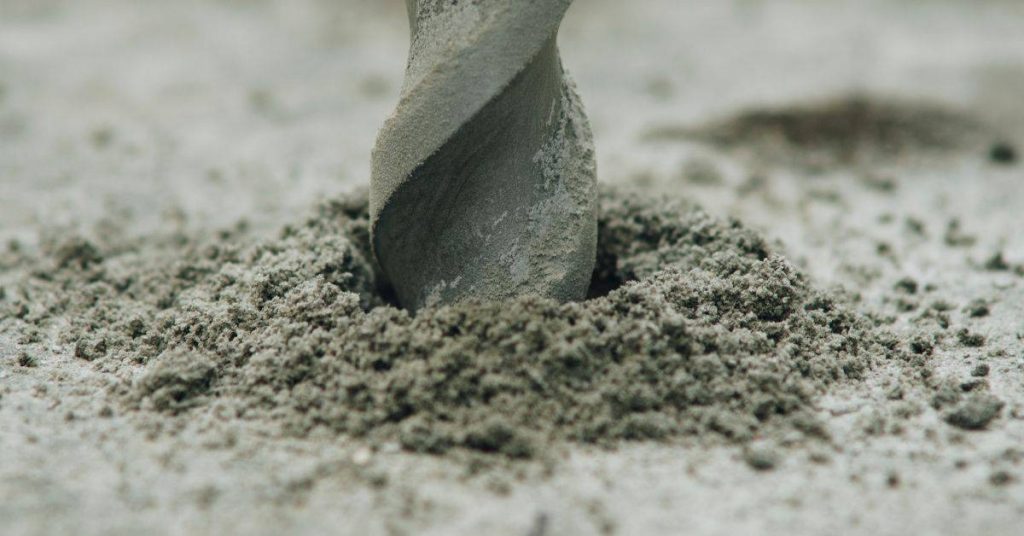
Close-up of a drill bit drilling into concrete with dust

Anchor Bolts in Concrete That Landed Wrong: Drill-and-Epoxy Fixes and Layout Prevention

Introduction If an anchor bolt landed wrong in concrete, drilling and epoxy can correct the install and restore holding strength. This hands-on guide walks through practical steps for re-anchoring and preventing misalignment when you’re handling pallet racks. You’ll learn how to evaluate the situation, choose a repair approach, and proceed safely on site. focus> Key

Anchor Bolts in Concrete That Landed Wrong: Drill-and-Epoxy Fixes and Layout Prevention Read More »

Fresh concrete poured into yellow wooden formwork

Rock Pockets on Formed Concrete Faces: Prevention During Pour and Durable Cosmetic Repairs

Introduction Rock pockets are hollow spots or voids that appear on the surface of formed concrete faces. They form when aggregate or cement settles away from the surface during pour, leaving visible pockets. Proper formwork, consistent pour, and careful surface preparation help prevent them. Symptoms include small pits and rough spots on the face that

Rock Pockets on Formed Concrete Faces: Prevention During Pour and Durable Cosmetic Repairs Read More »

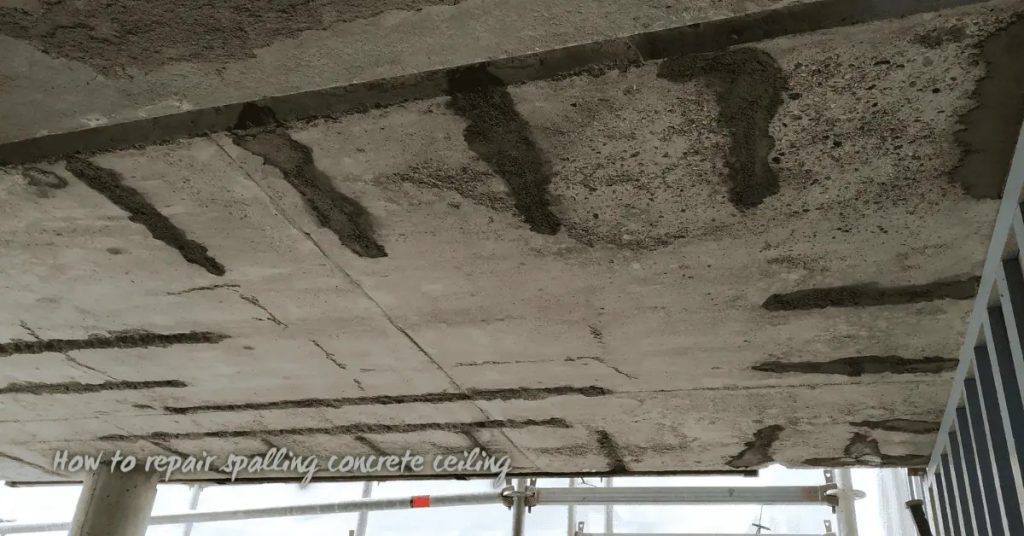
Concrete ceiling with dark patched spalling repair areas

Edge Spalling at Concrete Joints: Why It Happens and How to Detail Joints to Stop It

Introduction Edge spalling at concrete joints is when the concrete along the joint flakes or chips away. It often shows up where the edge is thin, stressed, or exposed to moisture. A straightforward fix is to prepare the edge, restore sound support, and plan better joint detailing. To detail joints so it stops, use properly

Edge Spalling at Concrete Joints: Why It Happens and How to Detail Joints to Stop It Read More »

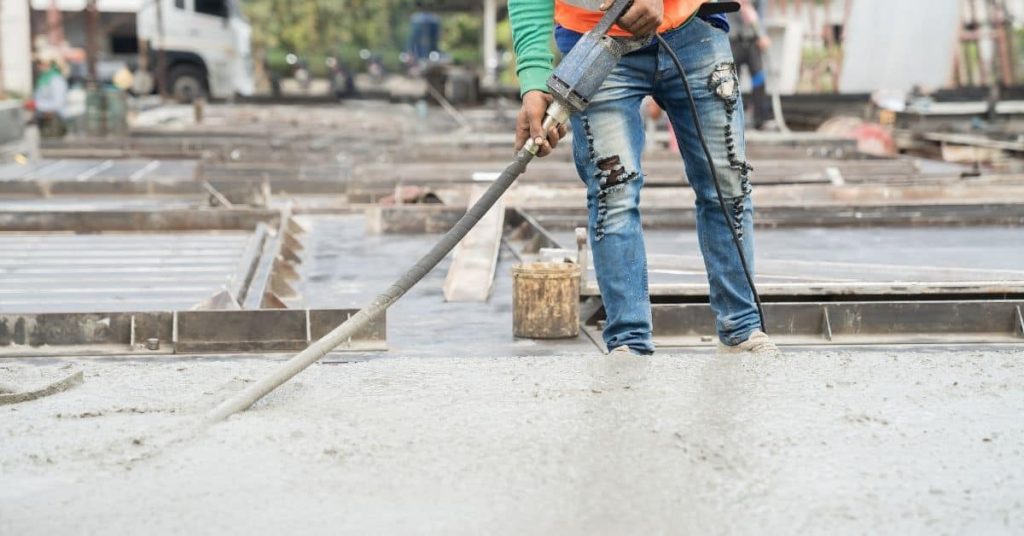
Concrete being smoothed with a long-handled screed tool

Crazing and Hairline Map Cracks in Concrete: over-Finishing Clues and How to Keep It Subtle

Introduction Crazing and hairline map cracks are shallow surface cracks that occur when the concrete surface dries or finishes too aggressively. They often appear as a fine web across the countertop and can be subtle or noticeable. This article explains how to recognize them and what to check to keep finishes from looking overworked. Drying

Crazing and Hairline Map Cracks in Concrete: over-Finishing Clues and How to Keep It Subtle Read More »