Matt L.

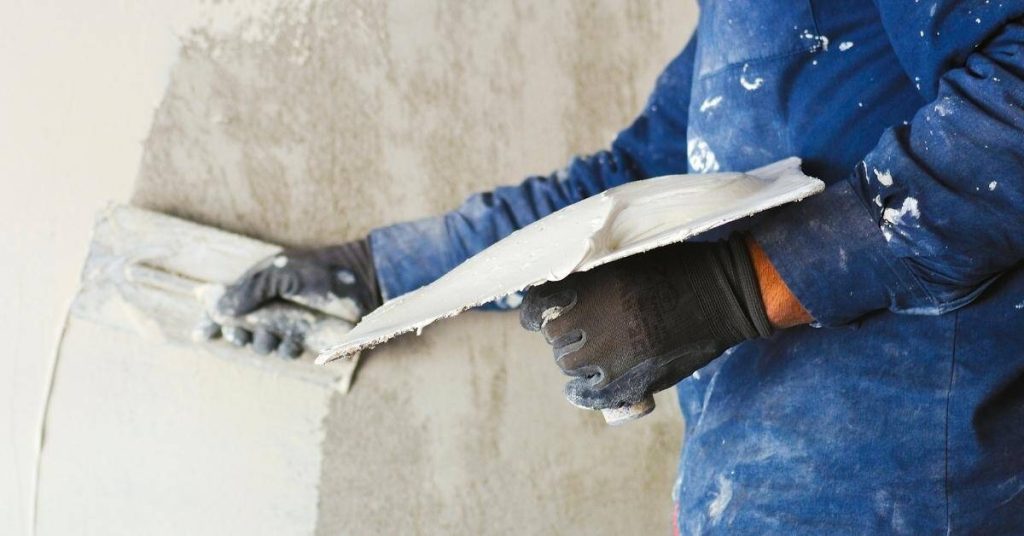
Concrete worker.

Paint roller applying white primer on drywall

How to Avoid Picture Framing on Walls: Rolling Patterns, Wet Edges, and Primer Strategy

Introduction Picture framing is the darkened outline that appears around a painted wall when roller technique, wet edge control, or primer choice are handled poorly. In plain jobsite terms: it’s caused by overlapping passes that dry at different rates and by inconsistent paint load from the roller. I’ll describe practical ways to keep a consistent […]

How to Avoid Picture Framing on Walls: Rolling Patterns, Wet Edges, and Primer Strategy Read More »

Hand dipping paintbrush into white paint bucket

Cutting In on Rough Surfaces: Brush Choice and Edge Tricks That Keep Lines Clean

Introduction Cutting in on rough surfaces means using the right brush and a few edge tricks so your paint lines stay sharp even when the substrate is irregular. In practice that means choosing a brush filament and size that match the material and paint—check the product label and manufacturer instructions for compatibility—and using steady pressure

Cutting In on Rough Surfaces: Brush Choice and Edge Tricks That Keep Lines Clean Read More »

Close-up of textured stamped concrete floor surface

Concrete pH Testing for Paint and Coatings: Simple DIY Methods and Pass/Fail Numbers

Introduction Concrete pH testing for paint and coatings is a simple check to see if the surface is too alkaline for a coating to stick and perform. In plain jobsite terms, it means taking a quick sample or using a test strip to read the surface pH, then comparing that result to the coating maker’s

Concrete pH Testing for Paint and Coatings: Simple DIY Methods and Pass/Fail Numbers Read More »

Hand holding paint roller with orange paint above drop cloth

Painting Over Fresh Concrete: pH Testing, Wait Times, and Primer Selection

Introduction Painting over fresh concrete means making sure the slab is ready and won’t ruin your paint job; that starts with testing alkalinity, letting the concrete cure, and choosing a primer that matches the slab’s condition. In plain jobsite terms: test surface pH, wait the right amount of time based on the product you plan

Painting Over Fresh Concrete: pH Testing, Wait Times, and Primer Selection Read More »

Empty indoor concrete parking garage with columns and marked spaces

How to Reduce Hot-Tire Pickup on Garage Coatings: Cure Time and Topcoat Choices

Introduction Reducing hot-tire pickup on garage coatings means giving the coating enough cure time and choosing a topcoat that resists softening under heat and rubber contact. In plain jobsite terms: let the base coat harden per the product directions and pick a topcoat designed for vehicular traffic and heat resistance. Check the product label and

How to Reduce Hot-Tire Pickup on Garage Coatings: Cure Time and Topcoat Choices Read More »

Glossy shiny black epoxy coated floor reflecting light

Polyurea vs Epoxy Floor Coatings: Where Fast Cure Helps and Where It Causes Failure

Introduction Polyurea and epoxy are two different floor coatings: polyurea cures very fast and stays flexible, while epoxy cures slower and tends to be harder and more rigid. For a DIYer that means polyurea can get you back on the floor quickly, but the fast cure also makes surface prep and application less forgiving. Check

Polyurea vs Epoxy Floor Coatings: Where Fast Cure Helps and Where It Causes Failure Read More »

Spiked roller tool on wet floor coating surface

Polyaspartic Floor Coatings for DIY: Working Time, Odor, and Surface Prep Requirements

Introduction Polyaspartic floor coatings are fast-curing two-part coatings used to protect and finish concrete, and for a DIYer that means short working time, noticeable odor, and careful surface prep. Think like a tradesperson: plan your mixing and application in short, deliberate steps and check the product label for working time, recommended respirators, and substrate requirements.

Polyaspartic Floor Coatings for DIY: Working Time, Odor, and Surface Prep Requirements Read More »

Close-up of crack on textured stucco wall surface

Elastomeric Paint vs Masonry Paint: Thickness, Crack Bridging, and Recoat Timing

Introduction Elastomeric paint is a high-build, flexible coating designed to bridge small hairline cracks and move with the wall, while masonry paint is a thinner, protective finish for porous surfaces; choose by how much movement and build you need. In plain jobsite terms: elastomeric lays on thicker and stretches, masonry paint lays on thinner and

Elastomeric Paint vs Masonry Paint: Thickness, Crack Bridging, and Recoat Timing Read More »

Thick yellow paint strokes on a white surface

Mineral Paint vs Acrylic on Masonry: Breathability, Washability, and Best Use Cases

Introduction Mineral paint is a thin, breathable coating made from mineral binders that soaks into masonry while acrylic is a film-forming paint that sits on the surface and sheds water. For DIY use, think mineral paint where you need vapor permeability and historical compatibility, and acrylic where you need tougher washability and abrasion resistance. Check

Mineral Paint vs Acrylic on Masonry: Breathability, Washability, and Best Use Cases Read More »

Three paintbrushes and a paint roller on plastic sheet

How to Paint in Shoulder Seasons: Cold Nights, Warm Days, and Dry-Time Reality

Introduction Painting in shoulder seasons means working when days can be warm enough for paint to cure but nights drop cold enough to slow or stop drying; it’s about timing coats around daily temperature swings and humidity. In plain terms: plan for shorter workable windows, watch overnight lows, and choose products that tolerate those swings

How to Paint in Shoulder Seasons: Cold Nights, Warm Days, and Dry-Time Reality Read More »