

Introduction
Algae on brick walls is a slimy or green layer that grows when moisture sticks around. This article covers safe, non-etching ways to remove it without bleach. Always check the product label and local rules before you start.
Start by rinsing the wall with water and scrubbing with a soft brush to loosen the algae. If you use cleaners, choose milder options and test on a small, inconspicuous spot first. When in doubt, follow the manufacturer instructions and stop if you see any color loss or damage.
Key takeaways
- Identify algae by color and texture; differentiate from moss, mold, or mildew.
- Test cleaning on a small area before full approach to prevent damage.
- Avoid using high pressure or harsh chemicals that etch brick surfaces.
- Choose cleaners labeled safe for brick and compatible with efflorescence.
- Follow steps in order; rinse thoroughly and monitor for residue.
- Wear eye protection, gloves, and ventilation; read label instructions carefully.
Table of Contents
- Introduction
- Key takeaways
- Identifying Algae Vs Other Surface Growths
- Why Bricks Get Algae and the Underlying Causes
- How Cleaning Can Damage Brick: Etching, Bleaching and Other Risks
- Overview of Safe Cleaning Approaches
- Step-by-Step DIY Cleaning Procedure (Safe, Non-Etching)
- Tools and Materials Checklist
- Material Specs and Product Label Checks
- Visual Checkpoints and Evaluating Results
- Conclusion
- FAQ
Identifying Algae Vs Other Surface Growths
Algae usually looks like a green, slimy film that can dull the brick’s color. It often forms on the surface where moisture lingers. Texture tends to be soft to touch and roll away with gentle scrubbing.
Moss, mold, mildew, and lichens each have distinct traits you can spot. Moss is typically tufted and fuzzy, while mold and mildew appear powdery or velvety. Lichens show crusty, patchy growth with mixed colors and a rough surface.
Visual cues and simple field tests
First, look at your brick wall. Algae usually appears as green or black patches, often with a slimy texture. It grows in damp areas and can spread quickly.
Moss is typically green and has a soft, velvety feel. It grows in clumps and thrives in shady, moist spots.
Mold and mildew are harder to spot but often leave black or gray stains. They grow in damp areas and can have a musty smell. Lichen is usually white or gray, grows slowly, and has a rough texture.
Why correct ID matters for treatment choice
Identifying the growth correctly is crucial. Algae can be scrubbed off with a stiff brush and soap, but too much pressure can damage brick.
Moss needs to be scraped off first before applying any cleaner. Mold and mildew require a bleach-based solution, while lichen may need a specialized cleaner or mechanical removal.
Misidentifying growths can lead to ineffective cleaning or even damage to your bricks. Always double-check before starting any treatment.
Why Bricks Get Algae and the Underlying Causes
Brick walls hold onto moisture when shade is persistent or airflow is limited. Dry periods may not fully dry the wall, inviting algae to take hold. Organic debris can also trap moisture against the brick face.
Porous mortar and older brick can absorb moisture more readily, creating a hospitable environment for growth. Environmental factors like temperature swings and water exposure contribute to recurring issues. Check local conditions and the wall’s exposure to determine likely causes.
Common moisture and site factors
Algae love damp environments. Here’s how your site might be keeping them wet:
Poor drainage: If water doesn’t drain away from your walls, it sits there, creating a perfect breeding ground for algae.
Gutter issues: Clogged or damaged gutters can cause water to overflow and run down your brick walls. Make sure they’re clear and in good shape.
Even nearby vegetation can contribute. Overhanging trees or shrubs can block sunlight, keeping the wall damp longer, and dropping organic debris that feeds algae.
Brick and mortar vulnerabilities
Your bricks and mortar might be more susceptible to algae than you think:
Porosity: Bricks are porous. This means they absorb water, which can lead to deeper, harder-to-remove algae growth.
Surface texture: Rough surfaces give algae something to grab onto. Smooth bricks are less likely to host algae than textured ones.
Deteriorated mortar joints: Cracked or crumbling mortar can hold water and organic debris, making it easier for algae to take root. Keep your mortar in good repair to prevent this.
How Cleaning Can Damage Brick: Etching, Bleaching and Other Risks
Harsh cleaners or high pressure can erode the brick surface and wear away the mortar joints. Some methods pull color or leave uneven patches once the algae is removed. Repeated abuse can weaken the masonry over time.
Color change might indicate pigment loss or chemical action that needs to be stopped. Always verify product instructions to ensure compatibility with your brick and mortar. Look for warnings about etching, abrasion, or solvent risk on the label.
Chemical causes of bleaching and efflorescence risk
Using the wrong chemicals or concentrations can strip your brick’s natural pigments, leaving it looking faded and dull. This is known as bleaching. It’s not just about what you use, but also how much.
Too strong a solution, or one that’s too concentrated, can mobilize salts in the brick and mortar. These salts then rise to the surface, forming a white crust called efflorescence. This doesn’t just look bad; it can also weaken your walls over time.
Always follow the manufacturer’s guidelines on your cleaning products. If you’re unsure, dilute less rather than more. It’s easier to add more if needed than to try and reverse damage.
Mechanical damage from improper pressure or brushes
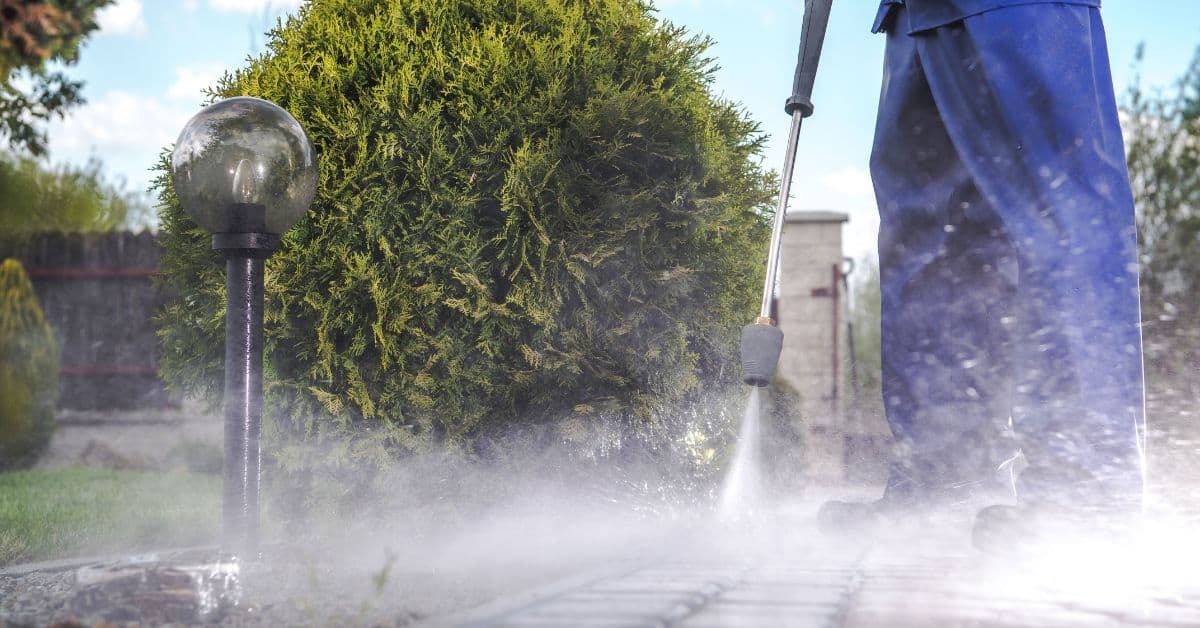
High-pressure washing can do more harm than good. Too much pressure can erode the face of your bricks, wearing away at their surface and leaving them looking rough and pitted.
Wire brushes are another no-no. They might seem like a good way to scrub off algae, but they can scrape away mortar from between the bricks. This weakens the joints, making your walls less stable.
Use a soft-bristled brush or even just a cloth for cleaning. And keep your pressure washer on a low setting – around 1200 PSI or less. If you’re not sure, test it out on a small, hidden area first to see how it affects the bricks.
Overview of Safe Cleaning Approaches
Mechanical methods can remove surface growth with minimal chemical risk but may require more effort and care to protect joints. Low-pressure options reduce the chance of etching while still cleaning surfaces effectively. Chemical methods offer effectiveness on stubborn growth when used as directed.
Combine approaches with care: prep the area, test on a small spot, and follow manufacturer instructions. Consider the wall’s condition and your safety gear needs before starting. Weigh pros and cons to choose a masonry-friendly plan.
Mechanical: soft brushing and agitation
Gentle scrubbing with soft-bristled brushes is the least invasive way to remove algae from brick walls. It’s best for light growth and when you want to avoid chemicals.
Use: Soft-bristled nylon or natural bristle brushes. Avoid wire brushes that can scratch the surface.
Technique: Dip your brush in water, apply gentle pressure, and scrub in small sections. Rinse off with clean water as you go.
Remember, this method might not be enough for heavy algae growth or when cleaning is overdue. It’s best to tackle algae early before it becomes a bigger problem.
Low-pressure soft washing techniques
Soft washing is like giving your bricks a gentle shower with some help from a cleaner. It’s ideal for masonry as it doesn’t damage the surface or force water into the pores.
Pressure: Use a pressure washer with a low-pressure nozzle (0° to 15°). The lower the degree, the wider the spray pattern and less impact on the surface.
Technique: Apply a cleaner suitable for masonry first. Let it soak in, then rinse off with water using your low-pressure washer. Work from top to bottom to avoid streaking.
Soft washing is great for heavy algae growth and when you need a deeper clean. Just remember, it’s not a solution for underlying moisture issues causing the algae.
Chemical options that minimize etching/bleaching
Using the right cleaner is crucial to avoid damaging your bricks. Look for products with these properties:
Neutral pH: This ensures your cleaner won’t be too acidic or alkaline, which can damage bricks and mortar.
Oxygen-based, enzymatic, or peroxide: These cleaners break down algae naturally without causing efflorescence or bleaching. They’re safer for masonry but might take longer to work than harsh chemicals.
Always: Follow manufacturer instructions and safety guidelines on the product label. Wear protective gear, keep pets and children away, and ensure proper ventilation when using cleaners.
Step-by-Step DIY Cleaning Procedure (Safe, Non-Etching)
Start with a visual assessment and patch any cracks before cleaning. Always perform a patch test on a small, inconspicuous area first. Plan the workflow to avoid oversaturation of bricks and mortar.
Apply the chosen method in manageable sections, then rinse or wipe as required. Inspect the area after cleaning for any staining or color shift. Follow product directions for dwell time and safe use.
Step-by-Step Cleaning Process
This section guides you through a safe, non-etching cleaning process for your brick walls. Follow these steps to effectively remove algae without damaging the surface.
- Prepare your workspace and gather necessary tools and materials.
- Protect nearby plants and surfaces from overspray using drop cloths or plastic sheets.
- Wear appropriate personal protective equipment (PPE), including gloves, safety glasses, and a respirator if needed.
- Perform a patch test to ensure the chosen cleaning method is compatible with your brick type and does not cause discoloration or damage.
- Apply the cleaning solution evenly across the affected area using a soft-bristled brush or low-pressure sprayer. Work from top to bottom in manageable sections.
- Monitor the cleaning process, ensuring the solution is effectively removing algae without causing etching or bleaching. If unsure, consult the product label or contact a professional.
- Rinse the cleaned area thoroughly using gentle water flow and a soft-bristled brush, taking care not to blast mortar joints.
- Inspect the cleaned wall for any remaining residues or signs of damage. Make necessary adjustments or reapply cleaning solution as needed.
- Allow the wall to dry completely before performing any final touch-ups or applying sealants.
Preparation and patch-testing
Before starting the cleaning process, it’s crucial to prepare your workspace and perform a patch test to ensure compatibility with your brick type.
Protect nearby plants and surfaces from overspray using drop cloths or plastic sheets. This will prevent accidental damage and make cleanup easier.
Wear appropriate personal protective equipment (PPE), including gloves, safety glasses, and a respirator if needed. This will safeguard you from potential hazards during the cleaning process.
Perform a patch test on a small, hidden area of your brick wall to ensure the chosen cleaning method does not cause discoloration or damage. Apply the solution, let it dwell for the recommended time, rinse, and inspect for any adverse effects before proceeding with the full cleaning process.
Application and dwell guidance
When applying the cleaning solution to your brick wall, ensure even coverage to maximize its effectiveness. Avoid allowing the solution to pool or sit in one area for too long, as this can increase the risk of etching or bleaching.
Monitor the cleaning process closely, keeping an eye on the affected areas to ensure the solution is effectively removing algae without causing damage. If you notice any signs of discoloration or etching, rinse the area immediately and consult the product label for guidance.
Follow the recommended dwell time specified on the product label. Leaving the solution on too long can increase the risk of damage, while rinsing it off too early may leave algae behind. Stick to the manufacturer’s guidelines for best results.
Rinsing, neutralizing and final cleanup
After allowing the cleaning solution to dwell for the recommended time, rinse your brick wall thoroughly using gentle water flow. A soft-bristled brush can help ensure all residues are removed without blasting mortar joints.
If you’ve used an acidic cleaner, neutralize the surface with a solution of baking soda and water (one cup per gallon) to restore the pH balance and prevent further damage. Apply this solution using a soft-bristled brush or low-pressure sprayer, then rinse thoroughly.
Inspect the cleaned wall for any remaining residues or signs of damage after it has dried completely. If necessary, perform touch-ups or apply sealants to protect your brick wall from future algae growth and moisture penetration.
Tools and Materials Checklist
Keep a basic set of hand tools for scrubbing and scraping, plus a sprayer or garden hose for rinsing. Choose a cleaning agent that suits the wall type and the growth you’re addressing. Safety gear such as gloves and eye protection should be ready for every session.
For stubborn spots, have a soft brush and a low-pressure setting available. Use non-metal tools to avoid scratching brick. When in doubt, consult product labels and local codes for approved applications.
Brushes, sprayers and protective equipment
Before you start cleaning your brick walls, ensure you’ve got the right tools and safety gear. Here’s a quick checklist.
- Soft-bristled brush: Essential for gentle agitation. Hard bristles can damage bricks.
- Pump sprayer with adjustable nozzle: For even, controlled application of cleaner. Too strong a jet can cause damage.
- Protective gloves: To prevent skin irritation from cleaners.
- Goggles: Essential eye protection from splashes and debris.
- Respirator (optional): If using strong chemicals, protect your lungs.
- Drop cloths or plastic sheets: To protect surrounding areas from cleaner drips.
- Ladder (if needed): For high walls. Ensure it’s stable and secure.
- Old clothes and shoes: Wear something you don’t mind getting dirty or damaged.
Quick rule: Always prioritize safety gear to protect yourself and your property.
Choosing a cleaner: label features to prefer
When selecting a cleaner, read the product labels carefully. Here’s what to look for.
- Masonry-safe claim: Look for clear statements like ‘safe for masonry’ or ‘suitable for brick’.
- pH level (acidic): Prefer cleaners with a pH below 7 to tackle algae effectively.
- Biodegradable formulation: Eco-friendly and less harsh on bricks.
- Avoid bleach: Bleach can damage and discolor bricks. Stay clear of products containing it.
- No abrasives: Abrasive cleaners can scratch bricks, so avoid them.
- Contact manufacturer (if unsure): If you’re not certain about a product’s suitability, ask the manufacturer.
- Avoid ‘all-purpose’ cleaners: These are often too harsh for brickwork.
- Check storage instructions: Ensure the cleaner can be stored safely in your workspace.
Quick rule: Always choose a cleaner specifically designed and tested for use on masonry.
Material Specs and Product Label Checks
Identify brick and mortar types as some products interact differently with lime mortar or soft bricks. Look for guidance on surfaces similar to yours on the label or data sheet. Manufacturer instructions explain dosing, contact time, and rinsing steps you must follow.
Always review safety data sheets and any local requirements before use. Check for warnings about temperature limits, material compatibility, and disposal. If anything is unclear, verify with the manufacturer or a local building authority.
What to check about your brick and mortar
Before you start cleaning, assess your wall’s condition. This checklist helps ensure you use the right method.
- Brick type: Identify if they’re fired clay bricks. Soft or crumbly bricks need gentler methods.
- Glazed surface: Check for a shiny, protective layer. Unglazed bricks are more porous and vulnerable to damage.
- Mortar condition: Inspect joints. Crumbling mortar needs repair before cleaning.
- Wall age: Older walls may have weaker bonds between brick and mortar.
- Previous repairs: Check for patched areas that might not bond as well.
- Moss or lichen: Heavy growth can hide damage. Remove some to inspect.
- Brick color: Darker bricks may require different cleaning methods than lighter ones.
- Wall orientation: South-facing walls get more sun and heat, which can affect cleaning results.
Quick rule: If in doubt, test a small, hidden area first.
Reading labels and MSDS: safety and compatibility
Before using any cleaner, read the label and Material Safety Data Sheet (MSDS). This ensures you’re using it safely and correctly.
Check these details:
- Recommended substrates: Ensure your brick type is listed. If not, consult the manufacturer.
- Personal Protective Equipment (PPE): Follow instructions for gloves, eye protection, etc.
- Disposal instructions: Some cleaners need special disposal methods to protect the environment.
Review these sections of the MSDS:
Hazards: Understand potential risks and how to handle them.
Exposure controls/personal protection: Follow guidelines for safe use, including PPE and ventilation.
Visual Checkpoints and Evaluating Results
Before and after photos help you compare progress and spot issues. Look for uniform color and no remaining slimy texture. Check for any new staining or color changes that may indicate damage.
Ensure joints and texture look intact and that drainage remains unobstructed. If staining persists or etching is suspected, pause and re-evaluate your method. Use caution and seek guidance before proceeding with aggressive steps.
Immediate post-clean visual checks
Once your brick walls are dry, use this checklist to ensure the cleaning was successful and no damage has been done.
- Check for residual biofilm: Gently run your hand over the surface. If it feels slimy or sticky, some algae may still be present.
- Inspect discoloration: Look for any remaining stains or discolored spots. These could indicate incomplete cleaning or damage to the brick.
- Feel for surface roughness: A smooth surface indicates successful cleaning. Rough patches may suggest etching or damaged mortar.
- Check corners and joints: Algae often hides in these areas. Ensure they’re clean and undamaged.
- Look at the grout lines: If they’re discolored, it might indicate a need for further cleaning or professional help.
- Inspect mortar joints: Check for any crumbling or missing pieces. This could mean the algae has weakened the mortar.
- Check for efflorescence: White, powdery deposits may appear after cleaning. If they’re excessive, it might indicate a moisture issue.
- Feel for soft spots: Any soft areas in the brick or mortar could signal damage and need immediate attention.
Quick rule: If you find any issues during these checks, re-evaluate your cleaning process or consider seeking professional advice.
When to retreat, neutralize, or stop
During and after the cleaning process, use this checklist to determine if you need to adjust your approach or seek professional help.
- Persistent staining: If algae stains remain after two applications of cleaner, it might be time to switch methods or consult a pro.
- Etching or damage: If you notice any signs of etching (glazed, shiny spots) or damage (cracking, crumbling), stop immediately and consider professional help.
- No improvement after 30 minutes: If there’s no visible change in the algae after letting the cleaner sit for 30 minutes, it might not be effective on your walls.
- Unusual odor: A strong, unpleasant smell could indicate a problem with your chosen cleaner or a hidden issue with your bricks.
- Excessive foaming: Too much foam during application may suggest the cleaner is too concentrated or not suitable for your walls.
- Allergic reaction: If you or anyone else experiences an allergic reaction to the cleaner, stop immediately and seek medical attention if necessary.
- Moisture issues: Excessive efflorescence or water marks could indicate a moisture problem that needs professional attention.
- No change after neutralizing: If rinsing and neutralizing didn’t remove the cleaner, you might need to repeat the process or consult a pro.
Quick rule: If any of these issues arise, don’t hesitate to stop, retreat, neutralize, or seek professional help to prevent further damage.
Conclusion
Keep it simple and safe: cleaning algae off brick without etching or bleaching protects the look, durability, and value of your wall. Do the job right and you’ll stop the growth, not the brick itself.
First, inspect the area, test a small hidden patch with your chosen gentle cleaner, ensure it won’t run onto vents or metal, then proceed in a logical sequence: pick a safe cleaner, apply, scrub with a soft brush, rinse thoroughly, and let the brick dry while you recheck the results. If you don’t see a clean, uniform surface after the test area, pause and reassess before wide‑area work.
Common mistakes to avoid are clear: never use bleach or harsh chemicals on brick, never scrub with metal or stiff brushes that can etch or scratch, and never skip a proper dry time or a final visual check. Always wear eye protection and gloves, work from clean to dirty, and keep water away from any electrical fixtures or outlets.
If you see crumbling mortar, active mold beyond surface algae, or damp bricks returning quickly after cleaning, or you’re cleaning a tall wall or above easy reach, get a professional involved. When in doubt, stop and call in the right help—steady hands save time, money, and your brick. You’ve got this—finish steady, finish safe, and make it last.
FAQ
Can algae come back after I clean it, and how can I slow its return?
Yes, it can. Clean the surface, fix moisture issues, and keep vegetation away. Use a finish or coating only if it’s proven not to trap moisture; read the label for outdoor brick compatibility.
Is pressure washing ever safe for brick, and what should I avoid?
Pressure washing can damage brick if set too high or used too close. Keep the nozzle at a safe distance and use a wide spray pattern. Always follow the pressure washer and brick manufacturer instructions.
How do I tell algae from mold or mildew on brick, and does that change cleaning steps?
Algae is greenish and can be slimy; mold or mildew may appear black or gray. The treatment approach differs by organism, so check product labels and manufacturer guidance to choose the right cleaner and method.
When should I call a professional instead of DIY?
If brick shows damage, crumbling mortar, or if you’re unsure about the cleaning product compatibility, pause and consult local rules or a pro. Never guess with structural issues or unfamiliar cleaners.