What Size Water Heater Do I Need? Simple Sizing Steps + Common Mistakes

What Size Water Heater Do I Need? Simple Sizing Steps + Common Mistakes

Introduction

Size your water heater to meet your household’s peak hot-water demand.

The guide walks through simple steps, practical tips, and common mistakes so you can estimate the right capacity, plan for changes in your household, and understand why sizing correctly matters for comfort and efficiency.

Key takeaways

  • Determine daily hot water usage by showers, faucets, and appliances, then size accordingly.
  • Storage tank: calculate gallons needed by peak-hour demand rather than total gallons.
  • Tankless: size by first-hour rating and flow rates per fixture.
  • Factors changing size include climate, family size, and simultaneous usage.
  • Common mistakes: guessing size, ignoring future needs, and improper venting.
  • Signs of undersized: longer showers, cold water, higher energy bills, frequent equipment noise.
Table of Contents

Why water heater size matters

Water heater size drives when you get hot water, how hot it stays, and how quickly it recovers after back-to-back use, so it matters right from the first shower you run. Capacity and flow determine comfort, energy use, and how hard the unit works, so undersizing means chilly showers and slow recovery, while oversizing wastes energy and cycles more than necessary. In short, the wrong size wears out components and shortens life because the system is either constantly fighting to keep up or sitting idle and idle cooling, which accelerates wear.

To size it right, look at your fixtures, your daily patterns, and your climate, then estimate peak hot-water demand and compare that to what the unit’s spec allows, not guesswork. Practical sizing balances up-front tank or unit size with long-term energy costs, replacement timing, and installation realities like venting, safety controls, and service access. If you’re unsure, check the label or datasheet and talk to the manufacturer or local pros to confirm what fits your home and rules before buying, so you don’t end up overpaying or underperforming.

Comfort, performance, and energy trade-offs

Wrong water heater size can turn your morning shower into a cold-water nightmare. When you undersize the tank, hot water runs out fast, leaving everyone scrambling for warm showers.

Oversizing isn’t much better. It leads to short cycling—rapid on-off cycles that waste energy and wear down parts faster than normal use. This means higher bills and shorter equipment lifespan due to increased stress on heating elements and valves.

Getting it right saves money in the long run by reducing standby losses, which are wasted heat when water sits unused but still warm inside a tank. A properly sized unit ensures efficient operation without unnecessary energy draw.

To avoid these issues, take time upfront to calculate your household’s peak hot-water demand accurately. This way, you’ll strike the right balance between comfort and efficiency.

When capacity vs flow rate is the right metric

Choosing between gallons per minute (GPM) for flow rate or gallons of storage depends on your system type. Storage tanks measure capacity in gallons, while tankless heaters focus on GPM and temperature rise.

A typical family might need a 40- to 50-gallon tank if everyone showers one after another without much delay. But if you prefer longer hot showers or have multiple fixtures running simultaneously, go bigger—60 gallons or more.

Tankless heaters require calculating GPM based on your peak demand and the temperature difference between incoming cold water and desired hot output. This ensures enough flow to handle simultaneous use across different fixtures without compromising performance.

Understanding these metrics helps you pick a system that meets your needs now and in the future, avoiding both undersizing and overspending.

Back to top ↑

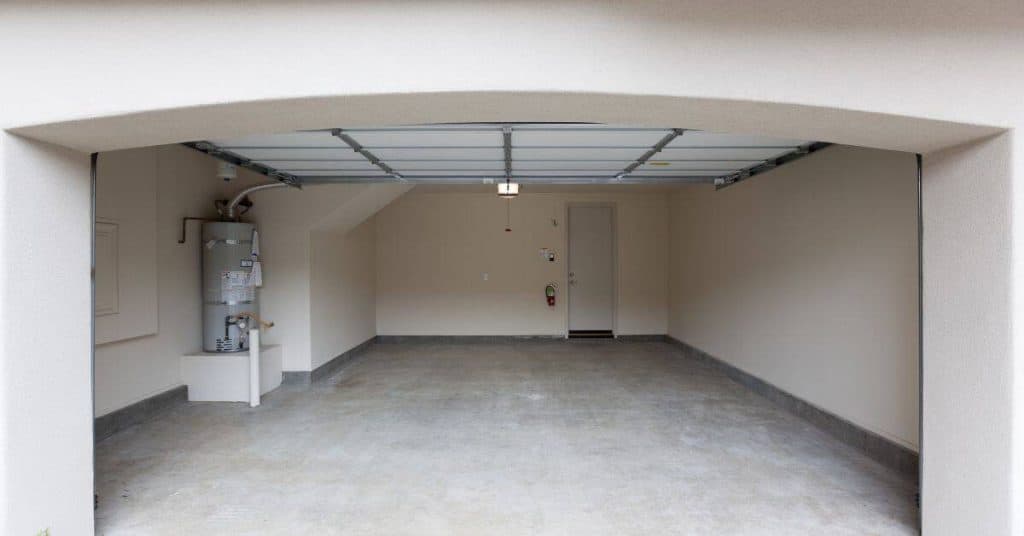
Empty garage with concrete floor and water heater unit
Proper water heater sizing depends on available space in your home

Two main types: storage (tank) vs tankless — sizing differences

Storage (tank) keeps a volume of hot water and delivers it on demand until that heat is used up, while tankless heats water on the fly as you draw. That difference changes how you size them: tanks rely on a first-hour rating and recovery pace, tankless on peak flow and temperature rise. Think about how you actually use hot water moments to choose the right approach.

For DIY planning, note that tanks can be simpler to size around steady behavior, but incur standby losses and space needs; tankless units save space and may be more energy efficient but depend on consistent on-demand use. The key is to estimate draw patterns, temperature rise, and climate impact, then check product labels and manufacturer instructions. When in doubt, factor in future demand and ventilation, and consider professional verification for installer-specific details.

Storage tank basics and capacity rules

The first-hour rating (FHR) is the key to sizing a storage water heater. It tells you how many gallons of hot water your tank can deliver in an hour, starting from when it’s full and at its hottest. The FHR is crucial because it matches up with peak demand times like morning showers or evening dishwashing.

When choosing a tank size, think about your household’s daily usage patterns. A bigger tank means more hot water on standby, but also higher energy costs due to constant heating of the stored water. For instance, if you have three people in your home and each uses around 20 gallons per day for showers, baths, and other needs, a tank with an FHR of at least 65 gallons is usually enough.

Remember, sizing too small can lead to running out of hot water during peak times. On the flip side, going oversized just wastes energy heating extra water that may not be used. So, calculate your first-hour rating carefully and pick a tank size that fits your household’s needs without overdoing it.

Tankless basics: GPM and temperature rise

A tankless water heater doesn’t store hot water; instead, it heats water on demand as you use it. This means sizing a tankless unit requires knowing your peak flow rate in gallons per minute (GPM) and the necessary temperature rise for your location.

For example, if your shower uses 2 GPM at 105°F and your incoming cold water is 45°F, you need to heat it up by 60°F. Tankless heaters are rated based on their ability to handle specific flow rates while achieving the required temperature rise.

It’s important to measure your home’s peak GPM accurately because undersizing can result in weak hot water pressure during simultaneous use of multiple fixtures. Over-sizing might be unnecessary and costly, but it ensures you won’t run into issues when demand spikes.

Back to top ↑

Step-by-step DIY sizing for storage tanks

This section helps you size a storage-tank water heater by a simple, safe method: estimate your household peak-hour demand (PHHD) from likely simultaneous hot-water uses and compare that to the tank’s First Hour Rating (FHR) as the main sizing guide. Don’t rely on guesswork—identify typical flows for showers, sinks, and appliances and translate those into a gallons-per-hour figure, then check the label or datasheet for the FHR. Remember to consider recovery rate, efficiency, climate, and daily habits when you pick a size and keep safety and local rules in mind.

Why this matters: a properly sized storage tank avoids cold bursts and wasted heat while staying within safe installation practices. A DIY approach helps you plan space, venting (for gas), clearance, and valve needs, but you still need to verify PHHD against the chosen FHR and factor in future changes. If PHHD nears the heater’s limits, upsizing or professional verification is wise; if not, you can often stay with a smaller, safer option while observing installation constraints and code requirements.

Step-by-Step Process

This sequence helps you size your water heater accurately, ensuring it meets your household needs without overcomplicating things.

  1. Check safety and prep tools: Ensure the area is clear of hazards. Have a tape measure, notepad, and calculator handy.
  2. Identify peak-hour demand: List all simultaneous hot-water uses in your home. Assign typical flow rates to each fixture.
  3. Calculate gallons per hour (GPH): Add up GPH figures from step 2 to get total household demand during peak hours.
  4. Determine first-hour rating (FHR): Compare your calculated peak demand with FHR ranges for different tank sizes. Choose a size that meets or slightly exceeds your needs.
  5. Factor in recovery rate and efficiency: Adjust your choice based on heater type, climate, and daily usage patterns. Consider future growth too.
  6. Check installation constraints: Ensure there’s enough space, proper venting, clearance for expansion valves, and drainage setup. Follow local codes closely.
  7. Create a sizing checklist: Use common tank sizes to guide your decision. Note when to upsize or downsize based on PHHD vs FHR.

Count people, fixtures, and estimate peak-hour demand

To size a water heater accurately, start by identifying your household’s peak hot-water usage. List all fixtures that might be used simultaneously—like showers, dishwashers, or washing machines.

Assign typical flow rates to each fixture based on manufacturer specs or standard estimates. For example, a shower head typically uses 2.5 gallons per minute (GPM).

Total these GPM figures over the duration of simultaneous use to get your peak-hour demand in gallons per hour (GPH). This number guides you toward selecting an appropriate tank size.

Match peak-hour demand to tank first-hour rating

The First Hour Rating (FHR) is crucial when sizing a storage water heater. It tells you how many gallons of hot water the heater can provide in an hour under peak-demand conditions.

Compare your calculated peak-hour demand with typical FHR ranges for different tank sizes. For instance, a 40-gallon tank might have an FHR around 62 gallons, while a 50-gallon tank could reach up to 82 gallons.

If your peak demand is close to the lower end of an FHR range, consider sizing up for better performance and future growth. A margin ensures you won’t run out of hot water during busy times.

Back to top ↑

Step-by-step DIY sizing for tankless systems

This section walks you through step-by-step DIY sizing for a tankless system. Define peak simultaneous hot-water demand by listing fixtures and estimating their usage times to avoid under-sizing. Then calculate peak flow in GPM by adding fixture GPM at peak and adjust for fixture mix (showers 2.0–2.5 GPM, taps 1–2 GPM, washers/dishwashers separately if applicable).

Next, determine required temperature rise by subtracting your local cold-water inlet temperature from the desired hot-water outlet temperature (usually 120–140°F). Use a simple DIY sizing method: a tankless-sizing calculator or a manual formula for GPM and temp rise, plus guidance on choosing one or two units when culprit loads exceed a single unit’s capacity. Include practical checks and caveats: verify venting, gas vs electric constraints, electrical service or gas line adequacy, space for installation, minimum flow to prevent short-cycling, and local code considerations.

Step-by-Step Process

This sequence helps you size your tankless water heater accurately, ensuring it meets your household’s needs without overcomplicating things.

  1. Gather data on peak usage times and fixture types. Know what fixtures are used simultaneously during peak hours to avoid under-sizing.
  2. Check local cold-water temperature from a reliable source or measure it yourself with a thermometer.
  3. Use the tankless sizing calculator or manual formula to find your peak flow rate (GPM) by adding up the fixture flows at peak use.
  4. Determine required temperature rise by subtracting the incoming water temp from your desired hot-water outlet temp. This tells you how much heat needs to be added per gallon of water.
  5. Verify that your electrical service or gas line can handle the load, and check for adequate space and venting requirements.

Add fixture flow rates to find peak GPM

To find your peak GPM, start by listing all fixtures used during peak hours. Common fixtures include showers (2.0–2.5 GPM), sinks (1–2 GPM), and dishwashers or washing machines.

For uncertain flows, refer to manufacturer specs or use typical values as a guide. Sum up the flow rates of these fixtures at their highest simultaneous usage to get your peak demand in gallons per minute (GPM).

Temperature Rise Calculation and Derating

To calculate temperature rise, subtract your local cold-water inlet temperature from the desired hot water outlet temperature. For example, if your incoming water is 50°F and you want 120°F hot water, your required temperature rise would be 70°F.

Real-world derating might be necessary based on climate conditions or extreme winter temperatures that could lower cold-water supply temp significantly. Adjust your calculations accordingly to ensure adequate heating capacity.

Back to top ↑

Person holding glowing light bulb with calculator and papers
Illustrating energy considerations in sizing tankless water heaters

Factors that change the “right” size

Sizing depends on the technology you choose—tank versus tankless—and how efficient it is and what fuel it uses. It also hinges on how much hot water your household needs at once, inlet water temperature, and how hard the water is, plus venting, space, and local code limits.

Plan for future changes and plumbing upgrades because they change the peak demand and how units can be staged or combined. This matters for DIY folks who want reliable hot water without oversizing or undersizing, and it helps with installation and safety steps like venting, pressure relief, and servicing access.

Fuel, Efficiency and Operating Cost Impacts

The type of fuel you choose—whether it’s gas or electric—will significantly impact the size and capacity of your water heater. Gas heaters generally offer higher recovery rates due to their combustion efficiency but require proper venting and may have lower energy factor ratings compared to electric models.

Electric water heaters, on the other hand, are easier to install since they don’t need a flue for exhaust gases. They often come with higher efficiency ratings like EF (Energy Factor) or UEF (Uniform Energy Factor), making them more cost-effective over time despite their initial higher costs. Consider your local utility rates and any rebates available for high-efficiency models.

When sizing, remember that the efficiency rating directly affects how much hot water you can produce per hour. A lower-rated heater will need a larger tank to meet peak demand or may require multiple units if space allows. Always check these ratings before finalizing your choice to ensure long-term savings and performance.

Space, Venting, and Installation Constraints

The physical location of your water heater can limit the size you choose. For instance, if you’re working with a small utility closet or an attic space, larger tank models might not fit. Tankless heaters are more compact but still need clearance for maintenance.

Venting requirements also play a crucial role. Gas units require proper venting to expel exhaust gases safely. This means ensuring there’s enough vertical and horizontal clearance for the flue pipe, which can restrict your choices if space is tight.

Additionally, consider accessibility for servicing. You need room around the unit for maintenance tasks like replacing filters or checking connections. Tight spaces might force you to opt for a smaller capacity heater even if it means less hot water during peak times.

Local building codes can also dictate specific requirements that influence your sizing decision. For example, some areas mandate larger tanks or multiple units in multi-family setups to ensure adequate supply and safety compliance. Always check these regulations before finalizing your installation plan.

Back to top ↑

Common sizing and installation mistakes to avoid

Sizing and installation mistakes come from rushing to pick a unit or skipping the details. Undersizing or oversizing wastes energy, wears parts faster, and may not meet demand when you actually need hot water or heat. Missed steps like ignoring peak usage, skipping climate adjustments, and mixing up fuel and venting all lead to poor comfort and higher stress on the system.

Understanding what to check before you buy keeps you from a bad mismatch in gas or power supply, venting, and drainage. A simple rule is to verify the label or datasheet for the unit’s requirements and compare them to what your space and utilities can support, then confirm every safety and installation detail before you pull a trigger. This logic matters because a properly sized unit with correct venting, a rated pressure relief valve, and an appropriate drain pan prevents leaks, accidents, and premature failure, while local rules and professional sizing checks keep your project compliant and on solid footing.

Tankless-specific pitfalls

Avoid these common mistakes when sizing and installing tankless water heaters.

  • Average demand: Using average instead of peak hot-water usage can lead to inadequate supply during high-demand times. Always calculate your peak-hour demand.
  • Gas/electrical mismatch: Ensure the gas line or electrical service matches the heater’s requirements to prevent performance issues and potential safety hazards.
  • Neglected water quality: Hard water can cause mineral buildup, reducing efficiency. Install a water softener if necessary.
  • Improper venting: Incorrect vent sizing or routing can lead to poor combustion and carbon monoxide risks. Verify local codes for proper venting requirements.

Making these considerations upfront saves headaches later on.

Storage-tank-specific pitfalls

Avoid these common mistakes when sizing and installing storage water heaters.

  • Too small FHR: Choosing a tank with insufficient first-hour rating (FHR) means running out of hot water during peak usage. Calculate your household’s demand accurately.
  • No expansion tank/PRV: Skipping these components can cause pressure issues and damage to the system. Always install an expansion tank and properly sized PRV.
  • Poor placement: Installing in areas hard to access for maintenance or prone to freezing can lead to costly repairs. Place tanks where they’re easy to service and protected from cold.

These simple steps ensure your water heater runs smoothly and lasts longer.

Back to top ↑

Signs your current water heater is undersized or failing

Signs your current water heater is undersized or failing show up in the tank or the line before it. You’ll notice quick runs of hot water and then a sudden drop, temperature swings, long recovery times after use, frequent cycling, and cold spots at taps or fixtures. These clues help you tell whether the issue is a sizing problem or a faulty component, and you can spot simple checks (like thermostat sanity, basic flow checks) that don’t require disassembly. Different types behave differently, so keep in mind that efficiency age or sediment can mimic undersizing and throw you off before you call in a pro.

These signs matter because chasing the wrong cause wastes time and money and can wear components out prematurely. If symptoms persist after basic tweaks, if you hear leaks, see odd noises, or have safety concerns around gas, venting, or electrical connections, it’s time to escalate to a licensed pro for sizing verification. A pro will run demand-based or first-hour calculations and discuss what unit size fits your home’s actual hot-water demand, then cover any code or safety considerations and the next steps you’ll expect from the consultation.

Diagnostic checklist homeowners can use

Use this checklist during peak hot water usage times, like morning showers or evening dishwashing.

  • Note peak times: Observe when everyone uses hot water. If you run out of hot water quickly, it’s a sign your heater is undersized.
  • Measure flow rate: Use a bucket and stopwatch to measure how many gallons per minute (GPM) your fixtures use. A low GPM can indicate clogged or inefficient plumbing.
  • Check temperature: Test the hot water at various outlets for consistent warmth. Cold spots mean poor circulation or undersizing.
  • Inspect age and maintenance: Look up when your heater was installed and check its service history. Older units may need replacement due to inefficiency.
  • Look for leaks: Inspect the unit and surrounding area for water marks, drips, or puddles that could indicate a failing tank.
  • Hear unusual noises: Listen for knocking, banging, or hissing sounds during operation. These can signal internal damage or sediment buildup.
  • Test recovery time: Turn off the heater and wait until it’s cold. Time how long it takes to heat up again. Long recovery times mean inadequate capacity.
  • Check thermostat settings: Ensure your thermostats are set correctly (usually 120°F for safety). Incorrect settings can mimic undersizing issues.

Quick rule: If you notice multiple symptoms, it’s time to call a professional for an accurate sizing assessment and potential replacement.

Back to top ↑

When to DIY sizing and when to call a professional

DIY sizing can get you reasonable results on simple, single-zone homes with a standard electric storage tank in temperate climates, where the load is predictable and the system isn’t pushed by extremes. Red flags that scream professional input include complex multi-zone layouts, homes in severe cold, and plans for any gas-line or main electrical upgrades, because those tasks cross into code, venting, and safety issues that require trained hands. Do a few practical checks while you scope the job: estimate peak hot-water load with basic household rules, confirm whether the existing setup is storage tank or tankless, and verify that venting, electrical supply, and gas service are feasible for minor upgrades without overhauling the system.

Understanding these boundaries helps you stay safe, avoid wasting money on the wrong unit, and makes the handoff to a pro smoother, since a professional sizing assessment will typically cover load calculations, vent/electric/gas capacity checks, and final unit recommendations, plus notes on permits and safety risks. If you’re considering future-proofing or expansions—like adding another unit, moving toward tankless, or implementing a heat-recovery setup—those plans should trigger professional sizing verification to ensure everything is sized for reliability and code compliance, and to prevent bottlenecks in supply lines or venting that could cause backdrafts or failures. When in doubt, document your DIY findings and check the label or datasheet for limits, then talk to a professional to confirm the path forward.

What to bring to a sizing appointment

Before you meet with a professional, gather all the necessary information and measurements. Start by counting up your household fixtures like showers, faucets, and appliances that use hot water. Note down their types—some may be low-flow or high-demand.

Next, figure out when peak usage times are in your home. This could be early morning for showers or late evening for dishwashing and laundry. Also, measure the incoming cold-water temperature at different times of the year to account for seasonal changes. If you’re considering a gas-powered heater, check your existing gas line size and capacity.

For electric heaters, verify if your current electrical setup can handle an upgrade or new installation without issues. Lastly, think about future plans—will you be adding more fixtures soon? Do you want to switch to tankless or consider heat recovery systems?

Having this info ready will help the contractor make accurate recommendations and avoid costly mistakes.

Questions to ask your contractor

When you meet with a professional, don’t hesitate to ask detailed questions. Start by asking how they plan to size the water heater for your home. Ask about their assumptions regarding temperature rise and fixture flow rates.

Inquire about warranties and service agreements. A good contractor should be able to explain these clearly without any confusion. Also, find out what verification tests will be done after installation to ensure everything is working as expected.

Lastly, ask about the long-term maintenance and serviceability of the system they recommend. Will it be easy for you or a future homeowner to access for repairs? Is there room for expansion if your household needs change?

These questions will help you make an informed decision and avoid any surprises down the road.

Back to top ↑

Conclusion

Getting the right size matters for steady hot water, efficiency, and long-lasting equipment, and safety should guide every choice you make.

First, confirm your path ends up with storage or tankless, then estimate your peak hot-water load and match it to a realistic first-hour rating or flow capacity, while checking space, venting, and power or gas limits. Move step by step: confirm size fits the room, verify electrical or gas supply can handle the unit, and double-check clearances and shutoff access before you pull triggers on any changes. If you’re unsure, test a small area and proceed only after you’ve got clear, factual numbers from the manufacturer or a reliable reference.

Common mistakes to avoid are oversizing for the worst case if you won’t actually use that much, undersizing so you run out of hot water, and skipping essential safety checks like venting, electrical service, and proper drainage. Don’t neglect permits or professional inspections, and never bypass shutoffs or attempt gas work without proper knowledge. Always shut off power or gas before any inspection or adjustment, and treat every connection as potentially live until you test it safely.

When it makes sense, call a professional for anything beyond basic DIY sizing—gas venting, electrical load calculations, significant piping changes, or if you’re unsure about the plumbing layout. With careful measurements and conservative assumptions, you can move forward with confidence and get durable, safe hot water without costly mistakes. Stay precise, stay safe, and you’ll keep the system reliable for years to come.

Back to top ↑

FAQ

How do I know the right size water heater for my home?

Think about how many people live here and how many showers you use at once. A pro rule of thumb is 40–50 gallons for a family of four with normal usage. If you run back-to-back showers or use a lot of hot water, you’ll need a bigger tank or a quick-recovery model.

Can I use a tankless water heater to save space and energy?

Tankless units heat water on demand, so they save space and can cut standby losses. They cost more upfront and may struggle with multiple fixtures at once. If your family runs hot water hard, size it correctly or you’ll feel cold showers.

How many gallons should a typical household have?

Most homes do well with 40–50 gallons for small families. For regular use with several showers or baths, 60 gallons is safer. If you have a big family or high hot-water demand, aim for 75 gallons or more.

What mistakes should I avoid when sizing a water heater?

Avoid guessing based on the tank’s label alone. Don’t ignore peak usage times or climate. Don’t underbuy to save money—the cost of running out of hot water is higher than a bigger unit.

Back to top ↑