
Introduction
Venetian plaster in bathrooms is a polished, lime-based finish that can show soap scum and water marks if not cleaned with care. This article gives practical, hands-on tips for keeping the surface clean without risking damage. It also covers when it’s not a good idea to use harsh cleaners on this finish.
White vinegar can help on tile surfaces, but it may harm plaster if left on too long or used undiluted. If you test it, use a light dilution with water, apply briefly, and rinse thoroughly; always check the product label, manufacturer instructions, and any local rules before proceeding. If you’re unsure, try a small inconspicuous spot first and consider gentler, plaster-friendly cleaners as safer options.
Key takeaways
- Venetian plaster in bathrooms requires sealed surfaces and careful cleaning routines.
- Soap scum adheres differently on plaster; use non-abrasive cleaners and soft cloths.
- White vinegar can be used cautiously, but may damage coatings; test first.
- Avoid acidic cleaners on plaster; rinse thoroughly and dry to prevent staining.
- Create a simple, repeatable cleaning routine with gentle products and minimal dwell time.
- Consider alternative bathroom claddings for higher moisture zones where longevity matters.
Table of Contents
- Introduction
- Key takeaways
- What Venetian Plaster Is and Bathroom-Relevant Properties
- Is Venetian Plaster Suitable for Bathrooms — Pros and Cons
- Why Soap Scum Behaves Differently on Venetian Plaster
- Cleaning Venetian Plaster in Bathrooms — Safe Methods and Step-by-Step Routines
- Tools, Materials Checklist and Product Guidance
- Safety, Chemicals to Avoid, and Protective Measures
- Maintenance, Preventative Strategies, and Common Mistakes to Avoid
- Cost-Benefit Comparison: Venetian Plaster Vs Other Bathroom Claddings
- Conclusion
- FAQ
What Venetian Plaster Is and Bathroom-Relevant Properties
Venetian plaster is lime-based plaster that’s worked to a smooth, glassy finish, historically made with lime putty and marble dust. In bathrooms you’ll see common mixtures described as lime-based, lime-putty, or marble dust blends, and these choices shape how the plaster breathes, dries, and withstands humidity. Finishes range from polished, smooth or troweled to textured options like tumbled, marmorino, or fresco, and each reacts differently to humidity, soap scum, and routine cleaning.
Key material properties matter in moist spaces: porosity and breathability control how moisture moves through the surface, while water absorption and capillary action influence dampness and risk of staining. In practice, expect to manage moisture with proper ventilation, watch for efflorescence, and avoid mold when ventilation lags. Sealing decisions and re-sealing frequency depend on the finish chosen, and cleaning should stay compatible with the plaster type without sealing the surface so it can breathe. Stay away from over-sealing or non-breathable coatings, and always check manufacturer instructions or product labels for specifics.
Composition and typical finishes
Venetian plaster is a traditional lime-based mixture, but modern versions may also use gypsum. Lime-based plasters are made from natural materials, giving them a warm, textured feel.
Commonly, marble dust or other fine aggregates are added to create different textures and sheens. Polishing, waxing, or sealing treatments alter the surface feel and sheen:
- Polished: Smooth, glossy.
- Waxed: Soft, matte.
- Sealed: Protects against moisture but reduces breathability.
Porosity, water resistance and vapour permeability
Untreated Venetian plaster is porous, allowing it to breathe. This means it can absorb and release moisture.
Sealing increases water resistance but reduces breathability. In bathrooms, this balance is crucial:
- Too much sealing traps moisture, leading to mold growth.
- Not enough sealing lets in too much moisture, causing damage.
How finish choice changes cleaning and durability
A polished or sealed finish reduces staining but makes the plaster less forgiving to harsh cleaners. Waxed finishes are more forgiving but may require more frequent maintenance.
Maintenance depends on the finish:
- Polished/Sealed: Clean with mild soap and water, avoid abrasives.
- Waxed: Re-wax every 2-3 years to maintain sheen. Clean with warm water and a soft cloth.
Is Venetian Plaster Suitable for Bathrooms — Pros and Cons
Venetian plaster can give a bathroom a luxurious, seamless look, with depth from polished surfaces. It is sensitive to abrasion and staining and its water tolerance varies, so sealing and substrate choice matter. It’s not a one-size-fits-all finish; weigh aesthetics against maintenance needs.
Plan for proper ventilation, a moisture-rated backing, and diligent sealing for best results. Maintain with non-corrosive, pH-neutral cleaners and avoid harsh acids or abrasive pads, and expect periodic resealing as part of upkeep. Always check the product label and manufacturer instructions, and consider professional prep to improve performance in moist environments.
Advantages: aesthetic and performance benefits
Venetian plaster brings a touch of luxury to any bathroom. It’s lime-based with marble inlay, giving it a seamless, polished look that reflects light beautifully.
Proper finishing can make Venetian plaster mould-resistant. When sealed correctly and applied over a breathable substrate, it can help prevent moisture buildup.
It’s highly customizable too. You can achieve different textures and colors to match your bathroom’s style.
Limitations and failure modes in wet areas
While Venetian plaster has its benefits, it’s not immune to issues in wet areas. Soap scum can build up over time, staining the surface.
Constant exposure to water can cause etching, where the surface becomes dull and loses its sheen. In severe cases, delamination may occur, leading to peeling or flaking.
These problems are more likely if the plaster isn’t sealed properly or maintained well. Regular cleaning and re-sealing are crucial to prevent these issues.
Where it’s a bad idea (high-splash and immersion zones)
Venetian plaster isn’t ideal in areas with constant standing water or direct, persistent immersion. This includes shower niches, bathtub surrounds, and behind faucets where water splashes constantly.
These high-splash and immersion zones put too much stress on the plaster, even with proper sealing. Over time, it can lead to premature failure, like delamination or staining.
If you must use Venetian plaster in these areas, ensure they’re properly reinforced and sealed. But remember, nothing beats ceramic tile for durability in high-moisture zones.
Why Soap Scum Behaves Differently on Venetian Plaster
Soap scum is built from soap residues and minerals in hard water, turning into salts that cling to mineral surfaces. Venetian plaster, with its lime-based binder and pores, traps these residues and makes them harder to remove, which can change how you see the film and how it sticks. The finish itself can influence whether the scum shows up or hides, especially as gloss level shifts.
In practical terms, moisture cycles from bathroom use drive where and how long the scum stays put on plaster. Porosity means cleaning is less forgiving and you’ll want to use safe, pH-neutral cleaners and avoid aggressive acids or abrasives that can scratch lime plaster. When scum becomes persistent, re-sealing or refreshing the top finish may be needed—check the product label or manufacturer instructions for guidance.
Soap Scum Chemistry vs Plaster Surface
Soap scum is a mix of soap, minerals from hard water, and oils. When they combine, they form calcium soaps – a fancy term for soap salts that cling to surfaces.
Venetian plaster has a lime-based binder that makes it slightly alkaline. This attracts the negatively charged soap molecules, drawing them in like a magnet. The porous nature of the plaster then traps these residues deep within its surface.
This is why soap scum removal can be tough on Venetian plaster – it’s not just sitting on top; it’s embedded.
Visual and Long-Term Effects of Soap Scum on Plaster
Over time, soap scum can stain your Venetian plaster. It starts as a dull haze but left unchecked, it turns into visible spots or streaks.
The scum also dulls the sheen of your finish. Glossy surfaces become matte, and textured ones lose their luster.
Worse still, soap scum can degrade your plaster’s surface over time. It breaks down the lime binder, making the surface more porous and vulnerable to further damage.
Cleaning Venetian Plaster in Bathrooms — Safe Methods and Step-by-Step Routines
Venetian plaster in bathrooms cleans best with a tiered ladder: routine light cleaning, then moderate soap scum management, then a safe deep-clean option. Use pH-balanced cleaners, mild soap, and non-abrasive tools; avoid acids, solvents, and harsh scrubbing pads that dull the finish. Always start with a test patch in an inconspicuous area, observe for any reaction, and proceed only if it looks and feels right.
This approach protects the plaster while you remove grime, reduces risk of damage, and makes routine maintenance quicker. The test-patch protocol matters: choose inconspicuous spots, document what you see, and decide step by step with ventilation, careful rinsing, and immediate drying; never soak the plaster and avoid steam or heavy chemical exposure. If in doubt, check product labels and manufacturer guidance for compatibility.
Step-by-Step Cleaning Process
Follow these practical steps to safely clean Venetian plaster in your bathroom, ensuring longevity and maintaining its aesthetic appeal.
- Preparation: Wear gloves, open windows for ventilation, and gather supplies – mild cleaner, soft cloths/microfiber, non-abrasive brush (optional), poultice (if needed).
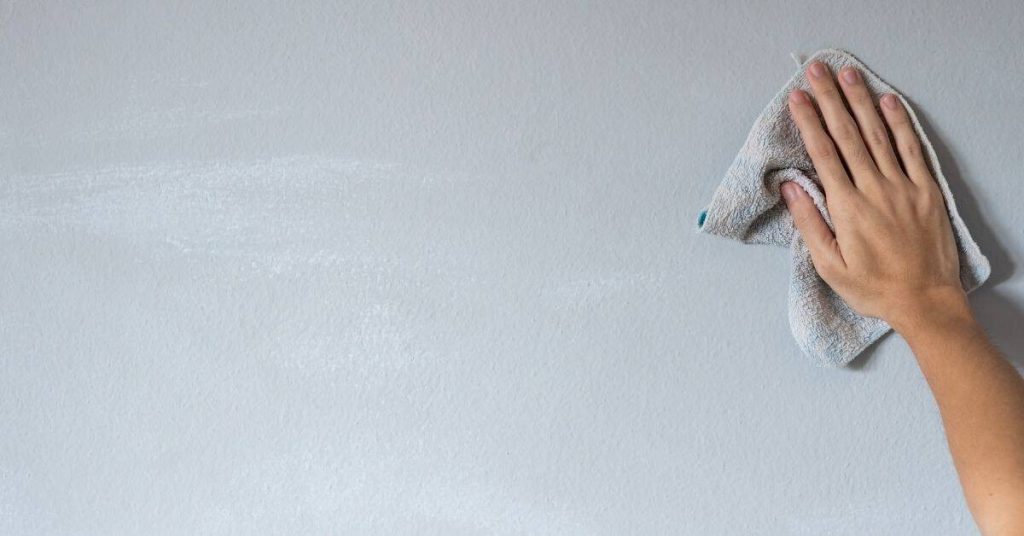
- Main Work – Routine Cleaning: Dampen cloth with water and a few drops of pH-neutral cleaner. Gently wipe the plaster in circular motions.
- Soap Scum Removal: For stubborn soap scum, dampen the area first, let it soak for 5 minutes, then gently scrub using a soft-bristled brush or cloth.
- Deep Cleaning (if needed): If soap scum persists, apply a diluted stone-safe cleaner or poultice following manufacturer’s instructions. Let it sit, then rinse and wipe off.
- Final Checks: Inspect your work, ensuring no residue remains. Dry the area thoroughly to prevent water damage.
Routine light cleaning: what to use and how
For regular maintenance, use soft cloths or microfiber and pH-neutral, stone-safe cleaners or mild non-ionic detergents. Here’s how:
Dampen your cloth with water, add a few drops of cleaner, then gently wipe the plaster in circular motions. Avoid scrubbing as it can dull the finish.
Avoid using acidic cleaners, vinegar, or ammonia which can damage the plaster’s surface and cause discoloration.
Rinse your cloth frequently to prevent spreading dirt around. After cleaning, dry the area thoroughly with a clean, soft cloth to remove any remaining moisture.
Removing soap scum safely (gentle escalation)
Tackle soap scum progressively, starting with mild methods and testing in an inconspicuous area first:
1. Damp soak: Wet the affected area, let it sit for 5-10 minutes to soften the soap scum.
2. Mechanical removal: Gently scrub with a soft-bristled brush or non-abrasive pad in circular motions. Avoid using steel wool or harsh pads that can scratch the surface.
3. Diluted cleaner: If soap scum persists, use a diluted stone-safe cleaner following the manufacturer’s instructions. Apply, let it sit, then rinse and wipe off.
4. Poultices: For tough stains, apply a poultice (a thick paste) according to package instructions. Let it dry, then gently remove with a soft brush or cloth.
Deep cleaning and when to call a pro
For deep cleaning, follow the same steps as routine cleaning but with more elbow grease. However, if you notice any of these signs, stop and contact a professional:
– Persistent staining that won’t budge with regular cleaning methods.
– Loss of finish or exposed substrate (the base material).
– Cracking, chipping, or other signs of damage.
Using aggressive DIY acids or abrasives can cause more harm than good. A stone/plaster specialist has the tools and knowledge to restore your Venetian plaster safely and effectively.

Tools, Materials Checklist and Product Guidance
You’ll get a practical rundown of the tools and materials you need for Venetian plaster in bathrooms, plus the product types and cautions you must check on labels. I’ll cover essential hand tools, protective gear, and non-abrasive applicators, along with surface prep and priming basics. You’ll see how to choose cleaners and sealers that fit lime- or gypsum-based finishes, and what to verify on product labels before you buy.
This matters because the wrong tools or seals can ruin the finish and trap moisture in a bath. Knowing what to read on labels, testing cleaners, and matching sealers to the plaster type helps prevent failures, keeps your warranty intact, and makes maintenance easier. Focus on pH-neutral cleaners, predictable re-coats, and simple repair options for small cracks or stains, while avoiding harsh chemicals near lime-based finishes.
Essential tools and consumables
Before you start, gather these essentials to ensure a smooth Venetian plaster application and maintenance process.
- Microfiber cloths: Soft and non-abrasive for dusting and cleaning. Skip this and risk scratching the plaster.
- Soft-bristled brushes: For gentle scrubbing during cleaning. Hard bristles can damage the finish.
- Non-abrasive pads: Ideal for light scrubbing without harming the surface.
- Spray bottles: Essential for applying cleaners and sealers evenly.
- pH-neutral stone cleaners: Safe for Venetian plaster. Using acidic or alkaline cleaners can damage it.
- Poultice materials: For stain removal, following manufacturer’s instructions to avoid further staining.
- Appropriate sealers: Choose between penetrating and surface sealers based on your needs. Skipping sealing leaves the plaster vulnerable.
Quick rule: Always use soft, non-abrasive materials to avoid damaging the delicate Venetian plaster finish.
Product selection and brand guidance
Selecting the right products ensures your Venetian plaster’s longevity and performance. Here’s a checklist:
- Cleaners: Stone-safe, pH-neutral cleaners are best. Check labels for compatibility with lime-based or polished plasters.
- Sealers: Choose between penetrating (for breathability) and surface sealers (for gloss). Ensure they’re suitable for Venetian plaster.
- Colorants: If using, ensure they’re compatible with your chosen plaster mix. Incompatibility can lead to discoloration over time.
- Repair materials: Choose products specifically designed for Venetian plaster repairs to maintain the finish’s integrity.
Quick rule: Always verify product suitability on labels and consult with manufacturers if unsure.
Visual checkpoints for testing products
Before applying any product to your Venetian plaster, perform a simple test patch to ensure compatibility. Here’s how:
- Apply: Apply the product to a small, hidden area of the plaster.
- Wait: Allow it to dwell for the manufacturer-recommended time.
- Inspect: Check for any color change, dulling, or etching. Any of these indicates incompatibility.
Quick rule: Always test products on a small hidden area first to avoid damaging the entire surface.
Safety, Chemicals to Avoid, and Protective Measures
Start with safety groundwork: ventilate the bathroom, wear PPE (gloves, eye protection, and a mask if you’re sanding or generating aerosols), and run a quick patch-test on a small, discreet area before broad cleaning or repairs. On Venetian plaster, avoid acidic cleaners like vinegar or citrus solutions, household bleach or ammonia, abrasive scrubbers, solvent-based or petroleum cleaners, and anything that soaks the plaster or wets it heavily. Opt for safe, compatible alternatives such as pH-neutral soap and water, soft microfiber cloths, gentle baking soda pastes for spots, and cleaners labeled for lime-based or plaster surfaces, following any dilution or application instructions from the label.
Protect surrounding surfaces with plastic drop cloths, seal joints or grout lines if needed, work in small sections, and prevent standing water or over-wetting. Protective protocol: ventilate and wear PPE, perform a 24-hour patch test, cover adjacent areas, clean with a damp cloth using minimal moisture, and let any repairs follow manufacturer guidelines and fully dry. Document results and know when to escalate to a professional if cracking, persistent staining, moisture, or other signs appear.
Chemicals and cleaners to avoid
Steer clear of these cleaning agents that can damage your Venetian plaster finish.
- Acidic cleaners: Straight vinegar or citrus-based solutions can etch the surface. Avoid them.
- Strong acids and alkalis: These harsh chemicals strip away the finish. Keep them at bay.
- Abrasive powders: They scratch the surface, making it look dull. Opt for gentler alternatives.
- Solvent-based or petroleum cleaners: These can dissolve and damage the plaster. Stay away from them.
Remember, these chemicals can ruin your finish. Always check labels and choose compatible products.
Safe cleaner alternatives and testing protocol
Opt for pH-neutral or mild soap-and-water solutions to clean your Venetian plaster safely.
Always test any new cleaner on a small, hidden area first. Follow manufacturer directions for dilution and dwell times.
For tough spots, use gentle baking soda pastes. Never saturate the plaster; keep it damp.
Regular cleaning with compatible products keeps your finish looking great and lasting longer.
PPE, ventilation and handling precautions
Safety first! Always wear gloves to protect your hands from harsh chemicals.
Eye protection is crucial when dealing with cleaning agents. Safety glasses or goggles are a must.
Adequate ventilation is key. Open windows and use fans to keep the area well-ventilated during cleaning.
Never apply concentrated products directly onto the surface. Always dilute as per instructions and avoid skin contact.
Maintenance, Preventative Strategies, and Common Mistakes to Avoid
Keep maintenance aligned with each manufacturer’s instructions for surface prep, approved cleaners, and reseal or recover intervals, with clear triggers based on time or condition. Use pH-neutral, non-abrasive cleaners and follow the label; plan for a daily wipe, weekly spot cleaning, and monthly deeper cleaning as guidance allows, checking the label for exact routines. Test porosity before resealing and use a sealer compatible with lime plaster, following the manufacturer’s directions for reapplication.
Good preventative design—matte finishes with lower soap adherence, adequate ventilation, controlled humidity, and minimal horizontal crevices—cuts down on soap scum and maintenance time. Avoid common mistakes like using the wrong cleaners, sealing too aggressively or too rarely, DIY repairs with incompatible materials, or delaying maintenance after damage, as these choices shorten lifespan and invite moisture issues.
Preventative Maintenance and Sealing Considerations
Sealing is crucial for protecting your Venetian plaster. Follow manufacturer recommendations for the best results.
Reapplication frequency varies by product and use level. Check labels and installer guidance to determine when to reseal.
Test porosity before resealing using a simple water test: apply a few drops, if they soak in quickly, it’s time to seal.
Design and Installation Best Practices
Limit full-splash installation to reduce water exposure. Use proper waterproofing behind plaster for added protection.
Detail joints carefully to minimise water ingress. This prevents moisture from damaging the plaster over time.
Consider using a matte finish for lower soap adherence and easier cleaning.
Common Mistakes and Quick Fixes
Avoid these common pitfalls to keep your Venetian plaster looking its best:
- Using acids or aggressive scrubbing: These can degrade lime-based plaster. Stick to pH-neutral, non-abrasive cleaners.
- Skipping test patches: Always test cleaners and sealers on a small area first.
- Poor substrate waterproofing: Ensure the surface behind your plaster is properly waterproofed to prevent moisture issues.
- Neglecting maintenance: Regular cleaning and sealing are key to preventing damage.
If you notice cracks, staining, or efflorescence, address them promptly. Gentle buffing can restore sheen, while professional touch-ups may be needed for more significant issues.
Cost-Benefit Comparison: Venetian Plaster Vs Other Bathroom Claddings
Venetian plaster can deliver a seamless, rich finish with a range of appearances from matte to polished, but it requires deliberate surface prep, multiple plaster coats, and a curing window that can slow a project. It contrasts with tile, acrylic panels, or engineered stone, which offer quicker installs and clearer maintenance paths, though they bring visible joints, seams, or grout lines that some homeowners want to avoid. Aesthetics matter: plaster can be stunning and resale-friendly when executed well, but you’re trading off with more ongoing maintenance and skill requirements than traditional claddings.
This matters in real terms for a DIY homeowner: your choice will influence your labor hours, disruption to the bathroom, and how you budget for upkeep over time. Sealing and re-sealing cycles, soap residue, and staining risks differ by material, and each option has its own repair considerations if moisture creeps into seams or grout. Use practical checks—surface condition, humidity levels, your comfort with a multi-step plaster process, and the long-term replacement cycle of the chosen material—to decide when plaster is advantageous or when safer, more predictable claddings are the better bet.
Upfront and ongoing maintenance considerations
Venetian plaster’s beauty comes with a maintenance cost. It’s not just about applying the finish; it’s about keeping it looking good.
Sealing: Plaster needs regular sealing, every 2-5 years, depending on use and cleaning products. This isn’t a DIY job for most homeowners – you’ll need to hire a pro.
Cleaning: Soap scum loves plaster. It’s not as easy to clean off as tile grout lines. You’ll need to scrub regularly, using non-abrasive cleaners and soft cloths or sponges.
Staining: Plaster can stain if not properly sealed or maintained. Avoid harsh chemicals and be mindful of what you’re cleaning with.
When to choose an alternative material
Venetian plaster isn’t always the best choice, especially in high-usage or poorly ventilated areas. Here’s when you might want to consider tile or non-porous panels instead.
- High-usage showers: Plaster isn’t ideal for heavy traffic areas like showers. Tiles or panels are more durable and easier to clean.
- Low-maintenance households: If you’re not keen on regular maintenance, consider non-porous panels. They don’t require sealing and are easy to clean.
- Poor ventilation: Plaster can grow mold if it stays wet for too long. In poorly ventilated areas, tiles or panels might be a better choice.
- Budget concerns: Plaster can be more expensive than tile or panel alternatives. If cost is a factor, consider these options.
- Design constraints: Plaster may not be suitable for all designs. If you need a specific look that plaster can’t provide, consider other materials.
Conclusion
Choose to treat Venetian plaster in a bathroom as a durable finish, not a quick fix. Prioritize safety, testing, and clean, deliberate steps so you preserve its look and avoid costly damage.
Before you start, run a quick check: inspect the surface for cracks, test a small, inconspicuous patch with your cleaner and sealer, gather the approved tools and materials, and plan a calm, dry window for the work. Start with a clean, dry area, follow the safe methods you’ve learned, apply in thin, even passes, and let each coat cure as directed. Protect nearby fixtures and run a moisture check if you have concerns about humidity.
Common mistakes to avoid are rushing the cleaning or sealing, using the wrong chemicals, and skipping a patch test or surface prep. Always wear appropriate gloves and eye protection, work in a well ventilated space, and never apply cleaners or sealers over damaged plaster. If you’re unsure about compatibility with your specific plaster and bathroom conditions, or if the surface shows active dampness or cracking, call a professional before you push on. Stay patient, stay careful, and you’ll keep the finish looking good and lasting years longer.
FAQ
Can white vinegar be used to clean tile surfaces in bathrooms with Venetian plaster nearby?
You can test a mild vinegar solution on tile, but avoid contact with plaster surfaces. Rinse thoroughly and dry to prevent any potential damage. If in doubt, use a cleaner recommended for ceramic tile by the tile manufacturer.
What potential damage can white vinegar cause on tiles near Venetian plaster?
,Vinegar can erode or dull some grout, sealants, or finishes over time. It may also interact with lime-based or waxed plaster coatings. Use vinegar sparingly and follow up with a neutral cleaner on nearby plaster areas.
How long should you let white vinegar sit on tile when cleaning?
There is no fixed time to apply; start with a brief contact and monitor for any adverse effects. If you notice any dulling or fizzing, neutralize with water and switch to a gentler cleaner. Always rinse well after any contact with vinegar.
What’s the recommended vinegar-to-water approach for cleaning tiles around Venetian plaster?
Use the mildest ratio advised by the product label or manufacturer. If you’re unsure, start with a more diluted mix and increase only if necessary, always testing first on an inconspicuous area. Do not rely on vinegar for heavy grime—the plaster and grout require appropriate cleaners.
Are there general guidelines for applying Venetian plaster in bathrooms versus other areas?
Bathrooms need tighter moisture control and better sealing. Follow the plaster maker’s instructions for humidity, curing, and sealant use. For other areas, you have more flexibility, but still protect plaster from direct moisture and harsh cleaners.