Unleashing the Power: How Far Can a Concrete Pump Truck Reach?

Unleashing the Power: How Far Can a Concrete Pump Truck Reach?

Introduction

Concrete pump trucks are a groundbreaking advancement in the construction and engineering sectors, effectively solving the logistical issues associated with transporting wet concrete to various locations, particularly those that are elevated or distant.

A key inquiry that captivates both industry experts and observers is: what is the maximum reach of a concrete pump truck? This capability extends beyond mere horizontal distance; it also involves vertical reach and the ability to maneuver around obstacles using articulated boom arms.

The reach of a concrete pump truck depends on several factors, such as the length of the boom, the type of pump utilized, and the consistency of the concrete being pumped.

For instance, larger boom pumps, including some of the most extensive concrete pump trucks available, are engineered to extend considerable distances, ensuring precise delivery of concrete to the desired location.

These trucks feature powerful booms that can stretch several meters, facilitating seamless concrete pumping across expansive construction sites.

Additionally, the option to rent a concrete pump provides project managers with the flexibility to choose the appropriate size and reach tailored to their specific project requirements, enhancing the cost-effectiveness of their operations.

To gain a comprehensive understanding of the operational capabilities of these trucks, one must consider various aspects. How does a concrete pump truck function? What are the hourly rental costs for a concrete pump truck?

These elements are crucial for grasping the overall efficiency and practicality of concrete pumping services.

Rental options, such as those available for concrete pumps on rent and various rental costs, provide additional layers of operational flexibility.

As we continue to explore this topic, we will examine the complex mechanisms of these machines, their capabilities, and how they transform concrete placement practices on construction sites across the globe.

Understanding the Reach of a Concrete Pump Truck

The reach of a concrete pump truck is a pivotal element that influences its performance across diverse construction applications.

To grasp this reach fully, one must examine the truck’s specifications alongside the innovative technology it incorporates.

Key Factors Influencing Reach

  1. Boom Length:
    • The primary determinant of reach is the length of the truck’s boom. Concrete pump trucks are available in various lengths, with some models boasting booms that extend from under 20 meters to over 60 meters for the most extensive concrete pump trucks.
    • The articulated boom arm provides both precision and adaptability, allowing the boom to navigate around obstacles effectively.
  2. Type of Pump:
    • Concrete pump trucks typically utilize two main types of pumps: boom pumps and line pumps. Boom pumps are ideal for larger projects that demand significant horizontal and vertical reach, whereas line pumps are better suited for smaller, more confined spaces.
    • Noteworthy models, such as the Putzmeister concrete pumps, are recognized for their exceptional reach and consistent performance.
  3. Concrete Mix and Pumping Rate:
    • The composition of the concrete mix can significantly affect the distance and efficiency of the pumping process. A well-blended mix allows for smoother flow through the boom, facilitating a longer reach.
    • The power of the pump is also crucial; a robust pump can transport concrete more rapidly and over greater distances, thereby enhancing the overall reach of the concrete pump truck.

Practical Considerations

  • Concrete Pump Truck Rental: Opting to rent a concrete pump truck can be a financially savvy choice for many contractors. This approach allows them to select a truck with the necessary reach for their specific project without incurring the costs associated with long-term ownership.
  • Operating Costs: When evaluating concrete pump truck rental options, it’s vital to consider both the rental fee and the hourly operating costs. These expenses can fluctuate based on the size of the truck and the intricacies of the project.
  • Versatility and Efficiency: The ability to pump concrete effectively over extensive distances or to significant heights makes a concrete pump truck an indispensable tool. Whether it’s a compact model for residential tasks or a large-scale truck for commercial endeavors, the reach of the truck can greatly influence project timelines and labor expenses.

In summary, the reach of a concrete pump truck encompasses more than just boom length; it is also shaped by the pump type, the concrete mix, and the overall power and efficiency of the machine.

The flexibility provided by options like concrete pump truck rental enables customized solutions tailored to the unique demands of each construction project. With a thorough understanding and effective use of these trucks, there is significant potential to boost construction efficiency.

Factors Influencing the Reach of a Concrete Pump Truck

To fully leverage the capabilities of a concrete pump truck, it is vital to comprehend the various factors that impact its reach. These elements not only determine the distance over which concrete can be delivered but also influence the operational efficiency and quality of the placement.

Technical and Physical Considerations

  • Boom Length:
    • The most visible factor is the boom length; a longer boom allows for greater reach, both horizontally and vertically. Some of the largest concrete pump trucks feature booms exceeding 60 meters in length.
  • Boom Configuration:
    • The configuration of the boom, especially if it includes an articulated arm, significantly affects its adaptability. Articulated booms can maneuver around obstacles, facilitating concrete delivery to challenging locations.
  • Pump Output:
    • The output capacity of the pump, measured in cubic meters per hour, determines the volume of concrete that can be transported through the boom. Pumps with higher output can achieve longer and faster delivery.
  • Hydraulic Performance:
    • The performance of the hydraulic system that extends the boom and operates the pump is crucial. A more powerful hydraulic system can maintain flow and pressure over longer boom sections, enhancing reach.

Operational and Environmental Influences

  • Concrete Consistency:
    • The mix’s consistency plays a critical role; a mix that is overly thick may impede flow, limiting reach, while a mix that is too fluid may not generate sufficient pressure for effective long-distance pumping.
  • Pipeline Size:
    • The diameter of the pipes used for pumping concrete must align with the mix and the desired reach. Larger diameters can minimize friction and extend reach, but they necessitate more powerful pumps.
  • Weather Conditions:
    • Factors such as wind, temperature, and humidity can impact the pumping process. For instance, strong winds may cause the boom to sway, affecting both precision and reach.
  • Site Layout:
    • The construction site’s layout can restrict the positioning of the pump truck, thus affecting its effective reach. Confined spaces or uneven terrain may limit boom extension capabilities.

Economic and Availability Considerations

  • Cost Factors:
    • Economic aspects, including the hourly rate for the concrete pump truck, rental fees, and the cost of concrete delivery, play a significant role in selecting the appropriate pump truck. These financial considerations must align with the project’s reach requirements.
  • Equipment Availability:
    • The availability of various sizes and models of pump trucks, such as the Putzmeister concrete pump or Mack concrete pump truck, can influence the options available for a specific project.

In conclusion, the reach of a concrete pump truck is a complex issue that involves a blend of technical specifications, operational practices, environmental factors, and economic considerations.

Each of these elements must be thoughtfully evaluated to ensure the selection of the most suitable concrete pump truck for the project, thereby optimizing both reach and cost-effectiveness.

How Far Can a Concrete Pump Truck Reach?

The reach of a concrete pump truck is a vital characteristic that influences its capability to deliver concrete precisely and efficiently to the intended site.

This reach encompasses both horizontal and vertical dimensions, along with the ability to navigate around various obstacles encountered on construction sites.

Horizontal and Vertical Reach

  1. Horizontal Reach:
    • The horizontal reach refers to the distance the boom can extend outward from the truck. This distance can significantly vary based on the specific model and boom size.
    • Typically, standard pump trucks achieve a horizontal reach of approximately 20 to 30 meters; however, larger models equipped with telescopic booms can extend this reach considerably.
  2. Vertical Reach:
    • The vertical reach measures how high the boom can elevate, which is crucial for projects involving tall structures, such as high-rise buildings.
    • Some of the most advanced concrete pump trucks can achieve vertical heights exceeding 60 meters, equivalent to around a 20-story building.

Reach Around Obstacles

  • Articulated Boom Arms:
    • Many concrete pump trucks feature articulated boom arms that can bend and pivot, enabling the pump to maneuver around obstacles effectively. This flexibility is especially beneficial in densely populated urban settings where space is limited.

Influence of Pump Type and Model

  • Truck-Mounted Boom Pumps:
    • Truck-mounted boom pumps are the most prevalent type, offering various boom lengths to accommodate different reach requirements.
    • Models such as Putzmeister and Mack concrete pump trucks are recognized for their impressive reach and dependable operation.
  • Line Pumps:
    • In scenarios where the extensive reach of a boom pump is unnecessary, line pumps can effectively transport concrete through hoses over considerable distances. Nonetheless, their reach is typically less than that of boom pumps, influenced by the pump’s pressure and the specifications of the hoses used.

Ultimately, the reach of a concrete pump truck is contingent upon the design and length of the boom, the type of pump employed, and the specific model of the truck.

While smaller trucks may suffice for residential applications, larger models capable of exceeding 60 meters are indispensable for substantial commercial construction projects.

Construction professionals can explore options to rent a concrete pump allows project managers to choose a truck that aligns with the unique requirements of their specific project.

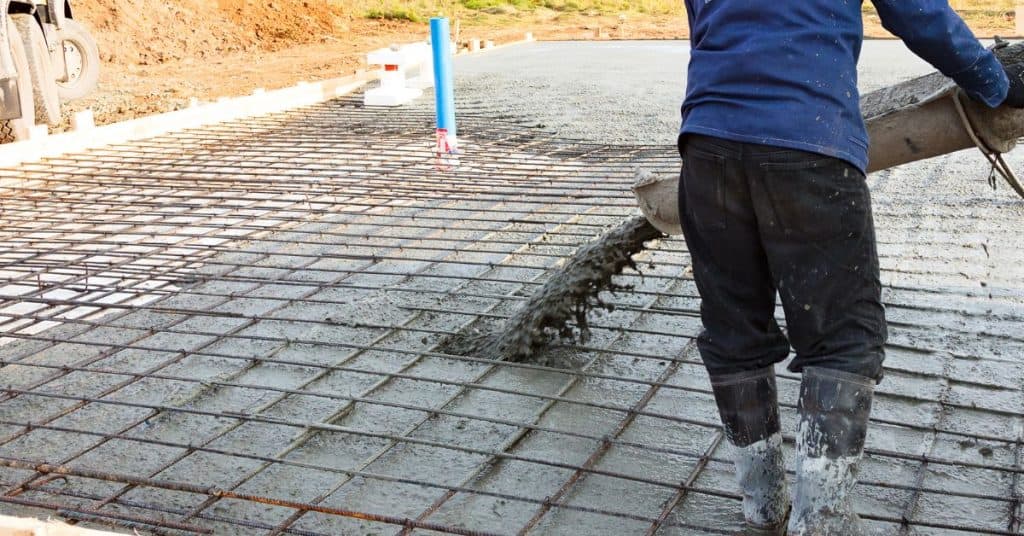
Concrete mixer pump truck, pouring job.

Benefits of Utilizing a Concrete Pump Truck

Employing a concrete pump truck in construction projects presents numerous advantages that significantly enhance operational efficiency while also leading to cost reductions and improved quality outcomes.

Efficiency and Speed

  • Swift Concrete Placement:
    • Concrete pump trucks facilitate the rapid placement of concrete, allowing for the quick transfer of substantial volumes, which markedly shortens the time needed for each pour.
  • Reduced Labor Requirements:
    • These trucks minimize the number of workers necessary for handling concrete, as they can deliver the material directly to the required location, thus decreasing the reliance on manual distribution.

Precision and Quality

  • Enhanced Pour Accuracy:
    • The long reach of the boom combined with precise control over the concrete flow allows for more accurate pours, which reduces waste and ensures that concrete is placed exactly where it is intended.
  • Superior Concrete Integrity:
    • Utilizing a concrete pump truck helps maintain the quality of the concrete by preventing segregation or premature hardening, as it is efficiently transported from the mixer to the site.

Cost-Effectiveness

  • Minimized Material Waste:
    • The precision in placement significantly reduces spillage and waste, leading to considerable savings on concrete materials.
  • Lower Labor Expenses:
    • With fewer workers needed for concrete placement, labor costs can be substantially decreased.

Versatility

  • Access to Challenging Locations:
    • Concrete pump trucks, particularly those equipped with articulated boom arms, can reach remote or hard-to-access areas, enabling work on complex sites without the need for additional equipment.
  • Diverse Application Range:
    • Pump trucks are adaptable and suitable for various construction scenarios, ranging from residential projects to extensive commercial developments.

Safety Considerations

  • Improved Job Site Safety:
    • By reducing the necessity for workers to transport heavy loads or navigate uneven terrain with wheelbarrows or buckets, pump trucks help lower the risk of injuries on site.

Environmental Advantages

  • Lower Carbon Emissions:
    • The efficient transport and placement of concrete minimize waste and reduce the number of trips required for concrete delivery, thereby decreasing the overall carbon footprint of the construction process.

In conclusion, the advantages of utilizing a concrete pump truck in construction are significant, offering enhancements in efficiency, precision, and safety, alongside economic and environmental benefits.

These trucks have transformed concrete delivery and placement, establishing themselves as essential tools in contemporary construction practices.

Alternatives to Using a Concrete Pump Truck

Although concrete pump trucks are highly beneficial in construction, there are instances where alternative methods may be preferable due to budget limitations, site restrictions, or project size. Below are some common alternatives:

Manual Pouring

  • Bucket and Crane:
    • For smaller jobs or in locations where pump trucks are impractical, utilizing a bucket and crane to lift and pour concrete can serve as an alternative. This technique allows for elevated pouring but is generally slower and demands more labor.

Mechanical Methods

  • Wheelbarrows:
    • In compact job sites or for projects requiring minimal concrete, wheelbarrows can effectively transport and pour concrete. While this method grants precise control over placement, it is labor-intensive and can be time-consuming.
  • Conveyor Systems:
    • Some construction sites utilize conveyor systems to transfer concrete from the mixer to the pour site. These systems are particularly advantageous in confined areas where a pump truck’s boom cannot reach.

Ground Pump Systems

  • Stationary Pumps:
    • Stationary or trailer-mounted pumps can effectively convey concrete through pipes and hoses over extended distances, making them ideal for sites with access limitations that restrict truck usage.

Gravity-Based Methods

  • Chutes:
    • For projects where the pour site is situated below the mixing area, chutes offer a straightforward gravity-fed approach to concrete placement. However, this method is contingent on the pour site being lower than the mixer and in close proximity.

Other Vehicle-Based Systems

  • Telebelt Trucks:
    • Telebelt trucks employ a telescopic belt conveyor system, making them suitable for transporting various materials, including concrete. They provide the adaptability of a pump truck while also accommodating aggregates that cannot be pumped.

Air Propulsion

  • Pneumatic Pumps:
    • Pneumatic (air-powered) pumps can propel a concrete mixture through pipes and hoses using compressed air. They are frequently utilized for specialized tasks, such as tunnel linings or small-scale repairs.

Small-Scale Pumps

  • Skid Steer Pump Attachments:
    • For very small or confined projects, a skid steer equipped with a pump attachment offers a compact and flexible solution for concrete placement.

Emerging Technologies

  • Robotic Placement:
    • Innovative technologies include robotic arms capable of accurately placing concrete with minimal waste. Although still in the early stages of adoption, these systems signify the forefront of construction technology.

Each alternative presents unique advantages and challenges, and the selection will depend on the specific needs of the construction project, such as concrete volume, site accessibility, and budgetary constraints.

While a concrete pump truck is frequently the most effective option for many large-scale endeavors, these alternatives provide practical solutions for situations where a pump truck may not be feasible or cost-efficient.

Safety Considerations When Operating a Concrete Pump Truck

Operating a concrete pump truck entails various high-risk tasks; thus, it is imperative to implement stringent safety protocols to safeguard workers and maintain a secure job site.

Equipment Inspection and Maintenance

  • Regular Inspections:
    • Perform comprehensive pre-operation checks on the concrete pump, boom, and all related equipment to detect and address potential hazards, such as hydraulic leaks or worn components.
  • Routine Maintenance:
    • Adhere to a meticulous maintenance schedule to ensure all parts of the pump truck function optimally, thereby minimizing the likelihood of malfunctions during operation.

Training and Operation

  • Certified Operators:
    • Permit only trained and certified personnel to operate the concrete pump truck, ensuring they are well-versed in the machinery and necessary safety protocols.
  • Clear Communication:
    • Establish consistent communication among the pump operator, placing crew, and ready-mix driver, utilizing hand signals or radio devices as needed.

Site Management

  • Stable Setup:
    • Confirm that the truck is positioned on stable, level ground before extending the boom, ensuring that outriggers are deployed correctly for stability during pumping.
  • Work Area Control:
    • Secure the area surrounding the pump and boom with barriers to prevent unauthorized access and protect against the risks associated with boom movement and hose whipping.

Personal Protective Equipment (PPE)

  • Mandatory PPE:
    • Require all personnel near the pump truck to don appropriate PPE, including hard hats, eye protection, hearing protection, and suitable hand and foot gear.

Handling Hose Blockages and Pressure

  • Proper Hose Handling:
    • Educate workers on safe hose handling techniques to avoid injuries from hose whipping caused by air in the line or blockages.
  • Pressure Release Procedures:
    • Establish and follow procedures for safely relieving pressure within the pump system prior to clearing blockages or performing cleanouts.

Environmental Awareness

  • Overhead Hazards:
    • Before extending the boom, inspect for overhead hazards, such as power lines, which present a significant electrocution risk.
  • Weather Conditions:
    • Continuously monitor weather conditions that may impact safety, including strong winds that could affect boom stability or lightning that poses electrical dangers.

Emergency Planning

  • Emergency Procedures:
    • Implement a well-defined emergency plan, including quick shut-off procedures and immediate response actions for potential incidents.
  • First Aid Training:
    • Ensure that workers receive basic first aid training and that emergency supplies and equipment are readily accessible on-site.

In conclusion, the safe operation of a concrete pump truck is a multifaceted process that requires diligent attention to equipment, training, and site conditions.

By rigorously adhering to these safety considerations, the risks associated with operating a concrete pump truck can be significantly reduced.

Concrete Pump Truck Rental Options

Opting to rent a concrete pump truck can be a savvy choice for construction projects that demand precise and efficient concrete placement while avoiding the hefty costs associated with purchasing the equipment outright.

Types of Concrete Pump Trucks Available for Rent

  • Truck-Mounted Boom Pumps:
    • These are the most prevalent types of concrete pump trucks, featuring booms of varying lengths tailored to accommodate different project requirements.
  • Stationary Pumps:
    • Commonly referred to as trailer-mounted pumps, these are ideal for projects that do not necessitate the mobility offered by truck-mounted options.
  • Specialized Pumps:
    • This category encompasses pumps designed for unique conditions, such as those with extended reach, high-pressure capabilities, or those suited for specific concrete mixtures.

Rental Cost Factors

  • Rental Duration:
    • The duration for which you require the pump truck will influence the overall cost, with pricing typically available on a daily, weekly, or monthly basis.
  • Boom Length and Pump Capacity:
    • Trucks equipped with longer booms and greater capacities generally incur higher rental fees.
  • Additional Equipment:
    • The necessity for supplementary equipment, such as pipelines, hoses, or specialized attachments, can also impact the total rental expense.

Renting vs. Buying

  • Cost-Benefit Analysis:
    • Perform a thorough cost-benefit analysis to ascertain whether renting proves to be more financially advantageous for your project compared to purchasing, taking into account usage frequency and maintenance expenses.
  • Project Budget:
    • Assess the budget constraints of your project to determine if the flexibility of renting aligns with your financial strategy.

Choosing the Right Rental Company

  • Reputation and Reliability:
    • Seek out a rental company known for its strong reputation in providing well-maintained equipment and dependable service.
  • Support Services:
    • Evaluate whether the rental company offers additional support services, such as trained operators, on-site assistance, and emergency response capabilities.
  • Proximity:
    • Selecting a rental company located near the project site can minimize transportation costs and ensure quicker response times for any service or equipment issues.

Terms and Conditions

  • Rental Agreement:
    • It is essential to thoroughly review the rental agreement for terms related to maintenance responsibilities, insurance, and liability to ensure a clear understanding before finalizing the rental.
  • Cancellation and Extension Policies:
    • Familiarize yourself with the policies regarding the extension of the rental period or cancellation of the agreement, as project timelines may frequently shift.

Delivery and Training

  • Transportation:
    • Confirm whether the rental includes delivery and setup of the pump truck or if additional charges apply.
  • Operator Training:
    • Some rental companies may offer operator training as part of the rental package, which is crucial for ensuring safety and operational efficiency.

When considering a concrete pump truck rental, it is vital to evaluate the specific needs of your project and ensure that the selected option strikes the optimal balance between cost, capabilities, and convenience. By taking a strategic approach to rental selection, construction projects can harness the versatility and performance of a concrete pump truck without committing to a long-term investment.

Conclusion: Selecting the Optimal Concrete Pumping Solution

In summary, the choice to employ a concrete pump truck is crucial in contemporary construction, given the extensive benefits these machines provide.

They offer unparalleled efficiency and accuracy in concrete placement, which plays a vital role in ensuring that construction projects are completed on time and to specification.

The enhanced control over concrete delivery not only reduces waste but also lowers labor costs, while the variety of pump trucks available for rental makes it feasible to cater to projects of any scale, from minor residential tasks to large-scale commercial ventures.

The concrete pump truck rental market serves as a pragmatic option for construction companies and contractors, allowing them to choose the most suitable model for their specific needs without incurring the expenses associated with ownership and upkeep.

By weighing factors such as project size, the reach of the truck, and financial considerations against the potential advantages, renting often emerges as the most economical and effective solution.

Moreover, rental services frequently offer valuable support and expert advice, enhancing the attractiveness of this choice.

Ultimately, concrete pump trucks exemplify the progress in construction methodologies, representing innovations that facilitate ambitious designs and infrastructure projects.

Regardless of whether one decides to rent or purchase, these trucks remain essential tools in the construction sector, propelling projects forward with efficiency, safety, and a level of precision that traditional methods cannot achieve.

The strategic deployment of these vehicles will undoubtedly influence the future of construction, supporting the industry’s evolution and the dynamic skylines of our urban landscapes.

FAQ

What should I consider when choosing the right size of a concrete pump truck for my project?

Yes, if you assess the volume of concrete needed, the site conditions, and the reach requirements, you can select an appropriately sized truck that meets your project’s demands.

How can I ensure the concrete is mixed properly before it reaches the pump?

Yes, if you use a reliable concrete mixer and follow the recommended mixing times and ratios, you can achieve a consistent mixture that will flow smoothly through the pump.

What maintenance is required for a concrete pump truck after use?

Yes, if you clean the pump thoroughly, inspect for wear and tear, and lubricate moving parts, you can extend the lifespan of the truck and ensure optimal performance for future jobs.

How do weather conditions affect the operation of a concrete pump truck?

Yes, if you monitor temperature and humidity levels, you can adjust your mixing and pumping techniques to mitigate potential issues like setting time and material consistency.