Introduction: Unpacking Your Sewer Bill
Have you ever been taken aback by the amount on your sewer bill? You’re certainly not alone in this experience. Many homeowners find themselves perplexed by unexpectedly high sewer charges that seem to arise without warning. Gaining insight into the reasons behind your elevated sewer bill is crucial for addressing the issue and potentially lowering your expenses.
Numerous factors could be at play when it comes to inflated sewer bills. These might include increased household water consumption, hidden leaks, or even errors in meter readings. By examining these possibilities closely, you can begin to demystify your high bill and take actionable steps to manage it more effectively.
Why Your Sewer Bill Might Be High
Consider the following common factors that could contribute to a higher-than-expected sewer bill:
- Increased Water Usage: Elevated water consumption not only impacts your water bill but also affects your sewer charges, as these are often calculated based on water usage.
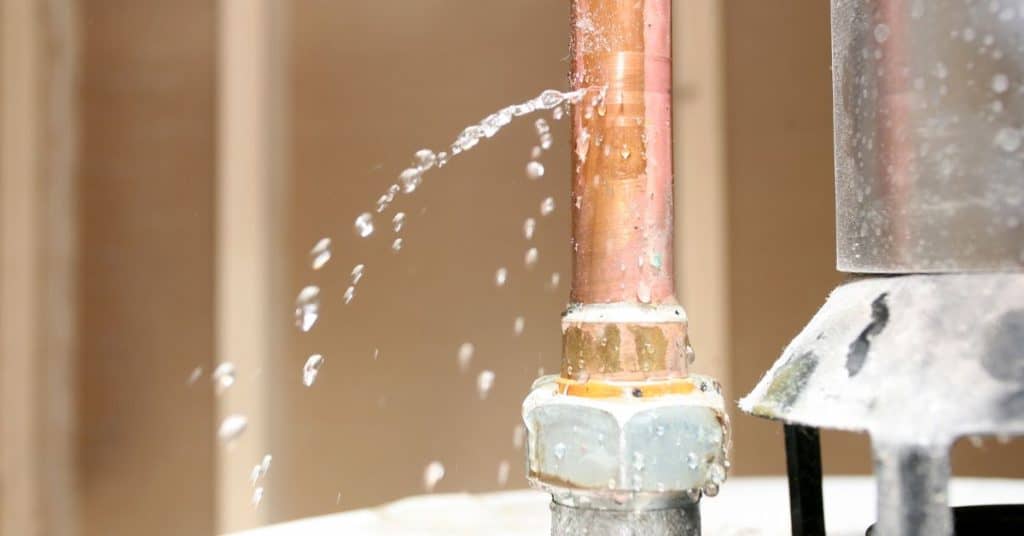
- Leaks: Undetected leaks in toilets, faucets, or underground pipes can lead to significant water loss without your awareness.
- Seasonal Changes: In warmer months, activities such as filling swimming pools, watering gardens, and taking more frequent showers can lead to increased water usage.
- Rate Increases: Occasionally, utility companies may raise their rates, resulting in higher bills.
- Incorrect Meter Readings: Errors in meter readings can happen from time to time, resulting in bills that do not accurately reflect your actual usage.
Practical Steps to Solve High Sewer Bills
Here are some effective strategies to address a high sewer bill:
- Check for Leaks: Thoroughly inspect all faucets, toilets, and pipes for any signs of leaks. Even a minor drip can lead to substantial water waste over time.
- Monitor Your Water Usage: Be mindful of your water consumption. Consider reducing usage by taking shorter showers, repairing leaks, and installing water-efficient fixtures.
- Read Your Meter: Regularly compare your meter reading with the amount listed on your bill. If you notice discrepancies, reach out to your water utility for clarification.
- Understand Your Bill: Take the time to review the details of your sewer bill. Familiarize yourself with how your utility calculates charges and check for any base fees or rate hikes.
- Ask for an Audit: Many utility companies provide free audits to help identify issues contributing to high water and sewer bills.
Implementing these steps can be effective because they address the most common underlying causes of high sewer bills. By detecting and addressing leaks, you can significantly minimize water waste. Keeping track of your water usage and making adjustments can lead to long-term savings. Additionally, understanding and verifying your bill can help identify errors, ensuring you only pay for what you actually use. Lastly, utilizing utility resources like audits can offer expert advice on conserving both water and money.
By taking these proactive measures, you can regain control over your sewer bill, ensuring that you are only charged for what you truly need and use. Being informed and proactive are essential strategies for effectively managing any household expense.
Common Causes of High Sewer Bills
Finding your sewer bill unexpectedly elevated can evoke feelings of surprise and frustration. Identifying the factors contributing to this increase is essential for taking corrective action. In this section, we will delve into several prevalent reasons your sewer bill may be higher than anticipated, offer actionable solutions to mitigate these issues, and explain why these steps are effective.
1. Leaky Toilets and Fixtures
Leaking toilets and fixtures frequently emerge as primary offenders behind inflated sewer bills. Even minor leaks can accumulate significant water loss over time, resulting in increased charges.
- Check for leaks: Listen for the sound of running water and inspect all toilets, faucets, and pipes for visible leaks.
- Conduct a dye test: Add a few drops of food coloring to the toilet tank. If the color seeps into the bowl without flushing, a leak is present.
- Repair leaks: Replace any worn flappers or washers, and consider hiring a professional if the repairs exceed your capabilities.
Why it works: Addressing leaks minimizes water wastage, which directly reduces the volume of water entering the sewer system, ultimately lowering your bill.
2. Changes in Water Use
Seasonal activities, such as filling a swimming pool or hosting guests, can lead to significant spikes in water consumption, thereby affecting your sewer bill.
- Monitor water usage: Regularly check your water meter during different seasons to spot any unusual increases in consumption.
- Implement water-saving practices: Utilize water-efficient fixtures and appliances, and be conscious of your water usage during peak times or special occasions.
Why it works: Understanding your water usage patterns allows for better management of consumption, helping to avoid unexpected increases in your sewer bill.
3. Incorrect Meter Readings or Billing Errors
Errors in meter readings or billing processes can also contribute to inflated charges. It’s crucial to confirm that your bill accurately reflects your actual water usage.
- Check the meter reading: Compare the current reading on your water meter with the usage indicated on your bill.
- Contact your water provider: If you notice discrepancies, reach out to your provider to discuss the issue. They can perform a thorough check or rectify any billing errors.
Why it works: Ensuring accurate meter readings and billing helps you avoid overpaying for water that you did not use.
4. Rate Increases
Sometimes, the root cause of a higher sewer bill may simply be an increase in sewer rates, unrelated to any changes in your water usage.
- Review rate changes: Investigate whether there have been recent rate hikes that impact your bill. This information is typically available on your provider’s website or through customer service.
- Adjust budget accordingly: If rates have risen, consider revising your monthly budget to accommodate the new charges.
Why it works: Staying informed about rate adjustments enables better financial management and helps prevent unexpected billing surprises.
In summary, addressing a high sewer bill involves investigating potential leaks, monitoring water usage, verifying meter accuracy, and staying informed about rate changes. By taking these proactive steps, you can effectively manage your costs and ensure you are only charged for what you actually use.
Discovering that your sewer bill has unexpectedly increased can be both surprising and frustrating. Understanding the potential causes behind this spike is the first step towards finding a solution. Here, we’ll explore some common reasons why your sewer bill might be higher than usual, provide practical steps to address these issues, and explain why these steps are effective.
One of the most common culprits behind a high sewer bill is leaking toilets or other fixtures within your home. Even a small leak can waste a significant amount of water over time, leading to higher charges.
Diagnosing the Problem: Why Is My Sewer Bill So High?
Finding that your sewer bill has surged can be both alarming and disheartening. Elevated sewer charges often indicate deeper issues related to your water consumption or plumbing infrastructure. In this section, we will delve into the reasons behind these spikes and provide actionable steps to help you diagnose and potentially rectify the situation.
Common Causes of High Sewer Bills
Several elements may contribute to the increase in your sewer bill:
- Increased Water Consumption: A rise in your household’s water usage is likely to reflect in your sewer bill. This could stem from having extra guests, acquiring new appliances, or alterations in your daily habits.
- Leaky Fixtures: Undetected leaks from toilets, faucets, or pipes can result in substantial water wastage, much of which ultimately enters the sewer system.
- Seasonal Activities: Engaging in activities such as filling a pool or intensive lawn care during warmer months can significantly elevate your water usage.
Steps to Diagnose High Sewer Bills
- Assess Your Water Usage: Begin by comparing your current water consumption with past months or the same time frame from previous years. Look for any notable spikes that could clarify the increased charges.
- Inspect for Leaks: Thoroughly check all faucets, toilets, and pipes in your home for any signs of leaks. A useful method is to listen for running water when all water-using appliances are off, or monitor your water meter before and after a two-hour period of no water usage. If the reading changes, a leak is likely present.
- Consider Seasonal Variations: Reflect on any seasonal activities that may have led to higher water usage, such as gardening, pool upkeep, or hosting gatherings.
- Seek Professional Assistance: If your self-assessment does not uncover any issues, it may be prudent to consult a plumber or reach out to your water utility provider. They can offer expert advice and conduct a more detailed examination.
Each of these steps is vital, as they allow you to pinpoint the specific causes behind the increased charges. Understanding why your sewer bill is elevated not only aids in addressing the current issue but also helps prevent similar situations in the future. By systematically evaluating your water usage, checking for leaks, and considering seasonal factors, you adopt a thorough approach to resolving the problem. Engaging professionals ensures that all potential issues are explored, particularly in complex cases where the source of the problem may not be immediately visible.
In summary, a high sewer bill typically indicates an underlying issue with your water usage or plumbing system. By implementing the steps outlined above, you can identify the root cause, take corrective action, and potentially lower your future bills. Remember, being proactive about monitoring your water consumption and maintaining your plumbing can lead to significant savings and peace of mind in the long run.