
Introduction
Tracking plaster cracks over time means watching how cracks appear and change so you know when to patch. You mark each crack and check it again after a few days or weeks to see if it grows or shifts. Cracks come in hairline, vertical, horizontal, or diagonal forms, and the urgency depends on the type and how fast it moves.
Common causes are settling, moisture, and temperature changes, so look for new damp spots or bulging plaster as warning signs. If a crack runs through multiple coats, or you notice doors, ceilings, or joints shifting, plan a pro evaluation before patching. When you patch, follow the product instructions and local rules, and check the label for cure time and safety notes.
Key takeaways
- Identify crack types: hairline, vertical, horizontal, and diagonal cracks, and assess urgency.
- Urgency guidance per type: variable hidden moisture or structural signs require professional review.
- Document causes: settlement, framing movement, water damage, and normal seasonal shifts.
- Track locations and history with dates, notes, and photos for trends.
- Immediate safety: stop work if cracking widens, shifts, or doors jam.
- Patch timing: seal small cracks quickly, plan larger repairs after evaluation.
Table of Contents
- Introduction
- Key takeaways
- Types of Plaster Cracks and How Urgent They Are
- Causes and Contributing Factors Behind Plaster Cracking
- Common Locations and What They Indicate
- Evaluating Crack Severity: Practical Methods
- How to Track Plaster Cracks over Time: Marking, Logging, and Scheduling
- Safety Concerns and Immediate Steps If Cracks Look Serious
- When and How to Patch Cracks: Timing, Materials, and Techniques
- Prevention, Long-Term Costs, and Common DIY Mistakes
- Conclusion
- FAQ
Types of Plaster Cracks and How Urgent They Are
Crack patterns in plaster come in a few common forms. Hairline cracks are thin and often look cosmetic, while vertical cracks run straight up and down the surface. Horizontal, diagonal, and stepped cracks each carry different implications based on location and context.
Use visual cues to guide your urgency: cosmetic patterns near non-load bearing areas may be monitored, while cracks that widen, appear near doors or windows, or run through structural elements demand closer attention. Note how pattern and setting—ceiling vs wall, interior vs exterior, or near corners—change the assessment. Start with baseline measurements, photo documentation, and tracking crack width over time to establish a trend. If new movement follows events like earthquakes or noticeable widening occurs, plan for a pro or more diagnostics sooner rather than later.
Hairline and surface shrinkage cracks
These are the thinnest, barely visible cracks. They usually appear on the surface due to minor settlement or drying out of plaster.
Low urgency, unless they widen over time or recur after patching. Keep an eye on them, but don’t rush to fix immediately.
Causes: Minor settlement, plaster drying, minor framing movement.
Vertical and minor load-related cracks
These are narrow vertical lines that often form due to slight settling or minor structural movements. They can be found near windows, doors, or corners.
Urgency: Low to moderate. Monitor closely for any widening or new cracking nearby. If they stay the same over time, they’re likely stable and not an immediate threat.
Causes: Minor settlement, minor structural movements, framing movement.
Horizontal, diagonal, and stepped cracks
These patterns can signal more serious issues. Horizontal cracks often indicate settlement problems or moisture damage. Diagonal and stepped cracks may suggest structural movement or foundation issues.
Higher urgency. These should be monitored closely and inspected by a professional if they widen, recur after patching, or are near corners, windows, or doors.
Causes: Settlement problems, moisture damage, structural movement, foundation issues. Context matters – location on walls/ceilings, proximity to openings, corners can change assessment.
Causes and Contributing Factors Behind Plaster Cracking
Crack patterns help hint at likely causes. Hairline or vertical cracks can suggest settlement or minor shifting, while diagonal or horizontal cracks may point to different stresses in the framing. Use pattern alongside context to guide your next steps.
Primary causes include structural movement and settlement, moisture intrusion, temperature shifts, installation flaws, and material degradation. When several factors act together, the risk and rate of cracking rise. Quick checks like location, whether cracks are new or existing, time of year, and any bulges or stains can help pinpoint likely roots. Marking cracks, taking photos over time, and noting changes gives you a basis for deciding patching versus further diagnostics. The upcoming sections will tie cause to patching approaches.
Structural movement and foundation settling
Foundation shifts and framing stresses are common causes of plaster cracks. These issues often occur due to soil erosion, earthquakes, or inadequate support during construction.
Cracks resulting from structural movement typically appear at the corners of windows and doors, along walls that meet ceilings, or in staircases. They usually run vertically or diagonally.
Minor settling is normal, but excessive or accelerating cracks may indicate a serious problem. If you notice wide cracks, hear unusual noises, or see bulging walls, consult a structural engineer immediately.
Moisture, humidity, and thermal expansion
Water intrusion and seasonal changes cause materials to expand and contract, leading to plaster cracks. Moisture can come from leaks, high humidity levels, or rising damp.
In winter, moisture in the walls freezes and expands, pushing against the plaster. In summer, it melts and creates voids that allow the plaster to crack as it dries out. This cycle repeats each season, worsening existing cracks and creating new ones.
Thermal expansion also plays a role. As temperatures rise, materials expand. If they can’t do so freely, they push against the plaster, causing hairline cracks or wider fissures.
Installation, materials, and age-related degradation
The quality of your plaster mix, lath, and installation methods greatly impact the longevity and integrity of your plasterwork.
- Poorly mixed plaster: Inadequate mixing can lead to weak spots that crack over time. Ensure your plaster is well-mixed before application.
- Inferior lath: Low-quality or improperly spaced lath can cause the plaster to pull away from the wall, leading to cracks. Use high-quality lath and follow recommended spacing guidelines.
- Improper installation: Plaster applied too thickly or allowed to dry too quickly will crack. Follow manufacturer’s instructions for application and drying times.
- Aging finishes: Over time, plaster can become brittle and crack due to age. Regular maintenance, such as sealing and touch-ups, can help prevent this.
- Incompatible materials: Using incompatible materials (e.g., applying oil-based paint over water-based plaster) can cause the plaster to fail, leading to cracks. Ensure your materials are compatible before use.
Common Locations and What They Indicate
Cracks tend to appear in predictable spots. Look for patterns above doors and windows, along cornices, at wall/ceiling corners, and across ceilings. Each location hints at a different driver, from settlement to moisture to framing movement, and this shapes urgency and repair choices.
Shape and orientation matter too. Vertical, horizontal, diagonal, and hairline cracks in plaster or concrete each point to different causes and immediate patching versus ongoing monitoring needs. Architectural features like lintels, door openings, beams, and moisture barriers influence where cracks form, so note room and elevation as you inspect. A simple workflow—mark, measure, photograph, log—helps you spot meaningful changes before deciding on patching or professional input.
Above door and window openings
Cracks above doors and windows are common due to concentrated stress from the weight of the structure and movement of the door or window frame. These cracks often signal settlement or shrinkage issues, which can be caused by foundation settling, structural movement, or thermal expansion.
Vertical cracks here usually indicate load-bearing concerns, while horizontal ones may suggest moisture-related expansion or settling.
While minor hairline cracks might not require immediate patching, wider or recurring cracks should be monitored and possibly patched to prevent further damage. If doors start sticking or new cracks appear, consider a professional evaluation.
Ceilings, cornices, and suspension points
Cracks on ceilings, especially around light fixtures or where the ceiling meets walls, often indicate movement in the roof or attic. This could be due to structural settling, moisture intrusion, or thermal expansion.
Moisture-related cracks are urgent as they can lead to mold growth and further damage. Diagonal cracks on ceilings might suggest sagging or deflection of joists, while horizontal ones could indicate movement at the ceiling’s perimeter.
Monitor these cracks over time, measuring their width and photographing them. If they widen or new cracks appear, consider patching or seeking professional help to address the underlying cause.
Corners, joints, and long runs of wall
Cracks at corners, along joint lines, or on long uninterrupted runs of wall often reveal differential movement between sections. This can be due to settling, continuous movement, or moisture-related expansion.
Stair-step cracks typically indicate settlement issues, while diagonal ones might suggest structural movement. In long runs, horizontal cracks could signal excessive drying or shrinkage.
Monitor these cracks for widening or new ones appearing. If so, consider patching and addressing the underlying cause to prevent further damage. Recurring patterns or new cracks may warrant a professional evaluation.
Evaluating Crack Severity: Practical Methods
Start with visual checks to separate cosmetic cracks from those that may indicate movement. Note whether cracks are hairline, vertical, horizontal, or diagonal, and watch for subtle changes that suggest moisture intrusion or settling. Distinguish movement from wear by tracking pattern over time.
Use simple measurements to gauge severity and monitor direction, length, and any stair-step behavior. A routine like monthly checks with dated photos helps you catch progression. If cracks widen, reappear after patching, or show signs near openings or plumbing fixtures, escalate your assessment and consider professional input. Always prioritize safety and avoid assuming structural failure.
Visual checkpoints and what to look for
Use this checklist when inspecting plaster cracks to assess their severity and activity.
- Hairline cracks: Less than 1/16 inch wide, usually minor. Still, monitor for growth.
- Vertical cracks: Often due to settling or load-bearing issues. Check if they’re stable or growing.
- Horizontal cracks: Could indicate structural movement. Inspect thoroughly.
- Diagonal cracks: May suggest significant structural problems. Monitor closely.
- Stair-step patterns: Indicate movement, possibly due to foundation issues. Check immediately.
- Bulging or displacement: Active movement; could be serious. Inspect further.
- Widening cracks: Growth indicates ongoing problem. Monitor regularly.
- Moisture stains or efflorescence: Signs of water intrusion. Check for moisture sources.
Quick rule: If in doubt, err on the side of caution and monitor more frequently.
Simple measurement and monitoring techniques
Use everyday items to track crack width and length changes over time.
For width, use coins (e.g., a penny is about 1/16 inch) or a ruler. Place at the crack’s widest point for an estimate. Mark the measurement on the wall with a pencil.
Track length by measuring from start to end using a tape measure. Note any changes in length over time.
Daily/weekly notes: Jot down observations, measurements, and dates. Take photos from consistent angles for comparison. Use removable painter’s tape to mark crack tips for easy tracking of growth.
When to seek professional structural assessment
Certain signs indicate a need for professional evaluation rather than DIY fixes. Here’s when to call in the experts:
Horizontal or diagonal cracks wider than 1/8 inch: These could suggest significant structural issues that require engineering assessment.
Cracks accompanied by settlement signs: Such as sloping floors, doors sticking, or bulging walls. A contractor or engineer should inspect these.
Persistent growth despite monitoring and patching: If cracks continue to widen after regular checks and repairs, it’s time to consult a professional.

How to Track Plaster Cracks over Time: Marking, Logging, and Scheduling
The goal of tracking is to distinguish active movement from dormant changes and to decide when to patch or call in a pro. Set clear expectations so that monitoring remains practical and not paralyzing. Use a straightforward plan you can repeat each month.
Marking options should protect the wall finish while staying visible: pencil, removable tape, or light pricking can work depending on surface. Photograph with consistent lighting and a scale, and label each shot with location and date. Keep a dated log that records crack type, length, width, environment, and observed behavior, and decide on cadence and triggers that prompt escalation or patching.
Step-by-Step Process
Follow these steps to effectively track plaster cracks over time, ensuring consistent marking, logging, and scheduling.
- Preparation: Gather tools (ruler, calipers, camera, notebook), ensure good lighting, and wear safety glasses.
- Marking: Use durable methods like pencil or graphite on plaster, removable painter’s tape markers, or pin-pricking to mark crack edges.
- Photography: Take consistent photos with scale reference, corner/edge shots, and label them clearly.
- Logging: Fill out a dated log template (date, location, crack type/length, width, observed behavior, environmental notes).
- Cleanup & Review: Store logs safely, review your records to identify trends or triggers for action.
Marking techniques: tapes, tags, and reference marks
Durable marking helps track cracks over time without damaging wall finishes. Use these methods:
Pencil or Graphite: Lightly mark crack edges; easy to update but may fade.
Removable Painter’s Tape Markers: Apply small pieces at intervals along the crack; non-damaging and visible, but can shift over time.
Pin-Pricking: Make tiny holes at regular intervals along the crack using a pin or needle; precise but may leave minor marks.
Photo logs, sketches, and timeline templates
Consistent photo documentation helps track changes over time. Use this checklist:
- Consistent Lighting: Ensure photos are taken under the same lighting conditions.
- Scale Reference: Include a ruler or measuring tape in each photo for size comparison.
- Corner/Edge Shots: Capture crack edges and corners to show direction and extent.
- Labeling: Number photos and log notes with a consistent system (e.g., ‘Crack 1 – Day 0’).
- Sketch Cracks: Draw simple diagrams of cracks, noting length, width, and any unusual features.
- Environmental Notes: Record weather, temperature, humidity, or other relevant conditions.
Quick rule: Always take photos from the same angle and distance to maintain consistency.
Monitoring frequency and escalation triggers
Regular monitoring helps catch changes early. Follow this schedule:
Monthly Checks: Inspect cracks monthly to track slow, steady progress.
Post-Storm/Construction Events: Check cracks after heavy rain, snow, or nearby construction activities that could cause sudden movement.
Escalation Triggers: If you notice any of the following, take immediate action:
Rapid Growth: Cracks growing significantly (e.g., >1mm) in width or length between checks.
New Cracking: Appearance of new cracks nearby.
Diagonal or Stair-Step Cracks: These can indicate structural issues and warrant professional assessment.
Safety Concerns and Immediate Steps If Cracks Look Serious
Red flags appear when cracks widen, run diagonally, or cut across load-bearing elements. If you see cracks affecting foundations, doors or windows sticking, or walls bulging, treat this as urgent. Do not ignore signs of potential collapse or utility damage.
Immediate safety steps include restricting access, avoiding pressure on cracked surfaces, and shutting off utilities near the affected area if you suspect a hazard. If you can, cordon off the area and wait for a professional assessment. Document progression with timestamped photos and a simple sketch to hand over to inspectors or engineers.
Red flags for structural risk
Cracks in your plaster can be a sign of serious structural issues. Here’s what to look out for:
Sudden widening or new cracks appearing overnight could indicate a problem.
Doors and window frames sticking or misaligned, or ceilings that seem to be sagging or bulging, are also red flags.
Visible displacement, like walls leaning in or out, or cracks running through load-bearing walls, foundations, or along door/window frames, should not be ignored.
Immediate safety actions and temporary supports
If you spot any of the red flags mentioned earlier, safety is your top priority. Here’s what to do:
Cordon off the affected area using tape or barriers to prevent anyone from entering. If it’s safe to do so, use temporary supports like 2x4s or plywood to brace any unstable structures.
Do not attempt permanent fixes or DIY reinforcement at this stage. You could make the situation worse.
Keep children and pets away from the area, and restrict access until a professional can assess the damage.
When and How to Patch Cracks: Timing, Materials, and Techniques
Decide patching versus monitoring based on crack width, growth rate, location, and moisture conditions. If movement is slow and the crack is narrow, monitoring may be appropriate; otherwise patching can proceed with caution. Consider the structure type and weather before sealing.
Patch materials vary by crack type and need: epoxy, cementitious patches, lime-based mixes, or flexible fillers each suit different scenarios. Outline stepwise techniques for hairline, narrow vertical, and larger horizontal or diagonal cracks, including prep, cleaning, application, and curing considerations. Test patches in a discreet spot and document results before committing to a full repair plan.
Preparing the crack for repair
Before you start patching, prepare your crack’s surface. This ensures better adhesion and a lasting repair.
Clean: Remove any loose material, dirt, or debris from the crack using a stiff brush or wire brush attachment on a drill.
Widen/reveal hairline cracks: For hairline cracks, use a sharp tool like an awl or chisel to gently widen them. This gives your patch material more surface area to bond with.
Prime the surface using a flexible primer to improve adhesion and seal the area before applying your patch material.
Repair methods matched to crack type
Different cracks require different repair approaches. Here’s how to match your method to your crack:
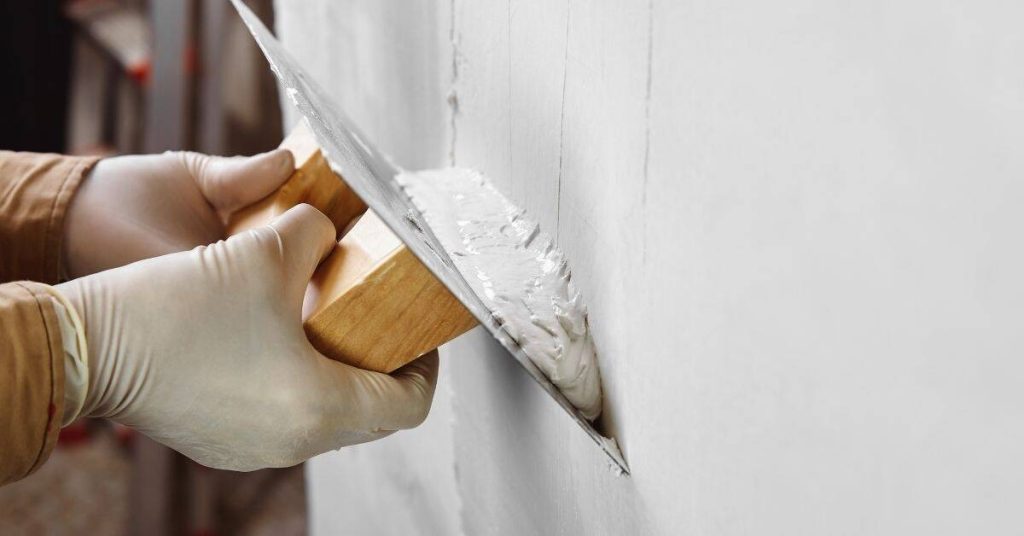
Hairline and narrow vertical cracks: Fill these with a flexible filler or cementitious patch. Apply with a putty knife, forcing material into the crack.
Narrow vertical cracks with movement: Reinforce with fiberglass tape or mesh before filling. This adds strength and reduces future cracking.
Larger horizontal/diagonal cracks: Fill using a cementitious patch or epoxy, depending on the cause of the crack. For large gaps, use a backer rod to create a base for your filler. Consider skim-coating after filling to blend the repair into the surrounding surface.
Finishing, curing, and verifying repair success
After applying your patch material, follow these steps to finish and verify your repair:
Finish: Sand any rough edges or excess material once the patch is dry. Prime the area to seal it and prepare it for painting.
Cure: Follow the manufacturer’s instructions for curing time. Keep the patched area clean and undisturbed during this period.
Verify success: Monitor the repaired area over time. Check for any signs of movement or moisture intrusion. If the crack remains stable, your repair was successful. If it moves or shows signs of moisture, you may need to reassess and potentially re-repair.
Prevention, Long-Term Costs, and Common DIY Mistakes
Prevention focuses on controlling moisture, improving ventilation, and sealing potential intrusion points. Regular maintenance reduces future cracking and keeps finishes intact. Keep an eye on exterior moisture paths and interior humidity to minimize surprises.
Understand how delaying repairs can raise long-term costs through more extensive damage, energy loss, and tougher repairs later. Weigh DIY fixes against professional work, considering safety, warranties, and necessary tools. Common mistakes to avoid include skipping moisture checks, misreading crack types, using the wrong patch material, and skipping proper curing and sealing, which can trigger recurrence.
Preventative maintenance and moisture management
Keep indoor humidity in check. Ideal range is 40-50%. Use dehumidifiers if it’s too high.
Fix leaks promptly to stop water intrusion. Check roofs, pipes, and windows.
Maintain gutters. Clogged ones can cause water to back up and seep into walls.
Long-term cost implications of inaction
Small cracks let moisture in, leading to mold growth. That’s a health risk and costly to fix.
Cracks widen over time, becoming harder and more expensive to repair. They can also compromise structural integrity.
Energy efficiency drops as cracks let cold/hot air in/out, hiking utility bills.
Common DIY mistakes to avoid
Skipping moisture diagnosis leads to recurring problems. Always find the root cause before patching.
- Misreading crack types. Hairline cracks aren’t always harmless, and structural ones need immediate pro attention.
- Using wrong patch material. Different cracks need different materials. Using the wrong one leads to recurrence.
- Improper surface prep. Not cleaning and drying surfaces properly means patches won’t stick.
- Failing to cure or seal. Skipping these steps lets moisture back in, causing cracks to reopen.
Learn from these mistakes. Don’t rush repairs. Take time to do it right.
Conclusion
Safety, durability, and appearance go hand in hand. Stay practical: track every crack, address moisture, and patch only when the timing is right.
Check in this order: verify moisture or damp spots first, mark the crack with a pencil, log the date and size, note any changes on a fresh diagram, and set a recurring check interval so you know when to reassess. Keep tasks small and controlled, test a small area before full patching, and work in good light with the area dry.
Common mistakes to avoid are rushing patches on moving cracks, using the wrong patch materials, and ignoring moisture or previous repairs. Always test a small area first, wear eye protection and gloves, shut off power if work is near outlets, and keep a dry, clean surface before applying anything. If a crack keeps growing or you see water stains, bulging plaster, or structural concerns, don’t push ahead—call a professional before it costs more to fix later.
When in doubt about severity or safety, ask for a professional assessment and follow their guidance. With careful marking, regular checks, and proper timing, you can keep plaster solid, safe, and looking good for years to come.
FAQ
What are the common plaster crack types I’ll see, and how urgent is each?
Hairline cracks are usually cosmetic. Vertical or diagonal cracks can be a sign more’s going on, and horizontal cracks often indicate more serious movement. If you see repeated cracking, widening, or cracking across multiple walls, treat it as urgent enough to investigate further.
What causes wall and ceiling cracks, and how can I tell what’s likely behind them?
Cracks come from settling, humidity, improper finishes, or framing movement. Look for new cracks after heavy rain, doors that stick, or gaps around windows. If cracks run at the joint between plaster and drywall, or follow joists, they may be related to movement rather than simple shrinkage.
When should I call a professional or get a structural assessment?
Call if you see wide cracks, cracks that grow over weeks, cracks with deflection, or cracks that run through two or more stories. Signs of foundation movement include cracks that horizontal, stair-step along a brick or plaster, doors and windows sticking, or framing gaps. If in doubt, get a professional opinion before patching.
What maintenance steps can I take to prevent future plaster cracking?
Keep indoor humidity stable, fix leaks promptly, and avoid rapid temperature changes on unprotected plaster. Inspect annually for new cracks, repair small ones early with proper patching, and use compatible plaster or patch materials. Regularly seal exterior walls facing moving ground and address any structural concerns before cosmetic work.