
Introduction
Touching up wall paint means applying a fresh coat to small areas so it blends with the existing finish. Use a light touch and feather the edges so the new paint fades into the old. Work in small patches and inspect under the room’s lighting before it cures.
Match the sheen as closely as possible by using the same type of finish and a compatible color, checking the label for guidance. Use a small brush or roller, apply in thin, even coats, and blend where the old and new meet. Let the paint dry according to the label and compare under different lighting to catch any differences.
Key takeaways
- Identify existing sheen level and finish before planning any touch-up work.
- Prep area, ventilate, and mask edges to reduce dust exposure.
- Test color matches and sheen on a hidden patch before full coverage.
- Use compatible primer or sealer when underlying paint differs significantly.
- Apply touch-ups in thin, feathered passes across edges to blend.
- Inspect under varied lighting after curing and recoat if texture mismatches.
Table of Contents
- Introduction
- Key takeaways
- What Flashing and Sheen Differences Are
- Common Causes Behind Flashing and Sheen Inconsistencies
- Inspecting and Preparing the Area Before Touch-up
- Matching Paint Color and Sheen Accurately
- Application Techniques for Seamless Touch-Ups
- Primers, Sealers, and Undercoats: When and Which to Use
- Tools and Materials Checklist
- Visual Checkpoints and Testing Methods
- Conclusion
- FAQ
What Flashing and Sheen Differences Are
Flashing refers to visible changes in gloss or brightness on a painted surface as light hits it. Sheen differences are how shiny or flat the finish looks up close or from an angle. After touch-ups, these gaps become easier to notice as the newly painted spot contrasts with surrounding areas.
Light direction and viewing angle play a big role in what you see. Even the same color can look different under a lamp versus daylight. Understanding this helps you plan the touch-up so the area blends rather than stands out.
Flashing vs. color mismatch
When you touch up a wall, two common issues can arise: flashing and color mismatch.
Flashing is when light reflects unevenly off the touched-up area, making it look like a shiny streak or patch. This happens due to differences in sheen between the new paint and the existing wall.
On the other hand, color mismatch occurs when the touch-up color doesn’t exactly match the surrounding wall. This could be due to using an incorrect paint shade, or it might be a result of color variation caused by different lighting conditions in your home.
Why sheen matters for perceived color
The sheen of your paint – how glossy or matte it is – plays a big role in how the color looks on your wall.
A glossier finish reflects more light, making colors appear brighter and more vibrant. In contrast, a matte finish absorbs light, causing colors to look duller.
So, if you’re touching up a wall with a semi-gloss paint but use a flat sheen for the touch-up, the new area will look noticeably different – even if the color is technically the same. Lighting and viewing angle can exacerbate this effect, making the difference more apparent from certain angles or in different light.
Common Causes Behind Flashing and Sheen Inconsistencies
Surface contamination like dust, oils, or wax can ruin a seamless match. Different paint batches or brands can also behave differently even when they look the same in the can. Underlying substrate variations show up as flashes if the new coat doesn’t level with the old.
Improper application, such as overloading a brush or roller, can cause painters ridge lines or uneven coat thickness. Variations in porosity, sheen level, or previous finishes can contribute to mismatches. Check each factor when diagnosing why the touch-up looks off.
Surface and Substrate Factors
When touching up paint, the surface you’re working with can cause flashings and sheen inconsistencies. Patching compound or drywall mud might not absorb paint the same way as untouched surfaces.
Stains from previous marks, water damage, or smoke can also affect how new paint adheres and reflects light. If your wall has been previously sealed or painted with a glossy finish, it’ll reflect more light than a flat surface, causing sheen differences.
Tip: Always test your touch-up color on a small, hidden area first to see how it interacts with the existing surface.
Paint and Batch-Related Causes
Even if you’re using the same brand and type of paint, variations between cans can lead to flashings. This is because pigments aren’t always evenly dispersed during manufacturing or mixing.
If your paint was store-tinted, there might be slight differences in color due to variations in the tinting process. Different paint bases (like latex vs. oil) also reflect light differently, causing sheen inconsistencies.
Solution: If possible, buy all your paint at once and mix it together before starting. If you’re buying more later, ask for a ‘kick’ from the original batch to ensure consistency.
Application and Environmental Contributors
The way you apply paint can affect its final appearance. Using a brush might leave visible strokes, while a roller or sprayer could give a more uniform finish.
Applying paint too wet or too dry can cause variations in coverage and sheen. Also, lighting conditions and humidity during application can impact how the paint dries and looks.
Advice: Always apply touch-ups in the same way as the original painting, under similar lighting and humidity conditions.
Inspecting and Preparing the Area Before Touch-up
Start with a quick visual scan from multiple angles and lighting. Identify spots that look flashed or mismatched and note any contamination. This helps you plan the prep steps before a single stroke is applied.
Clean the surface as needed and remove loose material. Lightly abrade glossy areas to improve adhesion. Prioritize repairs on areas that will affect the final blend, and keep the rest pristine for a true test patch.
Visual inspection and testing patches
Before you start touching up, use this checklist to ensure your paint job will blend seamlessly. Do this under the room’s normal lighting.
- Check color match: Compare new paint with existing wall in different lights. Swatch on a small area first.
- Inspect sheen: Ensure new paint matches old sheen. Matte and gloss don’t mix well.
- Feel for texture: Run your hand over the wall. Smooth surfaces need smooth paint, textured need matching texture.
- Look for stains: Check for water marks, grease, or other stains that might show through new paint.
- Examine glossy areas: High-gloss spots can cause sheen differences. Lightly sand and feather edges before painting.
- Check for damage: Look for cracks, holes, or other defects that need repair.
- Test patch curing: Let test patches cure fully (at least 24 hours) to see true color and sheen.
- Observe environmental factors: Note temperature, humidity, and air quality. These can affect paint application.
Quick rule: If in doubt, do more test patches. Better safe than sorry.
Cleaning, sanding, and feathering edges
Prep your surface for a smooth touch-up job. Start by cleaning to remove any contaminants.
Lightly sand: Use fine-grit sandpaper (220 or 320) on glossy areas to help new paint adhere better and reduce sheen differences.
Next, feather the edges of your touch-up area. This creates a smooth transition between old and new paint. Use a damp sponge or sand lightly with a fine-grit sanding block, working from the edge towards the center.
Wipe clean: Remove dust and any residue with a tack cloth or damp rag before painting.
Repair and prime problematic spots
Before touching up, address any issues that might affect adhesion or cause flashing. Use joint compound to repair cracks, holes, or other damage.
Prime stains: If there are water marks, grease stains, or other discolorations, apply a stain-blocking primer first. This prevents these issues from bleeding through your new paint layer.
Glossy areas: If you’ve sanded glossy spots, prime them before painting to ensure good adhesion and prevent sheen differences.
Let it dry: Always let repairs and primers dry fully (as per manufacturer’s instructions) before touching up with paint.
Matching Paint Color and Sheen Accurately
Keep the original can or label handy to verify color name, finish, and batch if possible. Use retailer tinting or manufacturer-matters to reproduce the same base color. Test the match on a small, inconspicuous spot and let it dry in ambient lighting before committing.
Remember to verify sheen, not just color. Compare the new patch to nearby surfaces under the same light and viewing angle. If in doubt, consult the supplier instructions or product data sheet for guidance on sheen compatibility.
Using leftover paint and documented labels
Start with what you’ve got. Check your original paint cans for any formula or batch codes. These are like a fingerprint for your paint, helping ensure an exact match.
Store leftover paint properly: Keep it in the can, tightly sealed, and away from extreme temperatures. Shake well before using to mix any settled pigments.
Test your leftover paint on a small patch behind furniture or in a less visible spot. Let it dry completely – at least 24 hours – before deciding if it’s a perfect match.
Store matching and spectrophotometer options
If you’re out of paint, head to your local hardware store. Bring a sample of the wall color with you. The store’s paint expert can use a spectrophotometer – a fancy color-measuring tool – to match your hue.
Pros: It’s quick and convenient. You’ll likely get a close match.
Cons: It might not be perfect. Sheen, undertones, and other variables can affect the result. Always test the matched paint at home before committing to it.
Apply the matched paint on a small area at home. Let it dry completely. Check it in different lights throughout the day to ensure it’s an exact match.
Choosing the correct sheen
The sheen of your paint – how shiny or flat it is – matters just as much as the color. It affects how light reflects off the wall, changing the perceived color and overall look.
Identify your existing sheen: Look at the label on your original paint can. If you don’t have that, test a small area with different sheens until you find the right match. You can also ask a paint store expert for help.
Match the sheen when touching up. A slight difference in sheen will make the touched-up area stand out like a sore thumb. It’s worth taking the time to get this right.
Application Techniques for Seamless Touch-Ups
Use a spot touch with a narrow brush or fingertip to lay down paint only where needed. Feather edges softly to blend the new paint into the old with a gradual transition. Avoid overworking the patch to prevent build-up that catches light differently.
If the patch still looks off, consider repainting a larger area to achieve a single, uniform appearance. Work in thin, even coats and follow drying cues from the product instructions. Consistency is key to minimizing flashing.
Brush, roller, and sprayer best practices
Each tool leaves a unique texture. Match the original finish to avoid sheen differences.
Brush: Use the same type and size as before. Work in ‘W’ or ‘M’ patterns for even coverage.
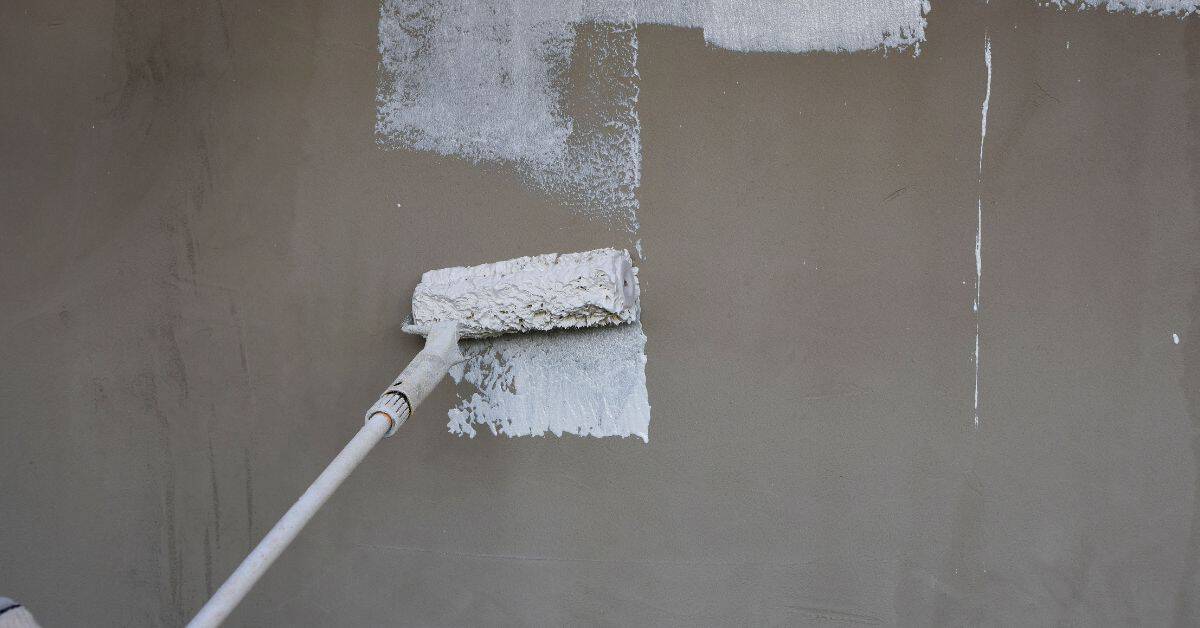
Roller: Choose the right nap length for your surface. Maintain consistent pressure for uniform results.
Sprayer: Keep a steady distance from the wall. Overlap each pass by about 50% to ensure full coverage.
Feathering and blending edges
Taper paint at touch-up borders to blend into surrounding areas seamlessly.
Use a smaller brush or roller for better control. Start from the edge, working towards the center in a ‘V’ pattern.
Feather: Lightly drag the brush or roller across the border, barely touching the wall. This softens the edge and helps it blend.
Overlap previously painted areas slightly to ensure full coverage and minimize lap marks.
When to repaint the whole wall or section
A full repaint ensures uniform sheen, but it’s more time-consuming. Here when it’s worth it:
1. Large areas: Touching up small spots can look patchy on large walls.
2. Color changes: If you’re changing colors, repainting ensures a consistent finish.
3. Sheen inconsistencies: When touch-ups don’t match the original sheen, it’s best to start over.
4. Worn-out paint: If the existing paint is peeling or fading, repainting gives a fresh, uniform look.
Primers, Sealers, and Undercoats: When and Which to Use
Primers and sealers help