
Tools & Equipment: Start Here
This hub covers the tools that make concrete and masonry work faster, safer, and cleaner—what to buy vs rent, how to use it, and what actually matters.
If you’re unsure what tools you need, start with the “core kit” guides first. They’ll save you money and stop you from buying the wrong thing.
Start here
Safety & dust control (do this before you grind or cut)
- Silica dust safety for DIY concrete work: practical controls
- Concrete dust control: HEPA vac basics for grinders and cutters
Surface removal & prep (pick the right machine)
- Grinding vs scarifying vs milling: pick removal methods by depth
- Shot blasting for DIY: rental options and when it’s worth it
- Concrete Surface Profile (CSP): what it means and how to achieve it
Scanning, drilling & “don’t hit rebar” work
- Rebar locator vs GPR: find steel before you cut or drill
- Core drilling small holes in concrete: water control and patching
Polishing & diamond tooling (get the results you expect)
- Concrete polishing with a variable-speed angle grinder
- Diamond tooling roadmap for DIY polishing (50–3000 grit)
Finishing hand tools (small tools, big difference)
Latest tools & equipment posts

Curing blankets and poly on concrete slabs: thickness, weights, and keeping covers from printing marks
Introduction Curing blankets and poly are placed on concrete slabs to help maintain moisture and temperature during the curing process. They create a controlled layer that slows evaporation and reduces cracking risk without relying on guesswork. Always check the manufacturer instructions or local guidelines for recommended thickness, weight, and coverage details. Keep the covers from printing marks by distributing weight evenly and smoothing out wrinkles along the edges. Use the…
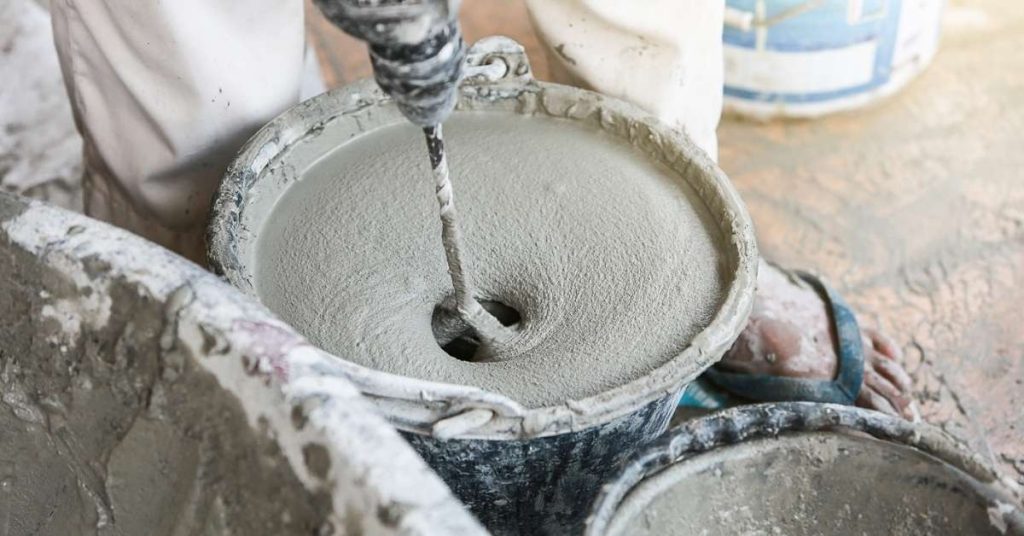
Choosing a mixing drill for concrete, mortar, and plaster mixes: torque, speed, and why ‘bigger is better’ can burn motors
Introduction A mixing drill is a powered tool chosen for blending concrete, mortar, and plaster. It should deliver steady torque and control at the right speed to avoid overworking the motor. Using a too-large drill or running at excessive speed can burn the motor and degrade the mix. Proper mixing helps achieve uniform texture and strength, while improper use can create air pockets and uneven setting. Regular drills without sufficient…

Lighting for concrete and plaster finish work: raking light tricks that reveal waves before it’s too late
Introduction Raking light uses side-on illumination to highlight surface irregularities in concrete and plaster. This technique helps you spot waves and tool marks early, so you can address them before finishing. Set up an adjustable light at a low angle and sweep it across the area to reveal texture. Use a portable light with a focused beam and position it along the edge of the surface for best contrast. Move…

Tool belt setup for trowel work on plaster and stucco: carrying hawk, trowel, and jointers without dropping everything
Introduction A proper tool belt setup keeps your hawk, trowel, and jointers secure and hands free for plaster and stucco work. Choose a belt with pockets and holsters that place the heaviest items close to your center of gravity. Position the hawk handle, trowel blade, and jointer handles in dedicated spots to reduce crossing and the chance of dropping tools. Test the setup on the ground before climbing to ensure…
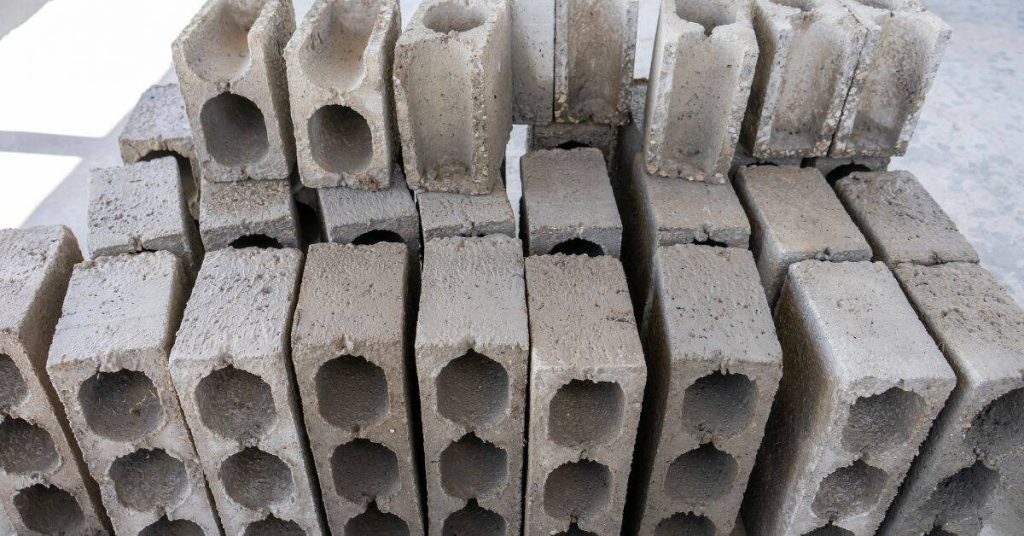
Knee pads and kneeboards on concrete slabs: when they save finishes and when they ruin texture
Introduction Knee pads and kneeboards are protective and guiding tools used on concrete slabs to cushion joints and protect the surface. They can help finishes stay clean by preventing gouges, but improper use can mar textures or leave indentations. Choose pads and boards that fit your knee height and project needs, and adjust as you move across the area. Types include soft foam pads and harder plastic boards that rest…
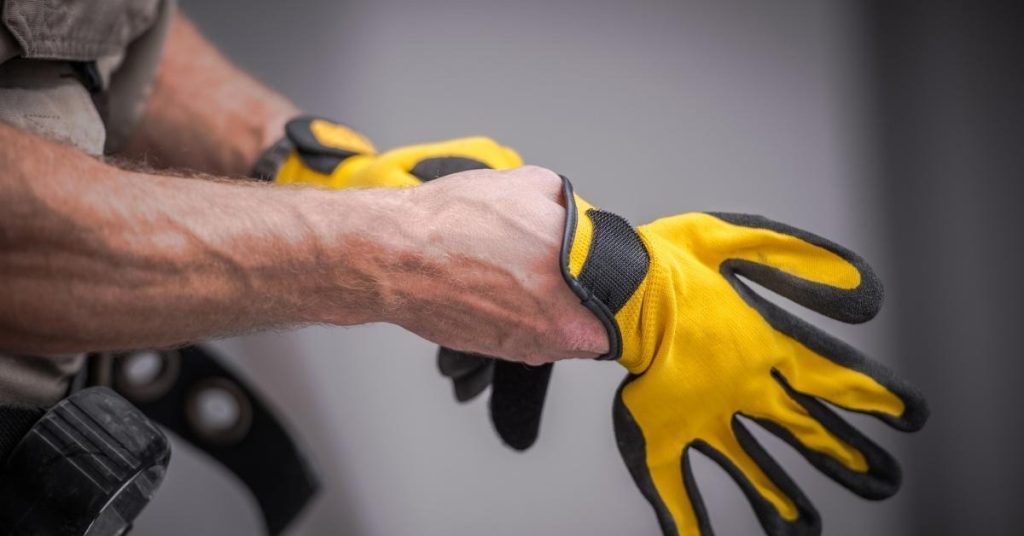
Gloves for cement work: balancing dexterity with chemical protection
Introduction Gloves for cement work provide dexterity while protecting hands from concrete chemicals. Choose a pair that fits well and allows you to grip trowels, buckets, and forms without feeling bulky. Check that the glove materials resist common concrete additives and read the manufacturer instructions for chemical protection. When choosing, consider how much protection you need versus how much dexterity you require for finishing and assembly. Welding gloves, mechanics gloves,…

Hearing protection in concrete and masonry cutting work: choosing plugs vs muffs for real-world use
Introduction Hearing protection is gear worn to reduce exposure to loud noise during concrete and masonry cutting work. It includes devices placed in or over the ears to lower sound levels reaching the inner ear. In real-world jobs, comfort, fit, and how long you’ll be exposed matter as much as the device type you choose. Two common options are earplugs and earmuffs, each with different ways of sealing and distributing…

Tool maintenance for winter on concrete and stucco jobsites: hoses, sprayers, and batteries that hate freezing
Introduction Winter tool maintenance for hoses on concrete jobsites means prepping and protecting hoses so they won’t crack or leak in freezing weather. Inspect hoses for wear, drain any residual water, and store them where they won’t freeze. Always check the manufacturer guidance on storage and use. Winter care for sprayers on stucco jobsites involves emptying and drying tanks and inspecting seals to prevent cracking. Keep batteries above freezing when…
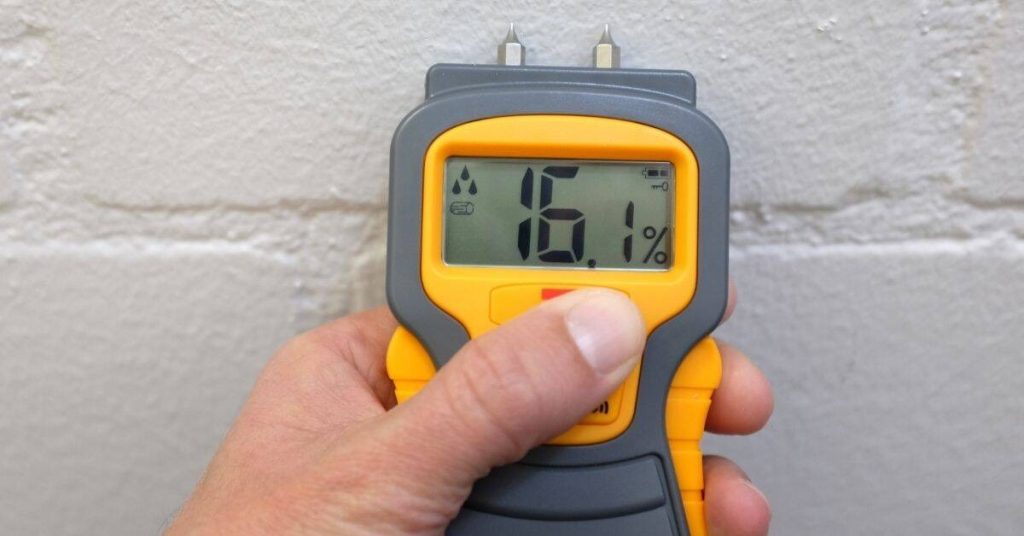
Cheap vs pro moisture meters on masonry: what each is good for
Introduction Cheap moisture meters for masonry offer quick, basic moisture readings at low cost. They are generally simpler and focus on giving a general sense of dampness rather than precise levels. For DIY projects, they’re a starting point, but their accuracy can vary with material and surface conditions. Professional meters usually combine pin and pinless modes and give more reliable, deeper readings for masonry. They may also include features like…
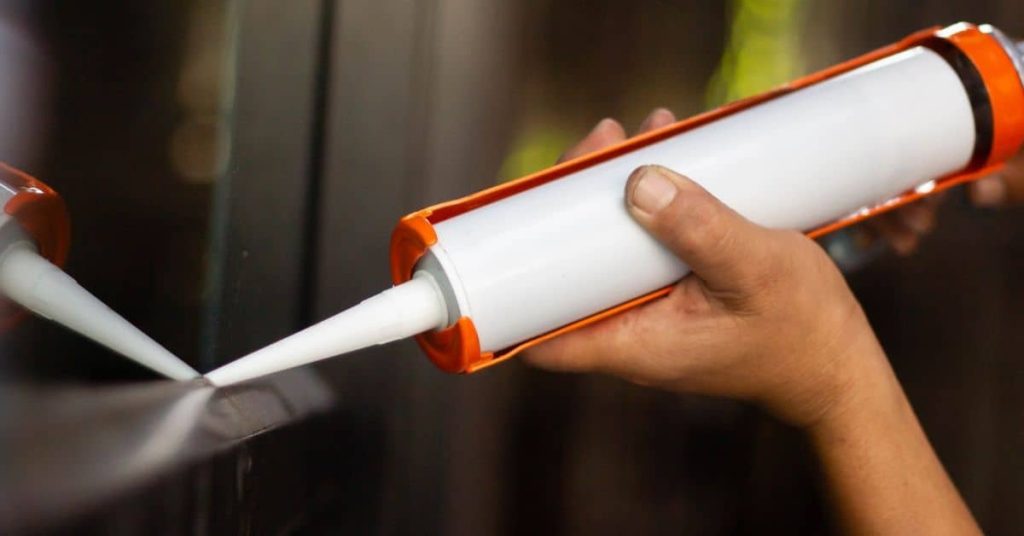
Caulk gun upgrade guide for masonry sealants: thrust ratio, dripless features, and nozzle trimming
Introduction This guide focuses on enhancing your caulk gun setup for masonry sealants, addressing thrust control, drip prevention, and nozzle trimming. It provides practical checks you can perform during typical on-site jobs without relying on external resources. To achieve a drip-free application, look for guns with built-in features to prevent drips. Practice nozzle trimming techniques to manage flow and neatness. Thrust ratios vary among models; follow manufacturer instructions and test…