
Introduction
Too-hard brick mortar damage is damage that results when the mortar in a wall has become excessively hard and brittle, leading to cracks and bond failure. Signs include visible cracks between bricks, loose or hollow-sounding joints, and bricks that push or tilt out of place. It often stems from over-tamped or overly aggressive mixes, moisture movement, or long-term deterioration that makes the mortar less flexible.
This piece is written for a hands-on approach, with a focus on practical checks, when to DIY, and when to call a professional. For repairs, plan to verify the mortar type, the extent of damage, and whether the surrounding bricks are sound, and gather basic tools and materials. Use manufacturer instructions and local rules for mixes and safety, and choose options that suit your skill level and the wall condition.
Key takeaways
- Recognize signs of too-hard mortar, including cracking, crumbling joints, and gaps.
- Identify common causes: moisture intrusion, improper mixing, aging mortar, and freeze-thaw cycles.
- Assess damage safely, plan repairs with proper access, scaffolding, and PPE.
- DIY repairs: clean joints, repoint with compatible mortar, and avoid hardening mismatch.
- When to hire a professional: extensive damage, hidden cracks, or structural concerns.
- Preventative measures and maintenance: regular inspections, sealing, proper flashing, and drainage.
Table of Contents
- Introduction
- Key takeaways
- Recognizing Too-Hard Mortar — Signs and Symptoms
- Common Causes of Mortar Hardening and Deterioration
- Assessing Damage and Planning Repairs
- DIY Repairs — What You Can Safely Do
- When to Hire a Professional and What to Expect
- Corrective Repair Methods for Too-Hard Mortar
- Preventative Measures to Reduce Future Repairs
- Maintenance, Inspections, Costs, Safety, and Common Mistakes
- Conclusion
- FAQ
Recognizing Too-Hard Mortar — Signs and Symptoms
Visual cues help distinguish overly rigid mortar from normal aging. Look for chalky, powdery, or crumbling joints and joints that appear unusually tight or washed out. Hairline cracks that don’t widen with weather can also signal a overly stiff binder.
Physical checks matter too: tapping the joint should produce a hollow sound, not a solid dull thud. When you try to scrape or cut the mortar, it should yield in small grains rather than crumbling evenly. Compare multiple joints to identify a pattern that suggests too-hard mortar rather than simple wear.
Inspecting Brickwork Surface
Examine your brickwork’s surface to identify potential mortar issues. Begin by surveying the wall from afar, then move closer for detailed inspection.
Unusual chalkiness or powderiness at joints may indicate excessively hard mortar. Similarly, hairline cracks or gaps that remain consistent regardless of weather changes could suggest overly tight or washed-out joints.
Compare suspect areas with known good sections for reference. Record your findings and consult a professional if unsure about the cause of these visual cues.
Structural and moisture-related symptoms
Certain signs can indicate that excessively hard mortar is causing structural issues or allowing water intrusion. Look for loose or shifting bricks, moisture penetration stains, or efflorescence (white salt blooms).
Gently tap joints and bricks with a rubber mallet to listen for dull, hard sounds. Use a non-contact moisture meter to check for moisture.
If you find structural instability or moisture issues, address them promptly. Consult a professional if concerns arise regarding the structure’s integrity.
When the damage is urgent
Certain red flags warrant immediate assessment and restricted use of the affected area. Look for large cracks or gaps, bricks that appear ready to fall out, significant cracking or spalling, or displaced bricks.
Check for signs of water penetration near foundations. If you find any of these issues, immediately restrict use of the affected area and consult a professional.
Do not attempt repairs without proper assessment. Evacuate or restrict use if necessary to prevent accidents, further damage, and costly repairs.
Common Causes of Mortar Hardening and Deterioration
Environmental factors often accelerate hardening, such as repeated moisture exposure, freeze-thaw cycles, and salt exposure. Consider how these conditions interact with brick types and wraparound conditions in your wall.
Material and workmanship issues also play a role: incorrect cement-to-lime ratios, non-compatible binders, premature hydration, and poor initial mortar beds can all contribute. Look for signs like efflorescence, crumbling surfaces, damp interiors, or loose bricks to help identify the root cause.
Environmental and Exposure Factors
Exposure to harsh environmental conditions can accelerate mortar deterioration or cause it to appear harder than intended. Understanding these factors helps identify the root cause of your mortar problems.
Moisture: Prolonged exposure to moisture, especially in combination with freeze-thaw cycles, can lead to mortar breakdown and apparent hardening. Check for dampness around joints and within walls.
Salt Exposure: Salt from de-icing agents or coastal environments can cause efflorescence, a white powdery substance on the surface of bricks, indicating salt damage. This can also make mortar appear harder.
Freeze-Thaw Cycles: Repeated freezing and thawing of water in the pores of mortar can cause it to expand and contract, leading to cracking and apparent hardening. Inspect joints for signs of cracking or crumbling.
Material Selection and Workmanship Issues
Choosing the right mortar mix and proper workmanship are crucial to prevent overly hard mortar that can lead to deterioration. Here are some common material and workmanship issues:
- Incompatible Mortar Mixes: Using a mortar with a high cement-to-lime ratio or incorrect binder type for your brick masonry can result in brittle, hard mortar that’s prone to cracking. Check the manufacturer’s recommendations for compatible mortars.
- Improper Curing: Inadequate curing allows mortar to dry too quickly, leading to excessive shrinkage and hardness. Ensure proper curing practices are followed after repointing.
- Premature Hydration: Mortar that hydrates too quickly can lead to a weak bond with bricks. Check the mix proportions and ensure they allow for adequate working time.
- Excessive Cement Content: Too much cement in the mortar mix can result in overly hard mortar that’s prone to cracking under stress. Review the mix design to ensure it meets local standards.
- Improper Joint Tooling: Incorrect tooling of joints can lead to improper compaction and excessive water loss, resulting in hard, brittle mortar. Inspect joint profiles for signs of improper tooling.
Assessing Damage and Planning Repairs
Begin with a visual inspection to identify cracked or crumbling bricks, deteriorated joints, bulging sections, efflorescence, or signs of water intrusion. Note areas that warrant closer monitoring or immediate attention.
Decide whether the issue is cosmetic or structural. Structural concerns or movement, tall cracks, or brick spalling may require professional evaluation. Gather information on brick type, mortar strength, and curing practices to guide next steps.
Inspection checklist and visual checkpoints
Before planning repairs, conduct a thorough visual inspection to assess the extent of damage. Use this checklist to ensure you cover all critical areas.
- Mortar joints: Check horizontal, vertical, and head joints for cracks, crumbling, or missing mortar. Skipping this step may lead to underestimating repair needs.
- Crown: Inspect the top course of bricks for any signs of damage or deterioration.
- Flashing interface: Check where the roof meets the wall for proper flashing and no water intrusion.
- Brick faces: Look for cracked, crumbling, or spalling bricks. Also, check for efflorescence, a white powdery substance that indicates moisture issues.
- Bulging or leaning sections: Inspect walls for any sections bulging outward or leaning to one side, which could indicate structural concerns.
- Efflorescence: Check for white, powdery deposits on the surface of bricks, indicating moisture issues.
- Water intrusion: Look for signs of water damage, such as stains or dampness, especially around windows and doors.
- Temperature-related cracking: Inspect for cracks that may have occurred due to temperature changes or freeze-thaw cycles.
Quick rule: Always photograph and record all observations during the inspection. This will aid in planning repairs and tracking progress.
Testing mortar compatibility and condition
Before selecting repair methods, it’s crucial to understand the existing mortar’s condition and composition. This helps avoid incorrect repair methods that could cause further damage.
Visual inspection: Start by visually inspecting joint surfaces for signs of deterioration or incompatibility with the existing wall materials. Look for cracks, crumbling, or discoloration.
Non-destructive checks: Perform simple non-destructive tests to evaluate mortar hardness and composition. Use a putty knife to probe suspect joints, checking for hollow sounds that may indicate deterioration. Also, check for moisture or efflorescence, which can affect mortar performance.
Consult an expert: If you find suspect incompatible or hardened mortar, consult a mason or consider lab testing for expert evaluation before proceeding with repairs. This step helps ensure the correct repair methods are used and prevents further damage to your brickwork.
DIY Repairs — What You Can Safely Do
Identify tasks suitable for a competent homeowner, such as surface cleaning, small repointing, or diagnosing hairline cracks. Clearly separate tasks that require a professional, like major structural cracks or compromised chimney components.
Prior to work, assess height, access, moisture, and whether repointing will address the underlying issue. Prepare a clear list of materials and tools, and plan for drying time and weather windows to avoid setbacks.
Small repointing and touch-up tasks
For minor damage, competent homeowners can perform shallow repointing to enhance both aesthetics and structural integrity. Focus on localized, superficial joint damage.
Visual Inspection: Check affected joints for signs of damage. Ensure the issue is isolated and not indicative of deeper problems.
Pro Consultation: If damage extends deep into the wall or affects multiple areas, consult a professional mason before proceeding.
Common Mistake: If mortar spalls or doesn’t bond properly, remove and reapply using compatible materials and techniques.
Tools, materials checklist, and preparatory steps
Before starting any repair work, ensure you have the necessary tools, safety gear, and materials. Here’s a practical checklist:
- Trowel (1/2″ & 1″): For mixing and applying mortar. Ensure they’re in good condition.
- Jointing Tool: To shape joints after repointing. Choose one suitable for your joint profile.
- Chisel (1/4″ & 3/8″): For removing damaged mortar. Check edges for sharpness.
- Masonry Brush: To clean joints and remove loose debris. Ensure bristles are firm yet flexible.
- Safety Gear: Include safety glasses, gloves, and a dust mask to protect from mortar and debris.
- Drop Cloth or Tarps: To protect surfaces from staining during repair work.
- Mortar Mix (N/M/L): Choose compatible type for your brickwork. Check manufacturer’s instructions for mixing ratios.
- Water: For mixing mortar and dampening joints. Use clean, fresh water.
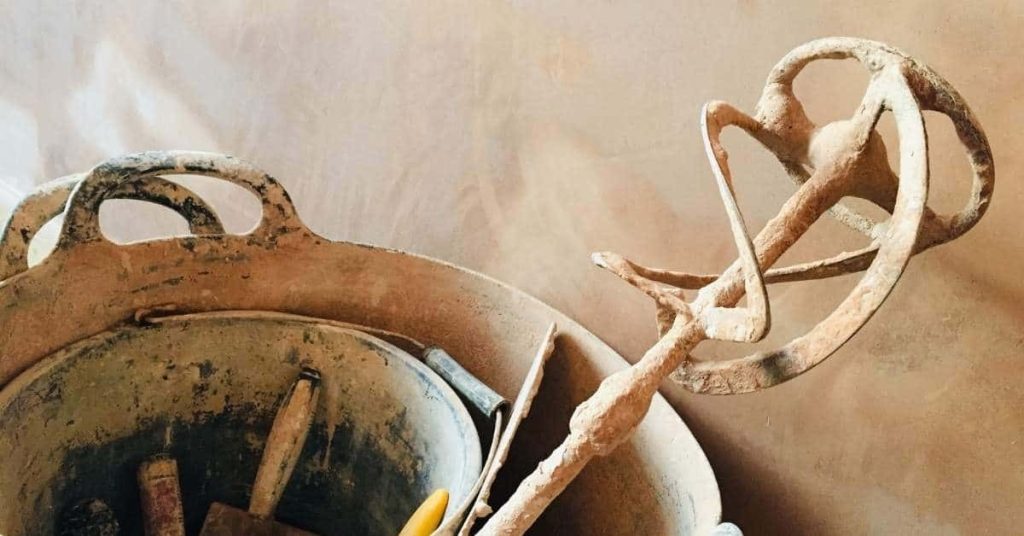
- Optional: Mortar Mixer or Diamond Blade: If required, rent or purchase appropriate tools for efficient mixing or cutting.
When to Hire a Professional and What to Expect
Use clear criteria to decide between DIY and professional help, including signs of structural concern or significant cracking. Avoid attempting repairs that involve concealed damage or moisture intrusion without expert input.
Expect a professional to diagnose the cause, remove and repoint mortar, and address brick repair or replacement as needed. Verify qualifications, references, and warranty terms, and prepare questions about timeline, methods, and permits.
Tasks that should be left to pros
Certain brick mortar repair tasks are best handled by professionals due to their complexity and the specialized knowledge, equipment, and safety measures required. These include:
Deep structural repointing, where mortar needs to be removed and replaced deep within the joints of a wall’s structure.
Chimney stroke work, which involves repairing or rebuilding sections of a chimney, often at significant heights.
When underlying causes such as flashing or foundation issues need to be addressed, it’s crucial to hire a professional to prevent further damage and ensure the repair’s longevity.
Evaluating bids and contractor credentials
When hiring a masonry professional, it’s essential to carefully evaluate their credentials and quotes to ensure you’re making an informed decision. Here’s what to look for:
Request a detailed quote that includes the scope of work, methods, materials, timeline, cost breakdown, scaffolding needs, permits required, disposal plans, and post-repair maintenance guidance.
Verify their masonry license/insurance, years of experience with brickwork, references from previous clients, a portfolio showcasing their work, and the terms of their warranty/guarantee.
Be wary of quotes that are significantly lower than others or seem too good to be true. Ask for clarification to avoid hidden fees or subpar work.
Corrective Repair Methods for Too-Hard Mortar
Define the scope by identifying which joints are too hard and distinguishing surface issues from deeper damage. Decide if any masonry should be reinforced or rebuilt rather than simply repointed.
Plan a removal strategy that avoids brick damage, using appropriate tools and a careful sequence. Explain mortar compatibility and how to adjust hardness, color, and joint profile for durable results.
Repointing and Mortar Removal Best Practices
Before starting any repair work, it’s crucial to safely remove the failing or excessively hard mortar. This ensures proper adhesion of new mortar and prevents damage to bricks.
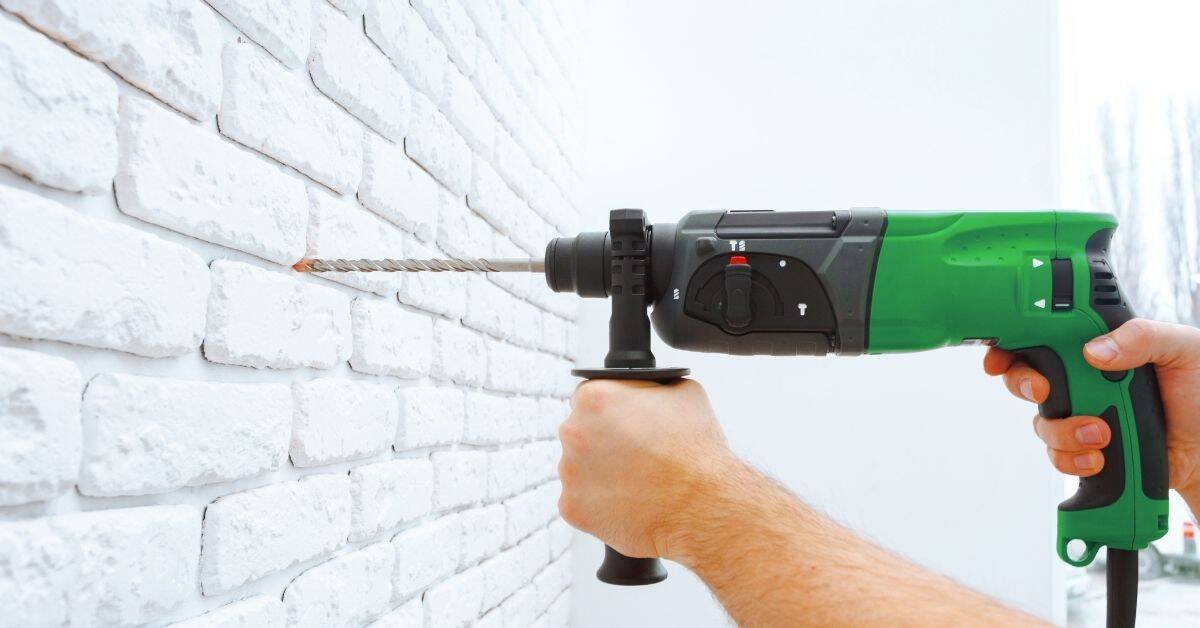
Use hand chisels with wooden dowels to protect brick faces from chipping. Work in a controlled manner, removing mortar from the joint first before tackling the face. A grinder can be used for larger areas but requires careful handling to avoid damaging bricks.
Safety first: Wear appropriate Personal Protective Equipment (PPE), including safety glasses and gloves. Control dust using damp cloths or a vacuum attachment to minimize inhalation risks.
Choosing Compatible Mortar and Material Specifications
Matching the new mortar to your existing masonry is vital for long-term performance and aesthetic harmony. Incorrect materials can lead to cracking, staining, or weak bonds.
- Mortar Type: Match the lime-based or Portland cement content of your existing mortar. Too much cement can cause excessive hardness and cracking.
- Strength Rating: Choose a mortar with a similar strength rating to your existing masonry to prevent weak points in the wall.
- Porosity: Match the porosity of your existing bricks to allow for proper water vapor transmission and prevent moisture buildup.
- Slump: Adjust the slump (workability) of your mortar mix based on the size and shape of your joints. A stiffer mix is suitable for smaller, narrower joints.
- Color: Match the color of your existing mortar to maintain a uniform appearance. Check manufacturer’s color charts or request samples.
- Joint Profile: Recreate the original joint profile (concave, raked, or flush) to maintain structural integrity and aesthetic consistency.
Preventative Measures to Reduce Future Repairs
Focus on design decisions that minimize hardening issues, selecting brick and mortar types with compatible strength and elasticity and proper joint profiles for movement and drainage. Avoid overly hydraulic cements for exterior exposures.
Address substrate prep and joint design, promote drainage, and consider breathable sealants where appropriate. Establish a maintenance plan with regular inspections to catch issues early.
Proper mixing, curing, and joint finishing
Selecting a compatible mortar mix is crucial for preventing too-hard mortar issues. Ensure the mix’s strength and elasticity match your masonry units.
Adequate curing allows mortar to gain full strength without premature hardening. Follow manufacturer guidelines for watering and covering joints during curing.
Correct joint tooling ensures proper moisture drainage and movement accommodation. Tool joints to the correct profile, ensuring they’re clean and free of excess mortar.
Weather protection and moisture management
Effective flashing and crown repair prevent water intrusion. Inspect these components regularly for damage or deterioration.
Proper joint design, including the use of backer rods where needed, helps manage moisture. Ensure joints are clean and free of debris to allow for adequate drainage.
Apply breathable, water-repellent sealants suitable for masonry. Test these products according to manufacturer guidelines before application. Regularly inspect your masonry for signs of water damage, such as efflorescence or spalling.
Maintenance, Inspections, Costs, Safety, and Common Mistakes
Develop a practical maintenance plan that covers seasonal inspections, moisture control measures such as proper drainage and flashing, and clear criteria for when to reseal or repoint to prevent further deterioration. Include an inspection checklist focused on cracks, spalling, efflorescence, mortar softness, brick looseness, vent cap integrity, flue leaks, and crown condition, plus a simple method to document findings. Outline budgeting guidance that compares DIY versus professional costs and lists mortar types compatible with existing brick, along with necessary sealants, replacement bricks, and any permits that may be required.
Regular inspections matter because skipping seasonal checks can hide damage progression and lead to larger repairs later. A quick on-site cue—visually inspect mortar joints and bricks for cracks, spalling, or efflorescence—and note changes over time. If cracks are present but no other signs appear, monitor closely; if spalling or efflorescence is observed, investigate underlying moisture issues and consider professional help to assess repairs and safety. Common mistakes include using mismatched mortar proportions and sealing porous bricks incorrectly; ensure new mortar matches the existing system and follow proper curing guidance. Quick-reference steps include pre- and post-repair forms, material and tool lists, and a simple decision tree for when to call a professional.
Maintenance schedule and what to monitor
Regularly inspecting your brickwork helps prevent minor issues from becoming major problems. Use this checklist to guide your inspections.
- Cracks: Inspect for hairline or wider cracks, which can indicate structural issues or settlement.
- Spalling: Check for flaking or crumbling bricks, a sign of deterioration that requires immediate attention.
- Efflorescence: Look for white, powdery deposits on the surface, indicating moisture penetration and potential water damage.
- Mortar softness: Gently press mortar joints to ensure they’re firm. Soft or crumbly mortar may need repointing.
- Brick looseness: Tap bricks with a hammer; a dull sound indicates loose mortar or damaged brick, requiring repair.
- Vent cap integrity: Inspect vent caps for damage or blockages that could cause backdrafts and carbon monoxide issues.
- Flue leaks: Check flues for cracks or gaps that could allow smoke or carbon monoxide to leak into living spaces.
- Crown condition: Examine the crown (top) of walls for signs of deterioration, which can indicate water ingress or structural issues.
Quick rule: Consult local professionals for recommended inspection frequencies to ensure you’re catching potential problems early.
Cost factors, budgeting, and value of preventive care
Understanding the variables that drive repair costs helps you manage expenses effectively. Consider these factors when planning your brick maintenance.
- Extent of work required: The more extensive the damage, the higher the cost. Regular inspections help keep repairs small and affordable.
- Accessibility and labor costs: Repairs that require scaffolding or are in hard-to-reach areas may incur additional labor charges.
- Materials and sealants needed: The type and quality of materials, as well as any required sealants, will impact the overall cost. Opt for compatible materials to prevent future issues.
- Permit costs: Some repairs may require permits, which can add to your expenses. Check local regulations before starting work.
Quick rule: Preventive care often lowers long-term expense by catching and addressing issues early, rather than waiting for major problems to develop.
Safety precautions and common mistakes to avoid
Prioritizing safety enhances the quality of your repair work. Familiarize yourself with these essential safety precautions and common DIY errors.
- Ladder/scaffolding safety: Always secure, level, and maintain three points of contact when using ladders or scaffolding to prevent falls.
- Heat and CO risks near live appliances: Ensure proper ventilation around live appliances, such as fireplaces or furnaces, to minimize the risk of carbon monoxide poisoning.
- Safe working distances: Keep a safe distance from hazards like power lines, traffic, or other potential dangers while working on your property.
- Appropriate PPE: Wear gloves, goggles, and a dust mask to protect yourself from debris, chemicals, and other hazards.
- Handling damaged bricks: Be cautious when handling damaged or loose bricks to prevent further damage or injury.
Common mistakes to avoid: Over-repairing or under-repairing; using mismatched mortar proportions; sealing porous bricks incorrectly; insufficient curing time; ignoring underlying moisture issues; neglecting movement joints. Always assess damage accurately, follow manufacturer’s guidelines, and address water problems before repairing.
Conclusion
Addressing too-hard mortar protects the structure, keeps walls stable, and preserves appearance, so taking careful, safe steps now matters for long-term durability. A practical plan that prioritizes safety and proper testing helps you avoid costly damage and wasted effort.
First, perform a simple, methodical check: look for cracks, loose sections, and spalling; test a small patch to confirm hardness and compatibility with surrounding mortar; review moisture and cleaning conditions; plan repairs using the correct materials and manufacturer instructions, then prepare tools and follow a staged approach. Keep safety gear on hand and proceed slowly, documenting what you do so you can repeat or adjust as needed.
Common mistakes to avoid include overworking fresh mortar or forcing it into joints that are too hard or damaged, using an incompatible mix or application method, and skipping small-area tests or safety checks. Always work with proper safety gear, keep the work area well ventilated, and avoid rushing curing or cleanup, since mistakes here can lead to further damage or weakened joints.
If the damage covers a wide area, involves structural concerns, or you are unsure about repairs, call a professional and ask what to expect for evaluation, materials, and methods. When you know your limits, you can proceed with confidence, building a durable repair plan and keeping future maintenance straightforward.
FAQ
What are the signs of damaged brick mortar to look for?
Look for cracked or crumbling mortar, gaps between bricks, and mortar that feels soft or crumbly when prodded. Moisture or staining around joints can also indicate deteriorated mortar. Tapping joints and listening for hollow sounds can reveal loose areas.
What commonly causes mortar deterioration in bricks?
Common causes include exposure to moisture, freeze–thaw cycles, and aging mortar that has lost bonding. Improper initial mixing, insufficient curing, and salt deposits can also contribute. Check product instructions and local conditions to understand specific risks for your wall.
What tools and materials do I need for a DIY mortar repair?
You will need basic masonry tools such as a chisel or mortar rake, a hammer, a stiff brush, and a pointing trowel. For removal, use appropriate grinding or chiseling tools and safety gear. For the repair itself, use a compatible mortar mix and follow the product label or manufacturer instructions for mixing and application.
What is a safe, basic step-by-step repair process I can follow?
First, assess the extent of damage and remove damaged mortar to a sound depth. Clean the joints to remove dust and loose material, then apply fresh mortar and tool it to match surrounding joints. Allow the mortar to cure as directed by the product instructions before exposing the area to full weather conditions.
How should I maintain brick mortar after repair?
Keep joints clean and inspect for signs of deterioration after seasonal changes. Monitor for cracking, moisture ingress, or spalling and address issues promptly. Repoint as needed using the same type of mortar and follow manufacturer guidelines for maintenance intervals.