
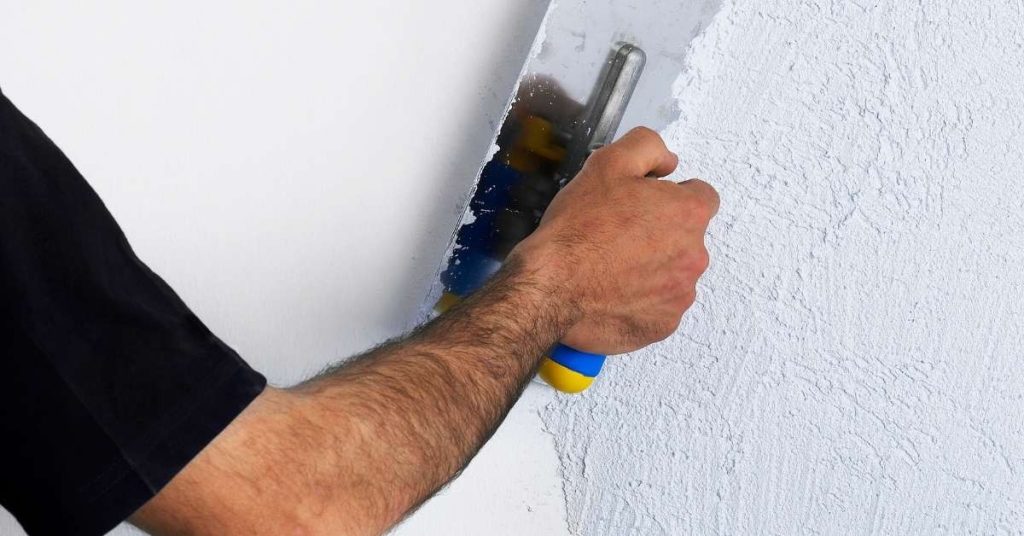
Introduction
Misting during curing helps prevent weak, dusty finish coats on stucco patches. A light, even spray keeps the surface from drying too fast and pulling water away from the patch. Keep it consistent and watch for a slightly damp look without pooling.
Set a gentle misting routine and stick with it for the full cure period. Check the stucco patch product label and follow the manufacturer guidance on timing and moisture. If you notice dusty edges or cracks forming, adjust the schedule and consult local rules or guidance.
Key takeaways
- Begin misting after initial set shows stiffness; avoid surface flash-drying or cracking.
- Use fine mist and consistent intervals; document environmental conditions for schedule adjustments.
- Inspect substrate and patch edges for sound adhesion before misting routine.
- Protect surrounding surfaces with plastic and rinse tools to prevent staining.
- Safety: wear eye/respiratory protection; avoid over-saturation and mold risk.
- Use visual checks and simple tests to confirm cure progress daily.
Table of Contents
- Introduction
- Key takeaways
- Why Proper Curing Matters for Stucco Patches
- Tools and Materials Checklist for Controlled Misting
- Material Specs and Substrate Preparation That Affect Curing
- Misting Schedules by Environmental Condition (Safe Ranges and What to Check)
- Step-by-Step Practical Misting Plan for a Patch Job (Start to Finish)
- Visual Checkpoints and Simple Tests to Confirm Adequate Cure
- Troubleshooting Common Problems and Corrective Actions
- Best Practices, Safety, and Jobsite Controls
- Conclusion
- FAQ
Why Proper Curing Matters for Stucco Patches
Proper curing is essential to create a strong, durable patch. When hydration is uneven or rushed, the bond can be weak and the finish may dust or powder. Early moisture has a big influence on long term strength and crack resistance.
Misting helps maintain a consistent moisture balance during the critical early cure. It reduces the risk of dry spots and shrinkage cracks by supporting a controlled hydration environment. Understanding this link helps you plan a reliable patch job from the start.
How hydration controls strength and surface integrity
Cement needs sustained moisture to keep hydrating, forming a strong matrix. Without it, the surface dries out too fast, leaving dusty patches.
Think of it like baking a cake. You can’t take it out early or it’s dry inside, just like stucco that cures too fast.
Proper misting keeps hydration going, building strength and preventing surface dusting.
Common failure modes from poor curing
Inadequate moisture control leads to common failures. The surface powders or turns dusty, making it weak and prone to cracking.
Shrinkage cracks appear as the patch dries out too fast. Delamination happens when the new stucco peels off from the old due to poor bonding caused by improper curing.
These failures reduce durability and can lead to costly repairs down the road.
Tools and Materials Checklist for Controlled Misting
Gather a light misting sprayer, a garden hose, and a simple spray nozzle suitable for fine mist. Have a moisture meter or a damp fingertip test handy to check surface dampness. Don’t forget protective gear like eye protection and gloves.
Choose tools that won’t disrupt the patch or wash out fresh material. Verify that sprayer specs fit the project size and follow manufacturer recommendations. When in doubt, check product labels and datasheets for compatibility with your patch mix.
Misting Equipment Options and Pros/Cons
Choose the right misting equipment for your project’s size and complexity.
- Hand-pump sprayers: Ideal for small patches. Easy to use, but requires manual effort.
- Fine-mist hose attachments: Good for medium-sized areas. Lightweight, adjustable mist, but may require a separate pump.
- Automated mist systems: Suitable for large projects. Consistent misting, but more expensive and complex to set up.
Quick rule: Match your equipment to the project size. Larger areas need consistent, automated misting.
Moisture and Environmental Monitoring Tools
Regularly check moisture levels and ambient conditions for optimal curing.
- Ambient temperature/humidity sensors: Monitor surrounding air. Ideal for preventing excessive drying or condensation.
- Surface moisture probes: Measure patch moisture content. Essential for knowing when to adjust misting schedules.
Quick rule: Cross-check readings with manufacturer cure guidance to avoid under- or over-curing.
Material Specs and Substrate Preparation That Affect Curing
Mix design, patch thickness, and bonding agents influence how much misting is needed. A thicker patch or a stronger bond may require longer or more frequent misting. Surface prep quality also changes how the moisture interacts with the patch.
Keep substrate temperature and ambient conditions in mind. Review product data sheets and local codes for any limits that apply to cure timing and moisture management. Use the documented guidance to tailor your approach to the specific product you’re using.
How patch thickness changes cure demand
Thicker patches retain moisture differently and may need altered misting and protection strategies.
Thinner patches (<6mm) dry out quicker, requiring more frequent misting. Thicker ones (>25mm) hold moisture longer but risk cracking if not properly protected from sun and wind.
Monitor patch thickness during application to adjust misting schedule accordingly.
Compatible bonding agents and admixtures
Certain bonding agents and admixtures can increase or reduce cure sensitivity. Always follow manufacturer compatibility instructions.
Accelerators speed up curing but may cause surface crazing if not used correctly. Retarders slow down curing, preventing premature drying. Some may affect strength development.
Check product data sheets and consult with your supplier to ensure compatible products for your specific mix design.
Misting Schedules by Environmental Condition (Safe Ranges and What to Check)
Hot and dry conditions call for more frequent light misting to prevent rapid surface drying. Moderate climates usually need a steady, gentle approach with regular checks. Cool or humid environments may require slower misting to avoid oversaturation.
Always verify misting guidance against the product datasheet and local rules. Increase frequency when you see surface drying or a powdery finish, and slow down if you notice surface gloss or pooling. Rely on visual cues and moisture readings to decide the cadence.
Hot, dry, and windy conditions
Use this checklist when working in hot, dry, and windy conditions to ensure your stucco patch cures properly.
- Misting frequency: Increase misting frequency. Aim for every 15-20 minutes during the day and every hour at night.
- Wind protection: Use temporary barriers or windbreaks to protect the patch from strong winds.
- Shading: Provide temporary shade, especially during peak sun hours, to slow down moisture loss.
- Product guidance: Consult the product datasheet for safe frequency ranges in hot and dry conditions.
- Temperature monitoring: Keep an eye on temperature. If it exceeds 90°F (32°C), consider slowing down work or adjusting misting schedule.
- Moisture loss: Watch out for rapid moisture loss, which can lead to weak and dusty patches.
- Nighttime curing: Maintain misting at night to prevent excessive drying. Use a timer if needed.
- Wind damage: Check for wind damage daily. Strong winds can blow away the wet stucco or cause it to cure too quickly.
Quick rule: In hot, dry, and windy conditions, frequent misting and protection from wind are crucial to prevent weak patches.
Moderate/ideal conditions
Use this checklist when working in moderate temperatures and humidity for controlled wetting during initial cure.
- Misting frequency: Misting should be less frequent than hot conditions. Aim for every 20-30 minutes during the day and every 1-2 hours at night.
- Humidity monitoring: Keep humidity levels between 40% and 75%. Below 40%, misting may need to be increased; above 75%, consider slowing down.
- Product guidance: Consult the product datasheet for recommended misting schedules in moderate conditions.
- Temperature monitoring: Keep an eye on temperature. If it exceeds 80°F (27°C), consider adjusting your misting schedule.
- Moisture content: Ensure the patch retains enough moisture for proper curing. A quick check is to see if the surface feels slightly damp to touch.
- Nighttime curing: Maintain some misting at night, but reduce frequency as the patch cures.
- Drying out: Watch for signs of drying out, which can lead to weak patches and cracks.
- Even wetting: Ensure the entire patch is evenly wet during misting. Inconsistent wetting can lead to uneven curing.
Quick rule: In moderate conditions, controlled wetting is key. Adjust misting frequency based on humidity and temperature.
Cool or very humid conditions
Use this checklist when working in cool or very humid conditions to prevent freezing or extended drying delays.
- Misting frequency: Misting should be less frequent than moderate conditions. Aim for every 30-60 minutes during the day and every 2-4 hours at night.
- Temperature monitoring: Keep an eye on temperature. If it drops below 50°F (10°C), consider slowing down work or adjusting misting schedule.
- Product guidance: Consult the product datasheet for minimum temperatures and safe misting schedules in cool conditions.
- Humidity monitoring: Keep humidity levels above 75%. Below this, misting may need to be increased.
- Freezing prevention: Protect the patch from freezing. If temperatures drop below freezing, consider providing heat or covering the patch.
- Moisture content: Ensure the patch retains enough moisture for proper curing. In humid conditions, this may require less misting but more monitoring.
- Drying out: Watch for signs of drying out, which can lead to weak patches and cracks in cool conditions.
- Extended drying: Be aware that cool conditions can slow down the curing process. Plan your schedule accordingly.
Quick rule: In cool or very humid conditions, less frequent misting is needed but monitoring for freezing and extended drying delays is crucial.

Step-by-Step Practical Misting Plan for a Patch Job (Start to Finish)
Start with a light pre-wet of the substrate to equalize moisture before patching. After applying the patch, protect the surface from rapid loss of moisture with a light mist or damp covering as recommended.
During the initial cure window, implement scheduled misting and then gradually reduce frequency as the patch hydrates. Use visual checks and moisture readings to determine when to transition to finish coats, and always verify times with product instructions.
Step-by-Step Process
This section guides you through a practical, step-by-step misting plan for your patch job from start to finish.
- Preparation and safety checks: Ensure all tools are clean and ready. Wear appropriate PPE. Check the weather forecast to adjust your schedule if needed.
- Substrate preparation: Clean and dampen the substrate with a fine mist, avoiding pooling water. This helps achieve better bond strength.
- Apply patch material: Trowel on the stucco patch mix evenly, following the manufacturer’s guidelines for thickness and application.
- Initial moisture retention: Cover the patch with plastic sheeting immediately after application to retain moisture and prevent rapid drying.
- Establish misting schedule: Set up your misting equipment according to the conditions (hot/dry/windy, moderate/ideal, cool/humid) and follow the recommended safe ranges for misting intervals and duration.
- Misting during early cure window: MIST regularly but lightly during the first 24-72 hours to maintain a consistent moisture level in the patch. Use a moisture meter to check progress.
- Gradually reduce misting: After the initial critical period, slowly decrease misting frequency and duration as the patch gains strength and dries naturally.
- Final checks and cleanup: Inspect the patch for any signs of weakness or incompatibility. Clean up your workspace and store tools properly.
Pre-application and immediate post-application actions
Before applying the patch, prepare the substrate by misting it lightly to dampen but not saturate. This helps achieve better adhesion.
Do NOT apply the patch if the substrate is too wet or dry. After troweling on the patch, immediately cover it with plastic sheeting to retain moisture and prevent rapid drying.
The plastic should be secured tightly around the edges but not touching the patch itself. This creates a humid environment that promotes curing without causing excessive water loss.
Early cure window and transition to natural drying
During the early cure window, typically the first 72 hours, monitor your patch closely. Mist regularly but lightly to maintain consistent moisture levels.
As the patch gains strength, gradually reduce misting frequency and duration. Use a moisture meter to check progress and ensure the patch is not drying too quickly.
Stop active misting once the patch has reached an acceptable level of dryness (usually around 75% of its final cured state) and can continue drying naturally without further intervention.
Visual Checkpoints and Simple Tests to Confirm Adequate Cure
Look for a uniform finish without dusty, powdery sheen. A fingernail or light swipe should show minimal powdering and no deep scuffing on the surface. If the surface feels soft or powdery, more curing moisture may be needed.
Perform quick tests such as a gentle thumb rub or a small scratch test to gauge hardness. If available, use a rebound or surface hardness test per manufacturer guidance. Confirm acceptance criteria with the product’s recommended test methods.
What a healthy curing surface looks and feels like
A properly curing patch should have a consistent, matte appearance and feel firm to the touch. Here’s what to look for:
- Surface Appearance: Should be consistent in color and texture, not blotchy or shiny.
- Tactile Feel: Should feel firm but slightly flexible, not hard as a rock or soft like dough.
- Edge Integrity: Edges should hold together well, no crumbling or flaking.
- Moisture Content: Should feel slightly damp to the touch but not wet or squishy.
- Cracks or Shrinkage: None visible on surface or edges.
- Uniformity: No soft spots, hard spots, or areas that look different from others.
- Dusting: Should not leave a powdery residue when touched lightly.
- No Visible Water: None standing on surface after misting.
Quick rule: If it looks and feels right, it probably is. But always confirm with tests.
Quick DIY tests for surface readiness
Before applying finish coats, perform these simple tests on inconspicuous areas to ensure your patch is ready. If results show softness or dusting, defer finishing:
- Thumb Rub: Gently rub with thumb. Surface should feel firm and smooth, not soft or gritty.
- Scratch Test: Lightly scratch surface with a coin or nail. Should not crumble or leave a powdery residue.
- Rebound Hammer (if available): Use to test hardness. Results should be within manufacturer’s acceptable range.
- Water Drop Test: Place a drop of water on surface. It should bead up and not soak in.
- Knock Test: Gently knock on surface with knuckles. Should sound solid, not hollow or dull.
Quick rule: If tests pass, you’re good to go. If not, keep curing and retest later.
Troubleshooting Common Problems and Corrective Actions
Excessive dusting can often be controlled with a targeted re-mist and light re-trowel smoothing. Crazing or cracking may require additional curing time and tighter moisture control. For rapid evaporation, shield the patch from sun and wind and re-check moisture.
If staining or surface inconsistency occurs, re-wet or reapply moisture management measures and consider re-cutting and reapplying if effects persist. When in doubt, consult technical support or the product manufacturer for guidance.
Fixing a dusty, weak finish before topcoat
If your patch feels dry and dusty to the touch, it’s not ready for the final coat. Here’s what you need to do:
Reintroduce moisture: Mist the surface lightly but evenly. Don’t soak it – that’ll just wash away the bonding agents.
Test strength: Gently press on the patch with your thumb or use a simple pull test with duct tape to check if it’s strong enough. If it crumbles or peels, it needs more time to cure.
Delay finish coats: Be patient. Let the surface pass these checks before applying topcoats. Rushing this step will lead to a weak, dusty finish that won’t last.
When to remove and redo a failed patch
A structurally compromised patch needs to be removed and replaced, not just patched over. Here’s when to know it’s time for a do-over:
Cracking or crumbling: If the patch is cracking or crumbling under slight pressure, it hasn’t bonded properly with the existing surface.
Staining or discoloration: Persistent stains or discoloration could indicate that moisture is trapped beneath the surface, leading to future problems.
Rapid evaporation: If the patch dries too quickly – within hours instead of days – it’s a sign that not enough water was used during mixing or that the surface wasn’t properly prepared.
Best Practices, Safety, and Jobsite Controls
Follow electrical safety, slip prevention, and freeze protection guidelines when misting. Use shading, windbreaks, and overnight covers to stabilize curing conditions. Keep a log of cure times, moisture levels, and visual changes for warranty protection.
Document every step with notes and photos to support compliance and future reference. Ensure that all practices align with manufacturer recommendations and local regulations, and verify any deviations with the appropriate technical resources.
Personal and electrical safety during misting
Water and electricity don’t mix. Always unplug tools before misting.
Wet surfaces mean slip hazards. Wear non-slip shoes, use ladders with rubber feet.
Never mist when it’s freezing or below 40°F (4°C). Water can freeze and damage your patch.
Record-keeping and when to consult manufacturer or pros
Keep a log of daily temperatures, humidity, and misting times. Take photos too.
Test your patch regularly. If it’s not curing right, don’t guess. Contact the stucco manufacturer or a pro.
If you’re unsure about conditions or results, always err on the side of caution. It’s better to redo a patch than risk a weak finish.
Conclusion
Proper curing is the difference between a patch that lasts and one that petals away in a season. Take the time to control moisture, temperature, and protection, and the finish will be durable, smooth, and looks right for years.
Check the patch by following a simple flow: confirm the substrate is sound and prepared, verify your misting plan matches the current conditions, start the misting as you planned, watch the surface for the right early set, and test with a light touch or simple visual cues to confirm cure is progressing without dusting. If anything looks off, pause, reassess the environment, and adjust before moving forward.
Common mistakes to avoid are over-misting or under-misting, exposing fresh patches to direct sun or strong wind, and skipping substrate prep or a small-area test. Always wear eye protection and a mask when dusting or sanding, and keep the work area contained and well ventilated. Stay within the safe ranges you checked earlier, and stop if the surface starts to dust or refuse to feel firm under a light touch.
If the patch is large, the substrate is aged or questionable, moisture is present, or you repeatedly see cracking or dusting despite following the plan, it makes sense to call in a pro. You’ll save time and prevent costly mistakes. Stay patient, follow the plan, and you’ll get a solid, safe finish that looks good and lasts.
FAQ
How do I tell if the stucco patch is curing too fast or too slow during misting?
Look for a matte finish that stays damp longer than you expected, or a dry, dusty top surface forming quickly. If you see cracking or powdery bloom, it’s a sign to adjust cooling and moisture levels. Check the patch with a simple touch test and follow manufacturer guidance or local rules for guidance.
What should I do if the finish coat starts feeling chalky or dusty after initial cure?
Stop patching and re-check your misting schedule and surface prep. Lightly mist and extend the curing window if allowed, but don’t oversaturate. Always verify with product labels or instructions before making changes.
How can I handle curing when the weather swings from hot to cool or windy?
Keep a steady moisture level by adjusting misting frequency and duration within safe ranges. If wind dries the surface faster, increase the number of light misting passes. When temps drop, follow the product’s guidance on reduced moisture cycles and longer cure times.
Is it okay to reuse the same misting water for the whole patch job?
Use clean water and avoid cross-contamination. If you’re unsure, check the product label or instructions for any water quality notes. If in doubt, prepare fresh water or consult the manufacturer guidelines or local rules.