
Introduction
Stucco patches can blend in by matching the sand texture, applying a light fog coat, and feathering the edges to disappear. This approach focuses on how the repair looks from close up and at a distance, not on replacing the entire wall. It’s a practical, hands-on method for making repairs less noticeable.
Start by examining the patch area and selecting sand that matches the existing stucco texture. Apply a thin base coat to the repair, then build up with light coats and feather the edges so the new material tapers into the surrounding finish. Always follow the manufacturer’s instructions and any local guidelines for mixing, curing, and finishing, and check the label if you’re unsure.
Key takeaways
- Clarify why picture-framing occurs and plan repairs after proper surface prep.
- Match local sand texture and color before base coats for seamless blending.
- Use fog coats sparingly to unify tone without creating over-saturation.
- Apply feather technique gradually, blending edges beyond patch for invisibility.
- Wear eye protection and a mask during mixing, sanding, and cleaning.
- Check manufacturer guidance and local codes for base coats and sands.
Table of Contents
- Introduction
- Key takeaways
- Why Picture-Framing Happens and When to Repair
- Preparing the Surface for a Seamless Blend
- Selecting Materials: Base Coats, Finishes, and Sands
- Sand Matching Techniques That Actually Work
- Fog Coats and Misting to Unify Texture and Tone
- Feather Technique: Step-by-Step and Advanced Tips
- Tools, Equipment Checklist, and Visual Checkpoints
- Troubleshooting, Durability, Cost Guidance, and Safety
- Conclusion
- FAQ
Why Picture-Framing Happens and When to Repair
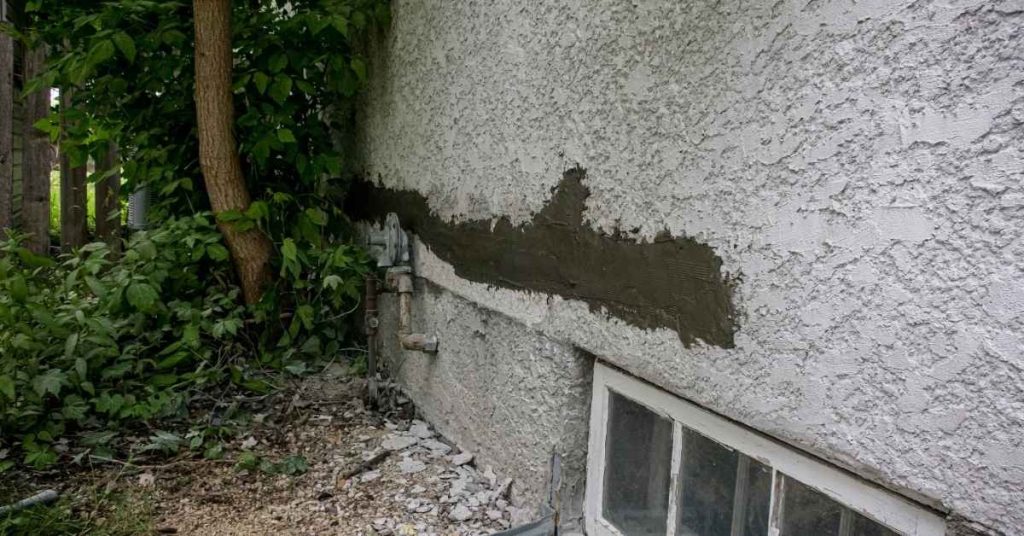
Picture-framing looks like a framed or darkened ring around repaired areas, creating a discolored border that makes patches stand out. Common causes include substrate movement, mix consistency, sealant and mud differences, curing or airflow issues, and surface contamination. Diagnostics focus on moisture presence, temperature differences, and sheen or texture mismatches to separate causes from paint layer differences.
Practical checks include adhesion tests, moisture measurements, and color or texture sampling to judge match and firmness. For repair, feathered-edge patching suits small areas, while larger patches use compatible stucco mixes and careful curing; resurfacing may be more durable or cost-effective in some cases. A quick visual cue and proper edge sealing help prevent future framing, and verify compatibility with finishes such as sand, fog coats, and feathering to ensure a cohesive result.
Common causes of haloing and visible edges
Visible outlines around stucco patches, often referred to as ‘haloing’ or ‘picture-framing’, are typically caused by differences in materials, application, or curing. These discrepancies can result in discoloration, darker rings, or a framed appearance around repairs.
The most common culprits include:
- Differences in sand content or type between the original stucco and the patch material.
- Variations in finish or sheen due to improper mixing, application thickness, or curing conditions.
- Incompatible sealants or mud used for the patch, leading to mismatched textures.
To diagnose the cause, inspect the patch edges under consistent lighting. Compare the sheen, texture, and color of the patch with the surrounding area. If a visible outline is present, consider repatching with compatible materials or resurfacing to minimize future framing.
Assessing Stucco Repair Needs: Patch vs. Recoat
The appropriate repair method for your stucco surface depends on the size, depth, and number of affected areas. Evaluate these factors to decide between spot repair, larger patching, or full resurfacing.
Estimate the total area of visible patches. For one small patch (<1 sq ft) with shallow depth, consider spot repair using feathered-edge patching. This technique blends the patch edges into the surrounding surface for minimal visibility.
For multiple patches or larger areas (>1 sq ft), consider larger patching or full resurfacing to maintain consistency and durability across your stucco surface. To assess depth, use a level or straight edge to measure the gap between the original surface and the patch.
Consult a professional if unsure. They can provide expert advice on cost-effectiveness and long-term durability when deciding between spot repair, larger patching, or full resurfacing.
Preparing the Surface for a Seamless Blend
Assess the existing stucco and substrate to identify damage, moisture issues, and bond-breaking conditions, then clean and prep the surface for a seamless patch. Remove loose, friable material with controlled methods, and follow with thorough cleaning to remove dust, oils, and contaminants. Establish a plan for bonding, texture, feathering, and substrate porosity to support a uniform cure and avoid hard “picture-framing” edges.
A careful prep supports reliable adhesion and a natural blend, with a tested approach to moisture, curing, and finish. Plan a bonding agent or primer suited to the substrate and patch blend, and run a sample area to verify tack, set time, and color match before full application. Stake the process by noting that skipping surface cleaning can lead to poor adhesion and patch failure; perform a quick moisture check, and have an experienced installer assess substrate stability. If moisture levels are high or the substrate is unstable or damaged, address these issues first. If loose stucco was removed too aggressively, switch to a controlled mechanical method to protect the substrate from damage.
Cleaning, removing damaged material, and surface profile
The condition of the existing stucco significantly impacts the success of your patch. Properly preparing the surface ensures a strong bond and seamless blend.
- Loose Stucco: Remove using soft brushes or low-speed grinders to prevent further damage. Tip: Be cautious not to gouge the surface with tools.
- Dust: Thoroughly clean the area to remove dust, oils, and contaminants. Spec: Use a suitable cleaning solution or degreaser for your substrate. Tip: Ensure no residue remains that could hinder adhesion.
- Contaminants: Remove any visible debris or contaminants with soft brushes or vacuums. Tip: A clean surface promotes better adhesion and curing.
- Hard Material: If material is too hard to remove by hand, use a low-speed grinder equipped with a suitable blade. Caution: Avoid creating new visual steps or unevenness.
- Uneven Surface: Use controlled sanding methods to smooth the surface and create a keyed edge. Tip: This helps prevent ‘picture framing’ and promotes better adhesion.
Checking substrate and moisture conditions
The condition of the underlying substrate is crucial for proper adhesion and to prevent future issues. Assess it before proceeding with repairs.
Moisture: Check for excessive dampness using a non-contact moisture meter or visual inspection. Stake: Moisture can compromise adhesion and cause cracking. Fix: Address any moisture issues before patching.
Lath/Mesh Integrity: Inspect the lath/mesh by gently tapping the surface with a hammer, listening for hollow or weak spots. Stake: Damaged lath can lead to poor adhesion and further damage. Fix: Reinforce or repair damaged areas before proceeding.
Substrate Stability: Evaluate the overall stability of the substrate. Pro Tip: If conditions are poor, consult a structural expert for assessment and repairs.
Edge profiling and feathering prep
Shaping the patch perimeter enables a graduated feather effect, preventing hard edges and ‘picture framing’.
Edge Profiling: Gradually reduce the thickness of the stucco at the patch perimeter using controlled sanding. Tip: Create a feathered effect to blend with the existing stucco.
Visual Steps: Use a straight edge to check for levelness and ensure no new steps are created during removal or profiling. Caution: New visual steps can lead to ‘picture framing’.
Flexible Filler: If edge profiling creates new visual issues, use a flexible filler to smooth out imperfections before blending. Tip: This helps create a seamless transition between the patch and existing stucco.
Selecting Materials: Base Coats, Finishes, and Sands
Choosing the right patch mortars starts with separating base coats from finish stucco mixes. Base coats cover bulk fill and structural work, while finish mixes provide color and a skim layer; check labels for recommended ratios and curing guidance. Sand type and gradation influence texture, color, and bonding, so select a sand that matches the existing surface and supports the chosen finish, and note when to use additives or bonding agents.
Understanding the application sequence helps avoid a picture frame edge; plan base, scratch, fog or feather, and final skim with proper feathering. Sand choice matters for texture and color, so assess whether the existing stucco is smooth or rough and choose the gradation accordingly. Quick practical checks include rinsing a small amount of sand to inspect particle shape and re-sanding if needed, while considering cure methods and weather, since working time and moisture affect adhesion.
Choosing compatible base and finish mixes
When selecting patch mortars for your stucco repair, ensure they are compatible with your existing stucco to avoid adhesion or curing issues. Base coats, used for bulk fill and structural work, should have similar binders as your existing stucco. Finish stucco mixes, applied as color-matching skim coats, should also be compatible in terms of pH levels and cure times.
Check the label or datasheet of your patch mortar to ensure it has similar binders, pH levels, and cure times as your existing stucco. If they differ significantly, consider using a bonding agent or primer to improve adhesion.
Incompatible patch mortars may lead to adhesion issues or curing mismatches. To avoid this, inspect the patch after initial application. If it appears different in color or texture, recheck compatibility and make adjustments as needed.
Sand types, grain size, and how they affect appearance
The type of sand used in your patch mortar can significantly impact the visual and tactile appearance of your stucco. Sharp or rounded sands, natural or manufactured, each have unique textures that should match your existing surface.
To achieve a seamless blend, first inspect your existing stucco for its sand type and particle size. Then, select a matching sand for your patch mortar to maintain consistency in texture. Incorrect sand selection can result in visible texture mismatches, so it’s crucial to get this step right.
Compare the texture of your patch with the existing surface. If they differ significantly, re-evaluate your sand selection and consider testing different types or gradations before proceeding with the full repair.
Additives, bonding agents, and colorants
Admixtures and pigmented additives can help match the appearance and adhesion of your patch mortar to your existing stucco. However, incorrect selection may cause adhesion problems or color mismatches. To avoid this, carefully consider which additives are appropriate for your repair.
Before applying any additives, test them on a small area first. Check their compatibility with other materials in your patch mortar by referring to the label or datasheet. If your existing stucco has specific admixtures or pigments, try to match them as closely as possible in your patch.
Inspect the patch after initial application. If it appears different in color or shows signs of poor bonding, recheck your additive selection and make necessary adjustments. Incorrect additives can lead to visible issues, so always test before full application.
Sand Matching Techniques That Actually Work
Identify the exact sand color, particle size, and texture of the existing stucco to match it as closely as possible. Use a sampling protocol to collect representative samples from exterior and interior areas and test blends through sand grading and sieving to mimic the original particle spectrum.
Blending strategies help reproduce color, texture, and microtexture, with attention to consistent grain size and fade lines. Quick checks under different lighting, a pro check of color and texture across areas, and noting batch details help ensure reproducibility; if samples appear inconsistent, collect additional samples from various locations and heights to avoid common mistakes and refine the blend.
Visual, Tactile, and Wet/Dry Comparison Methods
To achieve an accurate match, compare your sample with the existing stucco under various conditions. Start by examining both in natural light to assess color and texture.
Next, wet both samples and observe them again. Stucco appears darker when wet, helping you fine-tune your color match. Also, feel the texture of each sample with dry and wet hands to ensure consistency.
Finally, compare under artificial light in the evening to simulate nighttime conditions. This helps confirm that your sample maintains a consistent appearance throughout the day.
Creating and Testing Small Sample Patches
Begin by making several small test patches (around 2′ x 2′) on an inconspicuous area of the wall. This allows you to experiment with different sand blends without committing to a large, visible patch.
Document each mixture’s ingredients and proportions for future reference. Include product brands, batch numbers, and environmental conditions like temperature and humidity.
Let each patch cure according to the manufacturer’s instructions before evaluating. Compare them side by side with the existing stucco using the comparison methods described earlier.
Once you’ve found a close match, create larger test patches (around 4′ x 4′) to confirm your blend works at a larger scale before proceeding with the final patch.
Adjusting Particle Distribution vs. Pigment Adjustments
Before making color adjustments, first ensure your sand gradation matches the original. Use sieves to measure particle-size distribution and adjust your blend accordingly.
Once you’ve achieved a consistent grain size, then make pigment adjustments using tints or integral colors. Start with small increments (e.g., 1/8 teaspoon per gallon) and increase gradually until you reach the desired shade.
Remember, changing pigments can affect texture, so monitor your sample closely. If necessary, readjust sand gradation to maintain consistency.
Always test pigment adjustments on a small patch before committing to a larger area to ensure they blend seamlessly with the existing finish.
Fog Coats and Misting to Unify Texture and Tone
Fog coats are light, semi-transparent topcoats that help blend texture and tone without a full retexture. They sit over minor texture mismatches or color drift to visually unify patches with the surrounding plaster.
Use fog coats on dry, warm days when the mismatch is subtle rather than large. Mist the surface evenly with a spray bottle and use light feathering to avoid puddling, then move to a second pass only as needed. After curing, check from multiple angles and lighting to ensure a seamless transition; if patch still reads differently, a second light mist may be necessary.
Purpose and Timing of Fog Coat Application
A fog coat is a thin, semi-transparent topcoat designed to even out sheen and tone on your stucco surface. It’s particularly useful for blending minor texture mismatches or subtle color drifts without heavy retexturing.
Timing is crucial for optimal results. Apply the fog coat after the patch has fully cured, typically within 24-72 hours post-installation. Applying too early can lead to poor adhesion and uneven results. Always inspect the surface for any remaining moisture or tackiness before proceeding.
Tip: Verify that the patch is fully cured as per the manufacturer’s instructions. If it feels dry and firm, then proceed with fog coat application.
Mixing and Applying a Fog Coat Safely
Prepare your fog coat mixture to a thin, consistent consistency. It should be thin enough to mist but not so thin that it runs or drips. Inconsistent mixing or application can lead to visible streaks or an uneven sheen.
Use a spray bottle or pump mister for even application. Hold the nozzle approximately 12-18 inches from the surface and apply light, even passes. Avoid puddling by maintaining a consistent micro-texture across patched and existing areas.
Pro Tip: Ensure your fog coat mixture is thin enough to mist but not so thin that it runs or drips. If the consistency is too thick, add water and mix well. Test again. If the consistency is too thin, thicken with an appropriate additive or bonding agent. Test again before application.
When a Fog Coat Will Not Solve the Problem
While fog coats are versatile, they have their limitations. They won’t effectively blend severe texture mismatches or significant particle size discrepancies. Expecting a fog coat to fix these issues can lead to disappointment.
Before applying a fog coat, compare your patch to the surrounding area under different lighting conditions. Inspect the patch for any significant texture or particle size discrepancies. If the texture mismatch is severe, consider retexturing or replacing the patch.
Pro Tip: If particle sizes are significantly different, reevaluate your sand matching technique and try again before applying a fog coat.
Feather Technique: Step-by-Step and Advanced Tips
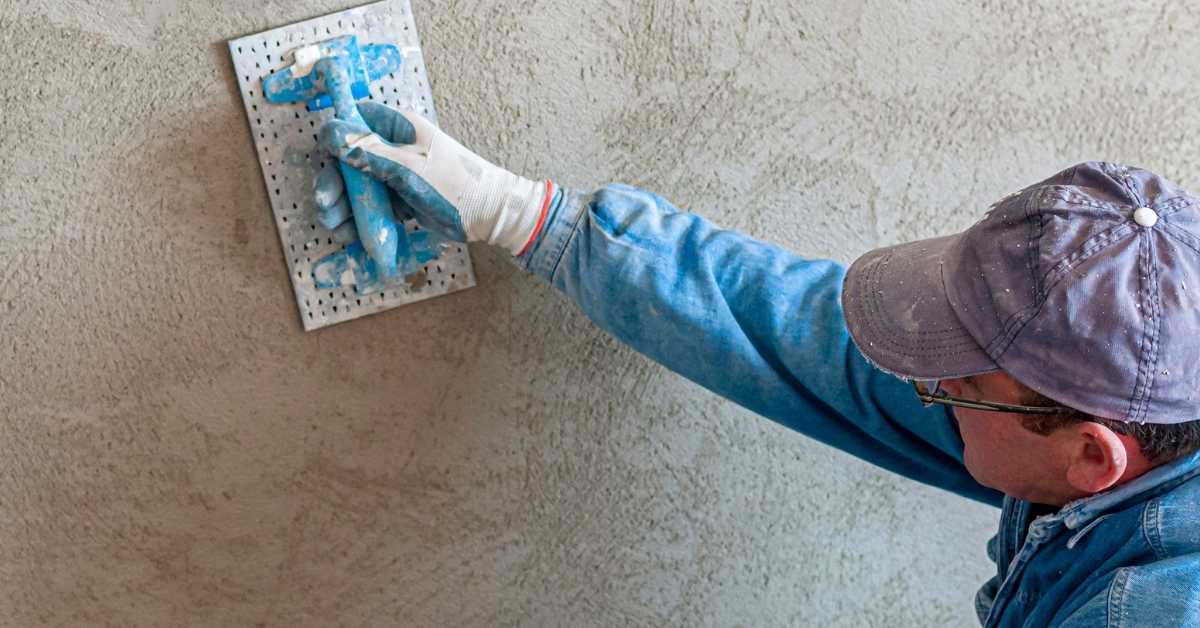
A clear feathering workflow starts with prepping the edges, applying patch material, and smoothing into the substrate with light, continuous strokes. Finish with a feathered taper to minimize abrupt edge transitions while keeping texture consistent across smooth and textured stucco surfaces. The approach adapts to rough cement, lime-rich plaster, and existing stucco, guiding slip, consistency, and feather width to prevent swirl marks.
Near-invisible transitions rely on micro-feathering, light cross-hatching, and multiple thin passes while watching for shrinkage cracks and color uniformity. Practical checks include adhesion tests and field spot matches under varied lighting to confirm a seamless blend. If edge sharpness is too sharp or uneven, lightly sand and vacuum before feathering, and if swirl marks appear, rework with lighter strokes and less material.
Step-by-Step Process
The following steps outline a clear workflow for applying the feather technique to blend stucco patches seamlessly. This process focuses on practical actions for DIY enthusiasts and home improvement projects.
- Preparation: Inspect surface for contaminants or damage, ensure material compatibility and adhesion, and gather necessary tools and safety gear.
- Apply Patch Material: Use a stiff trowel to apply the patch material, working from the center outwards. For rough cement, use more pressure; for lime-rich plaster, thin the material.
- Smooth into Substrate: With light, continuous strokes, smooth the patch material into the substrate using a flexible float or finishing trowel. Ensure consistent texture across both smooth and textured surfaces.
- Feather Taper: Using a flexible trowel with a narrow blade, apply light pressure to create a feathered taper at the edges of the patch. This minimizes abrupt transitions while maintaining texture consistency.
- Final Checks and Cleanup: Inspect the finished patch for any signs of differential set or shrinkage cracks. If necessary, rework or reskim problem areas before allowing the patch to fully cure. Clean tools thoroughly after use.
Basic feathering workflow for small patches
To create a seamless blend between a stucco patch and its substrate, follow this basic feathering workflow. This process focuses on troweling, thinning edges, and smoothing directions to achieve a tapered transition.
Troweling: Begin by applying the patch material with a stiff trowel, working from the center outwards. For small patches, use a narrow-bladed trowel for better control.
Thinning Edges: As you approach the edges of the patch, thin the material using a flexible float or finishing trowel. This helps to create a smooth transition between the patch and substrate.
Smoothing Directions: With light, continuous strokes, smooth the thinned edge material into the substrate. Ensure that you maintain consistent texture across both surfaces by following the natural direction of the existing stucco.
Advanced feathering for coarse or patterned finishes
Replicating complex textures and patterns seamlessly requires a layered application, careful tool selection, and texturing tricks. This advanced feathering technique helps achieve consistent results on coarse or patterned surfaces.
Layered Application: Apply multiple thin passes of patch material to mimic the depth and complexity of existing textures. Allow each layer to partially cure before applying the next to ensure proper adhesion.
Tool Selection: Choose tools with varying stiffness, blade width, and texture to replicate different patterns and finishes. For intricate or varied patterns, use multiple tools to achieve the desired effect.
Texturing Tricks: To mimic existing textures, use cross-hatching techniques with a flexible float or finishing trowel. Work in small sections, following the natural direction of the substrate’s texture. If necessary, use a textured roller or comb to apply additional detail.
Tool selection and trowel angles for best control
The right tools and proper technique are crucial for achieving consistent feathering results with minimal effort. This guide outlines recommended tools, trowel angles, and pressure settings to help you maintain control during the application process.
- Stiff Trowels: Ideal for applying patch material on rough surfaces. Use a stiffer trowel with a wider blade for better control and reduced slippage.
- Flexible Floats/Finishing Trowels: Perfect for smoothing and feathering edges. These tools allow for light, continuous strokes that create a smooth, tapered transition.
- Narrow-bladed Trowels: Suitable for small patches or intricate patterns. Use these tools to apply material with precision and control in tight spaces.
- Textured Rollers/Combs: Optional tools for applying additional detail and mimicking existing textures. Rent or borrow these tools if needed, as they may not be necessary for every project.
Tools, Equipment Checklist, and Visual Checkpoints
Stucco Patching: Tools, Materials, and Process
This guide provides a comprehensive list of tools, materials, and a step-by-step approach for patching stucco to avoid a picture frame effect. It covers essential hand tools such as a margin trowel, finishing trowel, darby or hawk, mixing container, drill with paddle attachment, levels and straight edges, grinder for roughing, brushes for dust removal, and a spray bottle for misting. Additionally, it includes patch materials, bonding agent, compatible sand, fog and finishing coats, release agent, and personal protective equipment (PPE).
This guide emphasizes the importance of surface preparation, application of primer or bonding agent, achieving correct patch mix consistency, and following the proper sequence of scratch, fill, and feather passes with adequate cure time between layers in a protected environment. Regular visual checks help evaluate progress during curing, including edge feathering free of hard lines, color and texture matching surrounding concrete, uniform sheen after curing, absence of cracking or crazing, and fog or finishing coat textured to replicate the existing finish.
It is crucial to confirm patch workability on a non-absorbent surface and prevent the patch from pulling away during cure. If color mismatches appear, re-evaluate bonding agent compatibility or adjust sand and patch material options. Be prepared to rework feathering if a ridge forms; a simple visual check for edge feathering can reveal ridges early.
Proper surface preparation is vital to prevent patch failure. Follow the provided prep, bonding, and cure-time guidance closely to ensure successful stucco patching.
Tools and Materials Required
Gather all necessary tools and materials to ensure a successful DIY stucco patch job.
- Margin Trowel: For applying and spreading the stucco patch. Select a trowel with a width of 4-6 inches, suitable for your specific patch size.
- Finishing Trowel: For smoothing and finishing the surface. Choose a trowel with a width of 12-18 inches, appropriate for your patch size.
- Darby/Hawk: To hold and mix materials. Ensure it is compatible with your chosen trowel sizes.
- Mixing Container: For preparing the stucco patch. Select a container large enough to accommodate your batch size.
- Drill with Paddle: For mixing the stucco patch. Choose a drill with suitable torque and speed for efficient mixing.
- Level: To ensure even application and surface finish. Select a level with an appropriate length for your specific patch size.
- Straight Edge: For scraping off excess material and creating straight lines. Choose a straight edge with a length suitable for your patch size.
- Angle Grinder or Diamond Cup Wheel: For roughing out damaged areas. Select one with a suitable grit and size for your specific application.
- Brushes (stiff and soft): For dust removal and applying release agent. Choose stiff brushes for rough cleaning and soft ones for final touch-ups.
- Spray Bottle: For misting during curing. Select a spray bottle with an adjustable nozzle for fine mist control.
- Stucco Patch Material: For repairing damaged areas. Choose a premixed stucco patch or sanded polymer-modified patch compatible with your existing finish and substrate.
- Bonding Agent: To improve adhesion between old and new surfaces. Select a bonding agent compatible with your chosen patch material and substrate.
- Sand: To adjust the consistency of the stucco patch. Choose sand with a matching grain size to your existing finish.
- Fog Coat and Finishing Coat Options: To unify texture and tone. Select compatible options that match your existing finish and substrate.
- Release Agent: To prevent the final coat from sticking to the trowel. Choose a release agent suitable for your selected finishing coat material.
- Protective PPE (Personal Protective Equipment): For safety during application and curing. Ensure you have gloves, goggles, and a dust mask at minimum.
Visual Checkpoints During Application and Curing
Inspect your patch job regularly to ensure consistent quality and timely issue resolution.
- Edge Feathering: Check for hard lines at the edges of the patch. Acceptable: Soft, gradual transition into surrounding concrete.
- Color Match: Ensure the patch blends with the existing finish. Acceptable: Uniform color throughout the patch and surrounding area.
- Texture Match: Confirm the patch replicates the existing texture. Acceptable: Consistent texture across the entire surface.
- Uniform Sheen: Inspect the sheen after curing. Acceptable: Even sheen throughout the patch and surrounding area.
- Cracking or Surface Crazing: Look for any cracks or crazing on the surface. Unacceptable: Any visible cracking or crazing.
- Fog Coat/Final Coat Texture: Check the texture of the fog coat or final coat. Acceptable: Matches existing finish and replicates surrounding texture.
- Wet/Dry Comparison: Compare the patch with surrounding area in both wet and dry states. Acceptable: Consistent appearance in both conditions.
- Tactile Inspection: Feel the surface for any inconsistencies. Acceptable: Smooth, even texture throughout.
Quick rule: Regular inspection helps maintain consistent patch quality and allows timely issue resolution.
PPE, Scaffolding, and Safe Site Setup
Ensure a safe work environment before starting your stucco patch job.
- Protective Clothing: Wear long sleeves, long pants, and closed-toe shoes. Acceptable: Clothing that covers skin and protects from debris.
- Gloves: Use to protect hands from chemicals and sharp edges. Acceptable: Durable gloves suitable for the task.
- Eye Protection: Wear safety glasses or goggles to protect eyes from debris. Acceptable: ANSI Z87.1 certified eye protection.
- Respirator/Dust Mask: Use to protect against dust and fumes. Acceptable: NIOSH certified respirator or dust mask.
- Head Protection: Wear a hard hat if working at height or in areas with falling debris. Acceptable: ANSI Z89.1 compliant hard hat.
- Scaffolding/Harness: Use appropriate fall protection measures when working at height. Acceptable: OSHA-compliant scaffolding or harness system.
- Secure Work Area: Ensure the work area is stable and free from trip hazards. Unacceptable: Unstable surfaces, tripping hazards, or other safety concerns.
- Proper Lighting: Ensure adequate lighting for safe work. Acceptable: Sufficient natural light or artificial lighting as needed.
Quick rule: Address any safety concerns immediately to maintain a safe work environment.
Troubleshooting, Durability, Cost Guidance, and Safety
Stucco Patching: Common Issues and Long-Term Care
Stucco patch failures can manifest as color mismatch, picture framing, feathering issues, cracking, or efflorescence. These problems often stem from moisture intrusion, improper feather weight, substrate movement, or inadequate curing conditions.
To diagnose stucco patch failures, assess the following:
- Substrate integrity: Inspect for cracks, holes, or other damage.
- Moisture and humidity: Check for dampness or excessive moisture. If the surface feels cold or damp, wait until it dries before patching to prevent efflorescence or cracking.
- Temperature during application and curing: Ensure optimal conditions for both processes.
- Bonding of the patch to surrounding stucco: Inspect for any signs of delamination.
If picture framing occurs, lightly sand the edges followed by applying a fog coat to blend them and minimize future visibility.
For long-term protection and safe maintenance:
- Budget for materials, tools, and potential professional help. Regularly inspect your stucco for signs of wear or damage.
- Re-patch intervals depend on the specific conditions of your stucco and local climate. Inspect regularly to determine when re-patching is necessary.
- Protect patches from UV rays and weathering by using breathable coatings. Reinforce unstable substrates as needed to prevent movement-related damage.
Common problems and how to fix them
Stucco patch blends can face various issues that affect their appearance and durability. Regular visual inspections during application and curing, using visual checkpoints, help identify these problems early.
Cracks or debonding may occur due to moisture intrusion, improper feather weight, substrate movement, or inadequate curing conditions. To fix:
- Re-apply the feather technique with proper bonding.
- Consider applying a thin skim coat for better adhesion.
Shrink haloing, where the patch pulls away from the surrounding stucco, can be addressed by adjusting the feather weight and application technique. Ensure proper curing conditions to prevent this issue.
Longevity, maintenance, and environmental impacts
The long-term durability of stucco patch blends depends on several factors. Regular inspections after heavy rain or freeze-thaw cycles help maintain their appearance and prevent environmental harm.
Signs of wear, efflorescence, or UV damage can indicate the need for maintenance. To preserve your patch:
- Apply a breathable coating or sealant to protect against moisture intrusion.
- Address any underlying moisture issues promptly.
- Protect patches from direct sunlight using UV-resistant materials or coatings.
Regular maintenance and proper sealing extend the longevity of your patch. Minimize environmental impact by following best practices for material disposal and waste reduction.
Budget planning, cost factors, and safety precautions
When planning a stucco patch project, consider both material and labor costs. Evaluate DIY vs. pro work scenarios based on complexity and risk to ensure safety.
For complex or high-risk scenarios, it’s recommended to hire professional stucco repair services. If you choose the DIY approach:
- Follow a phased approach to reduce downtime.
- Prioritize safety measures, including proper use of PPE, ladders/scaffolding, silica dust handling, and ventilation.
Budget for contingencies and follow safety and environmental best practices. Minimize risks by hiring professionals when appropriate.
Conclusion
Properly patched stucco blends depend on careful surface prep, accurate material selection, and patient, controlled application. With the right approach, you preserve durability and achieve a seamless look that avoids the telltale picture frame and costly callbacks.
First, clean the area, assess the existing coat and underlying substrate, and verify you have compatible base coats, finishes, and sands. Plan your steps in a practical flow: match the texture with a sample or scrap, test fog coats and feathering on a hidden area, apply in light layers, allow curing between passes, and finish with a gentle mist to unify tone before the final set. Work methodically, and prioritize safety and testing before committing to the visible surface.
Common mistakes to avoid include skipping cleaning or moisture testing, using the wrong or inconsistent sand grain, and rushing the feather or fog coat, which can create visible halos or bond failures. Always wear eye protection and a dust mask, mix materials strictly to manufacturer guidance, and allow adequate curing time between coats. If you’re unsure about substrate compatibility, test a small area first and stop if the patch shows unexpected adhesion or cracking.
If conditions or patch size push past your comfort zone, or the substrate shows signs of movement or persistent cracking, consider consulting a professional. Timely help often prevents further damage and saves longer-term costs. With calm, measured steps, you can finish with confidence and a durable, indistinguishable blend.
FAQ
What are effective stucco patching techniques to minimize texture mismatch?
Use a patch technique that mirrors the existing wall texture and established skin of the surface. Match the depth and thickness of the patch to the surrounding area and work in thin passes to avoid noticeable ridges.
Check the patch material instructions for recommended application methods, set times, and any required curing conditions. If unsure, test on a small, inconspicuous area first and adjust based on visual and tactile cues.
How can you match sand texture and color when blending a patch?
Choose sand that resembles the existing mix and apply in a controlled, even distribution. Use the feather and stipple methods to blend edges and avoid hard lines.
Reference product labels or manufacturer guidelines for sand particle size and additives, and consider a small test blend before full application to fine-tune color and texture.
What is fog coat technique and how to apply for a seamless finish?
A fog coat is a very thin, surface-level coat used to unify texture and color. Apply with a light spray or a barely-thick skim coat and let it set according to product directions.
If you cannot access fog coat materials, consult the label for compatible emulsions or finishes and follow recommended dilution and application guidelines. Use multiple light passes rather than a single heavy coat.
How to use feathering to hide repairs and what surface prep is needed?
Feathering gradually reduces the patch thickness into the surrounding texture. Build up the patch slightly, then taper the edges with wide, smooth passes to blend the transition.
Prepare the surface by cleaning, drying, and ensuring adhesion with a compatible bonding agent if required. Always follow the material instructions and local guidance for curing times and conditions.