
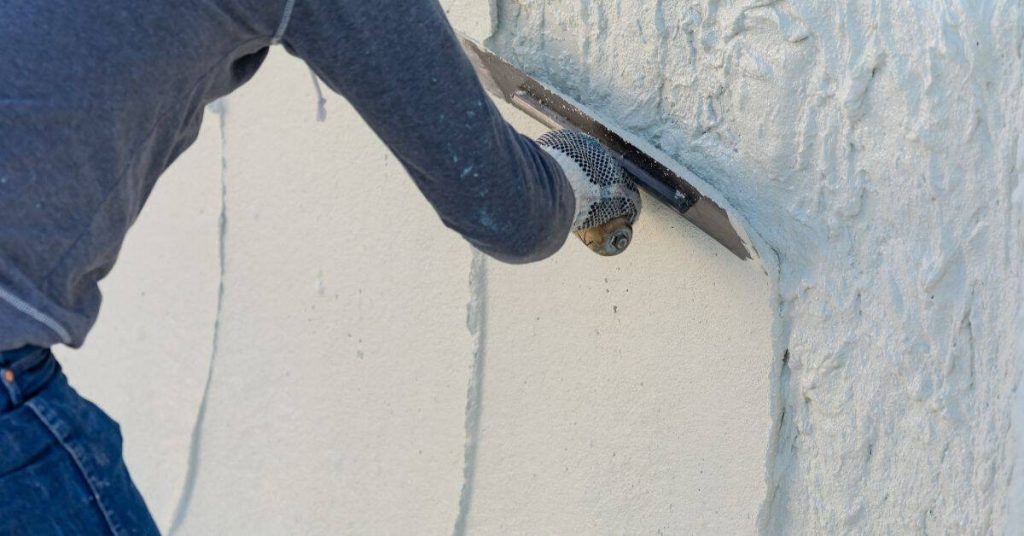
Introduction
This article explains how to stucco around gas meters with proper clearances, mounting, and leak-safe sealing.
Work must follow safety rules and local codes, and you should verify with the meter installer and building department.
Use this as a practical, hands-on guide rather than a theory manual.
You’ll learn how to plan the stucco approach to avoid obstructing access and meters.
We’ll cover mounting considerations, how to seal joints without creating leaks, and what to check for code compliance.
Always check product labels and manufacturer instructions for any specifics and consult local rules if you’re unsure.
Key takeaways
- Verify local safety clearances and permit requirements before stuccoing near gas meters.
- Mount meters to a stable blocking system integrated with the stucco wall.
- Seal gaps with gas-rated sealant and breathable mesh to prevent leaks.
- Use code-compliant mounting hardware and follow manufacturer instructions for support.
- Plan for access, maintenance, and future repairs during initial installation.
- Inspect regularly for corrosion, loose fittings, and moisture behind stucco.
Table of Contents
- Introduction
- Key takeaways
- Safety Requirements and Clearances for Stucco Near Gas Meters
- Proper Mounting and Structural Support for Meters on Stuccoed Walls
- Leak-Safe Sealing Methods and Material Choices
- Step-by-Step Installation and Finishing Workflow
- Tools and Materials Checklist
- Accessibility, Maintenance Planning, and Preventing Future Problems
- Common Mistakes, Troubleshooting, and Cost Implications
- Emergency Response and Post-Leak Repairs
- Conclusion
- FAQ
Safety Requirements and Clearances for Stucco Near Gas Meters
Safety priorities must guide every decision when stucco meets gas meters. Protect meters from accidental impact, keep ventilation pathways clear, and ensure access for rapid shut-off in emergencies. These priorities help prevent damage and maintain safe operation.
Always verify numeric clearances against current codes and the local gas utility’s requirements. Do not rely on outdated or non-specific guidelines. Document plan reviews and on-site checks to confirm clearances and ventilation are maintained throughout construction.
Typical clearance ranges and what to verify
Safety around gas meters starts with clearances. Here’s a starting point, but always check local codes and your gas company for exact minimums.
Horizontal: Aim for 12-18 inches between the meter and any structure. This protects from impact damage.
Vertical: Keep at least 36 inches above the meter clear of obstructions to preserve ventilation pathways.
Front access: Ensure a clear path of 42-48 inches in front of the meter for rapid shut-off and emergency response.
Venting, combustion air, and enclosure considerations
Stucco enclosures can affect ventilation paths. Ensure your design maintains adequate combustion air for the appliances.
For enclosed spaces, consider installing louvers or openings to maintain proper airflow. Check with your gas company for specific requirements.
Never block or reduce the size of existing vents. This could lead to dangerous carbon monoxide buildup.
Always consult local codes and your gas company to ensure compliance with venting and combustion air standards.
Fire separation, seismic and structural safety notes
Some jurisdictions require fireblocking around gas meters. Check local codes to see if this applies to your project.
Seismic activity can be a concern in certain areas. Ensure your design includes proper fasteners and anchorage to resist movement.
Confirm minimum separation from combustible finishes with your local building department. This could affect the type of stucco or other materials you use near the meter.
Always consult with a professional if you’re unsure about any safety requirements for your specific project.
Proper Mounting and Structural Support for Meters on Stuccoed Walls
Back backing and blocking behind stucco are critical for supporting meter piping and meter sets. Use suitable materials that create a continuous load path to the structural framing. Ensure support details are compatible with the wall and finish system.
Choose mounting hardware that resists stucco movement and corrosion. Specify fasteners, sealants, and vibration considerations that meet code and safety guidelines, including required clearances around meter components. Plan temporary bracing during stucco application to keep meters secure.
Backing, anchors, and through-wall support methods
Before you stucco, ensure your gas meter has solid backing to prevent stress on piping. This keeps your meter stable and safe.
Solid Backer Boards: Use 1/2″ or 5/8″ plywood or OSB for backing. They should span across studs and be securely fastened with corrosion-resistant screws.
Structural Anchors: For masonry reveals, use structural anchors to secure a metal plate (strike plate) behind the meter. This distributes loads evenly and prevents stress on piping.
Meter boxes, pedestals, and protective barriers
For added protection, use a meter box or pedestal. They keep your meter off the wall, allowing stucco to flow freely behind.
Meter Boxes: Use when meters are set back from the wall. Ensure they’re securely fastened and vented according to code.
Pedestals: For meters flush with the wall, use pedestals. They should be level, plumb, and securely anchored to prevent movement during stucco application.
Visual checkpoints for secure mounting
Before finishing: Check your meter’s mounting with this quick checklist. It ensures safety and prevents costly repairs later.
- Rigidity: Gently push the meter. It should feel solid, not wobbly.
- Pipe Strain: Look for any bends or kinks in piping. They indicate stress and potential leaks.
- Clearance Preserved: Ensure there’s enough space around the meter for service access and venting.
- Corrosion Protection: Check fasteners and hardware. They should be corrosion-resistant or protected with a suitable sealant.
- Plumbing/Gas Lines: Verify they maintain proper slope and support, preventing backflow or leaks.
- Stucco Joints: Ensure they’re properly waterproofed to prevent moisture intrusion.
- Flashing Details: Check around penetrations. Flashing should be intact and sealed to prevent leaks.
- Cracking: Look for any cracks in the backing or stucco that could affect seals.
Quick rule: If anything’s amiss, fix it before finishing. It’s cheaper now than later.
Leak-Safe Sealing Methods and Material Choices
Define sealing objectives that prevent water intrusion, avoid gas trapping, and stay compatible with gas codes. Ensure the sealants and membranes allow for safe leak detection access. Plan a continuous, drainage-friendly seal around penetrations.
Select non-corrosive, code-compliant materials compatible with concrete, stucco, and metal components. Use appropriate flashing, backer rods, and corrosion-resistant fasteners to support a reliable seal and easy future maintenance.
Sealant and flashing types that are appropriate
The first step in leak-safe sealing is choosing the right materials. You’ll want breathable flashing and sealants rated for exterior use, compatible with both stucco and gas piping.
Flashing: Opt for corrosion-resistant metals like aluminum or galvanized steel. Avoid copper as it can react with some pipe coatings. Ensure it’s designed to allow moisture egress while blocking bulk water.
Sealants: Prefer elastomeric or silicone caulks. They’re flexible, weather-resistant, and non-corrosive. Check manufacturer approvals for gas piping compatibility.
EIFS, stucco weeps, and cavity management
If you’re using an Exterior Insulation and Finish System (EIFS) or multi-layer wall systems like stucco over foam, proper cavity management is crucial. These systems need designed-in weep paths or inspection openings to prevent gas and moisture trapping.
Stucco weeps are small holes drilled into the bottom of the stucco layer. They allow any trapped water or gas to escape. In EIFS, ensure there’s a drainage plane behind the foam and that it’s properly integrated with the weep system.
Inspection openings: These are small access points built into the wall system. They allow for periodic inspections to check for leaks or trapped moisture. Make sure they’re accessible but protected from the elements.
Material specs and standards explained
Choosing the right materials is key to a successful, leak-safe seal around your gas meter. Here are some important product attributes to consider:
- UV/Weather Resistance: Look for products rated for exterior use with good UV resistance. This ensures they won’t degrade or crack over time.
- Adhesion to Stucco Substrates: Ensure the sealant can bond well with your stucco surface. Check manufacturer data sheets for adhesion ratings.
- Non-Reactivity with Pipe Coatings: Some pipe coatings can react with certain sealants, causing discoloration or weakening of the bond. Consult with your gas utility and check product compatibility.
- Flexibility: Choose materials that remain flexible over time. This helps prevent cracking due to minor substrate movement.
- Corrosion Resistance: For fasteners, prefer stainless steel or galvanized options. They won’t corrode over time, ensuring a lasting seal.
Step-by-Step Installation and Finishing Workflow
Outline a logical sequence from planning through handover to the gas company. Include required permits, utility coordination, and clearances checklists. Establish a documented workflow to keep everyone aligned.
Follow a consistent mounting, sealing, and stucco application sequence. Include weather considerations, curing, and interim inspections to catch issues early. Keep the gas meter accessible for readings and inspections throughout the process.
Step-by-Step Installation Process
The following is a clear, numbered sequence of practical steps for the step-by-step installation and finishing workflow. It starts from preparation and safety checks, then does the main work, and finishes with cleanup or final checks.
- Preparation: Ensure all tools, materials, and permits are ready. Check weather conditions and ensure they’re suitable for stucco application.
- Safety Checks: Locate and mark out underground utilities. Confirm clearances around the gas meter and follow safety guidelines mentioned earlier in the article.
- Mounting: Install brackets or supports as per building codes. Ensure surfaces are clean, dry, and corrosion-resistant.
- Sealing: Apply sealants, flashing, and barrier tapes following gas company requirements. Perform a leak test after any penetrations or fittings.
- Stucco Application: Apply scratch coat, brown coat, and finish coat or EIFS if applicable. Embed mesh where required and consider control joints and thermal expansion near meters.
- Curing: Allow proper curing time as per manufacturer’s instructions. Protect the stucco from moisture intrusion during this period.
- Final Checks: Inspect for any leaks, cracks, or accessibility issues. Ensure clearances are maintained around the gas meter.
- Handover: Notify and coordinate with the gas company for approval before they reconnect the service.
Pre-install checklist (permits, utility mark-outs, tools)
Use this checklist before starting any work to ensure you’re prepared and have all necessary approvals.
- Permits: Confirm you have the required permits for stucco installation in your area. Check with local building departments.
- Utility Locates: Contact your local utility companies to mark out any underground lines before digging or drilling.
- Gas Company Instructions: Obtain and understand the gas company’s guidelines for installing stucco around their meters.
- Tools: Gather all necessary tools such as trowels, tape measure, level, safety glasses, etc.
- Materials: Ensure you have enough materials like stucco mix, sealants, flashing, brackets, and supports.
- Clearances: Verify clearances around the gas meter are adequate as per building codes and gas company requirements.
- Accessibility: Confirm that the meter is easily accessible for maintenance and reading.
- Weather Check: Ensure weather conditions are suitable for stucco application. Avoid extreme temperatures or high humidity.
Quick rule: Always double-check your measurements to avoid mistakes during installation.
Mounting, penetrations, and temporary protections
Properly installing supports and creating penetrations ensure a secure and safe stucco application around gas meters.
First, install brackets or supports following building codes. Ensure they’re securely attached to the wall and can bear the weight of the meter and stucco.
Next, create properly sized penetrations for piping. Use the correct size hole saws or drills to avoid damaging pipes or creating unnecessary gaps.
Temporarily protect piping during stucco application using plastic sheeting or cardboard. This prevents stucco from entering and clogging pipes.
Quick tip: Always maintain clearances around the gas meter as per safety guidelines to avoid fire hazards or damage to the meter.
Finishing, curing, and final inspection steps
After applying stucco, follow these steps to ensure a durable, long-lasting finish around your gas meter.
- Curing: Allow the stucco to cure for the recommended time as per manufacturer’s instructions. This usually ranges from 24 to 72 hours.
- Sealants: Restore any sealants that were removed or disturbed during installation. Ensure they’re properly applied and sealed.
- Final Inspection: Conduct a thorough inspection for any cracks, leaks, or accessibility issues. Check clearances around the gas meter to ensure they’re maintained.
- Gas Company Approval: Notify your gas company for an inspection before they reconnect the service. They’ll check for any leaks or safety hazards.
- Cleanup: Remove all temporary protections and clean up the work area. Ensure no debris is left around the gas meter that could pose a safety hazard.
Quick rule: Always follow manufacturer’s instructions for curing times to avoid premature cracking or damage to your stucco finish.

Tools and Materials Checklist
List essential tools and PPE, focusing on safe, appropriate gear for working around gas meters. Include basic masonry tools, trowels, a caulking gun, and protective equipment. Ensure tools are suitable for the job and environment.
Cover sealants, flashing, backer material, and corrosion-resistant fasteners. Include items that help maintain meter access and meet code clearances. Plan for documentation photos and a post-seal test method.
Safety and Diagnostic Tools
Before you start working around your gas meter, ensure you have the right tools to keep yourself safe and diagnose any issues.
- Gas Leak Detector: Essential for checking leaks before and after work. Use it regularly.
- Soapy-Water Kit: Simple yet effective for finding leaks by bubbling up at the source.
- Pipe Wrenches: For securing or loosening gas lines if necessary. Be gentle to avoid damage.
- Torque Tools: To ensure fasteners are tightened correctly, preventing leaks and damage.
- Personal Protective Equipment (PPE): Safety glasses, gloves, and a respirator for mixing sealants.
- Inspection Mirrors: Helpful for checking hard-to-see areas around the meter.
- Tape Measure: To ensure clearances are met and nothing is obstructed.
- Level: For ensuring your work is straight and won’t interfere with meter access.
Quick rule: Always prioritize safety. Use these tools to check, double-check, and ensure everything’s secure before you start working.
Sealants, Flashings, and Backing Materials
Choose the right sealants, flashings, and backing materials to protect your gas meter from moisture and ensure a durable finish.
- Exterior-Grade Elastomeric Sealant: Gas-rated or approved, flexible to accommodate movement. Use for sealing around the meter.
- Corrosion-Resistant Flashing: Non-combustible, designed to divert water away from the meter area. Install at the base of the stucco wall.
- Non-Combustible Backing: Use behind your stucco finish to protect the gas meter and lines from heat and flames.
- Backer Rod: Flexible foam used with sealants to create a proper seal and prevent water intrusion.
- Mesh or Fabric Veneer Tapes: Apply over sealant joints to reinforce and protect against cracking or peeling.
- Drip Edge Flashing: Installed at the top of the flashing to direct water away from the meter area.
- Weep Screed: Allows moisture to escape from behind the stucco finish, preventing water buildup.
- Stucco Weeps: Incorporated into the stucco mix or installed separately to facilitate proper drainage.
Quick rule: Always verify manufacturer suitability for gas meter applications. Better safe than sorry!
Accessibility, Maintenance Planning, and Preventing Future Problems
Preserve a clear, unobstructed path to the gas meter for routine service and emergency access. Ensure stucco details don’t impede venting or shut-off locations. Plan for long-term accessibility from the start.
Incorporate removable panels or low-profile access features and non-corrosive hardware. Develop a maintenance checklist focused on moisture, cracking, and sealant performance to extend service life.
Removable panels, inspection openings, and labels
Use this checklist when planning your stucco design to ensure easy access for routine meter servicing.
- Access Panels: Include removable or low-profile access panels in your design. They should be large enough for a technician to perform basic maintenance tasks.
- Inspection Openings: Consider neatly detailed openings that allow visual inspection of the meter and its connections without requiring panel removal.
- Labeling: Clearly label the meter location, gas line paths, and any access panels. This helps technicians quickly locate and service the meter.
- Clearance from Exterior Features: Ensure there’s no obstruction within 10 feet of the meter, as per NFPA 54 standards. This includes plants, fences, or other structures that could hinder emergency access.
- Control Joints: Strategically place control joints around the meter area to accommodate movement and prevent cracking.
- Hardware Selection: Use non-corrosive hardware for any access panels. This ensures they can be removed and replaced easily during future maintenance.
- Predetermined Cut Lines: Design with predetermined cut lines to minimize damage when repairs are needed.
- Documentation: Include a simple plan for temporary access during repairs or meter work, such as a diagram showing where to cut and how to remove panels.
Quick rule: The key is to make future servicing as easy as possible. Plan your stucco details with maintenance in mind.
Routine inspection and maintenance schedule
Use this checklist to establish a regular maintenance routine for your gas meter area.
- Annual Inspection: Conduct an annual visual inspection of the meter, its connections, and the surrounding stucco. Check for signs of moisture intrusion, cracking, or other damage.
- Sealant Check: Every two years, inspect the sealants around the meter and any penetrations. Look for signs of degradation or failure.
- Corrosion Check: Inspect fittings and hardware for signs of corrosion. This can compromise the integrity of your system over time.
- Utility Coordination: Coordinate with your gas utility to schedule regular inspections of their equipment. They may have specific requirements or schedules you should follow.
- Record Keeping: Document all findings from your inspections and any maintenance work performed. This helps track the history of your system and can aid in future troubleshooting.
- Re-sealing Timelines: Establish a timeline for re-sealing based on your inspection findings. This could be every 5-10 years, depending on your climate and other factors.
- Emergency Repairs: Know how to temporarily secure the area if an emergency repair is needed. This might involve turning off the gas supply and using temporary barriers.
Quick rule: Regular maintenance is key to preventing future problems. Establish a schedule and stick to it.
Common Mistakes, Troubleshooting, and Cost Implications
Identify frequent errors such as burying vents, compressing piping, or using incompatible sealants. Explain how each mistake can affect safety and service reliability. Use this to guide proactive checks.
Provide practical troubleshooting steps, including verifying clearances and testing for leaks. Discuss cost implications of mistakes and when to seek professional help. Include a quick reference checklist for homeowners.
How to recognize signs of leaks or improper installation
Leaks around gas meters can be dangerous. Know the signs:
- Smell: Natural gas has a distinct odor. If you smell it, act fast.
- Sound: Hissing or whistling noises could indicate a leak.
- Visual: Cracked or damaged stucco, bubbles in the finish, or moisture around the meter might signal problems.
If you notice any of these signs, do not use any open flames. Evacuate the area and call your gas utility immediately.
Typical repair options and cost drivers to expect
Repair costs vary. Here’s what drives them:
- Stucco removal: Partial or complete removal can add labor and material costs.
- New backing or meter relocation: These require additional materials, labor, and may need permits.
- Permitting and inspection: These processes have associated fees.
Get multiple quotes from professionals. Contact your gas utility for cost estimates on repairs that affect their equipment.
Emergency Response and Post-Leak Repairs
Outline how to recognize a gas leak, establish a safe exclusion zone, and evacuate occupants. Do not use electronics or open flames during a suspected leak. Prioritize personal safety above all else.
Define a clear notification protocol and documentation plan for remediation. Include steps for securing the area, contacting the utility, and recording responders and times for permits and repairs.
Immediate actions when a leak is suspected
If you suspect a gas leak, act fast and safely. Here’s what to do:
Evacuate immediately. Get everyone out of the area. Do not use any electronics or open flames as they can cause sparks.
If it’s safe to do so, turn off the gas at the meter. If you’re unsure, don’t risk it – leave it for trained personnel.
Once outside and at a safe distance, call your gas company’s emergency line. They’ll guide you through next steps. Also, alert local authorities if there’s any immediate danger.
Repair workflow after a confirmed leak
After the gas company confirms a leak, follow this repair sequence:
The gas company will perform a lockout/inspection. They’ll ensure it’s safe for repairs to begin.
A qualified technician will then make the necessary repairs. This could involve replacing sections of pipe or fittings.
After repairs, they’ll conduct a pressure test to ensure there are no further leaks. Once passed, they’ll reseal and you can proceed with stucco repair work. Finally, have the area reinspected and document everything for future reference.
Conclusion
Safe, durable stucco work around gas meters protects your home and saves money by preventing leaks and damage from the elements. Focus on solid clearances, proper mounting, and leak-safe sealing, then finish with a careful, tested workflow so you don’t have to redo work later.
First, check clearances and access to the gas meter, confirm the mounting is solid and the wall behind is capable of supporting the meter, choose sealants and flashing that are compatible with stucco and gas equipment, follow the step-by-step workflow from prep to finish, test for leaks in a small area before full scale work, keep your tools and materials organized, ensure the area remains accessible for future inspection, and plan maintenance so small issues don’t become big problems.
Common mistakes to avoid are burying or blocking the meter with stucco or trim, sealing over vents or relief openings, using the wrong sealant or flashing, and skipping leak testing or final checks. Safety rules are simple: verify the gas shut-off and meter clearance before you touch anything, never seal around vents or access points, and test in a low-stakes spot before advancing. If you’re unsure about clearances, mounting strength, or leak risks, stop and re-check the details rather than guessing.
If the situation involves uncertain clearances, damaged hardware, signs of leaks, or local codes that require licensed work, call a professional. When in doubt, err on the side of professional assessment. Stay disciplined, stay safe, and you’ll keep the system durable and leak-free.
FAQ
What safety clearances should I respect when stuccoing near a gas meter?
Keep the gas meter and valves accessible and free of obstructions. Check the meter label, the manufacturer’s install instructions, and local rules for any minimum clearance around the meter. If in doubt, ask the utility or a licensed pro before proceeding.
How should I mount a gas meter on a stucco wall to stay safe and compliant?
Mounting must support the unit securely and keep it from stressing the piping or stucco. Follow the meter’s mounting instructions and use appropriate framing or anchors. If you’re unsure about load or anchor type, consult the manufacturer guidance or a licensed contractor.
What are reliable leak-safe sealing techniques around the meter area?
Seal only where allowed by the equipment and use non-corrosive sealants specified by the manufacturer or local rules. Avoid over-tightening or sealing access points that must stay ventilated. Always verify with product labels and local guidance before applying anything.
Do I need to check for any specific inspection or compliance steps?
Yes. Look for required inspections or approvals that apply to exterior stucco work near gas services. Use the project paperwork, inspector checklists, and local codes as your guide. If something isn’t clear, call the utility or building department for confirmation.