
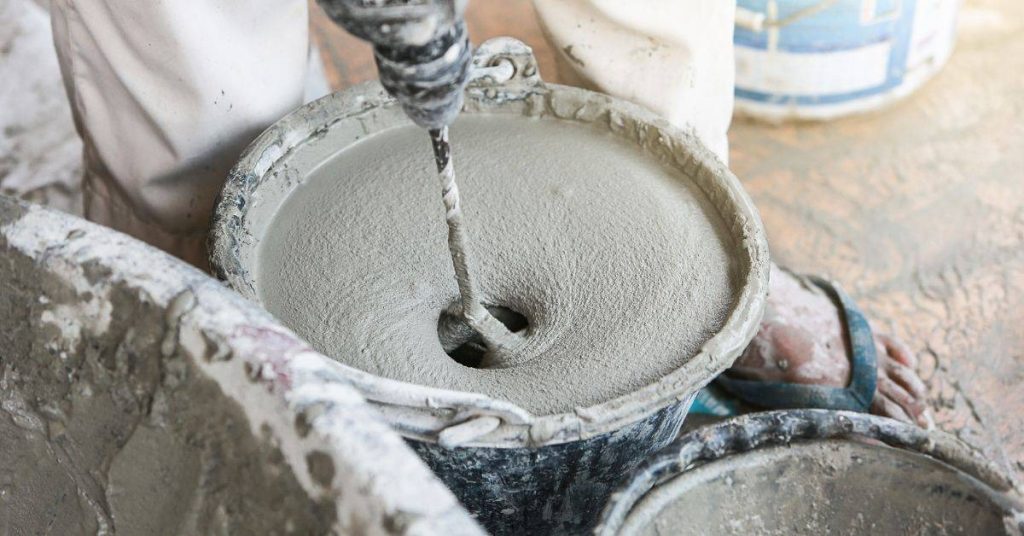
Introduction
Small-batch mixing means measuring everything in tiny, consistent portions so ratios stay true when you mix in buckets with a cheap scale. Keep it simple: use one bucket per component, tare the scale, and double-check labels before you start. Plan a batch size you can manage, and write down your target ratios in plain language so you don’t guess later.
This hands-on approach helps you test glaze ideas without wasting material, and it makes adjustments easier to track. If you’re mixing glazes from scratch, start with small test batches and note how thick or thin the mix becomes, then adjust with patience and a clear eye for consistency. Always check product labels or manufacturer instructions for mix directions and safety notes before proceeding.
Key takeaways
- Label every batch and scale, comparing target ratios to actual measurements.
- Use a cheap scale and clear buckets to maintain consistent glaze viscosity.
- Record batch weights, ingredients, and test results for future glaze testing.
- Check safety: wear gloves when handling oxides and rinse spills promptly.
- Adjust glaze consistency gradually, documenting how thins or thickens affect results.
- Test tiles after each adjustment to ensure scaling translates beyond small batches.
Table of Contents
- Introduction
- Key takeaways
- Why Small-Batch Mixing Matters for Potters
- Tools and Materials Checklist
- Measuring and Keeping Ratios Honest
- Step-by-Step Small-Batch Mixing Workflow
- Test Tiles, Sampling, and Scaling Results up
- Reducing Waste and Controlling Costs
- Common Mistakes and How to Avoid Them
- Safety, Cleanup, and Keeping Good Records
- Conclusion
- FAQ
Why Small-Batch Mixing Matters for Potters
Small batches help you spot how each component behaves without committing to a large run. You can see how glaze or body changes react to slight tweaks and keep waste to a minimum. The approach supports a steady rhythm of testing and learning within your studio workflow.
Use small batches when you’re testing new recipes, troubleshooting a formulation, or dialing in color and clarity before scaling up. Set up a simple workflow with a few sturdy buckets, a budget-friendly scale, clean stir sticks, and clear labels. Keep a consistent mixing sequence and document what you learn for repeatable results.
When to choose small-batch vs large-batch
Small-batch mixing isn’t always the right choice. It’s best when you’re experimenting or fine-tuning your glazes.
Large batches are better for consistent, high-volume production. They’re cheaper per unit but wasteful if a batch goes wrong.
Consider these factors: production volume, how much you need to experiment, glaze shelf life, and the cost trade-offs.
If you’re making small runs, testing new glazes, or tweaking recipes, go small. It’s less wasteful and lets you iterate faster.
How small batches improve glaze development
Small-batch mixing speeds up your learning curve. You can test more glazes, more often, with less waste.
Each small batch is like a quick experiment. You’re gathering data to refine your recipes. It’s like taking tiny steps forward instead of big leaps that might lead you astray.
With small batches, you can afford to make mistakes. If a glaze doesn’t work out, it’s no big loss. Just learn from it and move on to the next test.
This frequent testing lets you accelerate your learning. You’re constantly improving your glazes, making them more consistent and predictable.
Tools and Materials Checklist
Focus on core, affordable tools that stand up to repeated use: sturdy buckets, basic mixing paddles, a long-handled mixer or drill attachment, and a reliable scale with a straightforward tare function. Check each bucket for cracks and ensure the scale display is readable and easy to use.
For handling and workflow, include dry-mix tools, a dedicated mixing paddle, a fine-mesh sieve, and labels for tracking. Add PPE, a sealable container for leftovers, and a simple worktable setup that’s easy to clean. Before buying, verify quality, compatibility, and any manufacturer recommendations in your notes.
Choosing the right scale
Before you start mixing concrete, make sure your scale is up to the task. Use this checklist to choose a suitable scale for your project.
- Check capacity: Ensure it can handle your typical batch size. For example, if you’re mixing 80 lbs of cement, you’ll need a scale that can go up to at least 100 lbs (accounting for aggregates and water).
- Verify readability: The scale should allow you to measure small additions precisely. For fine-tuning your mix, you might need to read as little as 0.5 lb.
- Check display size: Ensure the display is large and easy to read, especially if you’re working in bright sunlight or wearing gloves.
- Test accuracy: Before use, place a known weight on the scale to ensure it’s accurate. Most scales should be within 2% of the actual weight.
- Check stability: The scale should have stable feet or a flat base to prevent tipping when heavy bags are placed on it.
- Verify units: Ensure the scale displays in pounds (lb) if that’s your preferred unit of measurement.
- Check portability: If you’re moving the scale around, ensure it has a handle or is lightweight enough for easy transport.
- Inspect condition: Check for any damage or wear that could affect its performance. Skip this step at your peril; a faulty scale can lead to inaccurate mixes and wasted materials.
Quick rule: Always choose a scale with a capacity at least 20% higher than your largest batch size to account for any measurement errors or overages.
Buckets, sieves, and mixing utensils
Use this checklist before starting your concrete mix to ensure you have the right tools and materials for a smooth process.
- Bucket size: Check bucket capacity. Standard sizes are 5 or 6 gallons (19 or 23 liters). Ensure it’s suitable for your mixer’s capacity.
- Lid and pour spout: Verify buckets have secure lids to prevent spills and convenient pour spouts for easy mixing.
- Sieve mesh size: Inspect sieve. Recommended mesh size is 1/4 inch (6 mm) to remove lumps and contaminants effectively.
- Mixing utensils: Check shovel, hoe, or paddle for mixing. Ensure they’re clean and in good condition to prevent contamination.
- Wet/dry vacuum: Confirm availability for cleaning mixer and tools post-mixing to maintain longevity.
- Gloves and safety glasses: Check PPE for protecting hands and eyes during mixing and handling.
- Concrete calculator: Verify you have a way (app, printout) to calculate exact material amounts based on your project’s size.
- Water source and hose: Ensure access to clean water and a suitable hose for mixing and cleanup.
Quick rule: Always check your tools and materials before starting. Missing or faulty items can lead to poor concrete quality, wasted materials, and rework.
Optional Measurement Aids
Once you’ve gathered your essential tools and materials, consider these optional measurement aids to help ensure accuracy and efficiency on your concrete project.
- Plastic Funnels: To pour aggregates into your mixing bucket accurately. Check they fit snugly in the bucket’s opening.
- Dosing Spoons: For precise measurement of small quantities like admixtures. Verify their volume markings are clear and accurate.
- Spare Tare Containers: To weigh materials without resetting your scale each time. Ensure they’re clean, dry, and the same size as your main container.
- Digital Timers: For tracking setting times of small test batches or to monitor when concrete is ready for finishing. Check battery life before starting work.
- Measuring Tapes/Sticks: To ensure consistency in mixing and pouring depths. Calibrate them against your project’s required thickness.
- Leveling Tools (e.g., 2-ft or 4-ft levels): For checking and maintaining a consistent surface level during placement. Inspect them for accuracy before use.
- Concrete Slump Test Equipment: To assess the workability of your mix. Familiarize yourself with ASTM C143/C143M standards for proper testing technique.
- Portable Concrete Vibrators (optional): For consolidating concrete in forms, ensuring a dense, void-free finish. Check they’re in good working order and have sufficient power for your needs.
Quick rule: While these aids aren’t strictly necessary, using them can help prevent common issues like inconsistent mix designs, improper curing, and rework due to poor finishing.
Measuring and Keeping Ratios Honest
Weight-based methods account for density and moisture, making small batches more predictable than volume alone. This helps you lock in proportions even when ingredients behave a bit differently batch to batch.
Translate a recipe into grams by choosing a target total weight and applying each percentage to that total. Use a scale, tare with the bucket, add components in order, and keep a running total for quick checks. Note how close you stay to the intended totals as your batch grows.
Converting Recipes to Weight
Got a recipe with percentages or volume measurements? No problem. Here’s how to convert it for your scale:
1. Choose a total weight. For concretes, 1000g is a good starting point.
2. Multiply each ingredient’s percentage by the total weight. For example, if you have 30% sand and 70% cement, calculate:
– Sand: 30% of 1000g = 300g
– Cement: 70% of 1000g = 700g
Taring, Incremental Additions, and Cumulative Weighing
Your scale’s tare function helps keep things accurate. Here’s how to use it:
1. Tare the scale. Place your bucket on the scale, press ‘tare’, and any weight is zeroed out.
2. Add ingredients incrementally. Start with the heaviest component. Pour or scoop small amounts at a time, weighing as you go:
– Weigh, record, then add the next ingredient. Repeat until all components are in.
3. Cumulative weighing. Keep track of your running total. If it’s off by more than 1g, recheck your additions.
Recording Measurements and Batch Notes
Keeping records helps repeat success and troubleshoot failures. Here’s a simple log format:
– Ingredients: List them in order of addition.
– Weights: Record each ingredient’s weight to the nearest gram.
– Date, Batch size, and any notes. Jot down anything unusual or notable about that batch. Here’s an example:
– Date: 2023-01-15
– Batch Size: 1000g
– Sand (300g)
– Cement (700g)
– Notes: Mix was slightly dry, added extra water.
Step-by-Step Small-Batch Mixing Workflow
Set up a clean, labeled workspace and confirm your target batch size and ratios before you start. Have everything you need within reach and wear proper PPE for comfort and safety.
Tare the bucket, add dry ingredients in a consistent order, then hydrate slowly with water. Mix in stages: dry, then wet, then combined, checking for a uniform slurry. Finish with a quick quality check and ready the batch for storage with proper labeling.
Step-by-Step Process
This section guides you through a clear, numbered sequence of practical steps for small-batch mixing. It starts with preparation and safety checks, then moves on to the main work, and finishes with cleanup or final checks.
- Gather all materials: clean buckets, reliable scale, mixing tools, PPE, and a labeled workspace.
Ensure exact batch size and target ratios are confirmed before starting. - Tare the scale with an empty bucket. Add dry ingredients in order: adhesion aids, cement, aggregates.
Log weights for repeatability. - Add water incrementally, mixing thoroughly between additions to avoid premature lumping.
Record final water-to-powder ratio for future batches. - Mix the batch following this order: dry mix, wet mix, then combined mix.
Use specific mixing times or speeds and check for a uniform slurry without segregation. - Perform quick checks for clumps, consistency, and slump/flow if relevant.
Transfer to labeled storage containers, seal, and document batch notes.
Finish with a clean, sanitized workspace and scale.
Preparing materials and workspace
Material choices significantly impact your mixing results. Here’s how to prepare them and your workspace for optimal outcomes.
- Dry ingredients: Sift aggregates before use to remove any clumps or contaminants.
Use clean, dry cement to prevent premature setting. - Adhesion aids: Ensure they’re compatible with other materials and follow manufacturer’s guidelines for usage.
Avoid using expired or improperly stored products. - Workspace: Clean surfaces thoroughly before starting to avoid contamination.
Use drop cloths or plastic sheets to protect floors from spills. - Contamination prevention: Keep materials covered when not in use.
Avoid mixing different batches without proper cleaning of tools and workspace.
Mixing technique for even dispersion
The order of addition, wetting, and mixing duration are crucial for achieving an evenly dispersed mixture. Here’s how to do it right.
Start by adding dry ingredients in the precise order: adhesion aids, cement, aggregates.
Tare the scale after each addition to ensure accurate weights.
Add water incrementally, mixing thoroughly between additions.
Avoid adding too much water at once to prevent premature lumping and segregation.
Check for undispersed clumps: After mixing, run your gloved hand through the mixture.
If you feel any lumps or inconsistencies, continue mixing until the texture is smooth and even.
Storing and labeling mixed batches
Proper storage and labeling of mixed batches prevent cross-use and ensure freshness. Here are some guidelines to follow:
Container selection: Use airtight, food-grade containers to prevent contamination and moisture loss.
Avoid using containers with cracks or damage that could compromise the seal.
Sealing: Ensure containers are properly sealed to maintain freshness and prevent spills.
Use lids with gaskets for an airtight seal.
Dating and labeling: Label each container with the batch date, recipe name/number, and any other relevant information.
Include a ‘use by’ date to ensure you use the mixture within its shelf life. Store in a cool, dry place away from direct sunlight.
Test Tiles, Sampling, and Scaling Results up
Explain what a representative tile set looks like from a small-batch glaze, and how those tiles map to a full-size pot profile. Define a practical approach to sampling and labeling that reduces variance between tests.
Describe how you translate tile performance to larger bodies, noting surface interactions and firing differences. Create a simple system to collect observations, photos, and notes so results stay traceable for future batches.
Designing a Test Tile Series
Start with standard tiles, around 4″ x 4″ or 6″ x 6″. They mimic the surface area-to-volume ratio of your pots.
Apply glaze at varying thicknesses to test how it behaves. Dip, brush, or pour, keeping each method consistent.
Fire at different stages – bisque, glaze, and cone 06, 5, 10 – to see how it responds to heat. This maps to your full-size pot firing schedule.
Matching Test Batches to Production Batches
Scale up glaze quantities proportionally. If a small batch is 100g, a full pot might need 500g – five times as much.
Maintain the same water content and consistency. Too much water can cause pinholes; too little makes it hard to apply.
Replicate tests on tiles to confirm results before scaling up to pots. This ensures your test batches are accurate representations of production.
Troubleshooting Mismatches
If glaze behaves differently on tiles and pots, check application thickness first. Too thick can cause crawling; too thin may not cover well.
Firing load can affect results. Overloading the kiln might lead to reduced gloss or color shift.
Water content is crucial. Too much makes glaze runny; too little makes it hard to apply and can cause crazing.
Reducing Waste and Controlling Costs
Plan batches with a clear waste allowance and a straightforward batch log to track slurry creation and disposal. Keep a tight routine for measuring and recording actual versus target weights to minimize material loss.
Schedule batches so leftovers can be used in the same project and keep a workflow for combining compatible remnants. Use a simple materials checklist and a batch-compatibility approach to reduce rejects and mismatches.
Recycling glaze and clay residue safely
Reusing glaze slurry and reclaiming clay can save you time, money, and material. But it’s crucial to do this safely and responsibly.
Glaze Slurry: Let it settle, then skim off the clear liquid for reuse. Discard any contaminated or discolored parts. Never reuse glaze that has been in contact with metal tools or containers.
Clay Residue: Soak sponges and trimmings in water, then squeeze out excess clay. Add this reclaimed clay back into your batch. Avoid reusing clay if it’s contaminated, too dry, or has been exposed to extreme temperatures.
Buying and storing to minimize spoilage
Purchasing the right amounts of materials and storing them properly can prevent waste and maintain quality.
Buying: Buy in quantities that match your mixing cadence. Smaller, frequent purchases keep materials fresh. Avoid buying too much at once unless you have proper storage.
Storing: Keep materials dry and cool. Use airtight containers or seal bags tightly to prevent moisture absorption. Rotate stock to use oldest materials first.
Planning experiments to avoid dead-end batches
Careful planning can help you avoid wasting time and material on batches that don’t work out.
- Split Tests: Divide your batch into smaller portions for testing. This way, if one fails, you haven’t wasted a large amount of material.
- Control Samples: Keep some material aside as a control to compare results against.
- Avoid Extreme Changes: Make small, incremental changes between batches to understand how they affect the result.
- Document Everything: Keep records of your tests. This helps you learn from failures and replicate successes.
By planning your experiments carefully, you can minimize waste and maximize learning.
Common Mistakes and How to Avoid Them
Spot frequent measurement errors, such as misreading the water-to-cement balance or skipping a tare. Build a quick preflight routine to catch these before you pour.
Temperature, humidity, and handling practices can shift workability. Use practical controls for cure conditions and implement fast checks to redirect a batch if needed. Keep a short troubleshooting path handy for on-the-spot fixes.
Measurement and consistency errors
Keeping your measurements accurate and consistent is key to successful small-batch concrete mixing.
- Zeroing scales: Always tare (zero) the scale with an empty container before adding materials. This ensures you’re measuring only the material, not its weight plus the container’s.
- Scale drift: Check your scale’s accuracy periodically using a known-weight object. If it drifts, recalibrate or replace it.
- Water additions: Use a consistent water-to-cement ratio and measure water carefully. A little too much or too little can throw off the mix.
- Scoop sizes: Ensure your scoops are consistently sized to avoid variations in material amounts.
Regularly checking these aspects will help you maintain consistency in your small-batch mixes.
Cross-contamination and ingredient substitution problems
Preventing cross-contact between different materials is crucial to avoid unwanted results. Keep pigments, colorants, and bases separate until ready for use.
Substitutions: If you’re substituting one material for another, always test the new material first. Substitutes may behave differently in the mix, affecting workability, set time, or final strength.
For example, using a different type of cement or aggregate can change the properties of your concrete. Always validate any substitutions with small test batches before committing to larger ones.
Firing-related surprises
Sometimes, issues that seem like mixing problems can actually stem from the firing process. Here’s how to rule out these possibilities:
Kiln loading: Ensure your kiln is loaded evenly and safely. Uneven heat distribution due to improper loading can lead to inconsistent results.
Cones: If you’re using cones to monitor temperature, ensure they’re placed correctly and not affected by drafts or other external factors. Inaccurate cone readings can result in incorrect firing temperatures.
Atmosphere: The atmosphere inside the kiln can affect your pieces. For example, reducing atmospheres can cause color changes or reduction of certain glazes. Make sure your kiln’s atmosphere is controlled and consistent.
Safety, Cleanup, and Keeping Good Records
Outline essential safety gear and ventilation, plus a no-eating rule near the mixing area to prevent mishaps. Plan for quick containment of spills or slips and keep steps visible for easy follow-through.
Store dry materials properly and log batch details with dates, ratios, and deviations. Maintain a simple template for records and keep logs tied to each project for easy reference and reproducibility.
PPE and ventilation basics
When handling dry materials like glaze powders, safety is paramount. Start with the right Personal Protective Equipment (PPE).
Respirator: Use a dust mask or respirator to protect against inhaling harmful particles. A simple N95 mask should suffice for most glazes.
Gloves: Wear gloves to protect your hands from chemicals and powders. Latex or nitrile gloves are good choices.
Eye protection: Goggles or safety glasses with side shields will keep powder out of your eyes. Consider using goggles with a seal around the eyes for added protection.
Ventilation is also crucial when working with powders and solvents. Use a fan to blow dust away from you, or work in a well-ventilated area. If possible, use a fume hood.
Cleanup, spill response, and disposal
Accidents happen, but with the right response, you can minimize mess and risk. Here’s how to handle spills and dispose of waste safely.
Powder spills: If you spill powder, don’t sweep it up or blow on it. This will just create more dust. Instead, use a damp cloth or sponge to wipe it up. Then, vacuum the area with a HEPA filter vacuum if possible.
Slurry disposal: After mixing, dispose of any leftover slurry according to local waste rules. Never pour it down drains as this can cause blockages and pollute waterways. Consider composting or using it in your garden (if glaze is non-toxic).
Always check with your local waste management department for specific guidelines on disposal, especially if you’re using hazardous materials.
A practical glaze journal and labeling system
Maintaining a detailed record of your glazes is crucial for reproducibility. Here’s what to include in your glaze journal and on your labels.
Recipe by weight: Record the exact weights of each ingredient used in your glaze recipe. This ensures you can replicate it accurately.
Specific gravity or consistency notes: Note down the specific gravity (SG) of your glaze or any observations about its consistency. This can help troubleshoot issues later on.
Test tile photos and firing cone/kiln notes: Take photos of your test tiles, noting the firing cone used and any kiln-specific details. This helps track how a glaze behaves under different firing conditions.
Use a simple template or spreadsheet to record this information. Store it with your project files for easy reference. Labeling your glazes clearly will help you keep track of them in your studio.
Conclusion
Keeping your mix on point matters for safety, durability, and the look of your work. Small-batch mixing with buckets and a cheap scale lets you keep the ratios honest without guessing, and that discipline pays off when you fire and glaze.
First, verify your workspace and tools, zero the scale, measure by weight in small, repeatable steps, and record the exact ratios you used. Mix in clean batches, run a few test tiles, compare them to your target, and adjust the next batch before you move up. Document what worked and what didn’t, then clean and store everything so you’re ready to go again.
Avoid these common traps: using a scale that isn’t tared properly, skipping the test tiles, or rinsing and reusing mixes without noting changes in ratios. Don’t rush through mixing or skip safety steps like eye protection, dust control, and proper cleanup. If you’re unsure about a recipe, or you’re dealing with materials that could react or require kiln firing guidance, pause and reassess before proceeding.
If the project grows beyond small batches, or you’re dealing with unfamiliar materials or a high-temperature firing plan, call in a pro. When in doubt, step back and test first, then scale up only after you’ve confirmed the results. Stay steady, keep notes, and you’ll build consistency you can rely on. You’ve got this.
FAQ
How can I mix a glaze from scratch using a cheap scale and buckets?
Start with clean buckets and a scale that can read small increments. Put a measured amount of water or flux first, then slowly add dry glaze materials while stirring steadily. Check the glaze label or manufacturer instructions for any recommended mixing order or drying time before use.
What are practical glaze testing techniques for small batches?
Make a few small test tiles or slips with your glaze. Label each test with a marker and a date. Compare gloss, color, and texture after firing, and record notes so you can adjust next time.
How can I adjust glaze consistency without ruining the glaze or firing results?
Add water gradually or adjust by thinning with a compatible liquid line per the label. Mix thoroughly and test a sample. If it still feels wrong, recheck your base recipe and any additives from the manufacturer instructions.
What should I know about glaze chemistry when testing at home?
Basic idea: different oxides affect color and clarity. Read the glaze label for what each component does. If in doubt, check manufacturer instructions and local guidelines, and keep notes on what you change and why.