

Introduction
Wedge anchors spin in weak concrete when the anchor’s wedging action can’t grab solid material. That spinning often means the fastener won’t hold the load you expect. In practice, it’s a sign the substrate or hole preparation isn’t up to the task.
If they spin, stop and check that the hole size and depth match the anchor you used. Make sure the hole is clean and free of loose material, and consider using a different type or size if the concrete is weak. Consult the label and local rules to choose a safer option, like a different anchor or method that suits the concrete strength.
Key takeaways
- Spinning wedges indicate poor grip; verify with screwdriver, manufacturer guidelines, and assess damage.
- Immediate fix: stop drilling further; back out anchor if safe; install alternative per spec.
- Better options: consider mechanical anchors rated for weak substrate or epoxy after repair.
- Before anchoring: repair/rehab concrete surface and cure, then re-evaluate bearing capacity.
- Tools/materials checklist: impact drill, replacement wedges, compatible sleeves, safety gear, anchors per spec.
- Step-by-step correct installation: prep hole, clean, insert, torque to spec, test gently, avoid over-torque.
Table of Contents
- Introduction
- Key takeaways
- Why Wedge Anchors Spin in Weak or Damaged Concrete
- Diagnosing a Spinning Wedge Anchor on-Site
- Immediate Fixes for a Spinning Wedge Anchor
- Better Anchor Options for Weak or Damaged Concrete
- Concrete Repair and Reinforcement Options Before Anchoring
- Tools, Materials Checklist and Prep Steps
- Step-by-Step Correct Installation for Compromised Concrete
- Inspection, Maintenance, and When to Call a Structural Engineer
- Conclusion
- FAQ
Why Wedge Anchors Spin in Weak or Damaged Concrete
The root causes start with a substrate that cannot grip the expanding wedge properly. Weak or cracked concrete and degraded substrate layers reduce the anchor’s bite and expansion force. Holes that are oversized, over-drilled, or poorly aligned also permit the wedge to rotate under load.
Edge distance and hole cleanliness matter just as much as material quality. If the hole isn’t cleaned well, debris or dust acts like a buffer between the anchor and concrete. Substrate degradation, from prior loading or chemical attack, diminishes the anchor’s effective holding power and promotes spinning.
Concrete failure modes
When concrete is weak or damaged, wedge anchors can spin instead of gripping. Here are common failure patterns:
Cone pullout: This happens when the anchor’s expansion forces create a cone-shaped fracture in the concrete, allowing it to rotate.
Tensile splitting: Inadequate edge distance or high loads can cause the concrete to split along the anchor’s axis, reducing grip and causing spinning.
Pulverized substrate: Poor-quality concrete or excessive expansion forces can pulverize the surrounding material, leaving nothing for the anchor to grip onto.
Installation errors that lead to spinning
Mistakes during installation can cause wedge anchors to spin. Avoid these common pitfalls:
- Over-drilling: Drilling holes too deep reduces the anchor’s grip and increases the risk of spinning.
- Wrong bit type: Using a bit designed for masonry on concrete can result in oversized or poorly shaped holes, leading to spinning.
- Inadequate hole cleaning: Debris left in the hole can prevent proper expansion and cause anchors to spin.
- Mismatched anchor size or embedment: Using an anchor that’s too small or not embedding it deep enough reduces grip and increases spinning risk.
Always follow the manufacturer’s guidelines for drilling, cleaning, and installing wedge anchors in concrete.
Environmental and material factors
The materials used and environmental conditions can affect how well wedge anchors grip in concrete:
- Corrosion: Rust from nearby reinforcement can weaken the concrete-anchorage interface, causing spinning.
- Freeze/thaw cycles: Repeated freezing and thawing can degrade the concrete’s surface, reducing anchor grip.
- Poor-quality repair mortars: Using low-strength or poorly mixed repair materials can result in weak bonds that allow anchors to spin.
- Vibratory loads: Vibrations from nearby machinery or traffic can weaken the concrete and reduce anchor grip.
- Inadequate concrete strength: Concrete with a low compressive strength (less than 20 MPa) may not provide enough resistance for wedge anchors to grip effectively.
- Poor surface preparation: Not properly cleaning, profiling, or priming the concrete can lead to weak bonds and spinning anchors.
Diagnosing a Spinning Wedge Anchor on-Site
Start with a visual inspection to confirm spinning and look for wobble or sliding within the hole. Use non-destructive checks like gentle tug tests and watching for movement under light load. Note any nearby damage or cracking that could indicate broader substrate issues.
Determine if the problem is local to one anchor or part of a larger pattern in the substrate. If safety is in doubt, pause work and reassess with spot checks and a plan to verify with the appropriate instructions or a qualified person.
Visual inspection checklist
Before you start digging into the problem, grab a flashlight and take a close look at your spinning wedge anchor. This quick visual check can save you time and prevent further damage.
- Crack patterns: Look for cracks radiating from the hole. If present, it’s a sign of concrete failure.
- Dust-filled or oversized holes: Excessive dust or an oversized hole indicates that the anchor has pulled out too much material.
- Spalling: Flaking or chipping around the hole suggests concrete deterioration.
- Rust evidence: Rust on the anchor or surrounding area could mean moisture intrusion and potential corrosion.
- Anchor alignment: Check if the anchor is straight. If it’s crooked, installation error might be the cause.
- Nut condition: A loose or damaged nut can lead to spinning.
- Hole shape: An oval-shaped hole suggests lateral movement and possible concrete failure.
Quick rule: If you spot any of these signs, don’t ignore them. They could indicate a systemic problem that needs addressing.
Simple physical tests
Now it’s time to get hands-on. These low-risk tests will help you understand what’s going on with your spinning anchor.
Turning the nut: Try turning the nut by hand. If it spins freely, there might be a problem with the threads or the concrete.
Checking for lateral play: Gently push and pull the anchor laterally. Any movement could indicate concrete failure or a loose anchor.
Tapping: Tap around the hole with a hammer. A hollow sound suggests that the anchor isn’t properly embedded in solid concrete.
Determining substrate vs. anchor failure
To figure out what’s causing your spinning anchor, you need to inspect both the hole and the anchor itself.
Inspecting the hole: Look for signs of concrete failure like cracks or crumbling. If the hole is clean and intact, the problem might be with the anchor.
Examine the anchor threads: Check if the threads are damaged or stripped. This could indicate over-tightening or a poor-quality anchor.
Comparative checks: Inspect neighboring anchors. If they’re all spinning, it’s likely a systemic concrete issue. But if only one is affected, the problem might be specific to that anchor.
Immediate Fixes for a Spinning Wedge Anchor
Quick remedial actions can include retightening and installing proper washers or backing material to restore contact area. An adhesive retrofit can sometimes add interim holding power, following the manufacturer’s guidance. Temporary shims may help distribute load around the hole for light-duty use.
Note that these fixes are not appropriate for critical or structural loads. If the anchor is carrying significant load or the substrate is suspect, opt for a safer long-term solution and consult the documented recommendations from the product label or manufacturer data sheets.
Re-tightening and shimming techniques
If your wedge anchor is spinning, the first quick fix is to re-tighten it. But be careful not to overdo it.
First, remove any existing washers. Then, apply a new set of hardened washers. These distribute the load better and prevent the nut from sinking into the concrete.
Important: Always follow the manufacturer’s torque guidance. Too much can damage the anchor further.
If re-torquing doesn’t help, try adding a shim behind the washer. This can improve bearing and prevent spinning. But remember, this is only a temporary fix.
Epoxy or chemical retrofit options
For a more permanent solution, consider using an epoxy or chemical adhesive. This can bond the anchor to the concrete, preventing spinning.
First, clean the hole thoroughly. Any dirt or debris will weaken the bond. Then, inject the adhesive around the existing anchor. Alternatively, you could remove the anchor, clean the hole, and bond a new rod in place.
Note: Always use an adhesive compatible with your anchor type and follow the manufacturer’s instructions for cure time.
This method can be effective, but it’s not suitable for critical loads. It’s best used when you need to buy some time before full replacement.
Criteria for removing and replacing
Sometimes, the spinning anchor is a sign of bigger problems in your concrete. In these cases, full replacement is necessary.
Look out for signs like widespread cracking around the anchor or multiple failing anchors. Also, if the anchor is in a load-critical connection, it’s best to replace it immediately.
Remember: If you’re unsure, it’s always better to err on the side of caution and replace the anchor.
Full replacement involves removing the old anchor, cleaning the hole, and installing a new one using proper techniques. This ensures your anchor has the best chance of holding securely in place.
Better Anchor Options for Weak or Damaged Concrete
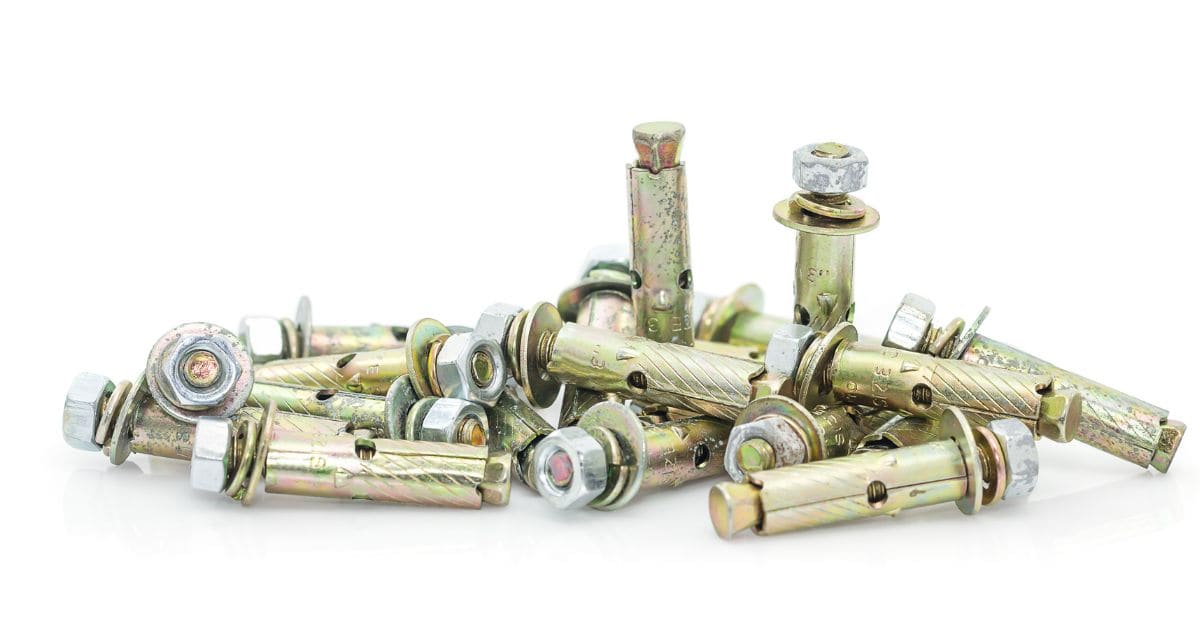
Bonded (chemical) anchors use resin to create a new grip in the hole and can suit some compromised substrates. Sleeve anchors provide a mechanical hold but may require solid substrate cleanly prepared to perform as intended. Undercut anchors engage the sides of a recessed cavity to resist pullout in weakened concrete.
Through-bolting with a backing plate offers a discrete path around the failure zone, but it depends on a clean, stable substrate and correct hole preparation. Compare these options by checking the manufacturer instructions and considering the specific conditions of the substrate.
Bonded/chemical anchors
When you’re dealing with weak or cracked concrete, bonded or chemical anchors often outperform wedge anchors. Here’s why:
Adhesive transfer: These anchors rely on an adhesive to bond with the concrete and surrounding material. This helps distribute the load evenly, reducing stress on any single point.
Cure time: Keep in mind that chemical anchors need time to cure properly. Follow the manufacturer’s instructions for best results. Also, temperature plays a role – most adhesives work best between 50°F and 90°F (10°C and 32°C).
But remember, even with chemical anchors, if your concrete is too damaged or has a low compressive strength, no anchor will perform well.
Sleeve, drop-in, and expansion alternatives
Mechanical sleeve or drop-in anchors can be a good option when you need to attach something to weak concrete. Here’s what you should know:
Expansion: These anchors work by expanding within the hole, creating friction that holds them in place. But if your concrete is too low in strength, it might not provide enough grip.
Sleeve anchors: Sleeve anchors use a sleeve to distribute the load over a larger area. This can help reduce stress on any single point. However, they still rely on the concrete’s strength for support.
For low-strength concrete, consider using these anchors in combination with other strengthening methods or as a temporary solution until you can repair or replace the concrete.
Through-bolting and backed connections
When your concrete is too weak to support an anchor, consider bypassing it altogether with through-bolting and backed connections. Here’s how:
Thin members: If you’re working with thin or weak concrete members, use a backing plate on the far side. This helps distribute the load and reduces stress on the concrete.
Through-bolting: For very weak concrete, consider bolting through to a stronger support behind it. This could be another piece of concrete, masonry, or even a steel beam.
Remember, these methods only work if there’s something solid to bolt into on the other side. If your concrete is too damaged or not thick enough, you’ll need to repair or replace it before attaching anything.
Concrete Repair and Reinforcement Options Before Anchoring
Repair mortars and surface patching can restore a uniform base for anchoring, focusing on restoring strength and embedment depth. Injection resins can fill cracks and voids to improve substrate stiffness and reduce movement. Repair sleeves and coring with dowel insertion help align and brace the area ahead of re-anchoring.
Always verify product performance data and follow the recommended cure times and loading limits from the supplier. If the substrate remains uncertain, plan additional testing or professional assessment before new anchors are installed.
Choosing a repair mortar or grout
When selecting a repair mortar or grout for your concrete patch, consider these key attributes:
Bond: Ensure the material bonds well with both old and new concrete. Check product data for bond strength information.
Setting Time: Consider the setting time to plan your work efficiently. Too fast might rush you; too slow could delay other tasks.
Strength Values: Look for referenced 28-day compressive strength values in the product data. This indicates how strong the patch will be after curing.
Repair sleeves and threaded inserts
For damaged anchor holes, repair sleeves or threaded inserts can recreate a sound anchorage. Here’s how:
First, clean the hole thoroughly to remove any loose material. Then, apply the recommended adhesive or grout onto the sleeve or insert.
Insert it into the hole, ensuring it’s aligned properly. Allow the adhesive or grout to cure according to the manufacturer’s instructions.
The sleeve or insert now provides a solid base for your wedge anchor, just like new concrete.
Coring and rebar doweling techniques
When dealing with severely damaged concrete, coring to sound material and installing dowels can transfer loads deeper into the structure.
First, core a hole through the damaged area into solid concrete. Then, clean the hole thoroughly to remove any dust or debris.
Apply epoxy adhesive onto the rebar or dowel. Insert it into the hole, ensuring it’s properly aligned and extends at least 50mm into sound concrete.
Allow the epoxy to cure according to the manufacturer’s instructions. Now you have a strong base for your wedge anchor.
Tools, Materials Checklist and Prep Steps
Assemble the proper drill setup, including a hammer drill or rotary hammer for concrete work. Have the correct drill bits, hole brushes, and a vacuum or dust collection for cleaning. Include a torque wrench and the specific adhesives or repair mortars approved for the chosen anchor system.
Prepare by matching bit size and cleaning method to the anchor type, and wear appropriate PPE. Do not skip cleaning—dust and debris will undermine grip and expansion in many anchor designs.
Drill bits and hole cleaning tools
Before you start drilling, make sure you’ve got the right tools for the job. Here’s a quick checklist to ensure your holes are clean and ready for anchoring.
- Masonry/hard-material drill bit: Use one that matches the anchor size. Too small and it won’t grip; too large and it’ll spin.
- Hole brush: A stiff-bristled brush helps remove dust and debris from the hole.
- Vacuum: Suck out the dust after brushing to ensure a clean surface for adhesion or expansion.
- Correct drill speed: Slow and steady wins the race. Too fast and you’ll overheat the bit, damaging the concrete.
- Avoid water: Don’t use water with masonry bits. It can cause them to bind and break.
- Drill depth: Mark your bit or use a stop collar to drill to the correct depth for your anchor.
- Pilot hole: If you’re using an expansion anchor, drill a pilot hole first to prevent the anchor from spinning.
- Hole diameter: Ensure the hole is slightly larger than the anchor’s minor diameter. Too tight and it won’t expand properly.
Quick rule: Match your bit size to your anchor, clean the hole thoroughly, and take your time drilling.
Adhesives, mortars, and consumables
Choosing the right adhesives and mortars is crucial for a strong bond. Here’s what you need to check before you start mixing.
- Adhesive/mortar type: Choose one rated for your substrate (concrete, masonry, etc.) and environmental conditions.
- Cure time: Ensure the cure time fits with your project schedule. Too long and it might set before you’re ready.
- Temperature limits: Follow manufacturer guidelines for application temperatures to avoid premature setting or weak bonds.
- Mixing ratio: Weigh or measure components accurately for a strong, consistent mix.
- Pot life: Know how long your mixed adhesive/mortar stays usable before it sets. Too short and you’ll waste material.
- Anchor compatibility: Ensure the adhesive/mortar is compatible with your chosen anchor type.
- Primer: Some systems require a primer to improve adhesion. Don’t skip this step if needed.
- Cleaning agent: Have a suitable cleaner on hand to remove any residue after installation.
Quick rule: Always follow manufacturer guidelines for the best results.
Safety and verification equipment
Safety first! Here’s what you need to ensure a secure, well-documented installation.
- PPE: Wear appropriate personal protective equipment, including safety glasses, gloves, and ear protection.
- Calibrated torque wrench: Use one to tighten anchors to the correct tension. Too loose or too tight can cause failure.
- Pull-testing device: Have a way to test anchor pull-out strength after installation, either in-house or via a testing service.
- Visual inspection tools: Use a flashlight and magnifying glass to inspect holes for cracks, contamination, or other issues before installing.
- Anchor documentation: Keep records of anchor types, sizes, installation dates, and pull-test results for future reference.
- Concrete testing: If unsure about concrete strength, perform a test (e.g., rebound hammer) before anchoring.
- Ladder or platform: Ensure you can safely reach and work at the required height with stable access.
- First aid kit: Always have one on hand in case of accidents.
Quick rule: Safety first, then check and document your work to ensure quality.
Step-by-Step Correct Installation for Compromised Concrete
Begin with marking and drilling to the correct depth and diameter as specified for the anchor system. Clean the hole thoroughly and verify it is dry or prepared per instructions. Set the anchor using the recommended method, whether dry or bonded, and ensure correct seating.
Incrementally tighten the fastener while observing the manufacturer’s torque guidance, and perform a post-install inspection for movement or misalignment. Do not assume a universal torque or embedment—follow the exact instructions for the chosen product.
Step-by-Step Installation Process
Follow these practical steps to correctly install wedge anchors in compromised concrete, ensuring a secure and long-lasting hold.
- Prepare the area: Clear debris, wear safety gear (gloves, goggles), and ensure the surface is dry.
- Mark the spot: Use a pencil or marker to indicate where you’ll drill. Ensure it’s level with your load’s center of gravity.
- Drill the hole: Use a suitable drill bit and speed, drilling to the required depth (usually 1.5 times the anchor’s embedment).
- Clean the hole: Thoroughly remove dust using compressed air or a brush. Inspect for cracks or damage before proceeding.
- Insert the anchor: Align the wedge with the hole’s axis, then tap it gently into place using a hammer and a drift pin.
- Tighten incrementally: Apply torque as per manufacturer’s instructions, checking for any signs of spinning or cracking. If you can’t achieve the required torque, consider a bonded installation or consult a pro.
- Final check: Ensure the anchor is secure, level, and properly seated. Tighten any loose hardware.
- Clean up: Remove debris, store tools safely, and document your installation for future reference.
Hole preparation and cleaning
Drilling a clean, dust-free hole is crucial for anchor performance. Here’s how to prepare your holes:
Start by drilling at the correct speed (usually 500-1000 RPM) using a suitable drill bit. Drill to the required depth, then remove the bit.
Thoroughly clean the hole using compressed air or a brush. Ensure no dust remains, as it can compromise adhesion and strength.
Inspect the hole for cracks, damage, or irregularities. If found, consider repairing before proceeding with anchor installation.
Dry-set versus bonded installation
Understand the differences between dry-set and bonded installations to choose the right method for your compromised concrete:
A dry-set installation involves tapping the anchor into place without adhesive. It’s quick but may not be suitable for weak or cracked concrete.
A bonded installation uses an adhesive (like epoxy) to secure the anchor. This method is preferred when dealing with compromised concrete, as it provides additional strength and resistance to spinning.
Always follow manufacturer’s instructions regarding adhesive type, mixing, and application. Allow adequate curing time before loading the anchor.
Post-installation checks and documentation
After installing your wedge anchors, perform these checks to ensure a secure hold:
Visually inspect the installation. Ensure the anchor is properly seated, level, and shows no signs of spinning or cracking.
Check torque: Apply torque as per manufacturer’s instructions. If you can’t achieve the required torque, or if the anchor spins, consider repairing or reinforcing the concrete before re-installing.
Document your installation, noting date, location, anchor type, embedment depth, and any special considerations. This record will aid in future maintenance or testing.
Inspection, Maintenance, and When to Call a Structural Engineer
Schedule routine inspections and document any signs of corrosion, cracking, or looseness in the anchors. Track changes over time to detect degradation early. Keep a clear record of maintenance actions and observed conditions.
Establish clear triggers for professional assessment when anchors support critical loads or show progressive deterioration. If safety or structural integrity could be affected, involve a structural engineer or qualified specialist for an evaluation and plan.
Long-term monitoring signs
Regularly inspect your wedge anchors to catch any issues early. Use this checklist to guide you.
- Cracking: Look for new or widening cracks around the anchor. If present, it could indicate a loss of capacity.
- Torque readings: Check if torque readings have changed significantly since installation. A drop could signal anchor failure.
- Movement: Visible movement in the anchor or surrounding concrete may suggest structural issues.
- Corrosion staining: Rust stains around the anchor indicate corrosion, which can weaken it.
- Loose anchors: Try to wiggle the anchor with pliers. If it moves, it’s too loose and needs attention.
- Concrete degradation: Check for spalling, crumbling, or other signs of concrete deterioration near the anchor.
- Water intrusion: Look for water around the anchor. It can cause corrosion and weaken the bond.
- Anchor pull tests: Periodically perform pull tests to ensure the anchor’s holding power hasn’t decreased.
Quick rule: If you notice any of these signs, don’t wait – inspect further or call a professional immediately.
Corrosion protection and environmental considerations
Protect your wedge anchors from corrosion with these strategies.
- Material choice: Use stainless steel or other corrosion-resistant materials for the anchor itself.
- Coatings: Apply protective coatings to the anchor and surrounding concrete to prevent rust.
- Sealing: Seal the hole around the anchor to keep out moisture and debris.
- Avoid water exposure: If possible, keep the anchor area dry. Regularly check for and fix any water leaks.
- Temperature changes: Monitor temperature fluctuations that could cause expansion and contraction, leading to stress on the anchor.
- Exposure to chemicals: Protect anchors from harsh chemicals that can cause corrosion.
- UV exposure: Shield anchors from excessive sunlight, which can degrade protective coatings.
- Regular cleaning: Keep the area around the anchor clean to prevent buildup of corrosive substances.
Quick rule: Regular maintenance and protection are key to preventing corrosion and extending your wedge anchor’s lifespan.
When to engage a structural engineer or testing service
Know when to call in the professionals. Here are clear signs that you need expert help.
- Significant failures: If anchors have failed repeatedly, it’s time to consult an engineer.
- Primary loads: If anchors support primary structural loads, any issues should be assessed by a professional.
- Structural movement: If you notice significant movement in the structure, call an engineer immediately.
- Uncertainty about repairs: If you’re unsure about the adequacy of your repairs, get a second opinion from a structural engineer.
- Cracking patterns: Unusual or widespread cracking could indicate a serious underlying problem.
- Water intrusion: Persistent water intrusion can cause significant damage and should be assessed by a professional.
- Age of structure: Older structures may require regular inspections to ensure their safety.
- Code compliance: If you’re unsure about whether your repairs comply with local building codes, consult an engineer.
Quick rule: When in doubt, it’s always better to err on the side of caution and call a professional.
Conclusion
Safety, durability, and a clean look come from choosing the right approach for weak or damaged concrete. When anchors spin or fail, fix it with the steps that match the problem, not guesswork.
Check in plain language: confirm the concrete condition, confirm the anchor type and load requirements, prep and re-drill or switch to a better anchor if needed, install per the plan, and test the hold before you call it good. Do the work in a logical order, verify each step, and re-check after any repair or cure period to avoid repeating the problem.
Common mistakes to avoid are obvious but costly: using the wrong drill size or anchor for the concrete, continuing to load an anchor after spin or slip is noticed, and skipping surface prep or cure time. Follow basic safety rules—wear eye and dust protection, keep the area clear, and test in a small area before full use. If the repair or reinforcement options require structural judgment or the concrete shows wide damage, pause and plan a proper fix rather than forcing installation.
If the situation feels beyond a homeowner repair—significant cracking, hollow sounds, or repeated spinning despite repairs—call a structural engineer or a qualified contractor. Stay practical, stay safe, and you’ll finish with a reliable, long-lasting result you can trust. You’ve got this; steady, deliberate work yields solid anchors and solid outcomes.
FAQ
What safer alternatives exist when the concrete is weak or damaged?
Look at options like different anchor types designed for weak concrete, or plan a repair before anchoring. Check the manufacturer instructions for suitability and local guidance for your project. If in doubt, choose a product that explicitly covers compromised substrates.
How should I verify the install conditions before drilling into the substrate?
Inspect the area for visible cracks, hollow sounds, or soft spots. Confirm the surface is clean and the drill bit and drill are appropriate for the material. If you’re unsure about the substrate, stop and verify with the product label or instructions.
What signs tell me I should rethink or stop the installation process?
If the hole collapses, the anchor spins during install, or the surrounding concrete crumbles, stop immediately. Reassess with a new plan, recheck the substrate, and consult the anchor’s instructions or a professional if needed. Don’t force an anchor into damaged material.
How do I use manufacturer guidelines to choose and install wedge anchors in weak concrete?
Read the label and data sheet for load guidance, recommended substrate conditions, and installation steps. Follow local rules and any site-specific requirements you’re obligated to meet. If the guidelines aren’t clear, contact the manufacturer or skip to a safer option.