Search Results for: wood in concrete floor

Closeup of orange concrete bucket against blue sky

Concrete Set Too Fast: Emergency moves that don’t ruin strength

Introduction Concrete that sets too fast is when the mix hardens sooner than you can work with it, leaving you with stiff, unworkable patching. Quick-setting concrete is usually tied to mix heat, hydration pace, and how the site was prepared. When this happens, you need calm, fast, practical steps rather than a panic rush. First, […]

Concrete Set Too Fast: Emergency moves that don’t ruin strength Read More »
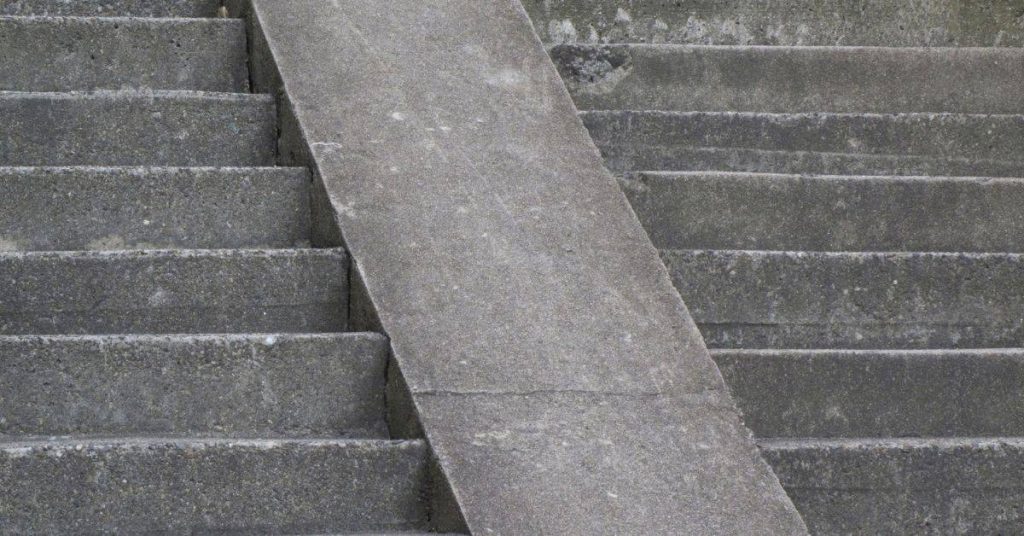
Concrete stairs with a smooth ramp in the middle

Fixing a Concrete Patch That Won’t Take Stain: Porosity matching and blending

Introduction Porosity matching and blending means adjusting a concrete patch so it accepts stain like the surrounding concrete and hides the edges. Start with a clean, dry surface and test a small area to see how the stain looks. If the patch seems off, adjust the patch mix with a compatible additive or bonding agent

Fixing a Concrete Patch That Won’t Take Stain: Porosity matching and blending Read More »

Black freestanding bathtub on dark concrete floor

Concrete Under Heavy Shelving: Load distribution and avoiding point-load cracking

Introduction Concrete under heavy shelving means the floor must spread a concentrated weight over a larger area to prevent cracking. In plain terms, a point load is a high force on a small spot that can pinhole or crack the slab. This is a practical, hands-on issue you’ll manage by checking how the load sits

Concrete Under Heavy Shelving: Load distribution and avoiding point-load cracking Read More »

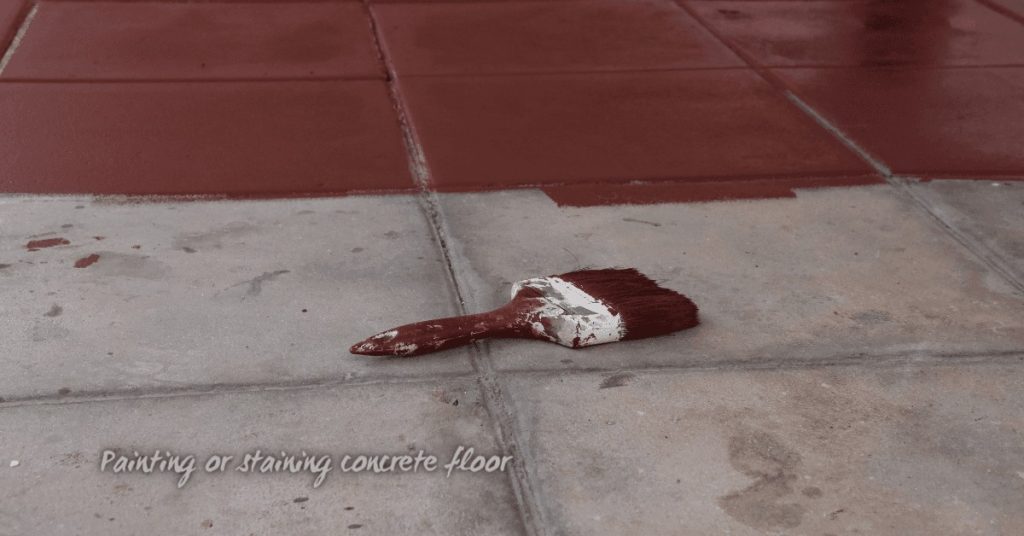
Paint brush resting on concrete floor tiles with red paint

Painting Concrete Block Basements: Preventing flaking and chalking

Introduction Painting concrete block basements is applying a coat of paint designed to bind to masonry and protect from moisture and wear. A good job starts with prep to stop flaky paint and chalky residues from coming back. Check your local rules and product instructions for compatible primers and finishes. Begin with a clean, dry

Painting Concrete Block Basements: Preventing flaking and chalking Read More »

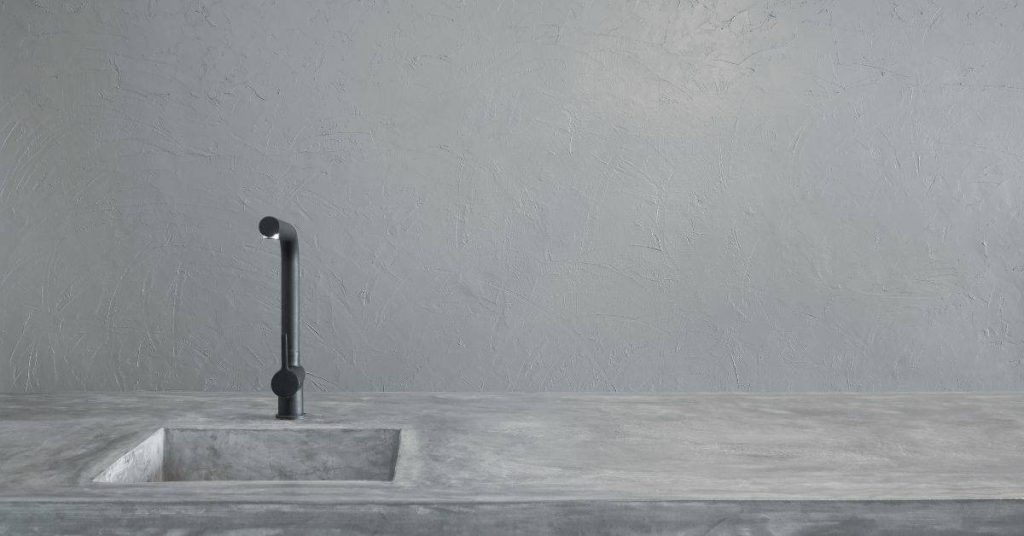
Concrete countertop with integrated sink and black faucet

Concrete Countertop Forms: Melamine vs Plastic vs Silicone Edges (Best Options)

Introduction Edge forms for a concrete countertop include melamine, plastic, and silicone options that shape and support the pour as it cures. Each type offers a different surface finish and release feel, so you’ll want to align your choice with the project needs. Always check the product label and manufacturer instructions, and confirm any local

Concrete Countertop Forms: Melamine vs Plastic vs Silicone Edges (Best Options) Read More »

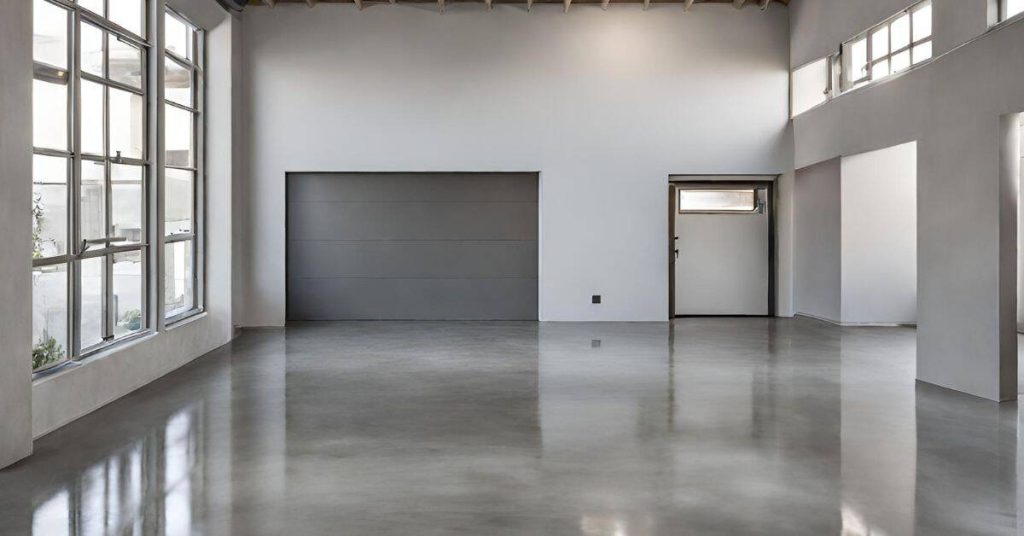
Empty room with polished concrete floor and large windows

Moisture Mitigation Systems for Concrete Floors: When You Need One

Introduction A moisture mitigation system blocks moisture from a concrete floor before you install finishes. It helps prevent staining, mold, and fast finish failures. The approach varies, but the goal is to keep dampness from wicking into your flooring. Watch for signs of moisture damage like peeling coatings, dark patches, or a musty smell. Give

Moisture Mitigation Systems for Concrete Floors: When You Need One Read More »

Rusty rebar grid and foam insulation panels in concrete form

Concrete Slab Termite Shields: Detailing for Pest Control and Moisture

Introduction Termite shields in concrete slabs are physical barriers and detailing practices that help deter termites from entering the structure. They sit at the interface between soil and slab and are installed during pour to block termite paths. Along with proper moisture control and detailing, they reduce the chance termites take up residence. Termites favor

Concrete Slab Termite Shields: Detailing for Pest Control and Moisture Read More »

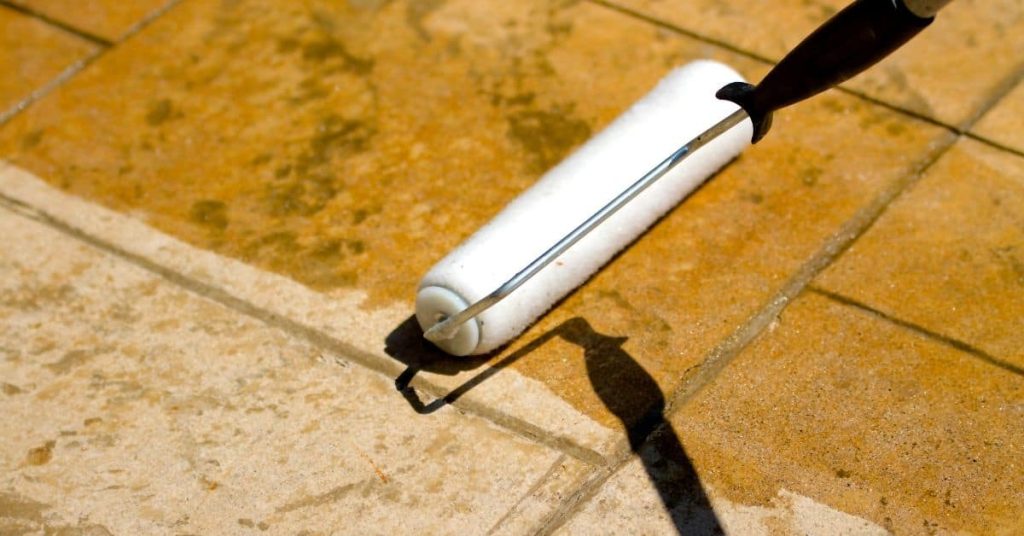
Paint roller applying liquid on concrete pavers outdoors

Concrete That Turns Dark After Sealing: Moisture, Solvent Trap, and Fixes

Introduction Darkening after sealing happens when moisture or solvent residues interact with the sealer on the surface. This can make the concrete look blotchy or deeper in color as it dries. If this happens, check moisture levels of the slab and review the sealer’s instructions. Try simple fixes first by letting the surface breathe, cleaning

Concrete That Turns Dark After Sealing: Moisture, Solvent Trap, and Fixes Read More »

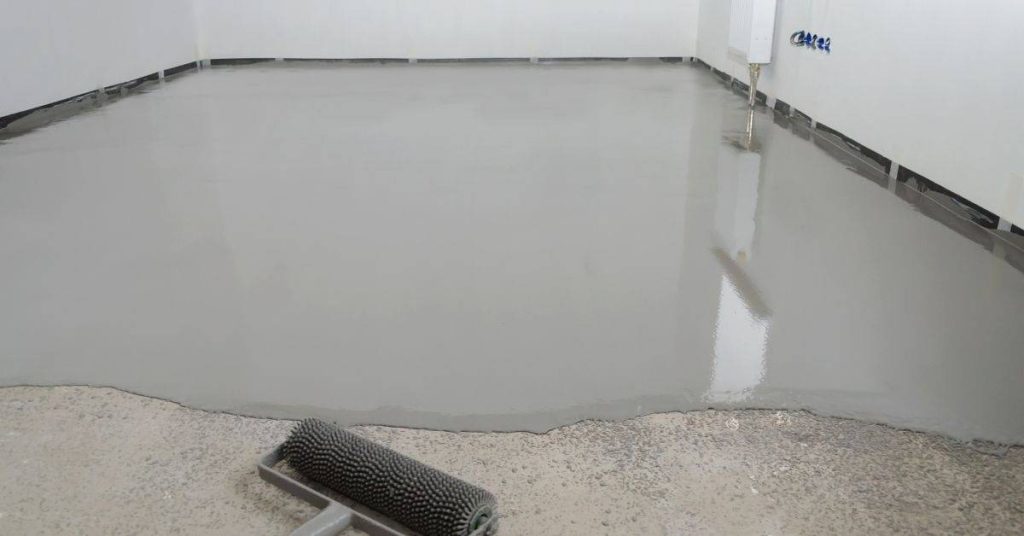
Freshly poured self-leveling concrete floor with a spiked roller

Leveling a Subfloor for Tile: Self-Leveling Underlayment Prep That Prevents Failure

Introduction Leveling a subfloor for tile means making the floor surface flat, stable, and ready to receive tile so you don’t get cracks or hollow spots. This is a hands-on task that starts with checking the current floor and ends with a smooth base for your tile setting. Take your time to plan out the

Leveling a Subfloor for Tile: Self-Leveling Underlayment Prep That Prevents Failure Read More »