Search Results for: wood in concrete floor

Person installing wood-look vinyl flooring on adhesive

LVP on Concrete Slabs: Moisture Tests You Can Do and Underlayment Choices

Introduction LVP on concrete slabs means laying luxury vinyl plank over a concrete floor while evaluating moisture in the slab and picking an underlayment that suits the job. It’s a practical DIY approach, not a showpiece install, so you’ll want to verify dryness and choose materials that tolerate the conditions you’re working with. Expect to […]

LVP on Concrete Slabs: Moisture Tests You Can Do and Underlayment Choices Read More »
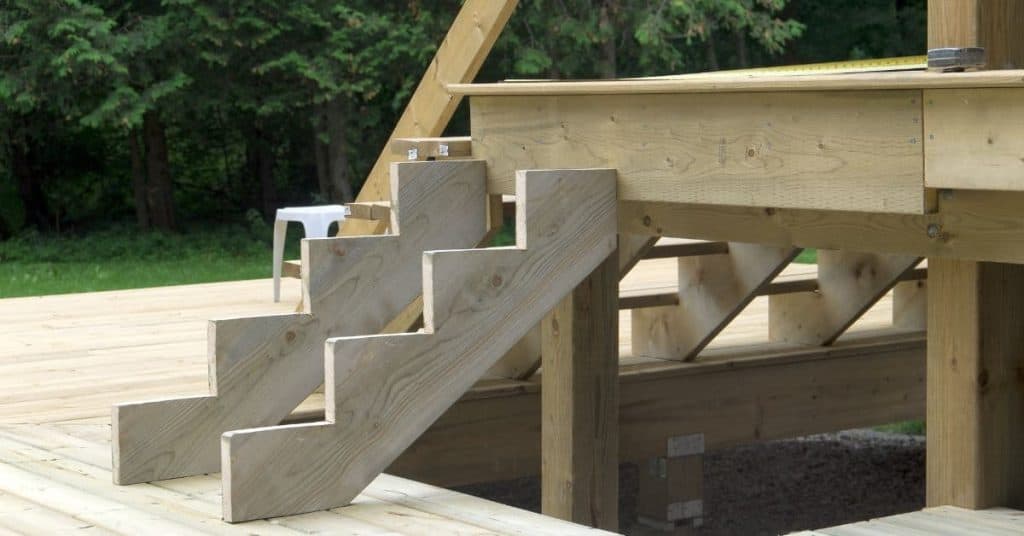
Unfinished wooden stair stringers on raised deck under construction

Deck Paint vs. Porch Paint vs. Floor Enamel: Which One Fails Where and Why

Introduction Deck paint, porch paint, and floor enamel are surface coatings chosen for outdoor decks, porches, and floors. They each have different binders and wear patterns, so they perform best on their intended substrate. Look at the label and instructions to confirm where it’s recommended and what prep is required. Check for recommended cleaners, primers,

Deck Paint vs. Porch Paint vs. Floor Enamel: Which One Fails Where and Why Read More »

White insulated concrete forms stacked outdoors on grass

DIY Concrete Door Sill / Threshold Pour: Forms, Drip Edge, and Sealant Joint

Introduction A DIY concrete door sill/threshold pour is a hands-on project to create a flat, durable doorway transition using simple forms, controlled pours, and proper finishing. You’ll set up forms to hold the concrete at the right height and shape, then plan for a drip edge and a clean joint where the sill meets the

DIY Concrete Door Sill / Threshold Pour: Forms, Drip Edge, and Sealant Joint Read More »

Fresh concrete pouring onto existing concrete slab

Pouring a Small Concrete Slab Over Existing Concrete: Bonding, Thickness, and Joints

Introduction Pouring a small concrete slab over existing concrete means laying a new concrete layer on top of an existing slab. Before you start, clean and roughen the surface so the new mix can grip. Check the old slab for cracks and moisture and fix obvious issues before pouring. Think about how thick you pour

Pouring a Small Concrete Slab Over Existing Concrete: Bonding, Thickness, and Joints Read More »

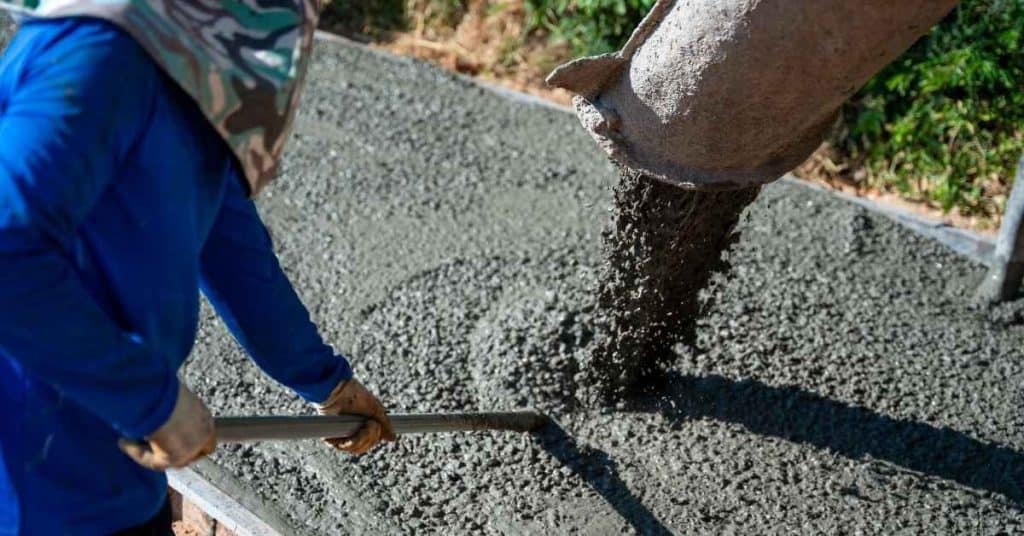
Worker pouring and leveling wet concrete outdoors

Repairing a Concrete Slab That’s Sinking at One Corner: DIY Foam vs. Mudjacking Basics

Introduction Repairing a Concrete Slab That’s Sinking at One Corner: DIY Foam vs. Mudjacking Basics means choosing a DIY-friendly way to lift a sunken corner using either foam injection or mud-based slurry under the slab. The goal is to restore level support by filling voids and stabilizing the edge that has dropped. You should always

Repairing a Concrete Slab That’s Sinking at One Corner: DIY Foam vs. Mudjacking Basics Read More »

Close-up of concrete floor grinding machine on rough concrete surface

Fixing Form Lines on Exposed Concrete: Grinding, Skim Coats, and Texture Matching

Introduction Fixing form lines on exposed concrete means smoothing or concealing the raised lines left by the forms so the surface looks even. In this DIY approach, you’ll grind the lines down, skim-coat areas as needed, and texture-match the rest of the surface. Plan to work methodically, wear a dust mask, and always check the

Fixing Form Lines on Exposed Concrete: Grinding, Skim Coats, and Texture Matching Read More »

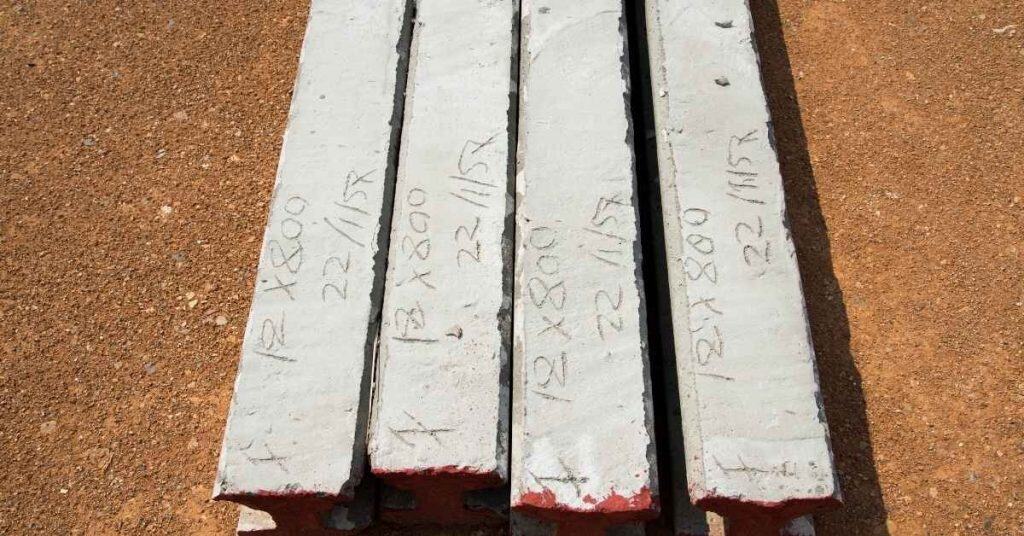
Four concrete test slabs marked with measurements lying on dirt

Concrete Water Vapor From Slabs: Easy DIY Tests Before Flooring Goes Down

Introduction Moisture testing of a concrete slab is checking how much water vapor is in the slab before you install flooring. These quick DIY checks tell you if the slab is dry enough for flooring and help you avoid issues later. Moisture movement depends on temperature, humidity, slab thickness, and curing history, so you’ll want

Concrete Water Vapor From Slabs: Easy DIY Tests Before Flooring Goes Down Read More »

Empty wheelbarrow laying on wet concrete surface

Concrete Sealer Whitening: Moisture Trapping vs Application Errors

Introduction Concrete sealer whitening is when the finish looks cloudy or white after sealing. This can happen from moisture trapped beneath the film or from mistakes during application. Common symptoms are cloudy patches and a milky look that won’t cure clear. Fixes involve addressing moisture sources and correcting application errors. Make sure the surface is

Concrete Sealer Whitening: Moisture Trapping vs Application Errors Read More »

Close up of concrete surface with small voids and holes

Concrete Honeycombing: Why Voids Form and How to Patch Properly

Introduction Concrete honeycombing is voids or gaps in the concrete left by poor compaction, creating a honeycomb-like texture. It’s often visible on the surface as rough pockets and can affect how the finish looks and wears. For DIYers, inspect exposed areas after form removal and under surfaces to spot these voids early. Common causes include

Concrete Honeycombing: Why Voids Form and How to Patch Properly Read More »