Search Results for: weep

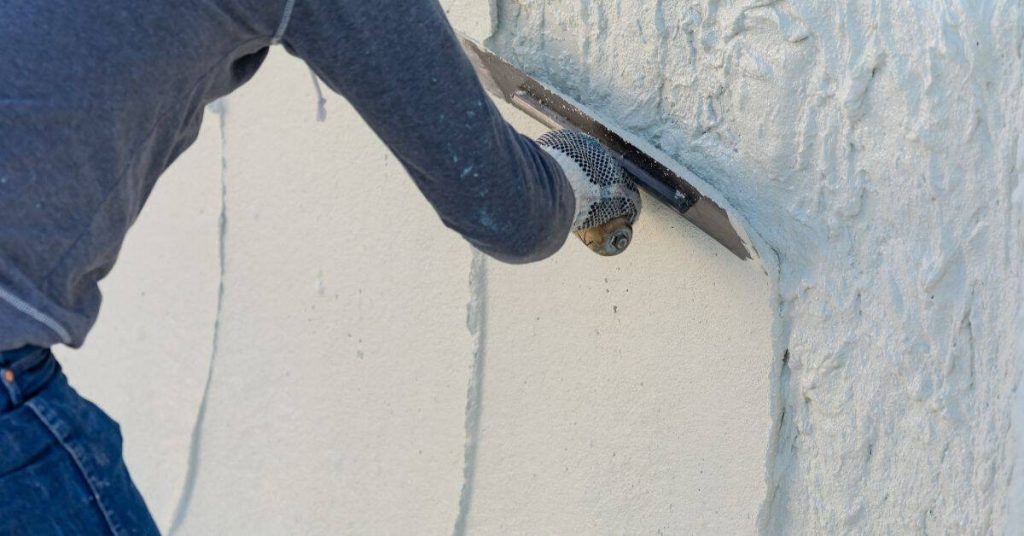
Person applying stucco texture on exterior wall with hawk and trowel

Stucco Around Gas Meters: Clearances, Mounting, and Leak-Safe Sealing

Introduction This article explains how to stucco around gas meters with proper clearances, mounting, and leak-safe sealing. Work must follow safety rules and local codes, and you should verify with the meter installer and building department. Use this as a practical, hands-on guide rather than a theory manual. You’ll learn how to plan the stucco […]

Stucco Around Gas Meters: Clearances, Mounting, and Leak-Safe Sealing Read More »
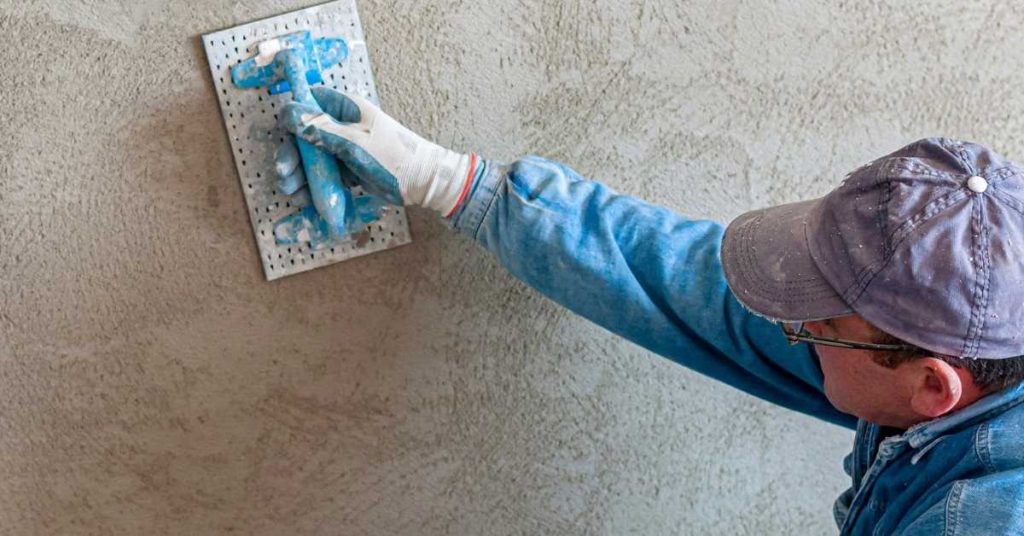
Hand holding a float tool smoothing plaster on wall

Traditional Plaster Corners Without Metal Bead: A Clean Corner-Float Method

Introduction Traditional plaster corners without metal beads are built by floating plaster to a clean, sharp edge. Key takeaways Prepare raw corner by removing paint, dust, and protrusions for plaster bonding. Establish guides and screeds to create a true 90-degree plaster edge. Apply backing coat evenly before corner float to avoid laitance. Use a controlled

Traditional Plaster Corners Without Metal Bead: A Clean Corner-Float Method Read More »

Close-up of textured polished plaster wall surface

Sanding vs Burnishing Polished Plaster: Fixing Trowel Tracks Without Haze

Introduction Sanding and burnishing polished plaster is the process of smoothing and finishing the surface to remove trowel tracks and haze. This is done after the plaster has cured enough to work but while it’s still workable, using gentle abrasion and polish. The goal is a uniform, matte or soft sheen without gouges. Before you

Sanding vs Burnishing Polished Plaster: Fixing Trowel Tracks Without Haze Read More »

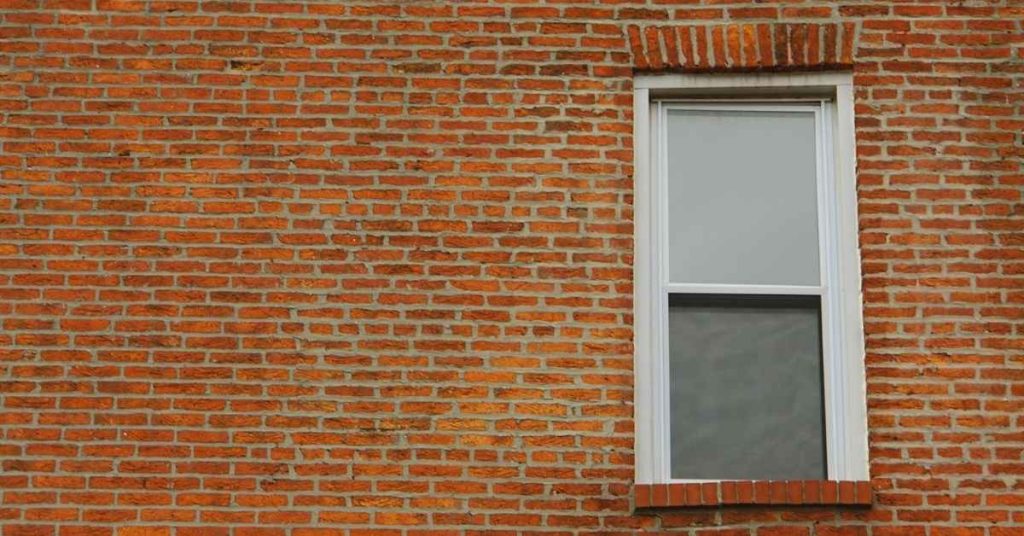
Brick wall with window and brick lintel above

Replacing a Rusted Brick Lintel: Supporting the Wall and Preventing Future Stains

Introduction Replacing a rusted brick lintel means removing the corroded support above an opening and installing a proper replacement to keep the wall carrying loads. Before you touch it, set up temporary shoring to hold the wall while you work, and inspect the surrounding brick and mortar for damage. Check local rules and the manufacturer’s

Replacing a Rusted Brick Lintel: Supporting the Wall and Preventing Future Stains Read More »

Snow-covered precast concrete beams stacked outdoors

Clean Concrete Door Threshold Curbs: Isolation Joints and Waterproof Transition Details

Introduction A clean concrete door threshold curb is a raised, sealed transition at a doorway that isolates joints and redirects water. For installation, choose a waterproofing membrane that can bridge the joint between curb and slab, and follow the manufacturer’s surface prep and cure guidance. Architectural details matter—use proper edging, transitions, and compatible sealants, and

Clean Concrete Door Threshold Curbs: Isolation Joints and Waterproof Transition Details Read More »

curved brick paver pathway with stone wall and landscaping

Brick Paver Edging That Won’t Spread: Restraints, Bedding, and Joint Choices

Introduction Edging that won’t spread is a border for brick paver layouts that stays in place and keeps the line looking sharp. Getting it right means using sturdy restraints, a solid bedding layer, and properly selected joints. Always check the product label and local rules for any installation limits that apply to your area. Choose

Brick Paver Edging That Won’t Spread: Restraints, Bedding, and Joint Choices Read More »

Woman painting kitchen cabinets brown with brush

Painting Brick Without Trapping Moisture: Mineral Paint vs Acrylic Reality

Introduction Mineral paint lets brick breathe and dry without trapping moisture. Acrylic finishes sit on the surface and can seal moisture in if the surface isn’t prepared or the weather isn’t right. In this article I’ll lay out practical, hands‑on steps so you know what to check before you paint. Before you buy, read the

Painting Brick Without Trapping Moisture: Mineral Paint vs Acrylic Reality Read More »

Red brick house exterior with white trim and black front door

Preventing Efflorescence on New Brick: Water Sources, Curing, and Best Practices

Introduction Efflorescence on new brick is the chalky salt bloom that appears when water moves soluble minerals to the surface. Water sources and timing of curing drive whether the surface shows that bloom. In practice, keep moisture low during cure and protect fresh brick from excessive rain or splash, then allow it to dry out

Preventing Efflorescence on New Brick: Water Sources, Curing, and Best Practices Read More »

Construction worker cutting joint in brick wall outdoors

Movement Joints in Long Brick Walls: Spacing, Backer Rod, and Tooling Tips

Introduction Movement joints in long brick walls relieve stress from expansion and contraction. They are intentional gaps that let the wall flex without cracking. When you plan the joints, follow the manufacturer’s guidance and local rules, and choose backer rod and sealant accordingly. Use proper tooling by cleaning joints, applying backing, and smoothing with the

Movement Joints in Long Brick Walls: Spacing, Backer Rod, and Tooling Tips Read More »

Person spraying stucco onto brick wall with hose

Stucco Patch Failures from Suction: Pre-Wet Rules and Bonding Timing

Introduction Suction in stucco patching happens when the surface draws water away as the patch cures, which can lead to poor bonding. Pre-wet rules help control the moisture draw so the patch cures with intact adhesion. Follow basic guidelines on dampening the area and feeling the surface moisture before applying patch material. Bonding timing matters:

Stucco Patch Failures from Suction: Pre-Wet Rules and Bonding Timing Read More »