Search Results for: weep

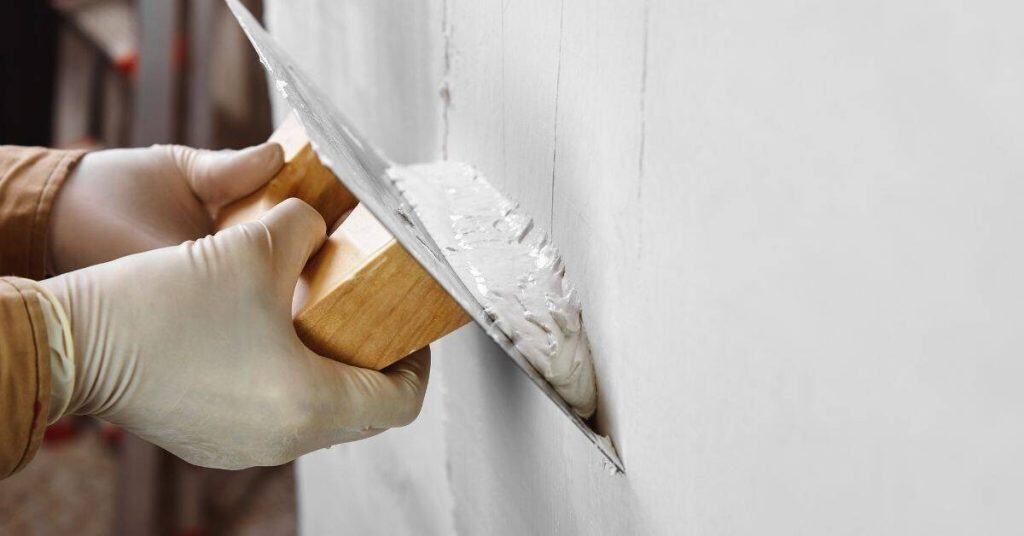
Stucco Patches That “flash”: How to Blend Texture and Color Without Repainting the Whole Wall

Stucco Patches That “flash”: How to Blend Texture and Color Without Repainting the Whole Wall

Introduction You can patch and blend stucco so the patch matches the texture and color without repainting the whole wall. This guide walks through practical steps for matching texture and color, blending edges, selecting appropriate finishes, and evaluating when a patch will look seamless. Key takeaways Identify flashing: moisture-wicking sheen and mineral deposits highlight patch […]

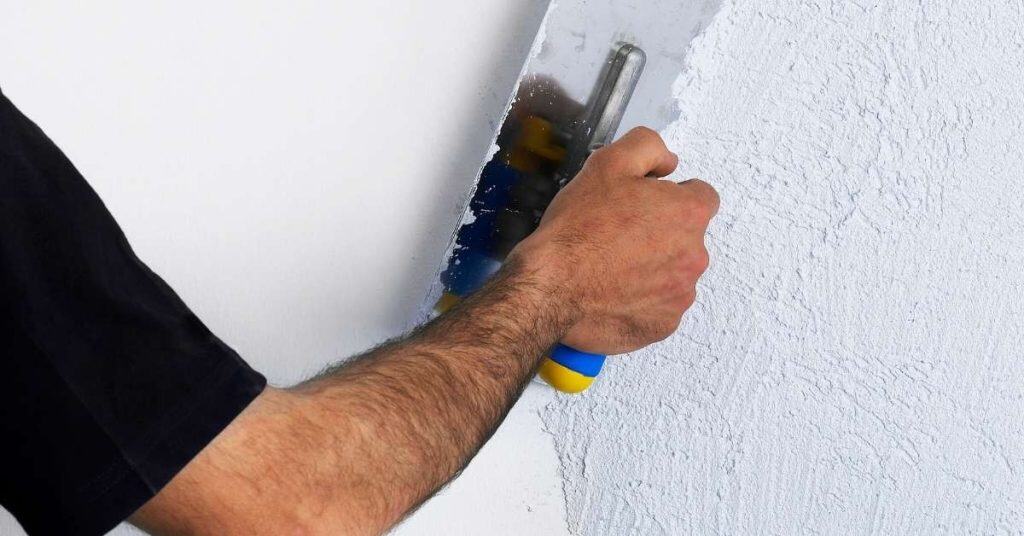
Stucco Patches That “flash”: How to Blend Texture and Color Without Repainting the Whole Wall Read More »

Repairing Deep Plaster Holes: Backing Methods That Won’t Telegraph Through Paint

Repairing Deep Plaster Holes: Backing Methods That Won’t Telegraph Through Paint

Introduction Use proper backing and feathering to repair deep plaster holes so they won’t telegraph through paint. You’ll learn which backing methods work best for different hole sizes, and how to apply patches in a way that stays smooth and durable. The guide walks through assessing the hole, choosing the right approach, and building up

Repairing Deep Plaster Holes: Backing Methods That Won’t Telegraph Through Paint Read More »

Preventing Flashing over Patches: Primer Choices and Finish Coat Timing

Preventing Flashing over Patches: Primer Choices and Finish Coat Timing

Introduction To prevent flashing over patches, use the right primer and time the finish coat carefully. The guide walks you through choosing primers compatible with common patch materials and explains the curing window before applying the finish. You’ll learn practical steps, tips, and rules of thumb to reduce sheen changes, blistering, or color shifts as

Preventing Flashing over Patches: Primer Choices and Finish Coat Timing Read More »

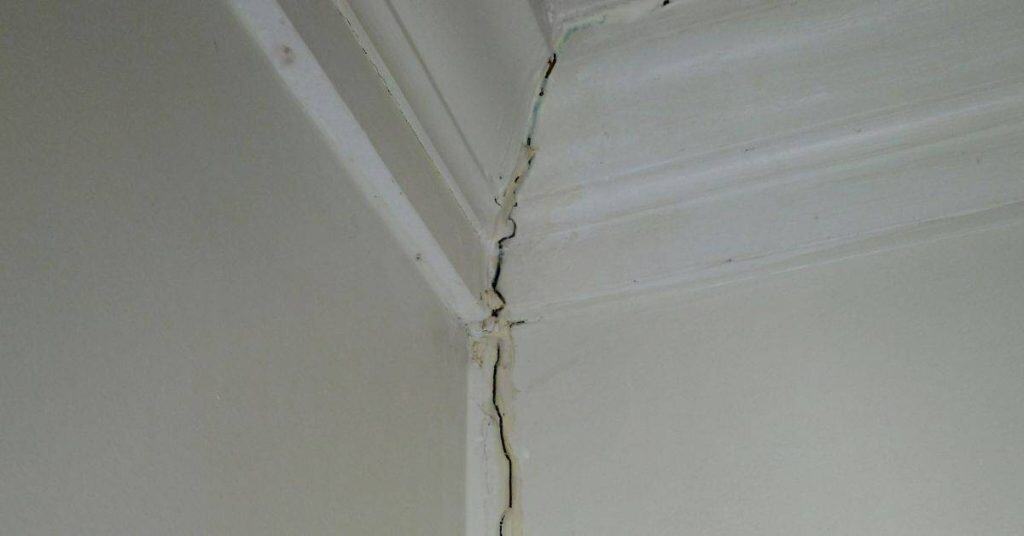
Repairing Plaster at Wall-to-Ceiling Corners: Controlling Re-Cracks at the Joint

Repairing Plaster at Wall-to-Ceiling Corners: Controlling Re-Cracks at the Joint

Introduction Repairing plaster at wall-to-ceiling corners helps stop re-cracking at the joint. The guide explains common causes of corner cracks and why proper technique matters for a durable finish. You’ll learn practical steps, tips for prep and finish, and rules of thumb to keep corners stable over time. Key takeaways Inspect crack width and moisture

Repairing Plaster at Wall-to-Ceiling Corners: Controlling Re-Cracks at the Joint Read More »

Compaction Basics: How to Tell If Your Base Is Tight Enough Without a Lab Test

Compaction Basics: How to Tell If Your Base Is Tight Enough Without a Lab Test

Introduction You can tell if your base is tight enough without a lab test by using simple on-site checks and observable indicators. This article explains practical signs, how to perform quick field checks, and the kinds of results that indicate adequate compaction so you can proceed with confidence. Key takeaways Field checks gauge compaction level

Compaction Basics: How to Tell If Your Base Is Tight Enough Without a Lab Test Read More »

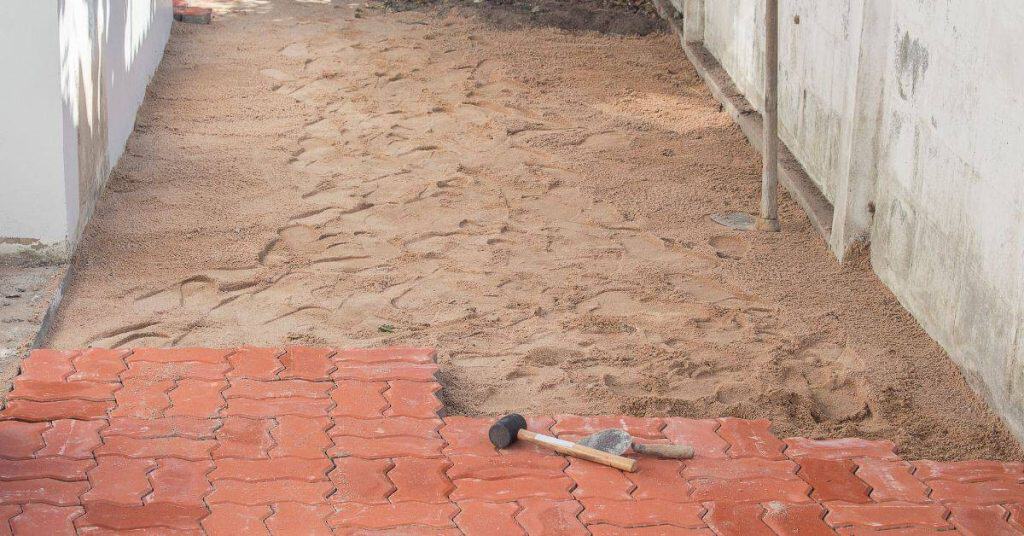
Gravel Base Thickness for Patios: Choosing 4″ or 8″ with Real Examples

Gravel Base Thickness for Patios: Choosing 4″ or 8″ with Real Examples

Introduction Gravel base thickness for patios should be 4 inches for standard light-use patios and 8 inches where soils are soft or loads are higher. You’ll learn practical guidelines, real-world examples, and simple steps to choose the right thickness for your site. Key takeaways 4-inch bases suit small patios with light loads and compacted soil.

Gravel Base Thickness for Patios: Choosing 4″ or 8″ with Real Examples Read More »

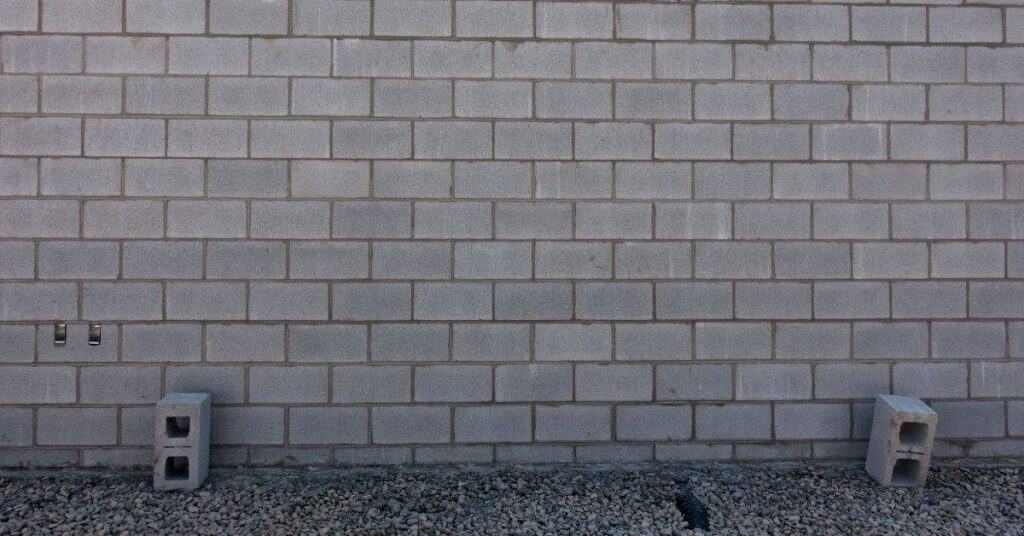
Capillary Break Under Footings: Simple Gravel + Poly Details That Reduce Damp Basements

Capillary Break Under Footings: Simple Gravel + Poly Details That Reduce Damp Basements

Introduction A gravel capillary break beneath footings, combined with a poly barrier, prevents capillary rise and reduces basement dampness. The article shows how this simple system works in practice and walks you through practical steps for selecting gravel, installing the barrier, and laying out the under-footing layer to improve moisture control. Key takeaways Use continuous

Capillary Break Under Footings: Simple Gravel + Poly Details That Reduce Damp Basements Read More »

Expansion/Movement Joints: Where to Leave Gaps and How to Finish Them Cleanly

Expansion/Movement Joints: Where to Leave Gaps and How to Finish Them Cleanly

Introduction Leave proper gaps at expansion and movement joints to accommodate building movement and prevent cracking. This introduction explains how to choose appropriate gap sizes, where joints belong, and how to finish them cleanly with durable sealants and proper detailing. You’ll learn practical tips, common mistakes to avoid, and a straightforward approach to creating joints

Expansion/Movement Joints: Where to Leave Gaps and How to Finish Them Cleanly Read More »