Search Results for: weep

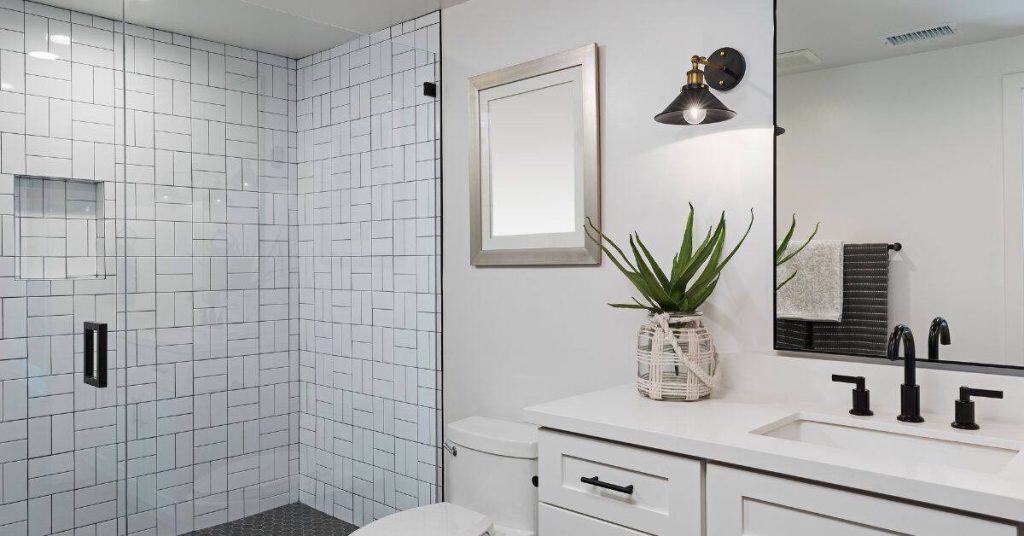
Modern bathroom with white tiled shower and glass door

Shower Bench Waterproofing: How to Build It So It Doesn’t Become a Sponge

Introduction Building a shower bench can enhance your bathroom’s functionality and aesthetics. However, it’s crucial to ensure proper waterproofing to prevent it from absorbing moisture like a sponge. In this guide, we’ll walk you through the process of constructing a waterproof shower bench that won’t become a soggy mess over time. Key takeaways Plan bench […]

Shower Bench Waterproofing: How to Build It So It Doesn’t Become a Sponge Read More »
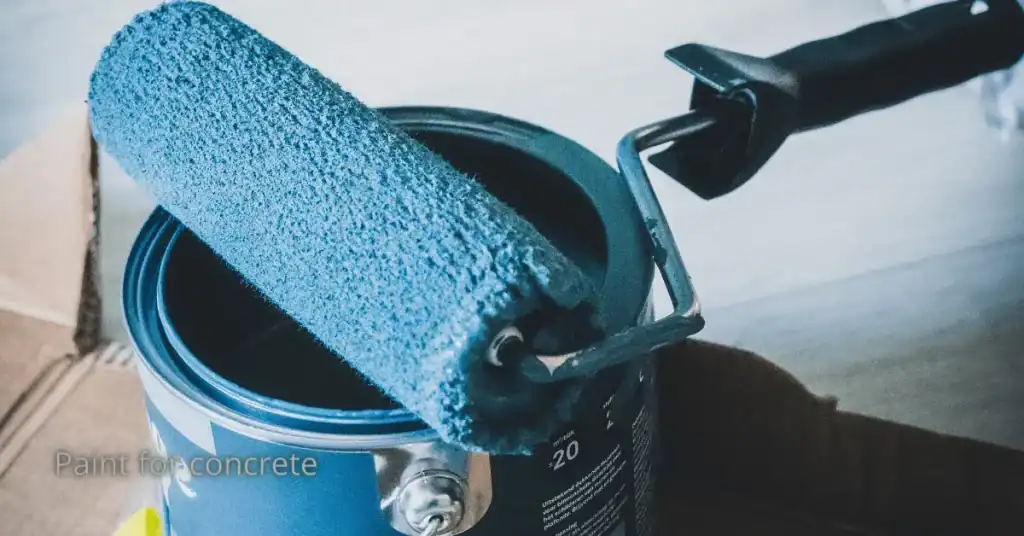
Blue paint roller resting on an open paint can

How to Prevent ‘Cratering’ in Clear Coats and Varnishes on DIY Projects

Introduction Cratering in clear coats is when the finish shows tiny pits or craters after drying. This can happen from improper thinning, debris, or moisture in the air, and it spoils the look and protection. To avoid it, stick to careful prep and clean, even application steps. Use proper dilution only as directed on the

How to Prevent ‘Cratering’ in Clear Coats and Varnishes on DIY Projects Read More »

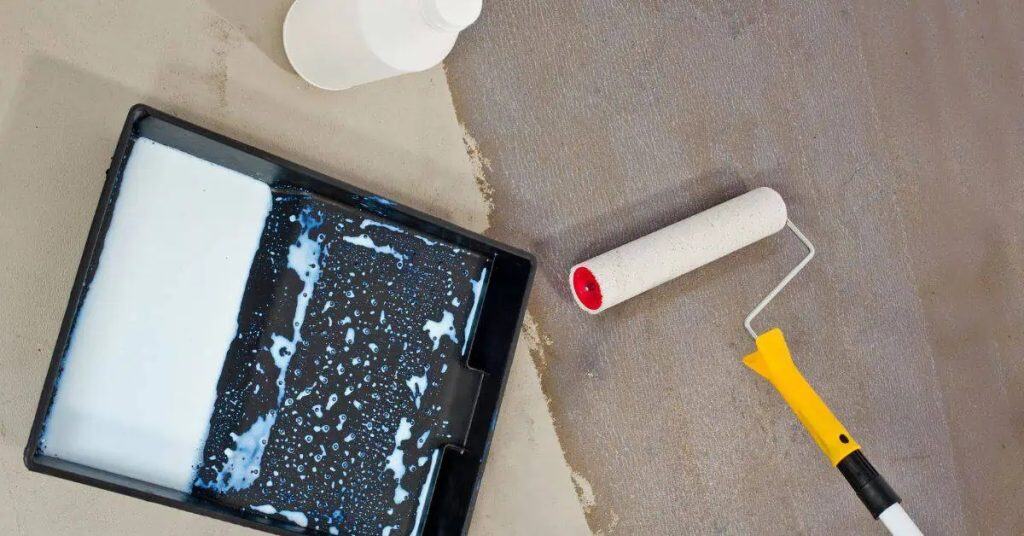
Paint roller and tray with white primer on concrete floor

How to Paint a Concrete Porch Floor That Sees De-Icers: Coating Types and Prep

Introduction Painting a concrete porch floor that sees de-icers means applying a durable coating to protect the surface from salt damage and freeze-thaw while making it easier to clean. This article guides a hands-on approach, from choosing coatings to prep and simple techniques you can do yourself. Keep in mind that prep and proper product

How to Paint a Concrete Porch Floor That Sees De-Icers: Coating Types and Prep Read More »

black painted brick wall with uneven paint coverage

How to Paint a Brick Fireplace Safely: Heat Considerations and Soot-Sealing Prep

Introduction Painting a brick fireplace safely means choosing heat‑rated paint and preparing the surface to handle heat and soot. Start by inspecting for damaged bricks and planning to seal soot before painting. This article explains preparation steps, how to seal soot, and how to pick the right finish in plain, hands‑on language. Benefits of painting

How to Paint a Brick Fireplace Safely: Heat Considerations and Soot-Sealing Prep Read More »

Interlocking permeable paver blocks with open joints and gravel fill.

Concrete Paver ‘Rocking’ Fix on Sand: When to Regrade vs. Switch to Mortar

Introduction A rocking concrete paver on sand happens when the base shifts and the paver isn’t bedded level. You’ll usually see movement when a surface feels wobbly or shows gaps around edges. This article helps you decide whether to regrade the base or switch to mortar in a simple, hands-on way. To identify the problem,

Concrete Paver ‘Rocking’ Fix on Sand: When to Regrade vs. Switch to Mortar Read More »

White insulated concrete forms stacked outdoors on grass

DIY Concrete Door Sill / Threshold Pour: Forms, Drip Edge, and Sealant Joint

Introduction A DIY concrete door sill/threshold pour is a hands-on project to create a flat, durable doorway transition using simple forms, controlled pours, and proper finishing. You’ll set up forms to hold the concrete at the right height and shape, then plan for a drip edge and a clean joint where the sill meets the

DIY Concrete Door Sill / Threshold Pour: Forms, Drip Edge, and Sealant Joint Read More »

Fresh concrete pouring onto existing concrete slab

Pouring a Small Concrete Slab Over Existing Concrete: Bonding, Thickness, and Joints

Introduction Pouring a small concrete slab over existing concrete means laying a new concrete layer on top of an existing slab. Before you start, clean and roughen the surface so the new mix can grip. Check the old slab for cracks and moisture and fix obvious issues before pouring. Think about how thick you pour

Pouring a Small Concrete Slab Over Existing Concrete: Bonding, Thickness, and Joints Read More »

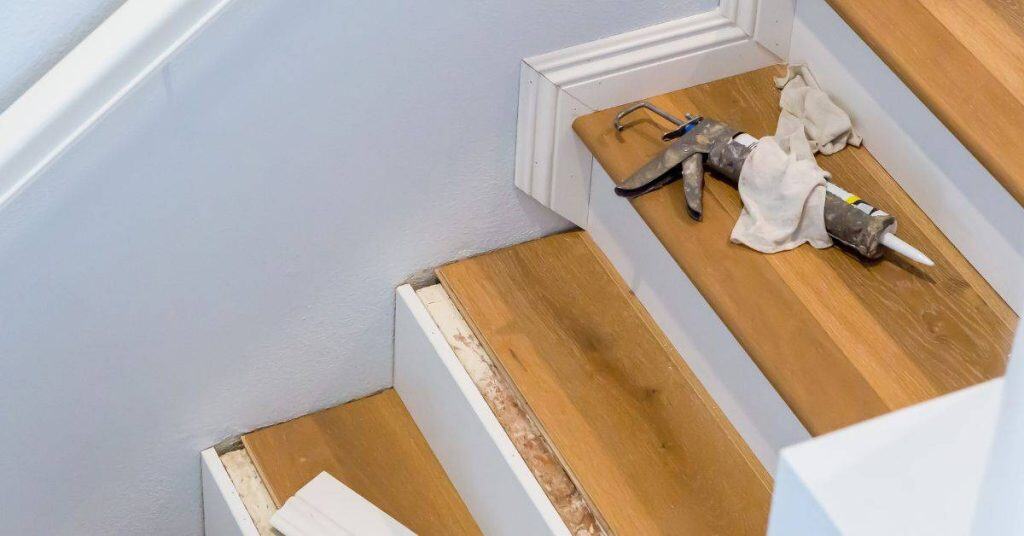
wood stairs with white trim and caulking gun on step

How to Paint Over Old Oil-Based Trim With Water-Based Paint (No Mystery Peeling)

Introduction Painting over oil-based trim with water-based paint is possible with the right prep. It means you’ll remove grime, scuff the surface, and use a compatible primer before applying the water-based finish. This article walks you through a practical, step-by-step approach you can do with basic tools. First, clean the trim and roughen the surface

How to Paint Over Old Oil-Based Trim With Water-Based Paint (No Mystery Peeling) Read More »